Direct factory-sourced commercial, residential, and industrial-scale energy hardware engineered for high efficiency and lifetime resilience.
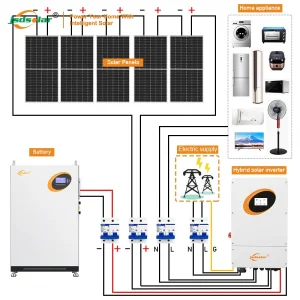
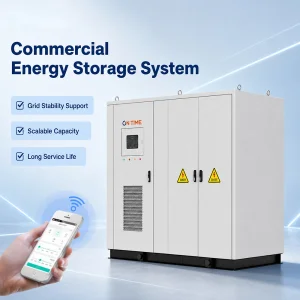
The global transition toward decentralized power has accelerated the shift from passive energy consumption to dynamic grid-interactive assets. Commercial and Industrial (C&I) operations are globally challenged by rising power tariffs, grid instability, and legislative mandates demanding net-zero carbon operations. In response, Battery Energy Storage Systems (BESS) have evolved from simple emergency backup configurations into sophisticated smart infrastructure assets.
Today's utility-grade and industrial battery solutions function as active income generators via peak shaving, load shifting, and ancillary services like frequency regulation. For system integrators and EPC contractors, procuring systems designed with intelligent thermal management, advanced active cell-balancing BMS, and extensive certification portfolios (such as UL9540A and IEC 62619) is critical to mitigating operational risk and maximizing ROI over the project's life cycle.
Navigating the complex global landscape of BESS manufacturers requires a deep assessment of Tier-1 supply chain controls. The premium Tier-1 manufacturers differentiate themselves by offering:
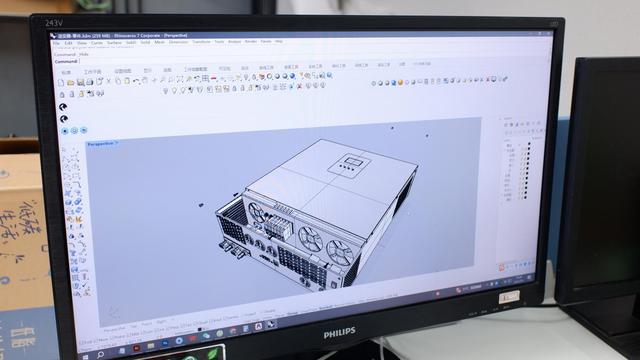
Integrating advanced design, precision manufacturing, and smart energy platform architectures.
Hangzhou CCSC Energy Co., Ltd. is a professional Energy Storage System Manufacturer specializing in battery energy storage, renewable power integration, and smart energy solutions for residential, commercial, industrial, and utility-scale applications. Based in Hangzhou, China, the company focuses on developing advanced energy storage technologies that help customers improve energy efficiency, enhance power reliability, and support the transition toward sustainable energy systems.
With expertise in energy storage engineering and system integration, CCSC Energy provides comprehensive solutions covering battery energy storage systems (BESS), renewable energy storage integration, commercial and industrial energy storage, backup power systems, microgrid applications, distributed energy infrastructure, and intelligent energy management platforms. Its solutions are designed to support a wide range of applications, including solar energy utilization, peak demand management, grid stabilization, emergency power supply, and energy cost optimization.
The company is committed to delivering safe, efficient, and scalable energy storage solutions tailored to the needs of modern energy users. Its engineering team works closely with customers, project developers, EPC contractors, and energy service providers to design systems that align with specific operational requirements, performance objectives, and regulatory standards. From project planning and system design to manufacturing and technical support, CCSC Energy offers comprehensive services throughout the project lifecycle.
Equipped with advanced manufacturing facilities and stringent quality management processes, the company emphasizes product reliability, operational safety, and long-term performance. Continuous investment in research and development enables CCSC Energy to integrate intelligent monitoring technologies, advanced battery management systems, and smart energy control platforms into its solutions.
Serving customers across Asia, Europe, North America, South America, the Middle East, and other global markets, Hangzhou CCSC Energy Co., Ltd. is dedicated to providing innovative energy storage solutions that support renewable energy adoption, strengthen power resilience, and contribute to a more efficient and sustainable energy future.
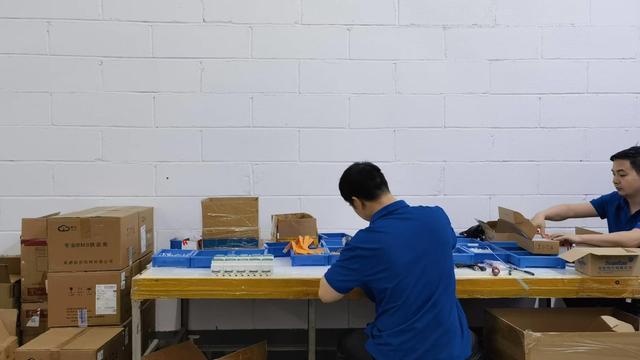
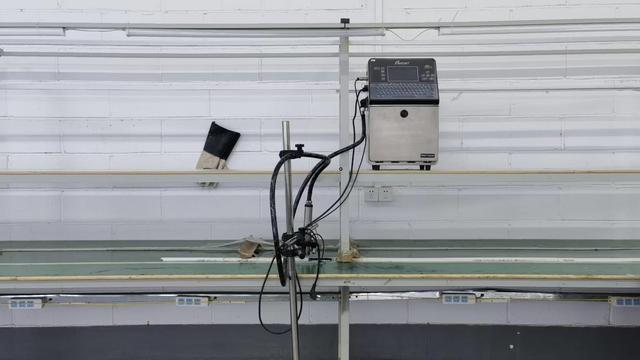
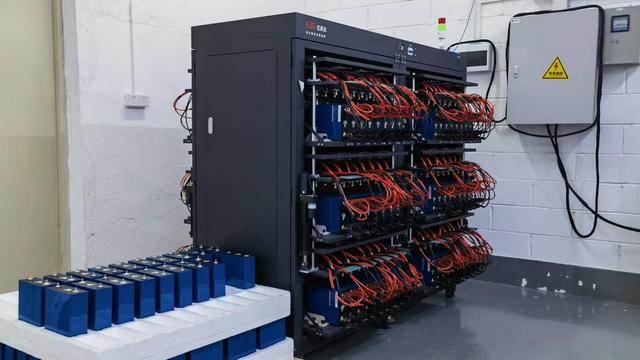
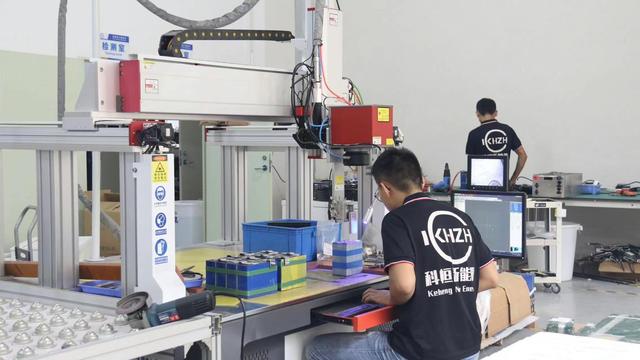
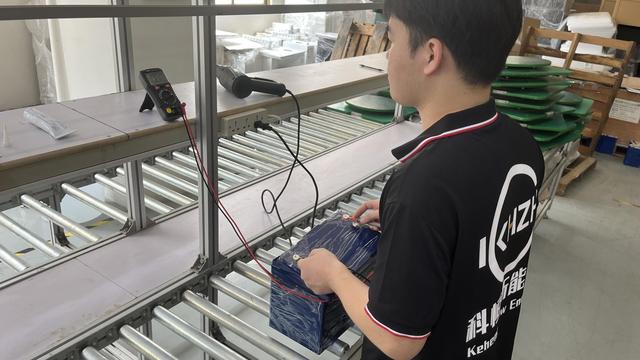
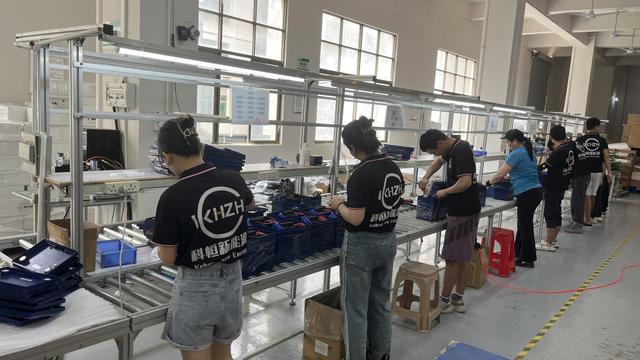
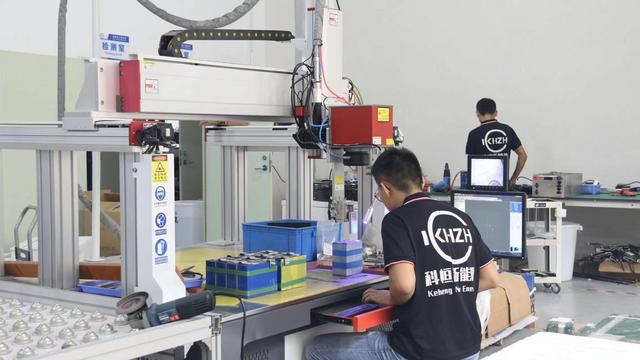
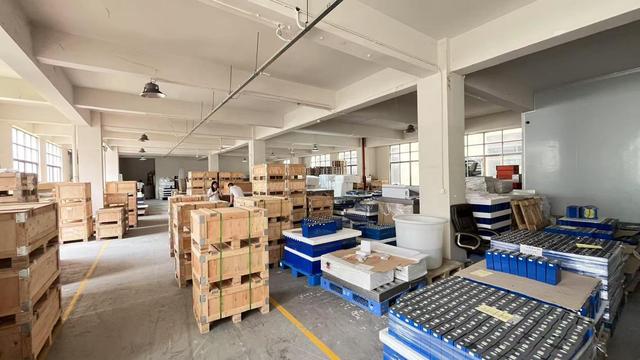
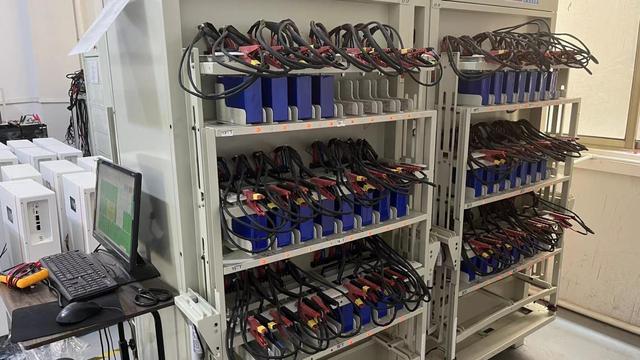
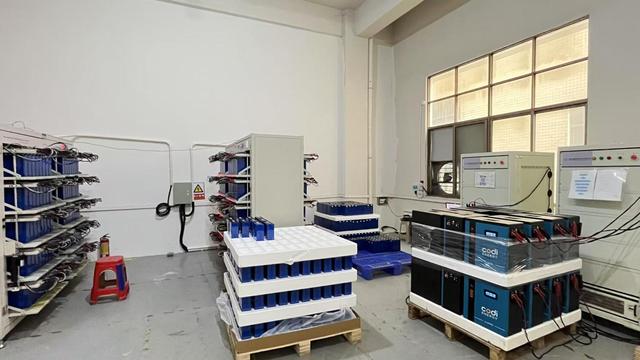
Leveraging the world's most integrated lithium battery cluster for speed, quality, and cost optimization.
Proximity to cathode, anode, separator, and precursor producers ensures zero internal lead time for cell raw materials, shielding buyers from sudden price volatility.
Advanced cell packing utilizes high-capacity laser welding, machine vision sorting, and multi-tier testing parameters, decreasing fault margins to parts per million (PPM).
Direct access to East China deep-water ports allows for fast, certified global maritime shipment of hazmat Class 9 goods (UN3480 Lithium Batteries).
How advanced BESS units adapt to regional technical standards and physical environments.
| Application Scenario | Technical Challenge | BESS Engineering Response | Measurable Business Benefit |
|---|---|---|---|
| C&I Peak Shaving (EU & NA Factories) | Dynamic grid pricing and steep demand charges during manufacturing shifts. | EMS-coupled load tracking algorithms and fast discharge capability. | Reduces up to 40% of peak monthly network distribution costs. |
| Remote Microgrids (Mining & Islands) | High cost of diesel generator operations and unstable power quality. | Grid-forming bidirectional inverters and high capacity LiFePO4 storage. | Displaces up to 80% of diesel fuel consumption with integrated PV. |
| Data Centers & Critical Facilities | Zero-tolerance for outages and fast heat dissipation requirements. | Ultra-fast static transfer switches (STS) and liquid-cooled cabinet layouts. | Ensures true 24/7 uptime while maintaining stable cell temperatures. |
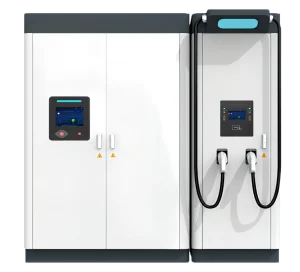
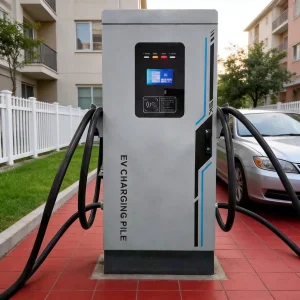
| High-Power EV Charging Hubs | High concurrent load from dynamic DC fast-charging sessions. | Integrated storage + EV charging cabinet architectures. | Allows deployment of 180kW chargers in grid-constrained areas. |
For global procurement officers, BESS procurement requires a balance of reliability, certifications, and support. Project bids must prioritize manufacturers with:
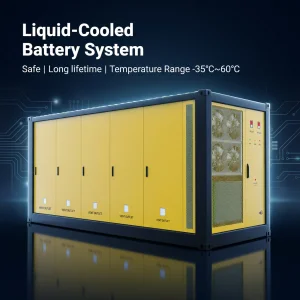
The energy storage landscape is moving from standard 1000V air-cooled configurations to high-voltage, high-density 1500V liquid-cooled platforms. Moving to 1500V systems allows EPCs to decrease balance of system (BOS) costs by up to 20% due to reduction in wiring, fuses, and combiner boxes. Liquid cooling delivers temperature uniformity across cells, maintaining variation within 3°C, extending battery life and reducing thermal runaway risks.
Additionally, the integration of AI-enabled Cloud EMS platforms allows preventative diagnostic tools to calculate Cell State of Charge (SoC) and State of Health (SoH) metrics in real time. This keeps battery banks operating within optimal performance limits and enables predictive maintenance before cells fail.
Clarifying key system specifications, safety features, and design integration questions.
Liquid cooling systems circulate a cooling medium (typically a water-glycol mix) directly through cooling plates beneath the battery modules. This yields a much higher heat-transfer coefficient than air, keeping cell temperature deviation under 3°C. In comparison, air-cooled variants often display variations up to 8°C. This temperature control extends overall cell life by 15-20% and reduces the risk of localized thermal runaway.
LiFePO4 offers a thermal runaway temperature threshold (~270°C) that is significantly higher than that of NMC chemistries (~210°C), reducing fire risk. Furthermore, LFP chemistry supports between 6,000 and 8,000 cycles at 80% Depth of Discharge (DoD), compared to NMC which generally degrades after 2,000 to 3,000 cycles, delivering a lower Levelized Cost of Storage (LCOS).
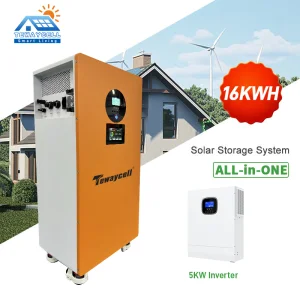
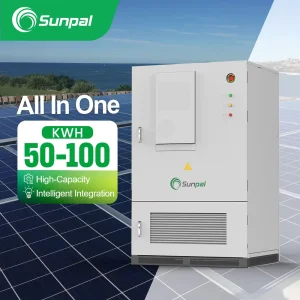
All-in-One systems integrate the battery packs, the hybrid inverter, the battery management system (BMS), and internal HVAC/fire protection systems inside a single enclosure. This factory-assembled, pre-tested configuration eliminates complex on-site wiring, reduces installation times by up to 60%, and ensures high compatibility between power electronic components.
For Western Europe and North America, systems must comply with UL 9540 (system-level safety), UL 9540A (thermal runaway propagation test), UL 1973 (for battery packs), and IEC 62619. Inverter components must hold IEEE 1547 and UL 1741 certifications to allow safe grid interconnection.
Optimized components for distributed energy grids, smart cities, and high-power charging networks.
 CCSC Energy