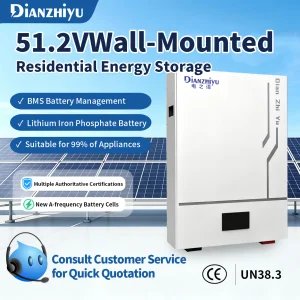
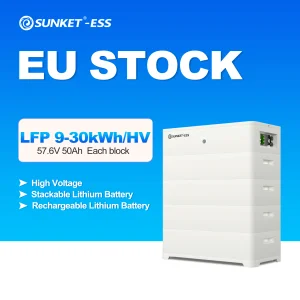
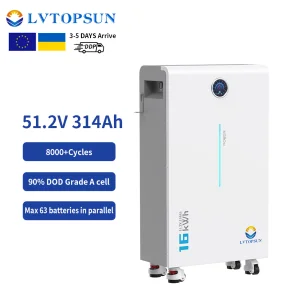
Hangzhou CCSC Energy Co., Ltd. stands at the forefront of the global energy transition. As a professional Energy Storage System Manufacturer, we specialize in bridging the gap between volatile renewable energy generation and reliable grid consumption. Our expertise encompasses the entire lifecycle of battery energy storage, from raw cell selection to intelligent management software.
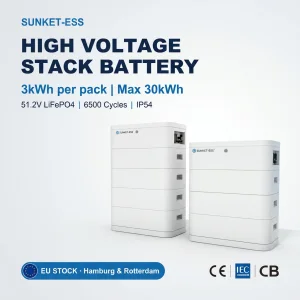
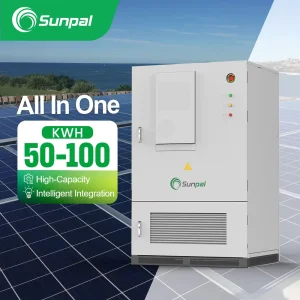
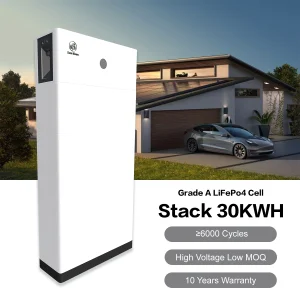
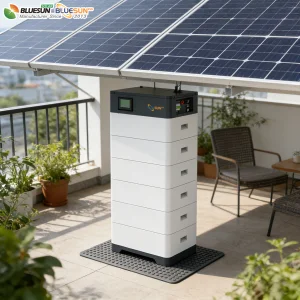
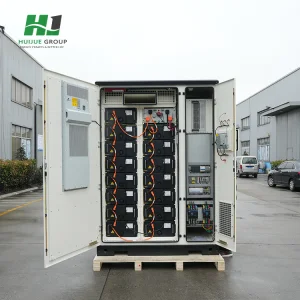
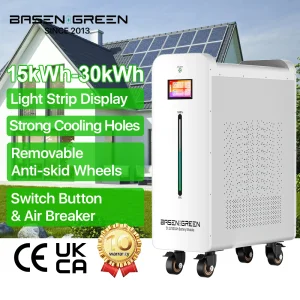
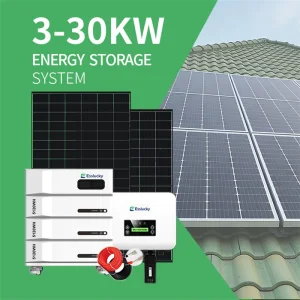
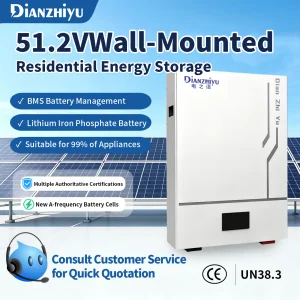
Based in Hangzhou, China—a hub of high-tech manufacturing—we leverage a robust, vertical supply chain. This allows us to provide cost-effective yet premium-quality systems, including LiFePO4 stackable batteries, industrial-scale BESS containers, and grid-tied inverters. We don't just supply hardware; we deliver integrated solutions that enhance power reliability for residential, commercial, industrial, and utility-scale projects.
Why do leading global enterprises choose Chinese manufacturers for their energy storage needs? The answer lies in technological maturation and supply chain density. China is home to the world's most advanced lithium-ion manufacturing ecosystem. By partnering with CCSC Energy, international buyers gain access to:
We work closely with EPC contractors and energy service providers to ensure that every system is not only compliant but optimized for specific local operational requirements.
In the energy storage sector, safety is non-negotiable. Grid-tied systems interact with critical infrastructure, making compliance with international grid codes (such as UL1973, IEC62619, IEEE 1547, and VDE standards) a fundamental part of our engineering philosophy. We provide localized support, ensuring that our units are pre-configured to meet the voltage, frequency, and safety regulations of target markets in Europe, North America, and Asia.
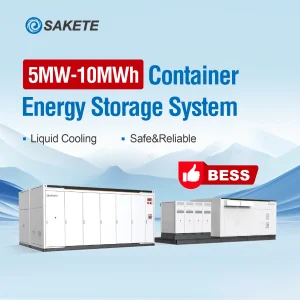
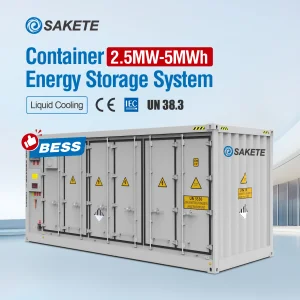
Our engineering team performs rigorous testing on battery management systems (BMS), ensuring thermal management is prioritized—especially in our liquid-cooled container solutions—to prevent thermal runaway and extend system lifespan.
The energy landscape is shifting from centralized baseload power to decentralized, smart grids. Several key trends are defining the current procurement demands of our clients:
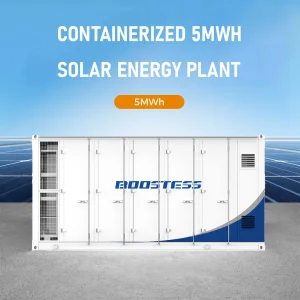
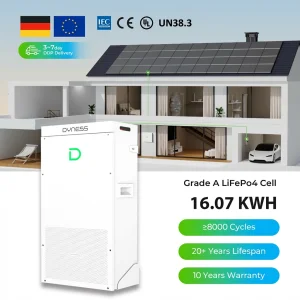
Residential systems focus on self-consumption and backup reliability, usually ranging from 5kWh to 50kWh. Utility-scale systems, such as our 5MWh containers, focus on grid frequency regulation, peak shaving, and energy arbitrage at a megawatt scale.
Longevity is a result of advanced BMS (Battery Management System) and cell quality. We use Tier-1 cells with >8000 cycle life ratings, combined with our proprietary thermal management algorithms that prevent overcharging and deep discharge stress.
Yes. Our grid-tied inverters are fully bidirectional, allowing them to draw power from the grid to charge during off-peak hours and feed energy back to the grid or load during peak times, supporting VPP (Virtual Power Plant) architectures.
We provide comprehensive remote monitoring, commissioning support, and, for large-scale utility projects, we can coordinate on-site technical guidance with our regional partners.
 CCSC Energy