Explore our high-performance systems engineered for scalable energy containment, network infrastructure resilience, and industrial thermodynamics.
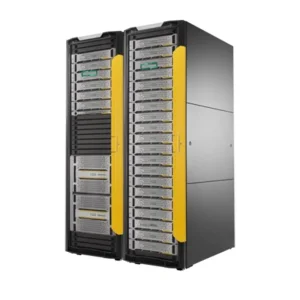
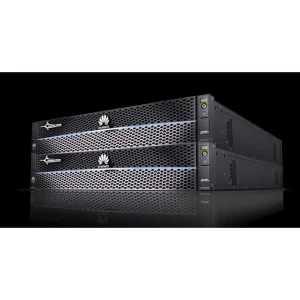
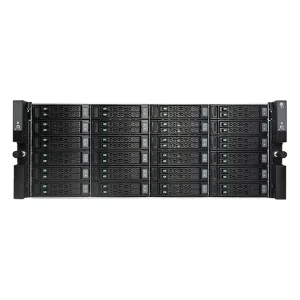

Analyzing global grid fluctuations, thermal regulation in high-density facilities, and localized network requirements.
Executive Summary: The transition toward zero-carbon microgrids has elevated sustainable power storage infrastructure from secondary backup assets to fundamental components of grid architecture. Modern industrial plants, telecommunication grids, and high-frequency storage systems now demand a unified design that merges structural thermal security, chemical reliability, and smart communication compatibility.
Globally, industrial power infrastructures are undergoing a rapid reconfiguration. Driven by decarbonization mandates and the integration of highly volatile renewable energy sources—primarily utility-scale photovoltaic arrays and wind turbines—grid stabilization requires decentralized, utility-scale Battery Energy Storage Systems (BESS). In highly developed markets like North America and Europe, old coal and gas peaker plants are actively being replaced with intelligent LFP (Lithium Iron Phosphate) container systems. These systems perform critical functions: real-time frequency containment reserves (FCR), peak load management, voltage control, and black-start capabilities.
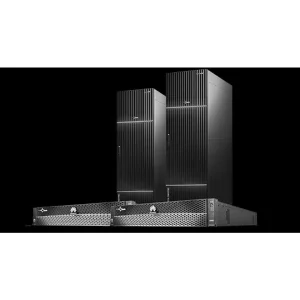
Simultaneously, the massive expansion of artificial intelligence, high-performance computing (HPC), and 5G networks has resulted in an exponential increase in power demands within critical data nodes. To ensure uninterrupted service, enterprise architectures now combine intelligent flash data storage—such as high-end SAN/NAS arrays—with integrated microgrid battery storage. This ensures clean, continuous power without relying on carbon-heavy diesel generators. In this environment, the boundary between data center operations and power infrastructure management has collapsed. Power storage is now treated as software-defined, demand-responsive hardware.
How distinct commercial sectors deploy advanced power containment and digital integration.
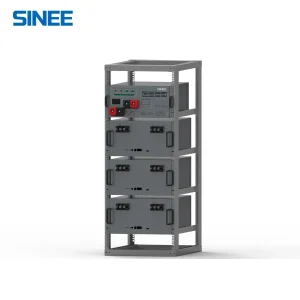
Cellular nodes are moving away from lead-acid technology toward smart LFP batteries. Integrated Modbus TCP/IP communication interfaces allow network operations centers (NOCs) to monitor state-of-health (SoH), temperature, and discharge profiles in real time. This ensures telecom systems remain operational during extended grid outages.
Cold chain facilities require highly stable power to prevent temperature variations. Integrated solar container solutions use rooftop PV arrays, energy storage, and backup thermal management systems. Together, they maintain strict freezing thresholds, even when operating entirely disconnected from localized utilities.
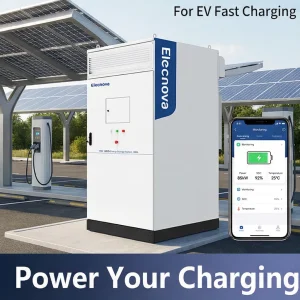
Industrial parks combine onsite wind turbines, solar arrays, and high-capacity battery units to offset peak electricity rates. By leveraging automated peak shaving, these systems significantly lower demand charges, reduce carbon footprints, and provide reliable standby power for manufacturing lines.
Why leading global EPC contractors and system integrators source from our advanced Hangzhou manufacturing facility.
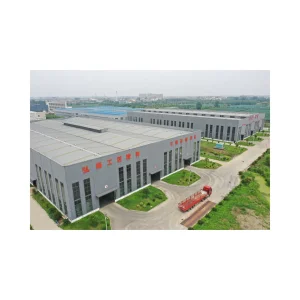
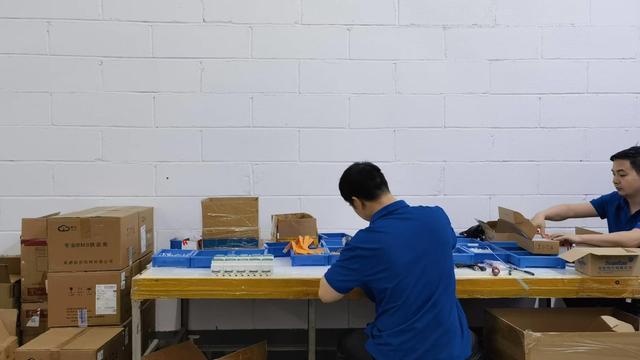
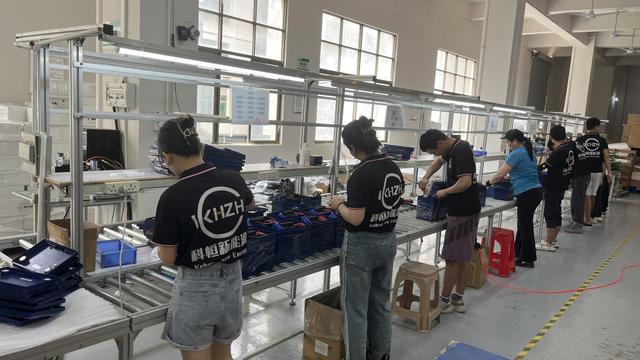
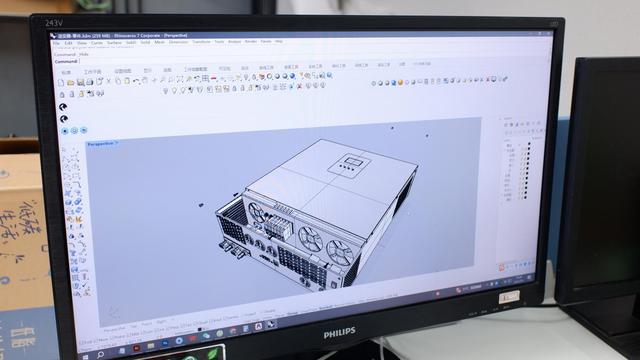
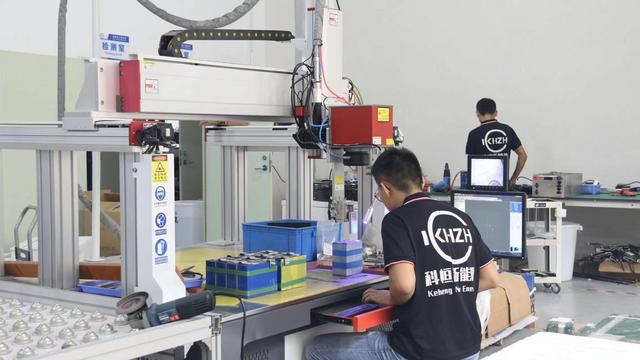
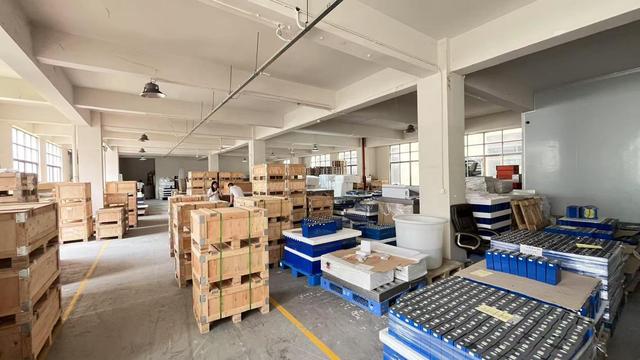
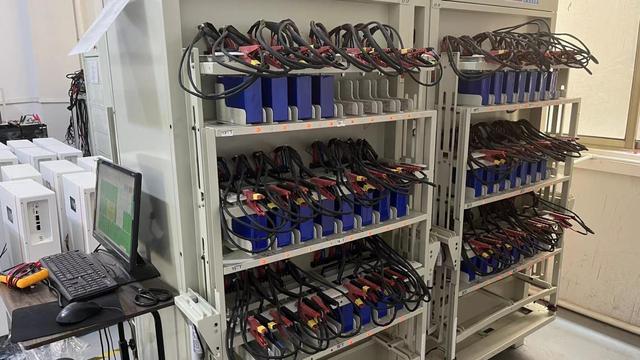
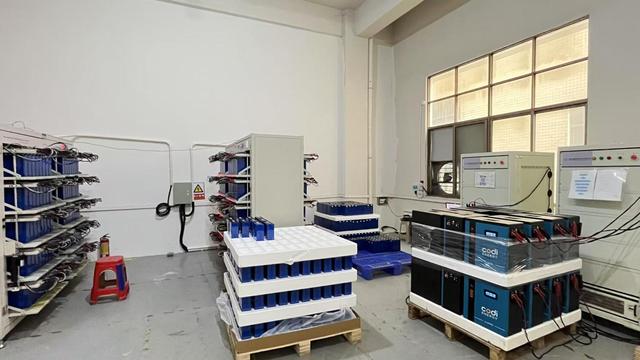
As a leading energy storage system manufacturer based in Hangzhou, China, Hangzhou CCSC Energy Co., Ltd. specializes in advanced battery energy storage systems (BESS), renewable energy integration, and smart energy management platforms. The company provides complete, end-to-end services from initial system engineering and design to automated manufacturing and global technical support. Our manufacturing processes benefit from localized supply chains, high-volume production efficiencies, and strict quality control protocols.
Our engineering teams work closely with global project developers, EPC contractors, and energy service providers. This collaboration ensures that all BESS units align with regional grid requirements, safety regulations, and environmental standards (such as UL 9540A and CE). By integrating advanced battery management systems (BMS) with real-time SCADA software, CCSC Energy produces high-performance systems designed to operate reliably in diverse climates, from arid deserts to coastal regions.
Strategic guidelines for EPCs, utilities, and enterprise sourcing managers evaluating capital investments in BESS.
Procuring utility-scale energy storage requires evaluating more than just upfront capital expenditure (CAPEX). Project developers and financial institutions prioritize Levelized Cost of Storage (LCOS), round-trip efficiency (RTE), and long-term degradation rates. Choosing systems with certified cells, robust thermal management, and reliable warranty support ensures the system remains bankable and financially viable over its planned operational life.
CCSC Energy helps global clients optimize their Total Cost of Ownership (TCO) through several key practices:
Technical answers to help engineers, developers, and purchasing agents select the right system configurations.
Integrating mission-critical data management platforms with sustainable network backup infrastructure.
 CCSC Energy