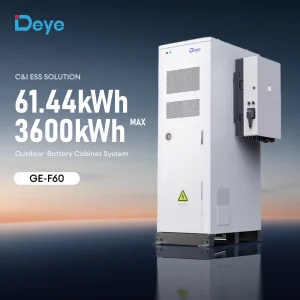
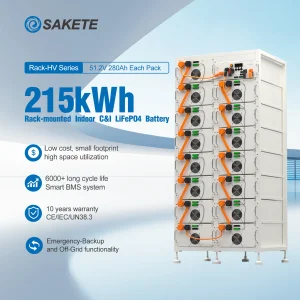
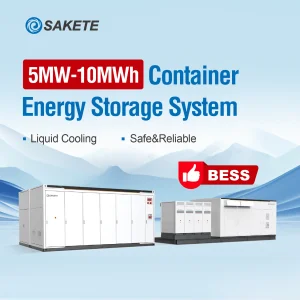
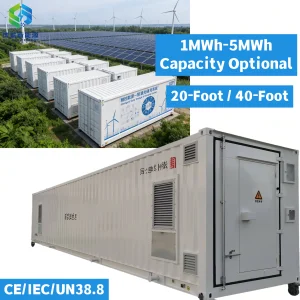
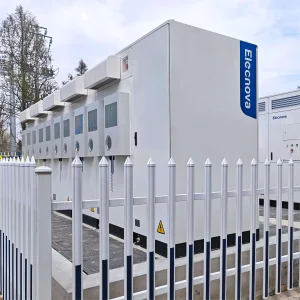
As the international community transitions away from carbon-intensive power sources, the deployment of Battery Energy Storage Systems (BESS) has shifted from an emerging technological alternative to a cornerstone of modern power grid architecture. Modern BESS factories are highly sophisticated, digitized complexes designed to solve the inherent intermittency of renewable energies like solar and wind. To support this paradigm shift, manufacturers are forced to abandon traditional mass assembly lines and transition to precise, smart factories characterized by ultra-controlled cleanroom environments, strict EOL (End of Line) automated quality testing, and digital supply chain architectures.
An industrial BESS is not merely a collection of simple batteries; it is a highly integrated, multi-layered ecosystem encompassing cell assemblies, high-voltage battery modules, advanced Battery Management Systems (BMS), thermal regulation cabinets (liquid or air cooled), Power Conversion Systems (PCS), and automated fire suppression systems. A world-class BESS factory coordinates these disciplines under one roof, utilizing automation and digitalization to deliver predictable performance over a lifecycle of 10 to 20 years.
SEO Insight & Information Gain: When sourcing equipment for commercial, industrial, or utility projects, global engineering firms do not merely evaluate battery cell density. They evaluate the BESS manufacturing plant's technical standards. An optimized factory infrastructure is directly correlated with system reliability, thermal runaway mitigation, and the long-term Levelized Cost of Storage (LCOS).
Hangzhou CCSC Energy Co., Ltd. is a professional Energy Storage System Manufacturer specializing in battery energy storage, renewable power integration, and smart energy solutions for residential, commercial, industrial, and utility-scale applications. Based in Hangzhou, China, the company focuses on developing advanced energy storage technologies that help customers improve energy efficiency, enhance power reliability, and support the transition toward sustainable energy systems.
With expertise in energy storage engineering and system integration, CCSC Energy provides comprehensive solutions covering battery energy storage systems (BESS), renewable energy storage integration, commercial and industrial energy storage, backup power systems, microgrid applications, distributed energy infrastructure, and intelligent energy management platforms. Its solutions are designed to support a wide range of applications, including solar energy utilization, peak demand management, grid stabilization, emergency power supply, and energy cost optimization.
The company is committed to delivering safe, efficient, and scalable energy storage solutions tailored to the needs of modern energy users. Its engineering team works closely with customers, project developers, EPC contractors, and energy service providers to design systems that align with specific operational requirements, performance objectives, and regulatory standards. From project planning and system design to manufacturing and technical support, CCSC Energy offers comprehensive services throughout the project lifecycle.
Equipped with advanced manufacturing facilities and stringent quality management processes, the company emphasizes product reliability, operational safety, and long-term performance. Continuous investment in research and development enables CCSC Energy to integrate intelligent monitoring technologies, advanced battery management systems, and smart energy control platforms into its solutions.
Serving customers across Asia, Europe, North America, South America, the Middle East, and other global markets, Hangzhou CCSC Energy Co., Ltd. is dedicated to providing innovative energy storage solutions that support renewable energy adoption, strengthen power resilience, and contribute to a more efficient and sustainable energy future.
The concentration of BESS factories in China, particularly in high-tech manufacturing corridors like Hangzhou, is not a matter of lower labor costs but of superior supply chain integration and automated production capability. A true Factory 4.0 relies on end-to-end trace systems, automation, and optimized material supply. Because China manufactures over 75% of the world’s lithium-ion batteries, factories in the region benefit from an immediate, localized ecosystem containing cathode/anode processing, advanced electrolyte refinement, precision BMS hardware fabrication, and sheet-metal enclosure construction.
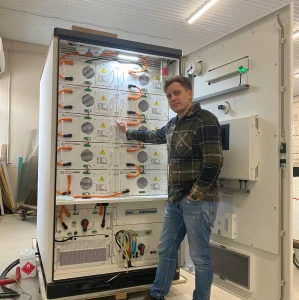
Modern BESS factories employ state-of-the-art robotic systems to handle cell sorting, module packing, and automated laser welding for copper busbars. By eliminating manual welding, manufacturers achieve structural consistency and incredibly low contact resistance (less than 0.2mΩ), preventing localized heat hotspots.
Atmospheric impurities are the leading cause of internal short circuits and premature aging in lithium cells. Leading factories integrate Class 100,000 cleanrooms with strictly monitored humidity levels (Dew Point ≤ -40°C) to prevent moisture contamination during cell pairing and pack integration.
By leveraging direct access to core chemical suppliers and local components, China BESS factories insulate global buyers from production delays. Raw LFP cell procurement, thermal management components, and system housing fabrication are co-located, reducing transit lead times by up to 45% compared to western factories.
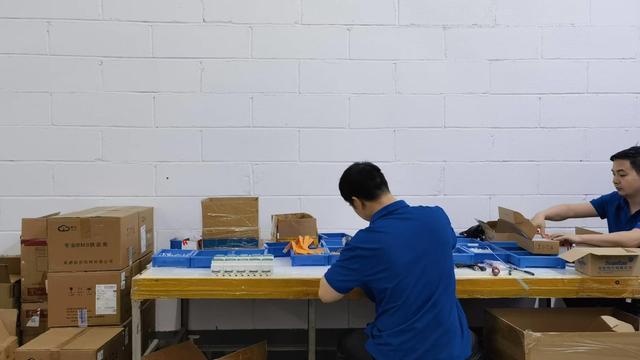
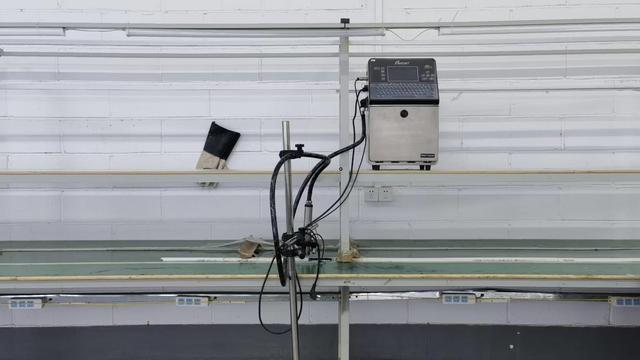
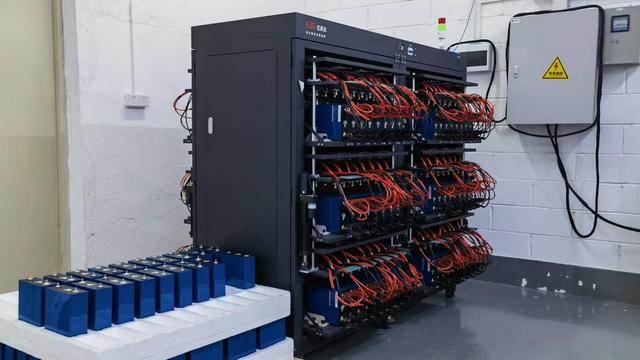
Explore our state-of-the-art assembly facilities, automated testing systems, and high-capacity storage integration lines.
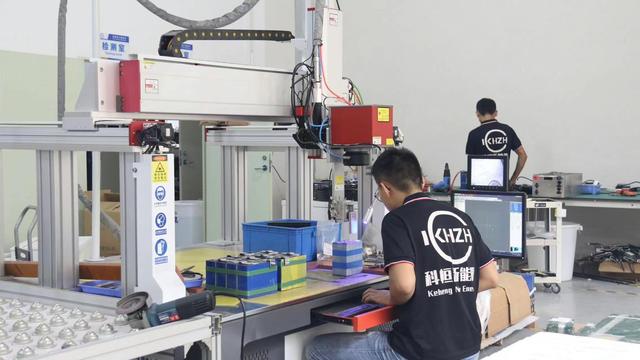
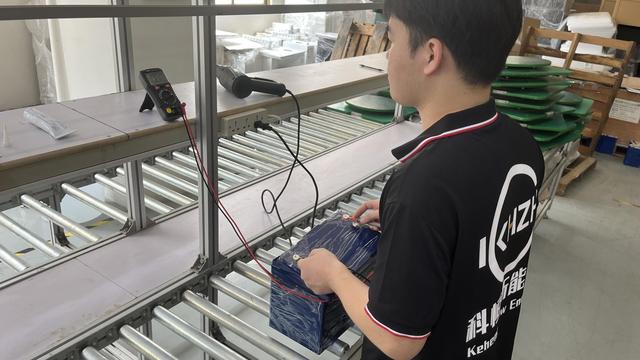
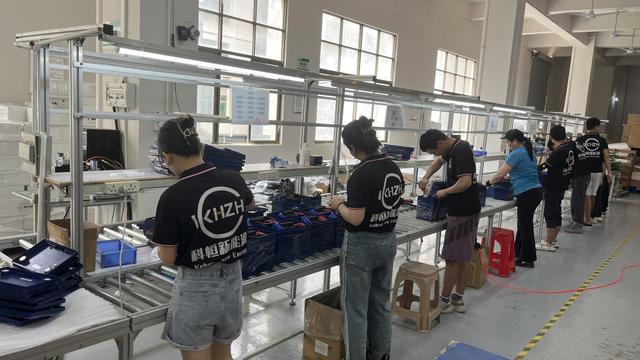
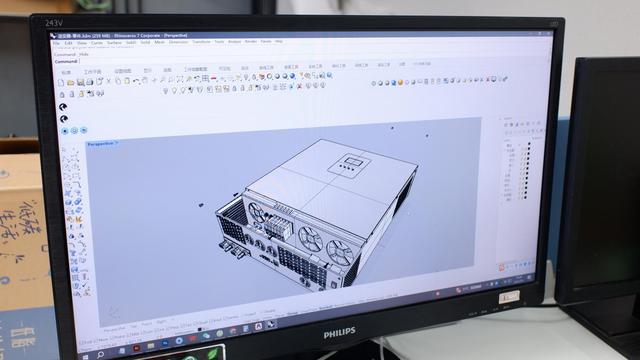
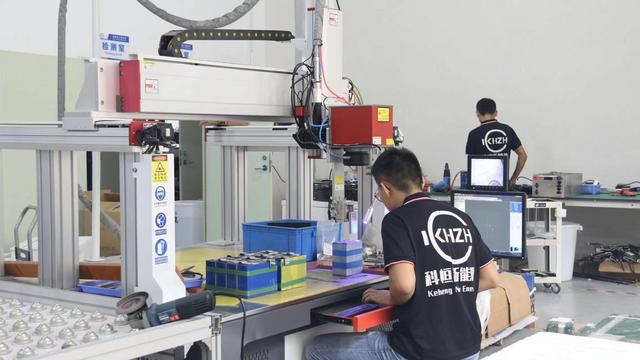
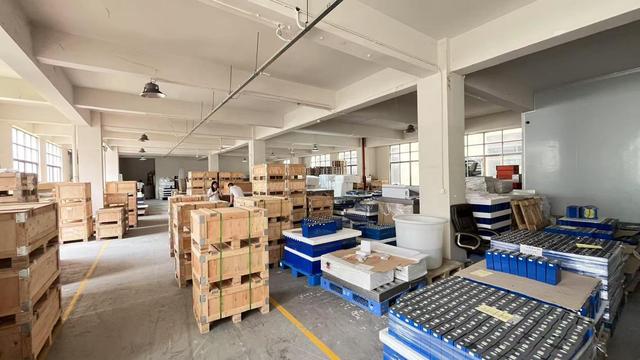
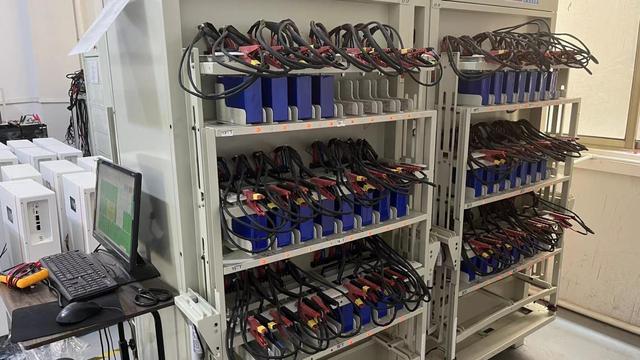
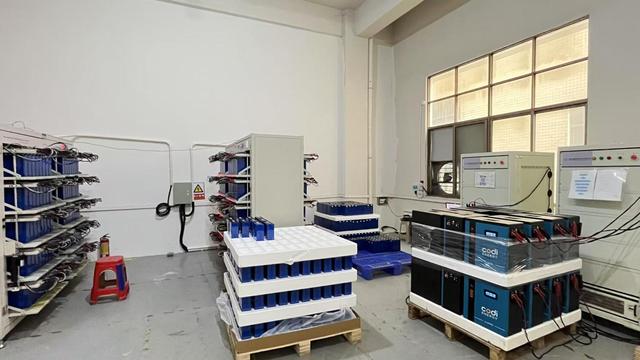
The BESS landscape is marked by rapid design iterations. As utility operators and commercial managers request higher energy densities within standard footprint limits, factories have adapted their development strategies around several primary fields:
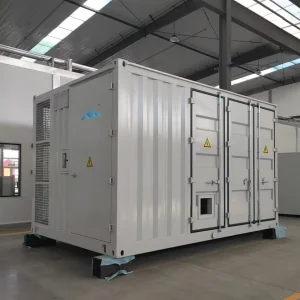
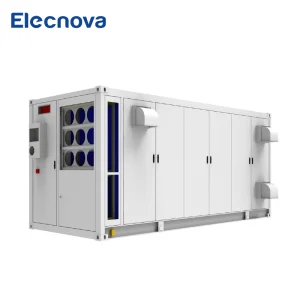
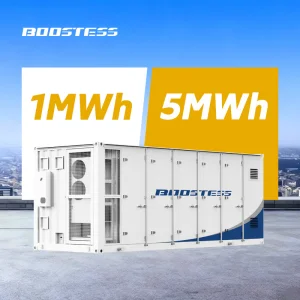
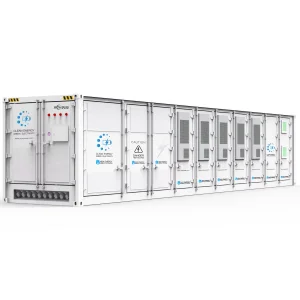
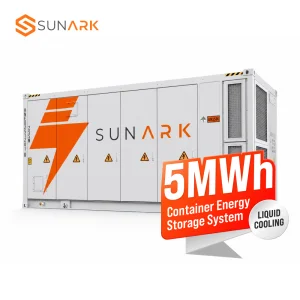
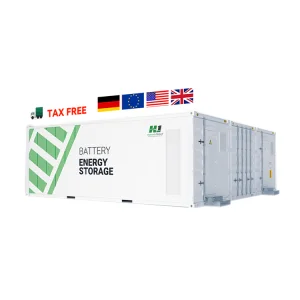
Historically, forced-air cooling was the standard methodology for temperature regulation in battery cabinets. However, air cooling struggles to maintain cell-to-cell temperature variations under 3°C, which accelerates degradation. Advanced systems now utilize liquid-cooling plates that run a water-glycol mixture directly beneath or between cell blocks. Liquid-cooled BESS designs increase thermal transfer efficiency by up to 25 times relative to air, reduce internal fan power consumption, and allow manufacturers to achieve up to 5MWh of capacity inside a single, standard 20-foot shipping container.
By bypassing heavy internal module frames and integrating cells directly into the final structural pack, contemporary factories are dramatically improving mass energy density. CTP eliminates up to 40% of the auxiliary structural components, reducing the weight of the system, lowering manufacturing costs, and leaving more space for active materials.
Modern BESS installations are heavily reliant on multi-tier BMS configurations:
• Slave BMS (BMU): Collects individual cell voltage, resistance, and temperature.
• Master BMS (CBMS): Evaluates module balance and manages overall safety parameters.
• System-Level BMS (SBMS): Interfaces with the local PCS and SCADA networks.
Leading manufacturers are pairing these hardware layers with Cloud AI interfaces that forecast state of health (SOH) and flag thermal runaway patterns hours before physical sensors register abnormalities.
Modern grid operators face severe challenges from shifting power demand curves, leading to massive grid instability. BESS solutions act as the critical buffer, operating in several major deployment roles:
Heavy manufacturers face high peak-demand charges. By discharging the BESS during peak periods and recharging during off-peak windows, enterprises cut operational energy bills, balance localized transformer loads, and secure a reliable backup power supply.
Maintaining a precise AC frequency (50/60Hz) is crucial for grid health. Large-scale battery installations respond within milliseconds to dynamic load fluctuations, injecting or absorbing real power to stabilize the transmission system far more efficiently than thermal power plants.
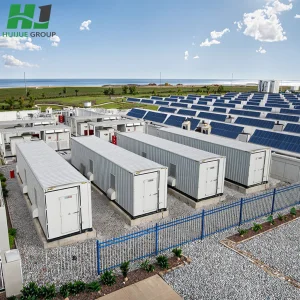
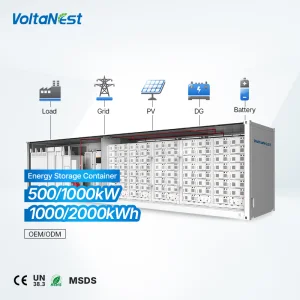
For remote industrial complexes, mining projects, and island regions, diesel generation is expensive and carbon-heavy. A containerized BESS coupled with photovoltaic systems provides a clean 24/7 microgrid, storing solar power generated during the day for use throughout the night.
Entering the international BESS market requires navigating a complex web of strict safety, grid connection, and environmental regulations. A professional factory must demonstrate compliance at the component, module, and full container level. Because thermal runaway is a primary concern for local fire marshals, factories must validate their safety credentials with globally recognized testing certifications.
To qualify for installation, systems must achieve UL 9540 (standard for energy storage systems) and pass the rigorous UL 9540A testing at the cell and module level, proving that localized thermal runaway cannot cascade into a full system fire. Enclosures must feature automated clean gas fire suppression systems (like Novec 1230 or FM200) coupled with water sprinkler hookups and deflagration vents.
Every national power authority maintains specific interconnection requirements. BESS factories must integrate components certified to IEEE 1547 and UL 1741 in North America, or VDE-AR-N 4110 in European markets, ensuring active frequency support, low-voltage ride-through (LVRT), and secure communication protocols (like Modbus TCP/DNP3) with utility operators.
Procuring utility-scale or heavy commercial BESS products is a long-term capital decision. Buyers must structure their requests for proposal (RFP) around core lifecycle metrics rather than baseline manufacturing prices. Use this professional factory assessment framework to verify your prospective BESS partner:
Ensure the manufacturer uses Tier-1 LFP cells certified by IEC 62619 and UL 1973. Request factory test reports verifying cycle durability at specific temperatures (e.g., 6000 cycles at 25°C with 80% Depth of Discharge).
Evaluate the parasitic load of the heating, ventilation, and air conditioning (HVAC) or liquid cooling loops. High parasitic power consumption translates directly to lower round-trip efficiency (RTE) and increased operational expenses (OPEX).
Determine the level of diagnostic support provided. A modern system should allow remote firmware updates, cellular/satellite telemetry feeds, and real-time alerts down to individual cell voltage irregularities.
 CCSC Energy