Explore our top-tier integrated system offerings designed for high efficiency, scalability, and long-term durability in modern grid architectures.
Hangzhou CCSC Energy Co., Ltd. is a professional Energy Storage System Manufacturer specializing in battery energy storage, renewable power integration, and smart energy solutions for residential, commercial, industrial, and utility-scale applications. Based in Hangzhou, China, the company focuses on developing advanced energy storage technologies that help customers improve energy efficiency, enhance power reliability, and support the transition toward sustainable energy systems.
With expertise in energy storage engineering and system integration, CCSC Energy provides comprehensive solutions covering battery energy storage systems (BESS), renewable energy storage integration, commercial and industrial energy storage, backup power systems, microgrid applications, distributed energy infrastructure, and intelligent energy management platforms. Its solutions are designed to support a wide range of applications, including solar energy utilization, peak demand management, grid stabilization, emergency power supply, and energy cost optimization.
Continuous investment in research and development enables CCSC Energy to integrate intelligent monitoring technologies, advanced battery management systems (BMS), and smart energy control platforms into its solutions. By bridging the gap between fluctuating green power generation and high-intensity localized grid draws, we stand as a premier strategic partner for global energy developers, EPC contractors, and municipal planners.
"We work closely with customers, project developers, EPC contractors, and energy service providers to design systems that align with specific operational requirements, performance objectives, and regulatory standards. From project planning and system design to manufacturing and technical support, CCSC Energy offers comprehensive services throughout the project lifecycle."
The convergence of electromobility and utility-scale storage represents the next paradigm shift in grid balancing and carbon mitigation.
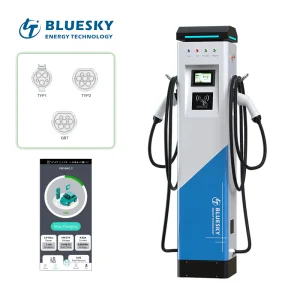
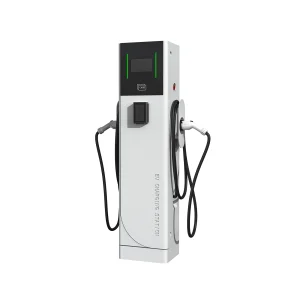
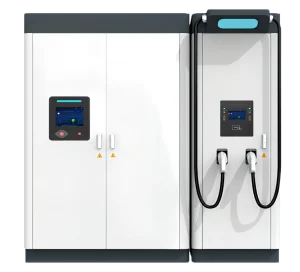
Ultra-fast DC charging stations impose massive spikes on local grids. Integrating localized BESS prevents grid upgrade costs, allowing stations to draw steady baseline power while delivering high-output bursts to vehicles during peak demand hours.
Charging batteries during off-peak periods when energy rates are low and discharging them during peak hours cuts energy costs significantly. This practice improves station profitability and reduces Levelized Cost of Storage (LCOS).
New European Union guidelines and US EPA mandates push for verifiable zero-emission transport loops. Coupling PV arrays with modular LFP battery storage ensures electric vehicles are charged with clean, solar-generated power.
Bidirectional DC configurations enable EVs to act as distributed energy assets. Using standards like ISO 15118, integration platforms can pull stored energy back from idle vehicles during grid emergencies, creating new revenue streams.
In the transition toward sustainable energy systems, the convergence of high-voltage electric vehicle (EV) charging infrastructures and battery energy storage systems (BESS) represents a critical milestone. As ultra-fast DC charging stations (ranging from 150kW to 360kW and beyond) become the standard, the localized electrical grid faces challenges. Rapid high-output consumption causes voltage drops, harmonic distortion, and high peak-demand charges. For commercial fleet operators, retail centers, and logistics hubs, resolving these challenges requires a shift from passive grid consumption to an active energy orchestration system.
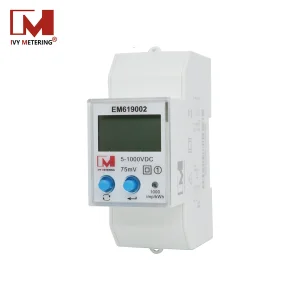
A BESS integrated with an EV charging terminal acts as a buffer. The system stores energy during low-demand periods and discharges it during high-capacity events. In physics terms, this reduces the rate of change of power demand ($\Delta P / \Delta t$) requested from the local distribution transformer. This prevents thermal degradation of upstream cables and avoids utility demand penalties. With integrated smart metering—utilizing high-precision bidirectional DC energy meters with RS485 communication protocols—real-time sub-metering allows station managers to monitor performance down to individual battery cells and charging outlets.
Maintaining battery temperature is crucial for the safety and lifespan of lithium-iron-phosphate (LFP) chemistries. Standard operations generate substantial heat during rapid charge and discharge cycles. CCSC Energy addresses this with advanced liquid-cooled solutions alongside traditional air-cooled setups:
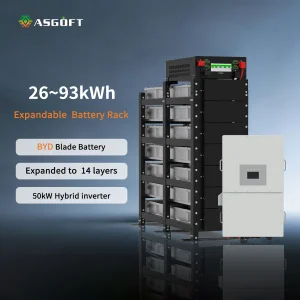
To reduce transmission losses, modern energy storage systems are moving toward higher voltages (350V to 800V DC). Leveraging advanced chemistries like the BYD Blade Battery—renowned for its structural safety, high energy density, and high thermal runaway threshold—systems can achieve longer operational runtimes. This high-voltage setup allows direct DC-to-DC conversion, minimizing conversions between AC and DC. This raises the overall round-trip efficiency (RTE) to over 88-92%.
Helping EPC contractors, project managers, and utility buyers evaluate quality, risk, and deployment readiness.
Strategic buyers prioritize operational longevity. Our BESS designs leverage tier-1 A-grade LFP cells rated for 6,000+ charge cycles at 80% Depth of Discharge (DoD), ensuring strong long-term returns on investment.
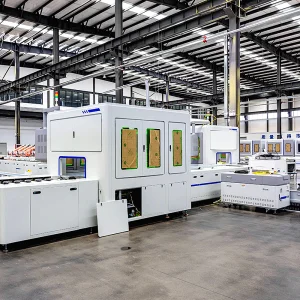
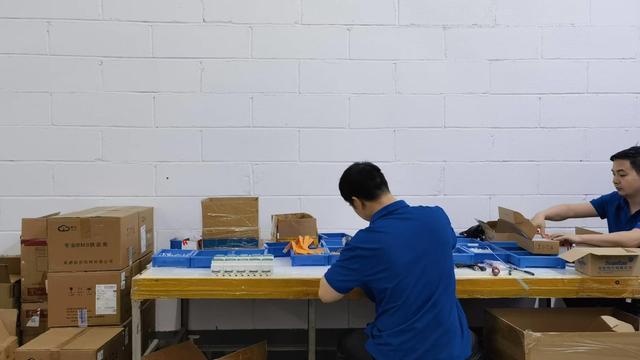
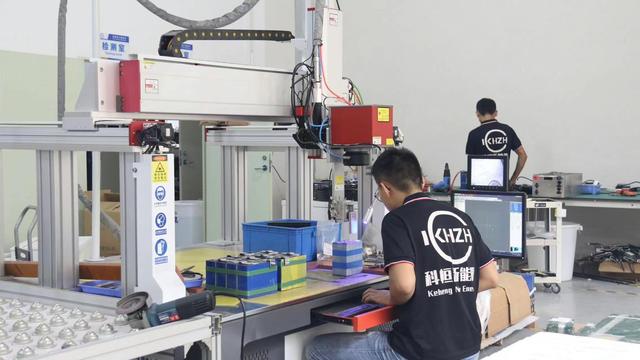
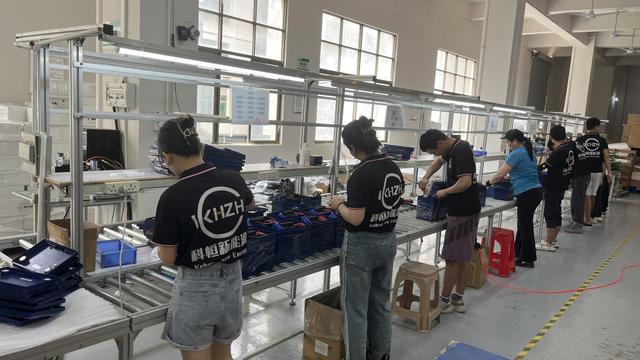
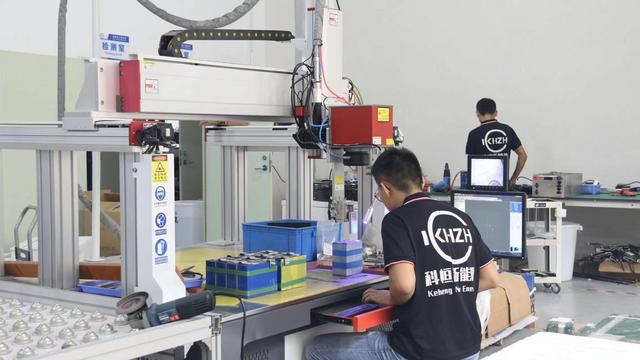
We support customers from early-stage design to mass production. Our turnkey automated assembly lines ensure consistent build quality, reliable deliveries, and scalable production for large projects.
Open communication interfaces are essential. Our solutions support OCPP 1.6J/2.0.1, Modbus TCP/RTU, and CAN communication, ensuring smooth integration with existing charge point operators (CPOs) and EMS systems.
Engineered setups for diverse commercial, industrial, and residential applications worldwide.
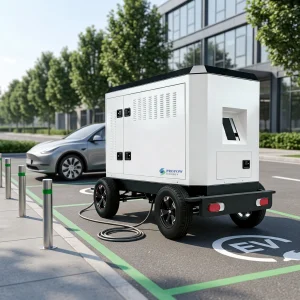
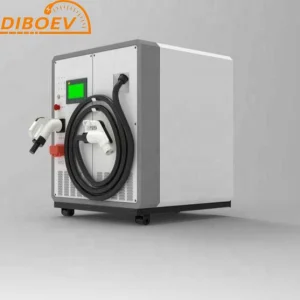
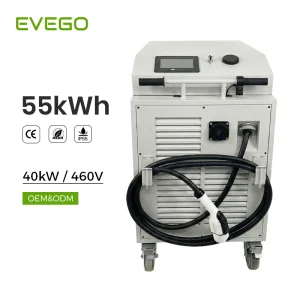
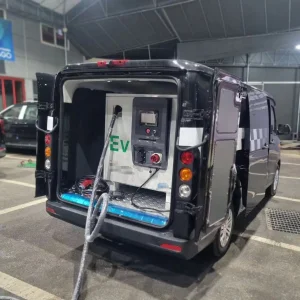
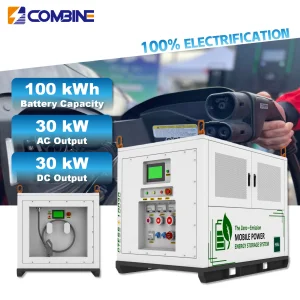
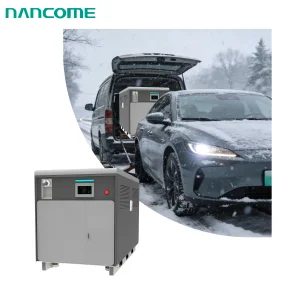
Our wheeled and trailer-mounted mobile charging systems (from 30kWh to 216kWh) provide reliable emergency charging for EVs in remote, off-grid locations or during disaster recovery operations.
For factories and commercial complexes, we integrate solar PV generation, industrial-grade storage containers, and rapid EV charging piles to build self-contained microgrids that optimize energy costs.
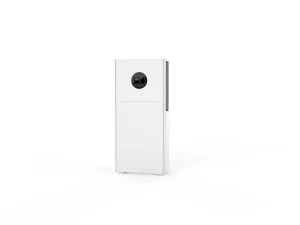
Our high-voltage, stackable home energy storage systems (compatible with BYD Blade cells) pair with hybrid solar inverters to power homes and domestic EV chargers reliably.
Exporting complex energy systems requires compliance with strict safety and grid regulations. Hangzhou CCSC Energy Co., Ltd. ensures all units are fully certified for their respective destination markets. From EU CE compliance to North American UL standards, our products undergo thorough design verification and quality control before dispatch.
Our products carry key certifications including CE, IEC 62619, IEC 62109, UN38.3, and UL 9540A thermal runaway safety test compliance, clearing customs roadblocks and easing local approval processes.
We build systems that comply with global grid-tie standards, such as G99 for the UK and IEEE 1547 for North America, ensuring safe and stable utility connections.
We are constantly refining our technology to stay ahead of the curve. Our R&D focuses on higher system efficiency, improved thermal stability, and smarter software integration. As battery chemistry evolves, our systems are built to adapt, keeping your investment future-proof.
Transitioning from 1000V to 1500V DC architectures helps reduce energy losses and cable thickness, saving on system costs while boosting power density.
We are designing our next-gen BMS to support semi-solid-state and solid-state batteries, paving the way for even higher safety margins and energy densities.
Integrating advanced machine learning models allows our systems to analyze local weather forecasts, grid load trends, and energy pricing to optimize battery charging schedules automatically.
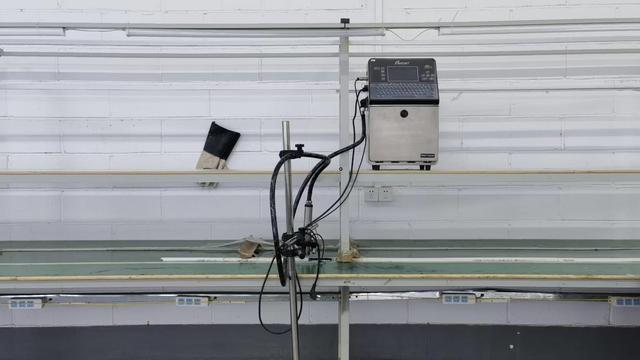
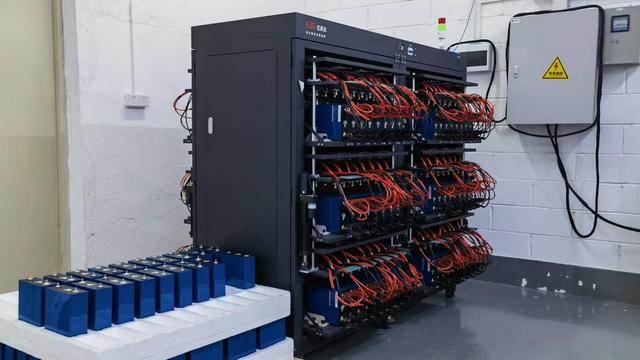
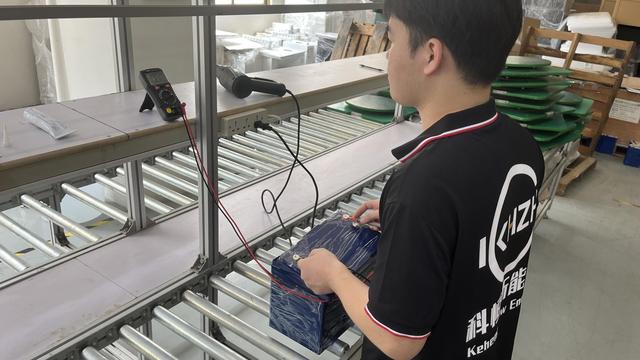
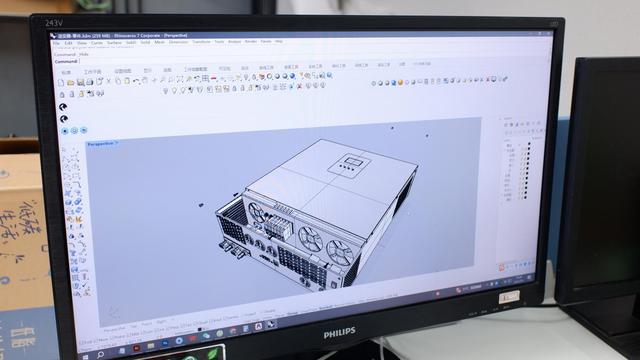
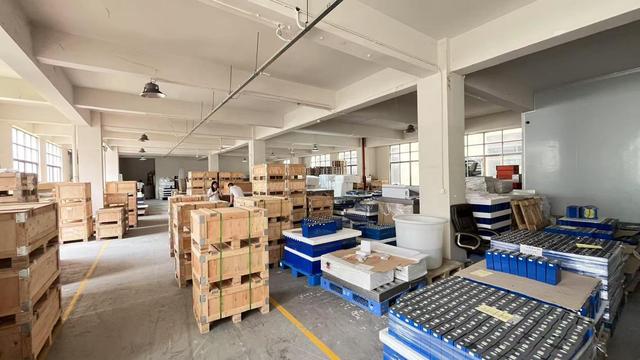
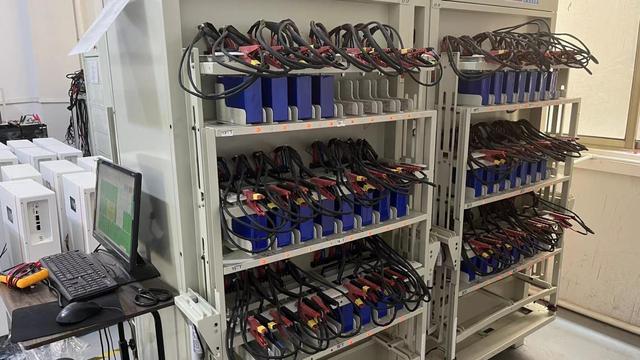
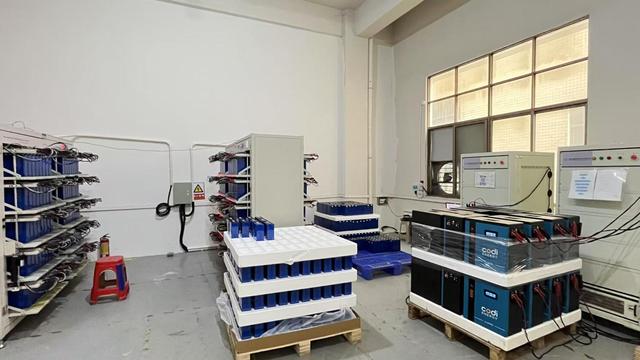
A look inside our state-of-the-art facility, demonstrating our capacity to deliver high-quality, reliable systems globally.
Answers to common technical, operational, and commercial questions from our global customers.
Integrating battery energy storage systems (BESS) allows stations to cache energy during low-demand periods and deliver high-output power when a vehicle is charging. This peak-shaving capability avoids high peak-demand utility charges and prevents grid overload, bypassing the need for expensive grid infrastructure upgrades.
Liquid cooling systems circulate a coolant loop to keep cell-to-cell temperature variations within 3°C, extending battery life and efficiency under high-power operations. Air cooling is simpler and more cost-effective, making it ideal for systems under 60kWh or installations with moderate cycling demands.
Yes, we provide full turnkey battery assembly lines and customized engineering services. We work closely with EPC developers and project managers to tailor battery chemistry, form factor, and software parameters to meet specific project demands.
Absolutely. Our residential-scale solutions, such as our high-voltage units compatible with BYD Blade batteries, feature multi-inverter communication protocols that integrate easily with existing home solar setups.
We use high-precision bidirectional DC meters with RS485 communication, supporting Modbus TCP/RTU, CAN, and OCPP 1.6J/2.0.1. This ensures full system transparency and allows station managers to track energy data in real time.
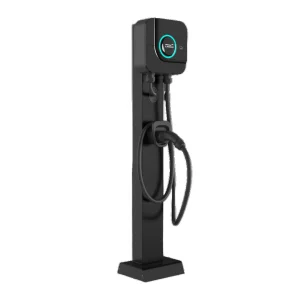
High-voltage battery assemblies, smart meters, and mobile charging systems engineered for reliable grid-tied or off-grid performance.
 CCSC Energy