Engineered for immediate transient load response, long-cycle durability, and smart grid synchronization.
A deep dive into Hangzhou CCSC Energy's manufacturing mission and core technical competencies.
"In the transition toward highly distributed, volatile energy grids, the difference between failure and continuity relies entirely on the design, integration, and reliability of the backup energy system."
Hangzhou CCSC Energy Co., Ltd. is a professional Energy Storage System Manufacturer specializing in battery energy storage, renewable power integration, and smart energy solutions for residential, commercial, industrial, and utility-scale applications. Based in Hangzhou, China, the company focuses on developing advanced energy storage technologies that help customers improve energy efficiency, enhance power reliability, and support the transition toward sustainable energy systems.
With expertise in energy storage engineering and system integration, CCSC Energy provides comprehensive solutions covering battery energy storage systems (BESS), renewable energy storage integration, commercial and industrial energy storage, backup power systems, microgrid applications, distributed energy infrastructure, and intelligent energy management platforms. Its solutions are designed to support a wide range of applications, including solar energy utilization, peak demand management, grid stabilization, emergency power supply, and energy cost optimization.
The company is committed to delivering safe, efficient, and scalable energy storage solutions tailored to the needs of modern energy users. Its engineering team works closely with customers, project developers, EPC contractors, and energy service providers to design systems that align with specific operational requirements, performance objectives, and regulatory standards. From project planning and system design to manufacturing and technical support, CCSC Energy offers comprehensive services throughout the project lifecycle.
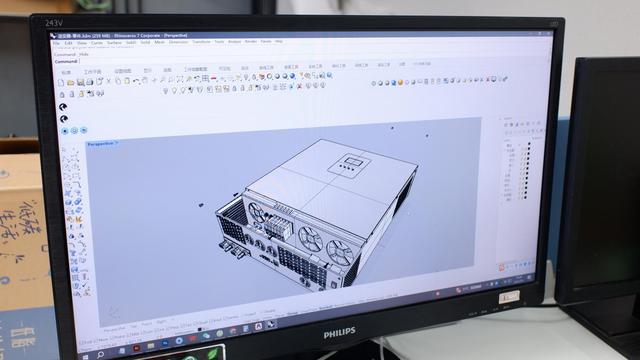
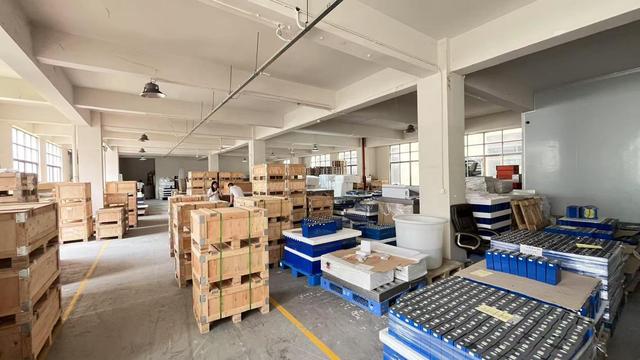
Equipped with advanced manufacturing facilities and stringent quality management processes, the company emphasizes product reliability, operational safety, and long-term performance. Continuous investment in research and development enables CCSC Energy to integrate intelligent monitoring technologies, advanced battery management systems, and smart energy control platforms into its solutions.
Serving customers across Asia, Europe, North America, South America, the Middle East, and other global markets, Hangzhou CCSC Energy Co., Ltd. is dedicated to providing innovative energy storage solutions that support renewable energy adoption, strengthen power resilience, and contribute to a more efficient and sustainable energy future.
Evaluating the macro factors driving global demand for ultra-reliable backup power architectures.
Across North America, Europe, and parts of Asia, centralized electrical grids are facing unprecedented stress from extreme weather patterns, high thermal limits, and aging distribution infrastructure. For critical infrastructure, utility-scale brownouts represent catastrophic operational loss. High-capacity, automated backup systems act as the primary defense against power quality anomalies.
Industrial facilities are subjected to extreme financial penalties for peak-period electricity consumption. Modern commercial energy storage systems serve a dual function: securing emergency power reserves while executing peak-shaving operations. These processes lower overall demand charges by discharging stored solar energy during regional peak tariff windows.
With the global push toward Net-Zero carbon thresholds, relying on diesel backup generators is no longer a viable long-term compliance strategy. Green regulations in regions like Europe and North America incentivize battery-based backups that integrate seamlessly with clean local solar generation assets, cutting both Scope 1 emissions and grid dependence.
How advanced battery chemistries and intelligent management layers are shaping energy stability.
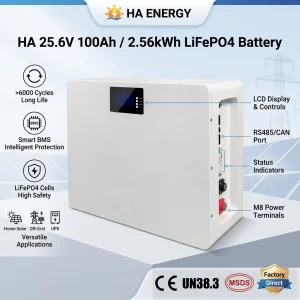
Lithium Iron Phosphate (LFP) is the current gold standard for commercial and residential stationary storage due to its exceptional thermal stability and minimal risk of runaway combustion. CCSC Energy leverages high-grade, modular LiFePO4 cells to ensure thousands of full discharge cycles without significant volumetric degradation.
Looking toward the horizon, sodium-ion technology is emerging as a strong contender for low-cost, cold-weather stationary storage applications. With abundant raw materials and excellent low-temperature discharge characteristics, sodium-ion chemistries represent the next iteration of cost-optimized backup systems.
Modern energy systems are no longer passive assets. The incorporation of IoT chips and cloud-based Battery Management Systems (BMS) allows manufacturers to monitor state-of-health (SoH) at the individual cell level in real time.
By leveraging edge computing, systems automatically predict degradation, calculate operational thermal profiles, and even communicate with virtual power plant networks. This allows aggregated backup batteries to participate in grid frequency regulation programs, turning an emergency backup system into an active revenue-generating asset.
Adapting storage architectures to specific environmental and regional grid demands.
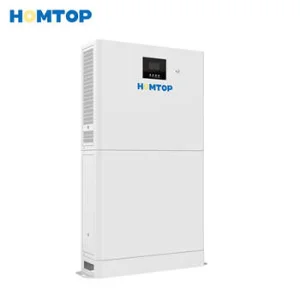
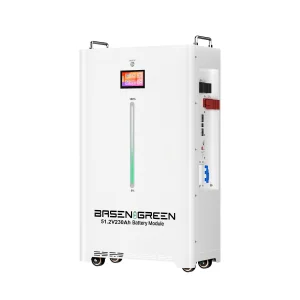
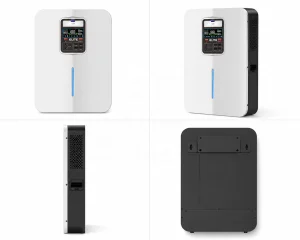
Designed for modular integration, residential lithium power walls (such as CCSC Energy’s 48V LFP systems) support off-grid solar storage. Homeowners in disaster-prone regions or areas with high grid vulnerability use these systems to maintain clean power for medical equipment, HVAC systems, and communication setups during extended blackouts.
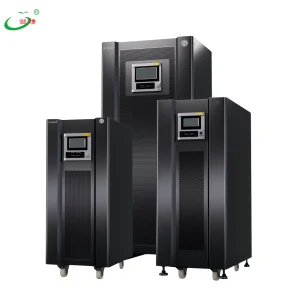
Data processing centers and clinical spaces rely on zero-tolerance transfer times. Using high-power double-conversion online UPS systems (e.g., 60KW industrial configurations), critical servers and surgical devices are isolated from sag, surge, and harmonic frequencies. In the event of grid collapse, the transition to local energy storage is completely seamless.
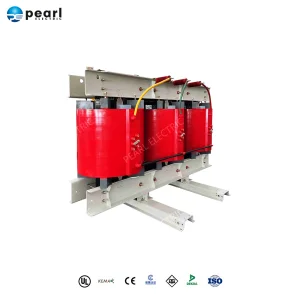
In remote geographic regions lacking standard grid connectivity, solar hybrid microgrids act as the primary generation and supply source. Heavy-duty boost transformer cabins and scale batteries provide steady 50Hz/60Hz clean power for crushing operations, machinery, and support facilities, significantly lowering fuel transport costs and runtime wear on diesel systems.
Why manufacturing partnerships rooted in Hangzhou's advanced technical corridor yield superior reliability.
China controls a massive portion of the world's lithium refining, anode/cathode production, and pack manufacturing capacity. Being located in Hangzhou positions CCSC Energy directly within this high-efficiency hardware ecosystem.
This physical proximity allows for accelerated prototyping cycles, immediate verification of chemical batch consistency, and direct control over component sourcing. By eliminating multi-tier international shipping steps, we drastically lower fabrication overheads, passing the direct cost benefits to commercial clients and project developers.
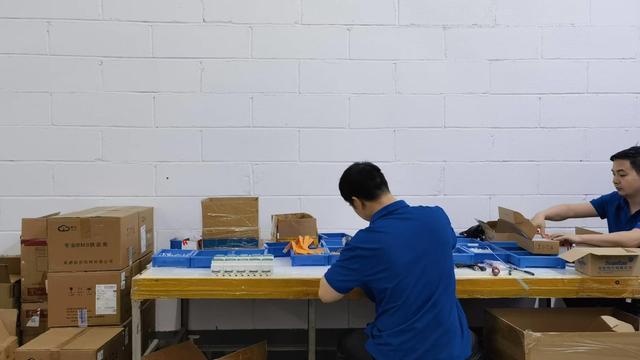
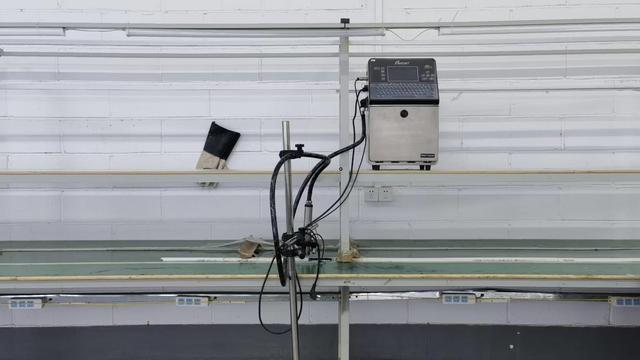
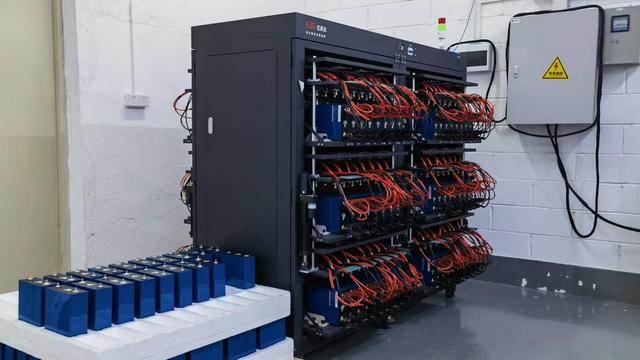
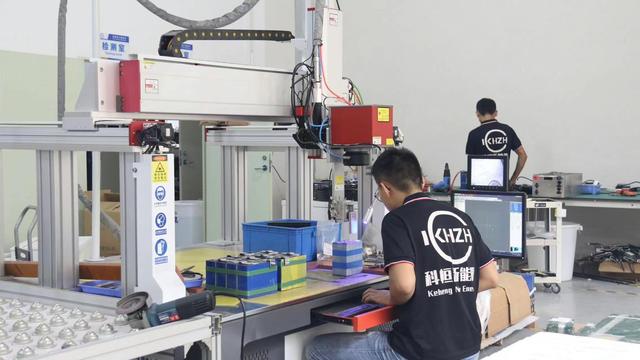
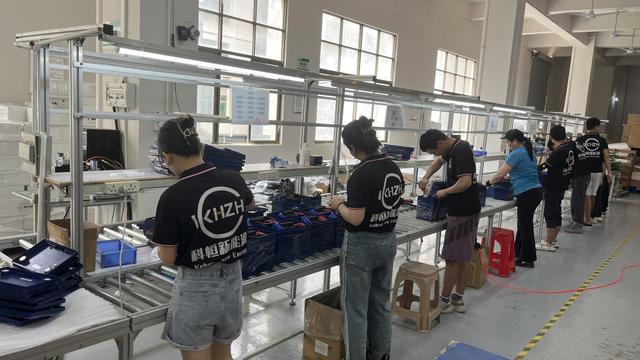
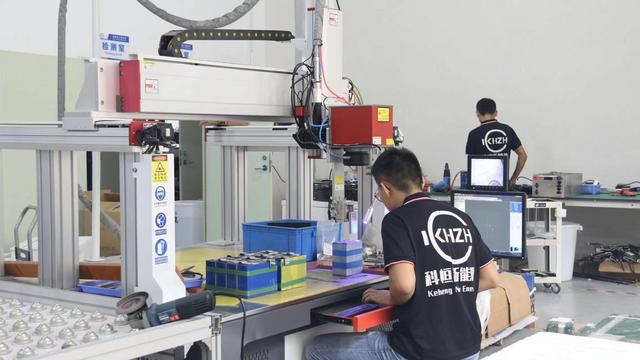
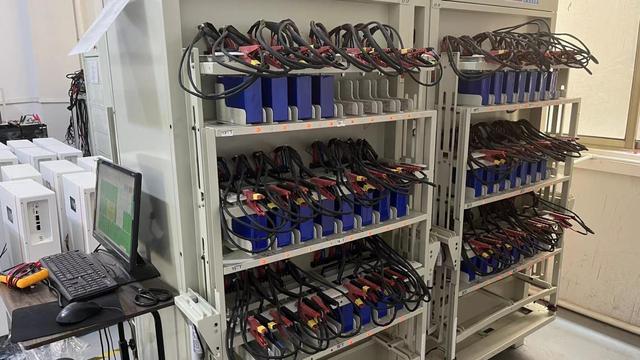
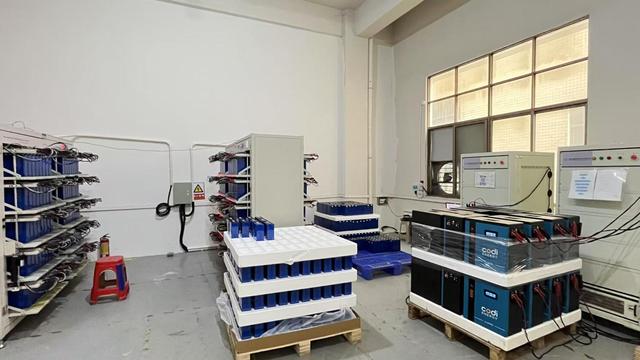
Leveraging Chinese manufacturing efficiency does not imply a compromise in quality. CCSC Energy operates ISO-compliant fabrication facilities utilizing automatic cell-sorting machines, precision laser welding, and automated aging cabinets.
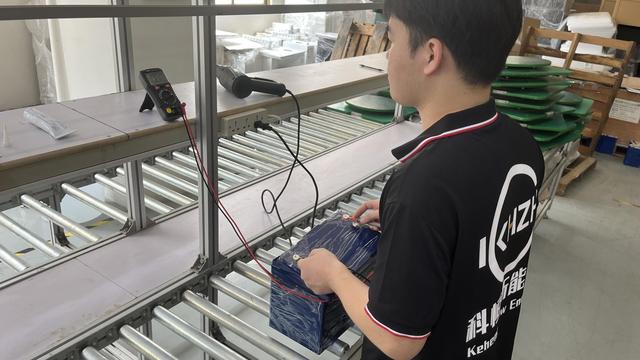
Each battery module undergoes comprehensive load testing, thermal cycle verification, and functional BMS testing before dispatch. This systematic approach guarantees that our battery modules consistently meet CE, UL, UN38.3, and IEC standardizations, ensuring ease of installation and smooth local utility grid connection.
Ensuring local system longevity through structural design compliance and proactive engineering.
Every country enforces specific grid interconnection standards (IEEE 1547 for North America, VDE-AR-N 4105 for Germany, etc.). Designing high-efficiency systems requires a thorough understanding of these dynamic regulations.
CCSC Energy designs internal BMS firmware to accommodate diverse utility profiles, enabling quick commissioning for active backup, peak-shaving, and clean export functionalities.
We recognize that backup battery storage is only one part of the overall electrical layout. Our team assists Engineering, Procurement, and Construction (EPC) contractors in optimizing battery sizing, thermal load mitigation, and system safety designs.
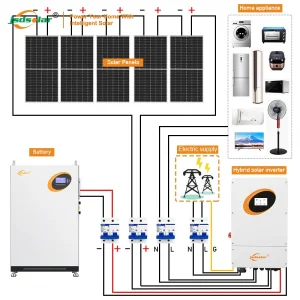
Whether coordinating DC-coupled solar setups or large AC-coupled industrial systems, our technical specialists ensure seamless operational compatibility.
A high-quality industrial backup energy storage system is a multi-decade investment. We offer proactive component warranty protection, firmware updates, and comprehensive system lifecycle consulting.
Through automated remote monitoring software, we help systems function safely and efficiently, maximizing ROI over the lifetime of the battery cells.
Technical answers to key inquiries regarding battery chemistry, sizing, and safety protocols.
LiFePO4 (Lithium Iron Phosphate) offers significantly higher energy density, lower weight, and a much longer operational lifespan. While lead-acid batteries typical survive 500 to 1,000 cycles, LFP cells deliver 5,000 to 8,000 cycles at 80% Depth of Discharge (DoD). Additionally, LFP batteries maintain stable discharge voltages and do not suffer from the "sulfation" issues typical of lead-acid units when left partially discharged.
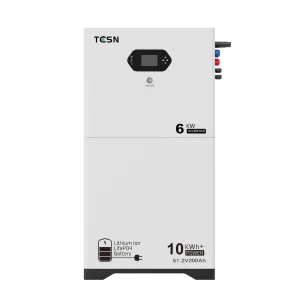
CCSC Energy's integrated all-in-one residential and commercial ESS systems feature dynamic transit switches that guarantee transition times of less than 10 milliseconds. This rapid switchover prevents sensitive electronics, server racks, and medical devices from resetting during sudden utility dropouts.
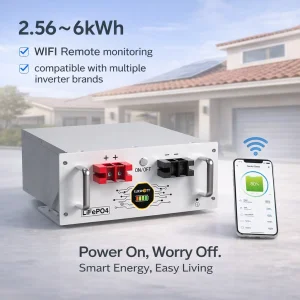
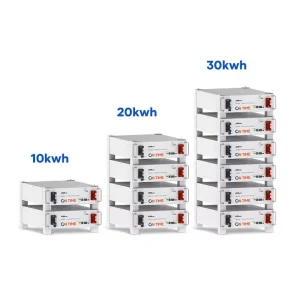
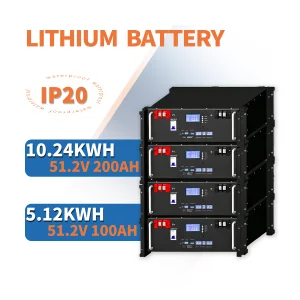
Yes, our modular system design allows for flexible expansion. You can connect multiple battery packs in parallel or series configurations (depending on the BMS design) to increase overall energy storage capability. Our smart battery racks automatically balance currents across added modules to ensure uniform charge and discharge rates.
Our products undergo stringent testing to meet international safety and transport criteria, including UN38.3, UL 1973 (for battery packs in stationary energy storage), UL 9540A (thermal runaway evaluation), IEC 62619, CE, and RoHS. These certifications verify system safety under extreme environmental and electrical stress.
The integrated control software actively monitors real-time utility rates. By configuring the unit to "time-of-use" mode, it charges the battery pack when electricity is cheapest (typically overnight) and discharges power to run local loads when rates peak. This active load management significantly reduces utility costs.
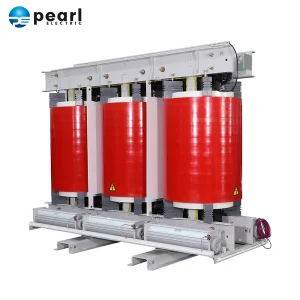
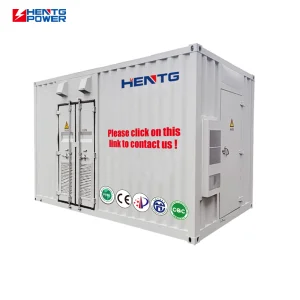
High-voltage transformers, integrated cabins, and utility distribution hardware designed for extreme operations.
 CCSC Energy