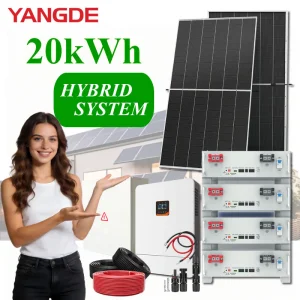
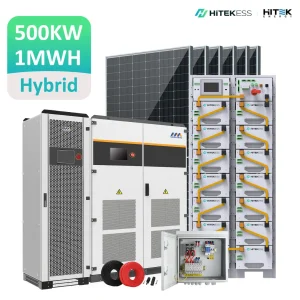
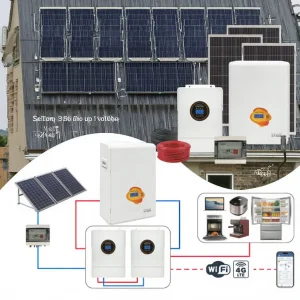
Explore our state-of-the-art battery modules, containerized ESS, and intelligent hybrid power systems optimized for global deployment.
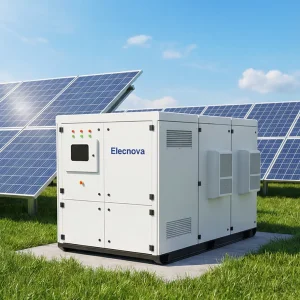
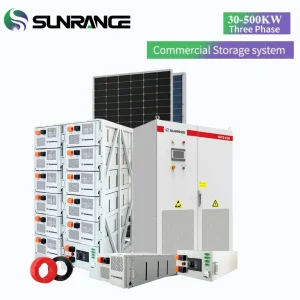
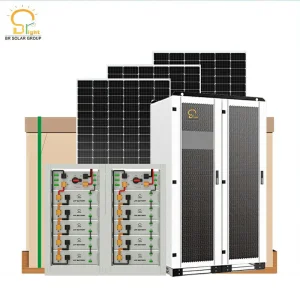
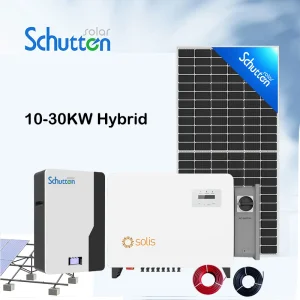
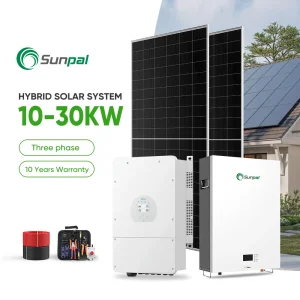
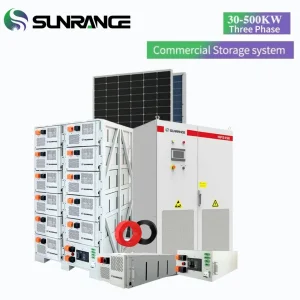
The global transition to a decarbonized, decentralized, and digitized power grid is placing unprecedented demands on energy storage technology. Traditional battery storage configurations—relying on a single chemistry type—increasingly face physical and economic limitations. In this context, Hybrid Energy Storage Systems (HESS) represent the ultimate design philosophy for utility, commercial, and industrial (C&I) applications.
By integrating different energy storage technologies, such as lithium-iron-phosphate (LiFePO4) batteries with supercapacitors, high-rate lithium Titanate (LTO) systems, or hybrid solar grid-tied inverters, HESS mitigates the downsides of individual storage systems. This technical synergetic design delivers high power density for rapid frequency response and massive energy density for prolonged load shifting. Hangzhou CCSC Energy Co., Ltd. stands at the forefront of this industrial shift, offering customized, vertically integrated hybrid system architectures designed for long-term operational viability.
A true hybrid energy system allows grid operators and commercial enterprises to decouple power delivery from energy capacity. Power-oriented components (like supercapacitors or high-C-rate batteries) handle short-term, violent power spikes and rapid frequency corrections. Meanwhile, energy-oriented units (like LiFePO4 cells) provide continuous backup during peak shaving or extended grid failures. The result is a drastically reduced degradation rate of primary battery cells and a significantly optimized Levelized Cost of Storage (LCOS).
The global market for hybrid energy storage is experiencing exponential growth, catalyzed by several major socio-economic and regulatory trends:
Modern hybrid projects are transitioning from grid-following to grid-forming systems. This ensures that in the event of major grid disruptions, the hybrid storage systems can act as independent voltage sources, stabilizing regional microgrids autonomously.
Thermal runaway risks are triggering strict regional fire codes. Advanced liquid-cooling mechanisms, multi-level aerosol-based fire suppression, and compliance with certifications like UL9540A, IEC 62619, and CE are mandatory criteria for global operators.
Integration of machine learning algorithms for predictive energy management allows systems to analyze historical weather data, grid tariff rates, and consumption patterns to optimize charging and discharging schedules dynamically.
Key operational benchmarks realized through the deployment of our advanced energy storage architectures.
Purchasing managers and EPC contractors looking to source hybrid storage solutions must navigate complex technical and geographic requirements. The primary objective is to select a manufacturing partner capable of delivering high-quality, long-lasting products that comply with local grid connection standards.
When evaluating manufacturers, global procurement teams focus on the following key metrics:
| System Scale | Ideal Application | Primary Chemistries | Typical C-Rate | Estimated Cycle Life |
|---|---|---|---|---|
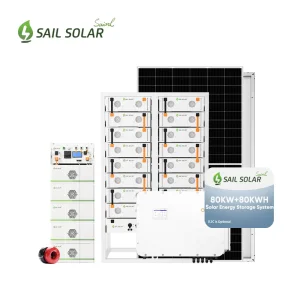
| C&I Modular (30kW - 100kW) | Small Factories, Commercial Offices, Peak Shaving | LiFePO4 + Intelligent Hybrid Inverter | 0.5C - 1.0C | 6,000+ @ 80% DoD |
| Microgrid Containerized (100kW - 500kW) | Remote Mining, Islands, Distribution Feeder Support | LiFePO4 + High-capacity Supercapacitors | 1.0C - 2.0C | 8,000+ @ 80% DoD |
| Utility Scale (0.5MW - 2MW+) | Substation Stabilization, Renewable Integration | LTO / LiFePO4 Hybrid Container Systems | 1.0C - 4.0C | 10,000+ @ 80% DoD |
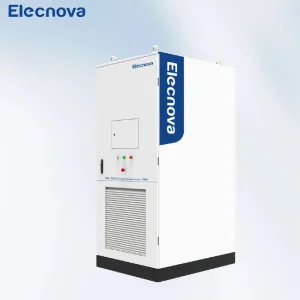
In locations isolated from the main electricity grid, companies traditionally rely on expensive diesel generators. Integrating a containerized HESS (e.g., 40FT 0.6MW 1.8MWh container systems) alongside photovoltaic solar arrays provides grid stabilization and dramatically cuts fuel costs. The high-power capability of the hybrid system absorbs the high starting currents of heavy mining equipment without destabilizing the local network.
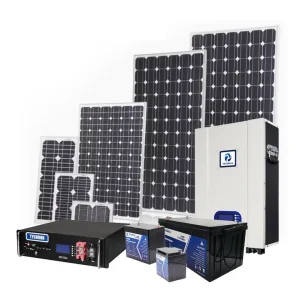
For manufacturing plants subject to high maximum demand tariffs, a hybrid solar energy system with battery storage plays a critical role. When energy demands surge, the hybrid storage system discharges rapidly, ensuring the facility does not breach its grid allocation ceiling. This application typically sees an ROI in under three years depending on local peak tariff differentials.
Hangzhou CCSC Energy Co., Ltd. is a professional Energy Storage System Manufacturer specializing in battery energy storage, renewable power integration, and smart energy solutions for residential, commercial, industrial, and utility-scale applications. Based in Hangzhou, China, the company focuses on developing advanced energy storage technologies that help customers improve energy efficiency, enhance power reliability, and support the transition toward sustainable energy systems.
With expertise in energy storage engineering and system integration, CCSC Energy provides comprehensive solutions covering battery energy storage systems (BESS), renewable energy storage integration, commercial and industrial energy storage, backup power systems, microgrid applications, distributed energy infrastructure, and intelligent energy management platforms. Its solutions are designed to support a wide range of applications, including solar energy utilization, peak demand management, grid stabilization, emergency power supply, and energy cost optimization.
The company is committed to delivering safe, efficient, and scalable energy storage solutions tailored to the needs of modern energy users. Its engineering team works closely with customers, project developers, EPC contractors, and energy service providers to design systems that align with specific operational requirements, performance objectives, and regulatory standards. From project planning and system design to manufacturing and technical support, CCSC Energy offers comprehensive services throughout the project lifecycle.
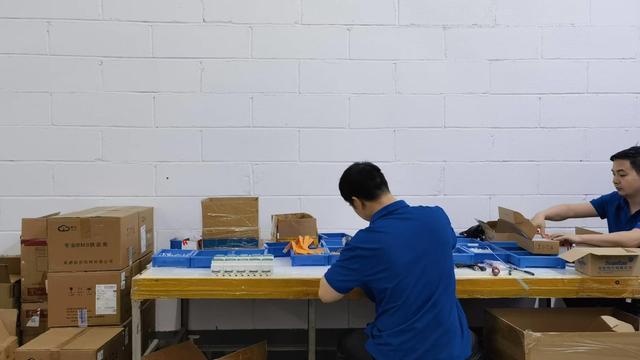
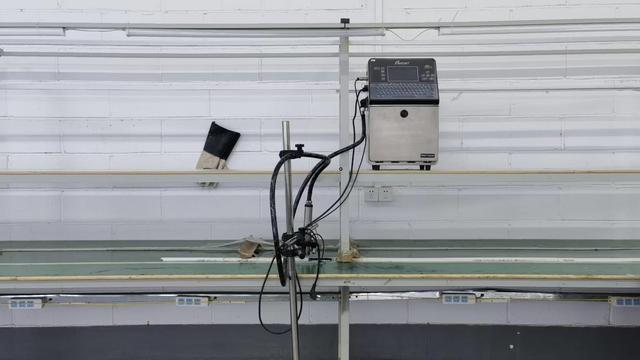
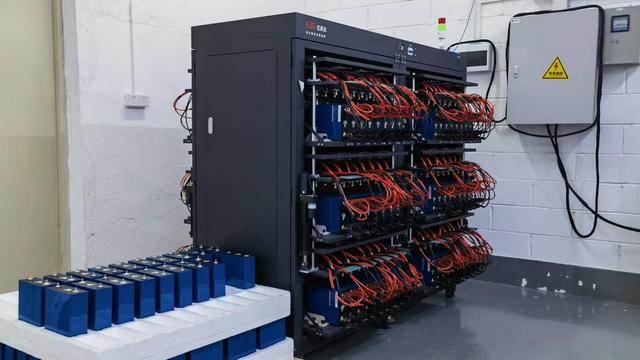
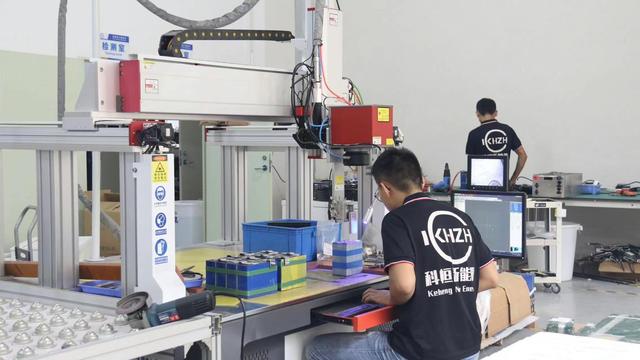
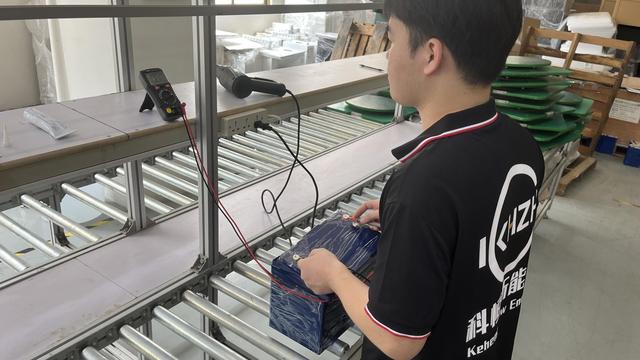
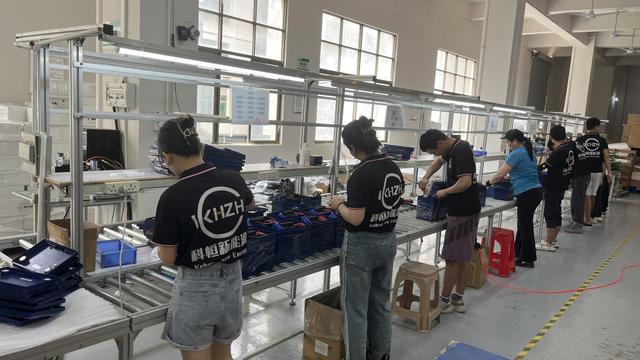
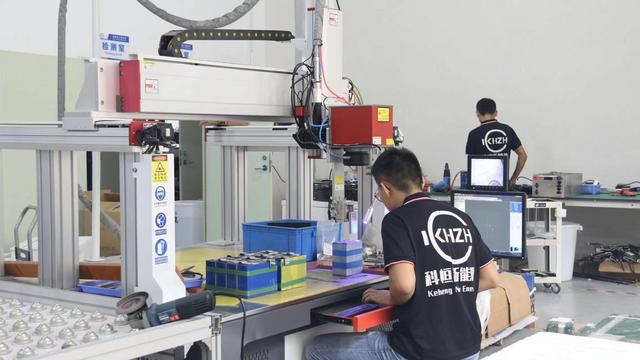
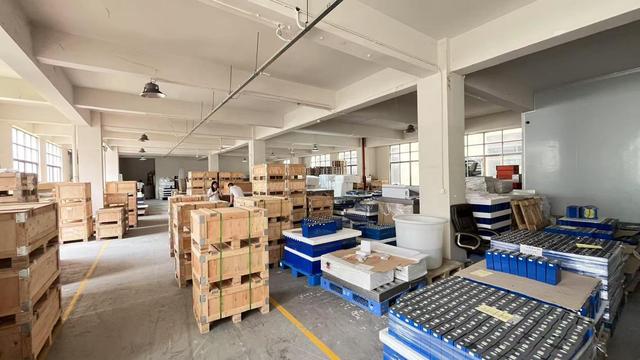
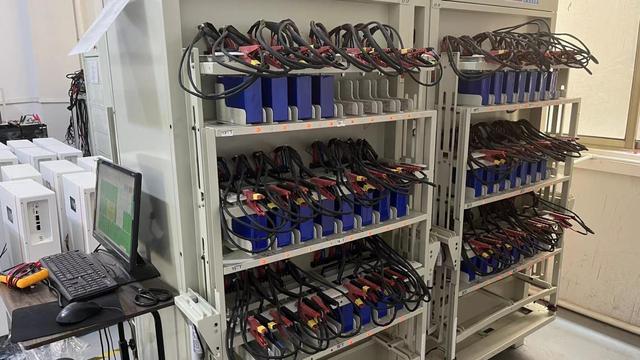
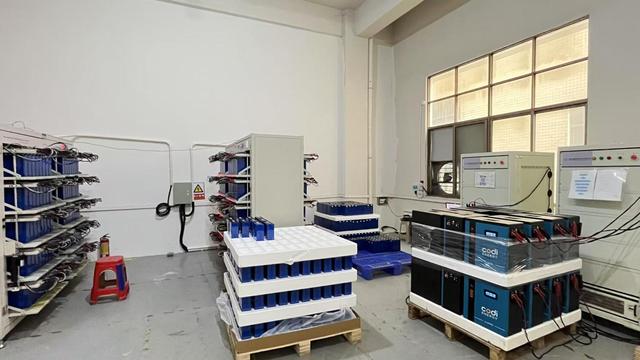
Equipped with advanced manufacturing facilities and stringent quality management processes, CCSC Energy emphasizes product reliability, operational safety, and long-term performance. Continuous investment in research and development enables CCSC Energy to integrate intelligent monitoring technologies, advanced battery management systems (BMS), and smart energy control platforms into its solutions. By leveraging China's robust lithium battery and raw material supply chain, CCSC Energy ensures unbeatable delivery timelines, guaranteed component traceability, and high efficiency.
Serving customers across Asia, Europe, North America, South America, the Middle East, and other global markets, Hangzhou CCSC Energy Co., Ltd. is dedicated to providing innovative energy storage solutions that support renewable energy adoption, strengthen power resilience, and contribute to a more efficient and sustainable energy future.
Clear, technical answers to the most common queries concerning HESS applications, standards, and operation.
Scalable turnkey battery systems and containerized power stations for utilities, factories, and commercial enterprises.
 CCSC Energy