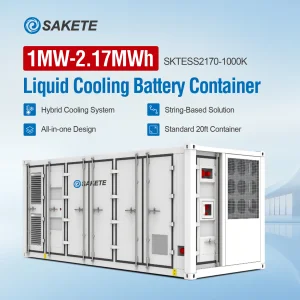
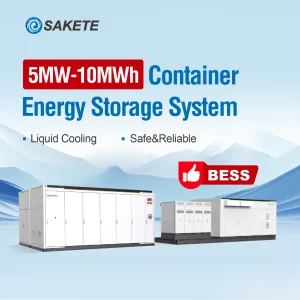
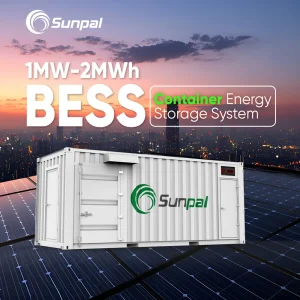
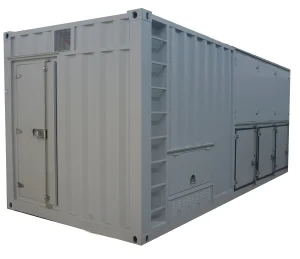
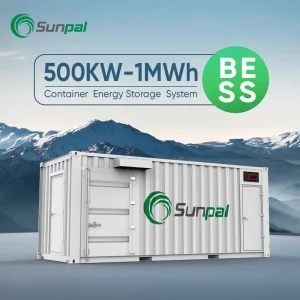
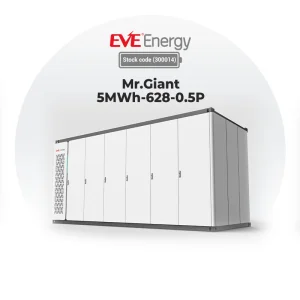
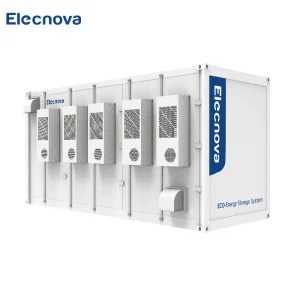
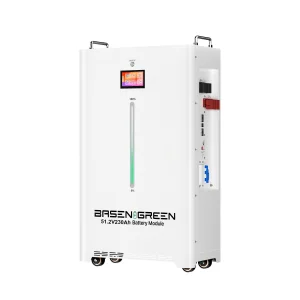
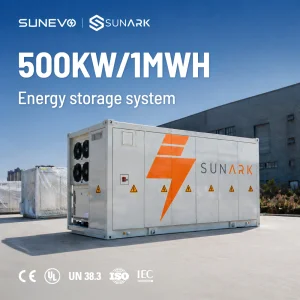
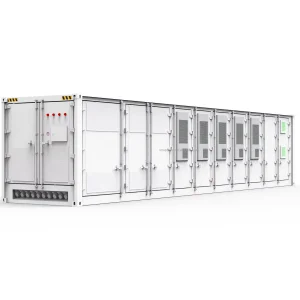
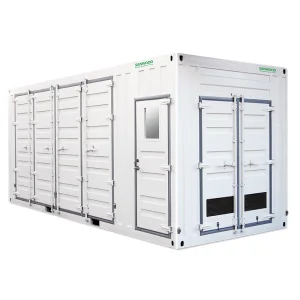
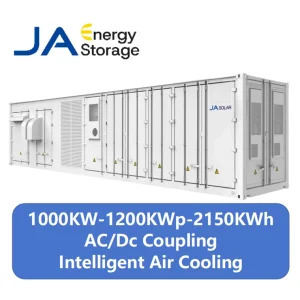
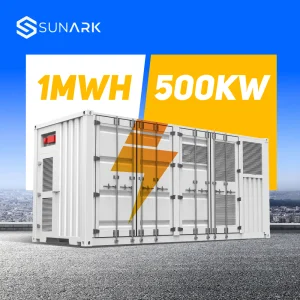
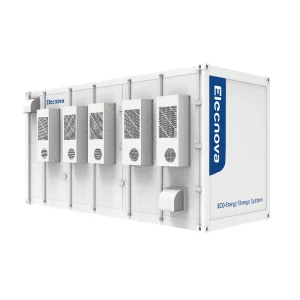
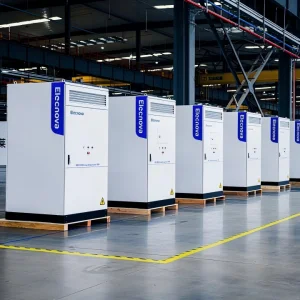
In the current global energy paradigm, the transition from centralized fossil fuel-based grids to decentralized, renewable-heavy infrastructures has created an urgent need for stability. Containerized Battery Energy Storage Systems (BESS) represent the pinnacle of modular energy engineering, providing a scalable answer to the intermittency of solar and wind power. As a leading manufacturer, we recognize that BESS is no longer just a backup component; it is the "brain" of the modern microgrid.
The global Battery Energy Storage market is projected to grow at a CAGR of over 25% through 2030. This growth is driven by three primary factors: Grid Modernization, Corporate Decarbonization Mandates, and the Economic Viability of Lithium-Ion Technology. Modern systems, such as our 5MWh Liquid-Cooled containers, utilize high-density 314Ah LiFePO4 cells to maximize energy footprint while maintaining rigorous safety standards.
High-performance BESS manufacturing requires a deep synergy between electrochemistry, thermal management, and digital control systems. Our approach focuses on Information Gain—providing clients with transparent data on how cell-to-pack (CTP) technology and liquid cooling reduce the Total Cost of Ownership (TCO).
Moving beyond the standard 280Ah, our latest containers integrate 314Ah cells, increasing energy density by 12% without increasing the physical 20ft/40ft footprint.
We offer both Air Cooling for cost-efficiency and Liquid Cooling for high-cycle, high-ambient temperature environments, ensuring ΔT < 3°C across all modules.
Integrated fire suppression (Aerosol/FK-5-1-12), gas detection, and explosion relief panels are standard in every utility-grade container we supply.
A BESS container is only as smart as its software. Our proprietary EMS platform enables:
As a global supplier, Hangzhou CCSC Energy Co., Ltd. understands that regulatory compliance and local grid codes (such as IEEE 1547 or UL 9540) are paramount for project bankability.
For factories and data centers, power quality is critical. Our containerized solutions prevent voltage sags and provide seamless backup, often paying for themselves within 3-5 years through demand charge reduction and energy arbitrage.
We provide comprehensive documentation and commissioning support across North America (UL standards), Europe (CE/IEC standards), and Australia (AS/NZS). Our systems are pre-assembled and factory-tested, ensuring a "Plug & Play" experience that minimizes on-site labor and potential for error.
Hangzhou CCSC Energy Co., Ltd. is a professional Energy Storage System Manufacturer specializing in battery energy storage, renewable power integration, and smart energy solutions for residential, commercial, industrial, and utility-scale applications. Based in Hangzhou, China, the company focuses on developing advanced energy storage technologies that help customers improve energy efficiency, enhance power reliability, and support the transition toward sustainable energy systems.
With expertise in energy storage engineering and system integration, CCSC Energy provides comprehensive solutions covering battery energy storage systems (BESS), renewable energy storage integration, commercial and industrial energy storage, backup power systems, microgrid applications, distributed energy infrastructure, and intelligent energy management platforms.
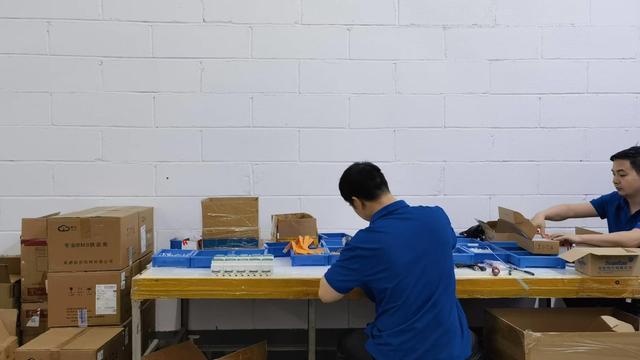
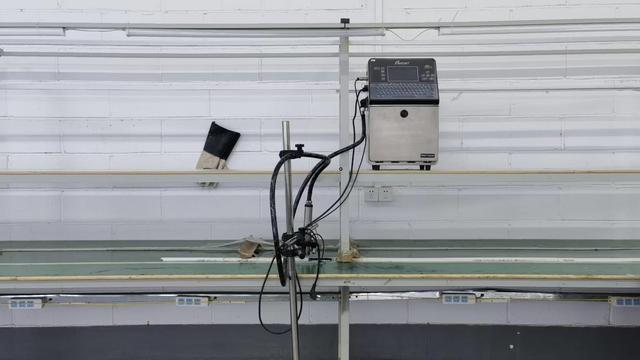
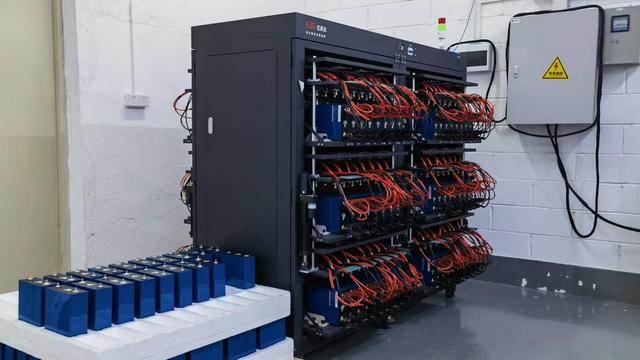
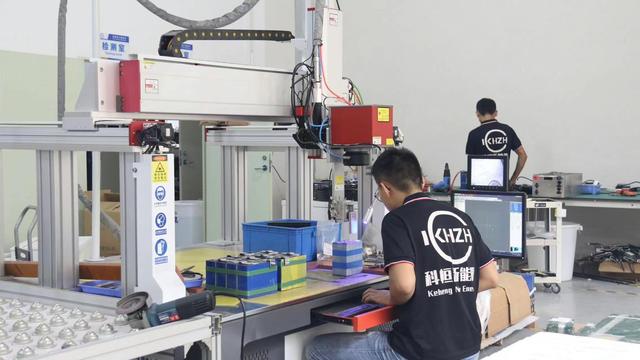
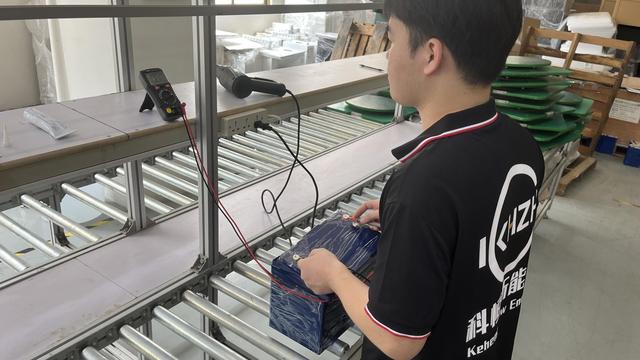
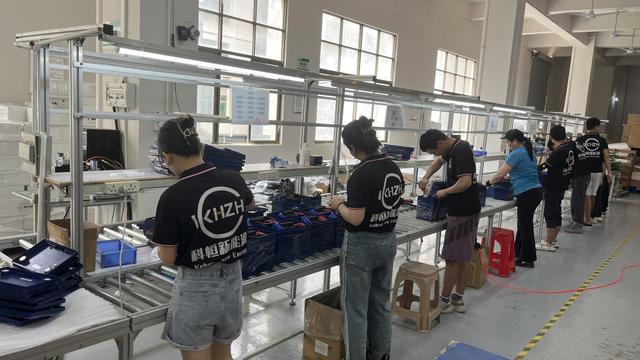
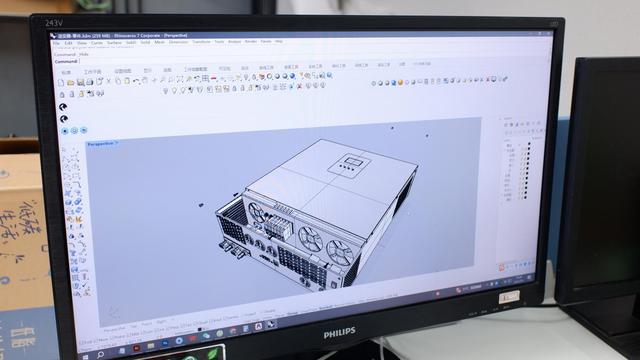
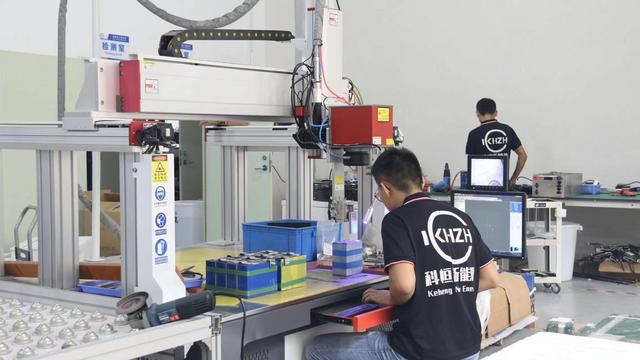
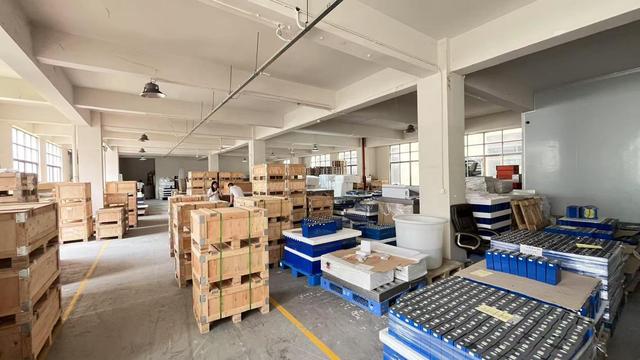
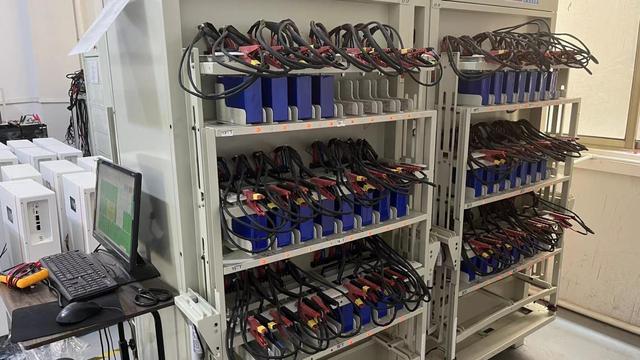
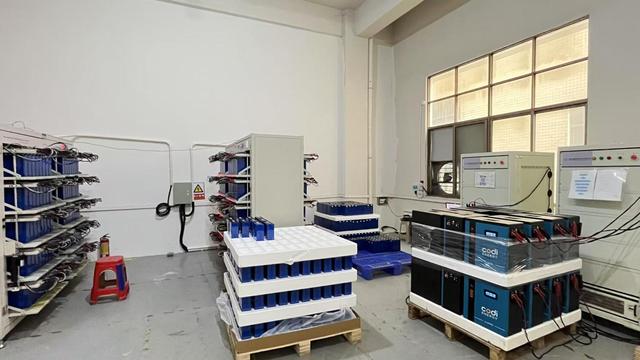
Equipped with advanced manufacturing facilities and stringent quality management processes, the company emphasizes product reliability, operational safety, and long-term performance. Continuous investment in research and development enables CCSC Energy to integrate intelligent monitoring technologies, advanced battery management systems, and smart energy control platforms into its solutions.
The future of BESS lies in Long-Duration Energy Storage (LDES) and AI-Optimized Trading. CCSC Energy is currently developing:
Serving customers across Asia, Europe, North America, South America, the Middle East, and other global markets, Hangzhou CCSC Energy Co., Ltd. is dedicated to providing innovative energy storage solutions that support renewable energy adoption, strengthen power resilience, and contribute to a more efficient and sustainable energy future.
 CCSC Energy