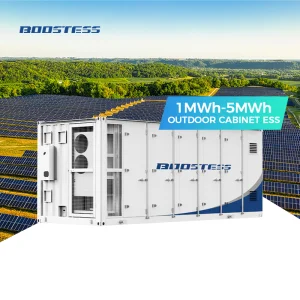
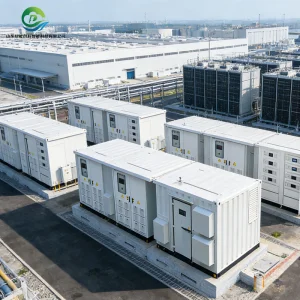
Explore our high-performance engineered battery storage units, designed for commercial peak-shaving, microgrid resilience, and high-capacity industrial power support.
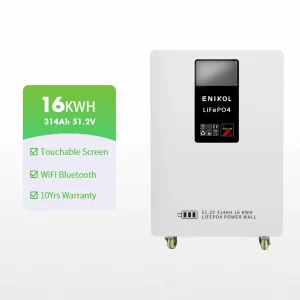
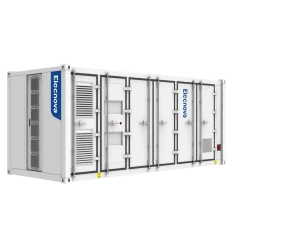
A comprehensive assessment of technological dynamics, procurement standards, and advanced manufacturing paradigms in localized energy architecture.
As the global energy landscape transitions from highly centralized fossil-fuel reliance to highly decentralized renewable generation, grid stability faces unprecedented volatility. Microgrid Energy Storage Systems (MESS) have transitioned from basic auxiliary emergency power modules to the primary operational anchor of localized smart grids. The integration of high-density lithium iron phosphate (LiFePO4) chemistries, paired with intelligent energy management platforms (EMS), enables commercial, industrial, and utility entities to achieve energy independence, optimize financial outlays via peak-shaving, and protect critical operations against grid outages.
Hangzhou CCSC Energy Co., Ltd. is a professional Energy Storage System Manufacturer specializing in battery energy storage, renewable power integration, and smart energy solutions for residential, commercial, industrial, and utility-scale applications. Based in Hangzhou, China, the company focuses on developing advanced energy storage technologies that help customers improve energy efficiency, enhance power reliability, and support the transition toward sustainable energy systems.
Modern industrial facilities, server architectures, and cold-storage operations require continuous, high-fidelity electrical inputs. Commercial operations are heavily penalized by high peak demand tariffs imposed by regional utilities. Integrating a dedicated microgrid energy storage system allows enterprises to dynamically manage their load profiles. By charging BESS systems during periods of low tariff rates and discharging during peak operational loads, companies significantly reduce Levelized Cost of Energy (LCOE) while establishing local black-start capabilities.
Furthermore, in countries where grid networks are volatile or underdeveloped, hybrid off-grid microgrids serve as the primary source of operational continuity. For example, integrating 500kW to 10MWh BESS configurations in manufacturing setups ensures that voltage sags, harmonics, and sudden outages do not compromise sensitive production machinery. This capability is essential for pharmaceutical factories, semiconductor fabs, and heavy processing plants.
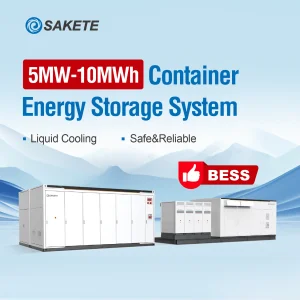
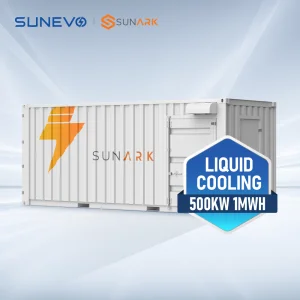
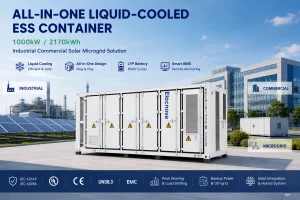
The core performance of industrial BESS systems is governed by thermal stability and cellular management. Historically, forced-air cooling systems served as the primary method of heat dissipation. However, as C-rates increase to meet rapid charging and discharging requirements, liquid cooling has emerged as the industry standard. Liquid-cooled containers offer high thermal uniformity, maintaining cell temperature variance within ±2°C. This prevents localized thermal degradation and mitigates thermal runaway risks, extending the system's operational life to over 8,000 cycles.
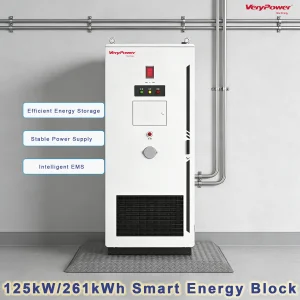
Simultaneously, the integration of proprietary Energy Management Systems (EMS) enables intelligent load forecasting, state-of-charge (SoC) management, and seamless photovoltaic-grid-BESS coupling. Advanced EMS systems dynamically communicate with local SCADA interfaces, facilitating automated participation in demand response programs, frequency regulation markets, and micro-grid islanding protocols.
How utility developers, EPC contractors, and international industrial enterprises evaluate microgrid system exporters.
Global developers prioritize units adhering to stringent international standards, including UL9540, UL9540A thermal runaway propagation testing, IEC62619, and UN38.3 for lithium-ion battery safety.
Systems must support standard communication protocols (Modbus TCP/IP, CAN, DNP3) to integrate with third-party software, wind turbine clusters, solar inverters, and grid SCADA platforms.
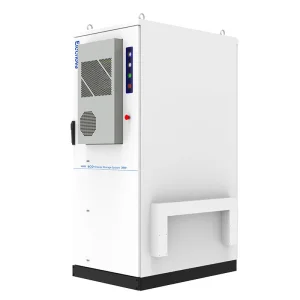
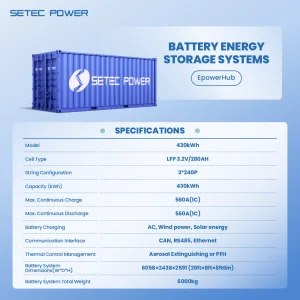
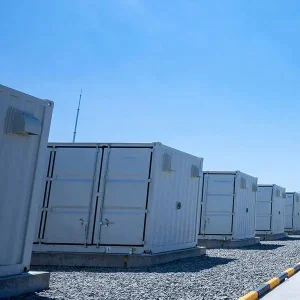
Pre-engineered 20ft and 40ft thermal-insulated containers are highly valued because they reduce field installation work, lowering project construction times and commissioning risks.
With expertise in energy storage engineering and system integration, CCSC Energy provides comprehensive solutions covering battery energy storage systems (BESS), renewable energy storage integration, commercial and industrial energy storage, backup power systems, microgrid applications, distributed energy infrastructure, and intelligent energy management platforms. Its solutions are designed to support a wide range of applications, including solar energy utilization, peak demand management, grid stabilization, emergency power supply, and energy cost optimization.
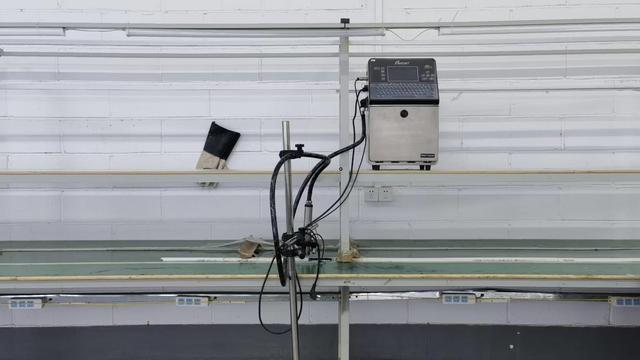
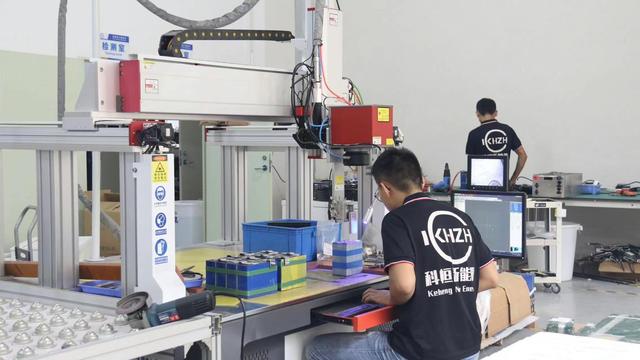
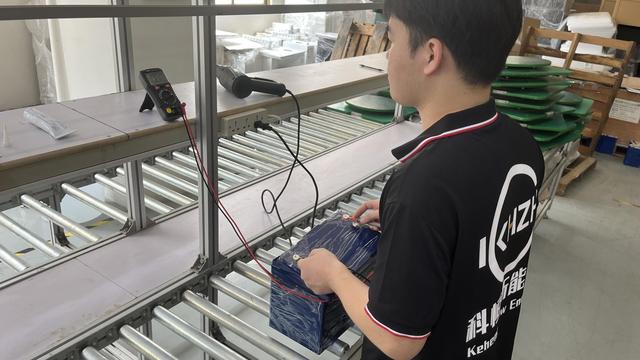
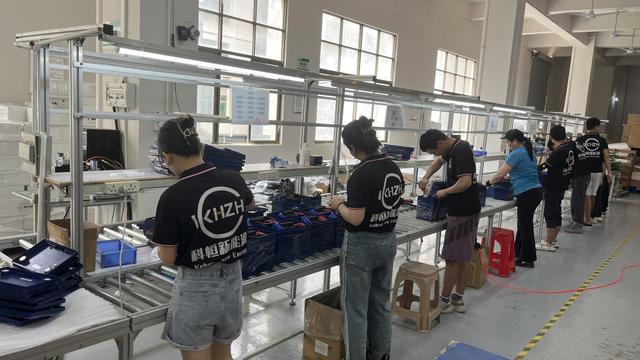
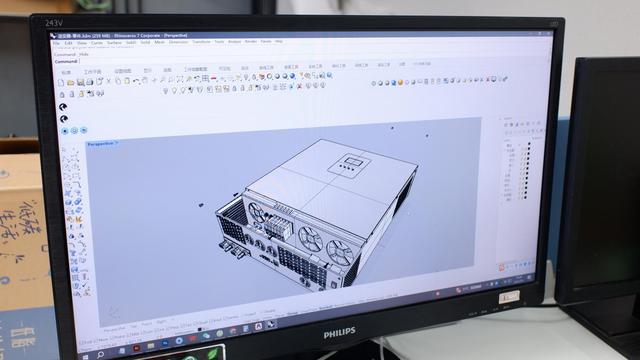
Manufacturing high-capacity BESS requires strict quality control systems. Our production lines utilize automated assembly, laser welding, and dynamic capacity-grading machines to ensure cell-to-cell consistency. Continuous investment in research and development enables CCSC Energy to integrate intelligent monitoring technologies, advanced battery management systems, and smart energy control platforms into its solutions.
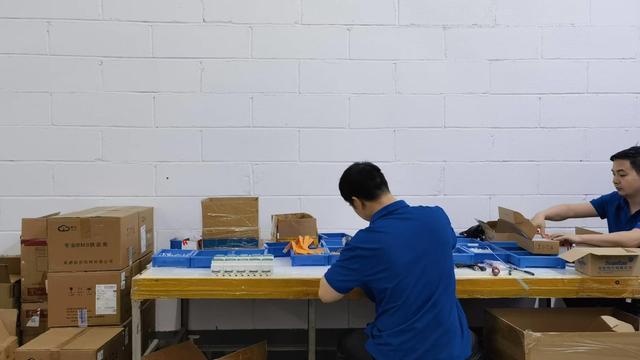
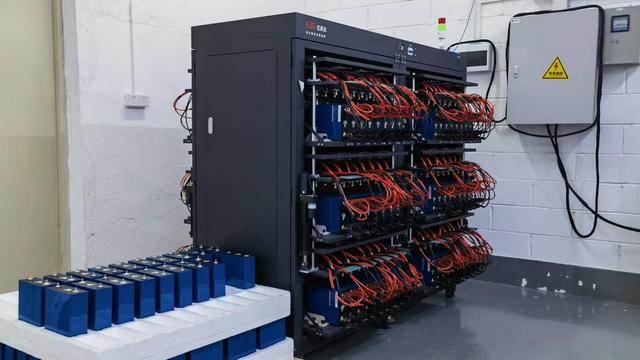
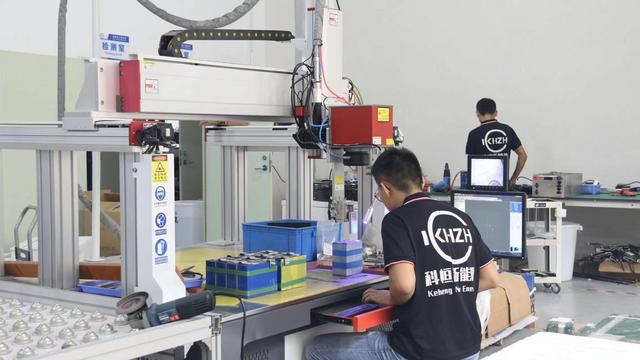
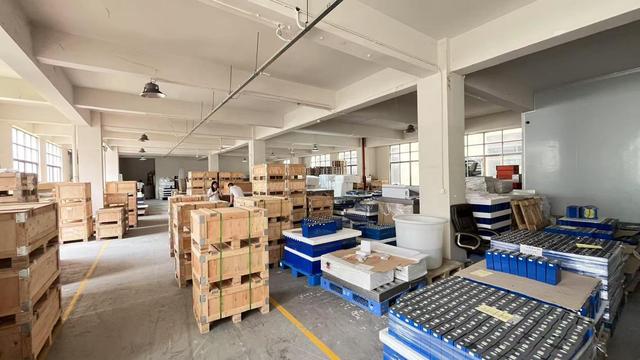
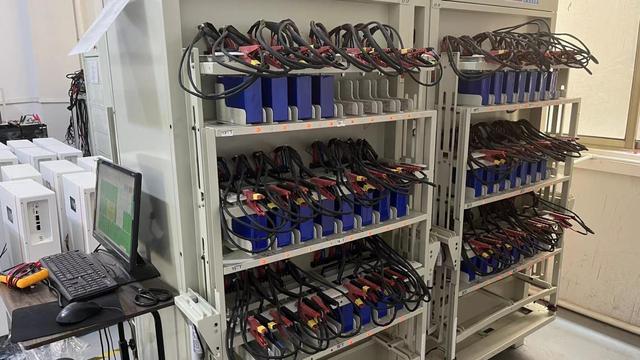
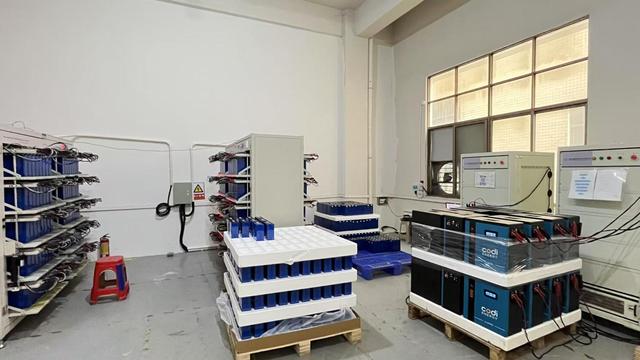
Serving customers across Asia, Europe, North America, South America, the Middle East, and other global markets, Hangzhou CCSC Energy Co., Ltd. is dedicated to providing innovative energy storage solutions that support renewable energy adoption, strengthen power resilience, and contribute to a more efficient and sustainable energy future. Our engineering team works closely with customers, project developers, EPC contractors, and energy service providers to design systems that align with specific operational requirements, performance objectives, and regulatory standards. From project planning and system design to manufacturing and technical support, CCSC Energy offers comprehensive services throughout the project lifecycle.
How microgrid energy storage structures solve specific power supply challenges across different geographies.
Remote islands and isolated mountainous regions often rely on expensive diesel generation. Setting up a BESS-enabled solar microgrid offers a cleaner, more affordable alternative. These systems store solar energy generated during the day and use it to power the community overnight, reducing diesel consumption and operational costs.
Industrial operations with sensitive machinery cannot tolerate voltage dips or brief outages. Using a factory-installed BESS container with high-speed transfer switches (<20ms) ensures continuous, stable power. This configuration filters out grid noise, manages peak loads, and acts as an immediate backup power source.
High-speed electric vehicle charging centers can put significant stress on local distribution grids during peak hours. By installing containerized energy storage units, operators can draw power during low-demand periods and use it to support rapid vehicle charging during peak times, preventing grid overload and minimizing demand charges.
Technical clarifications on battery integration, thermal management, regulatory compliance, and system configurations.
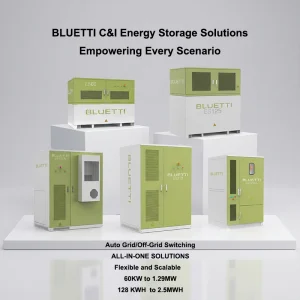
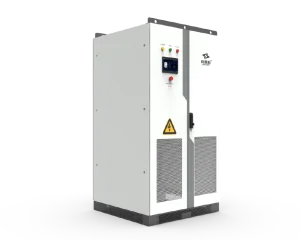
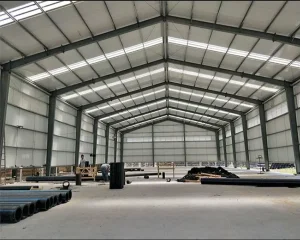
Discover our range of advanced energy systems, from high-capacity containerized batteries and hybrid microgrid inverters to specialized factory infrastructure support.
 CCSC Energy