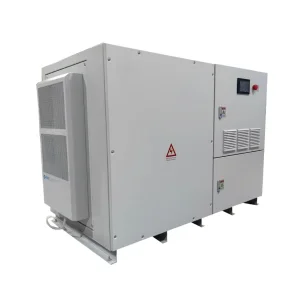
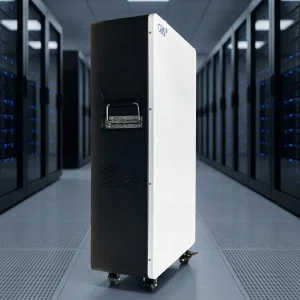
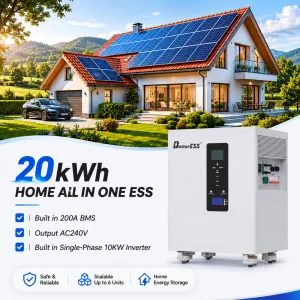
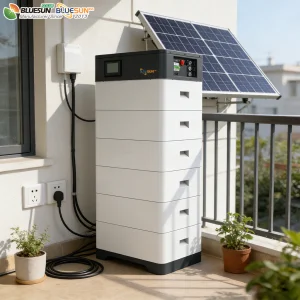
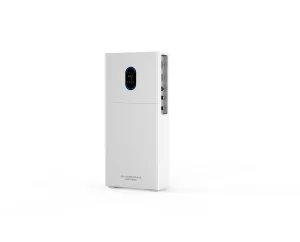
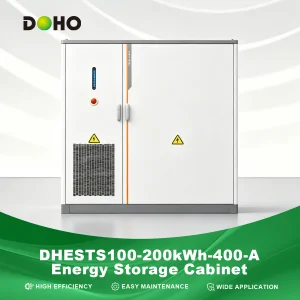
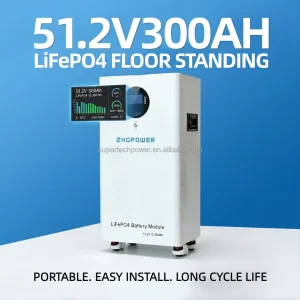
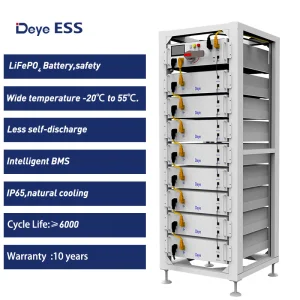
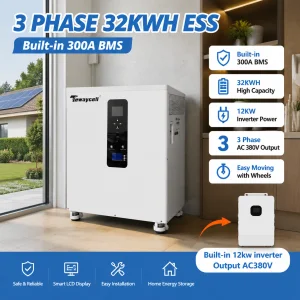
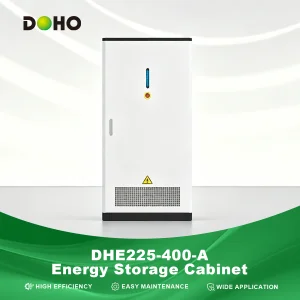
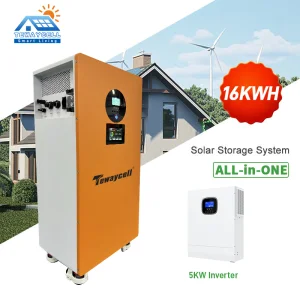
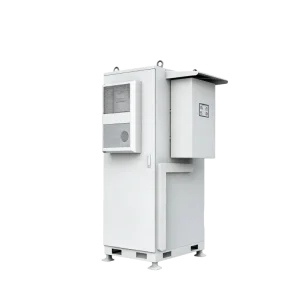
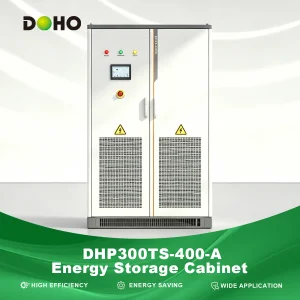
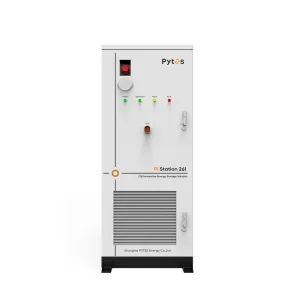
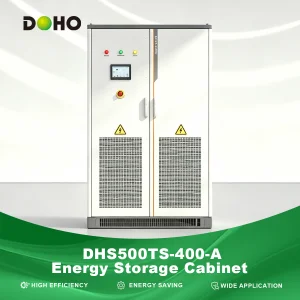
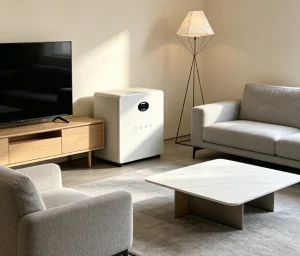
Explore our premium hardware portfolio featuring high-capacity stackable LiFePO4 batteries, microgrid energy storage cabinets, and comprehensive Hybrid Energy Storage Systems (ESS).
The global transition to carbon-neutral microgrids has escalated the demand for high-capacity, off-grid power storage solutions. Historically relegated to basic back-up power configurations, modern off-grid Battery Energy Storage Systems (BESS) represent crucial, standalone electrical infrastructure. They enable complete reliance on dynamic renewable generation, such as photovoltaics (PV) and wind power, while guaranteeing uninterrupted system operation in remote regions, isolated industrial zones, and utility-scale grids.
Recent shifts in climate patterns and increasing transmission bottlenecks on centralized grids have led commercial enterprises, mining operations, remote agricultural processing plants, and telecommunications towers to build dynamic local microgrids. These off-grid architectures remove the reliance on diesel generators, significantly reducing Levelized Cost of Storage (LCOS) and operating expenditures (OPEX). According to global market analyses, the Compound Annual Growth Rate (CAGR) for microgrid energy storage technologies is projected to exceed 22% in the coming decade, highlighting a fundamental shift towards reliable decentralized power storage.
Our solutions target key customer concerns such as grid deflection, high peak demand charges, and critical grid instability. By deploying systems with built-in Energy Management Systems (EMS) and multi-layered Battery Management Systems (BMS), industrial operators can safely balance loads, smooth out intermittent solar power generation, and establish autonomous power supplies that run continuously without grid connection.
When selecting utility-scale or heavy-duty industrial BESS cabinets, engineering teams must evaluate battery cell chemistry, thermal management strategies, and functional safety standards. As a premier manufacturer, Hangzhou CCSC Energy Co., Ltd. adopts lithium iron phosphate (LiFePO4) chemistry as our engineering foundation. LiFePO4 delivers superior thermal stability, absolute safety against thermal runaway, and an extended service lifespan compared to alternative chemistries like NMC.
| Engineering Attribute | CCSC LiFePO4 BESS Architecture | Standard Li-ion (NMC) System | Traditional Lead-Acid / Gel |
|---|---|---|---|
| Operational Cycle Life | 6,000 to 8,000 Cycles @ 80% Depth of Discharge (DoD) | 2,000 to 3,000 Cycles @ 80% DoD | 500 to 1,500 Cycles @ 50% DoD |
| Thermal Runaway Temp | >270°C (Highly safe and chemically stable) | >150°C (Requires active safety containment) | N/A (Releases hydrogen gas during overcharge) |
| Round-Trip Efficiency (RTE) | 92% – 95% (High inverter-to-battery efficiency) | 88% – 92% | 75% – 82% (Significant energy loss) |
| BMS Integration | Dual-CAN/RS485 interface, active balancing, cell temperature monitoring | Basic voltage & temperature tracking | No native monitoring (Manual maintenance needed) |
| Safety Standards Compliance | UL 1973, UL 9540A, IEC 62619, CE, UN38.3 | Varies by pack vendor | Rarely certified to microgrid safety codes |
A high-performance BESS relies on more than just the battery cells; its performance is driven by the intelligence of its integrated systems. At CCSC Energy, we integrate advanced Battery Management Systems (BMS) that actively balance cells to extend stack life. Our systems feature integrated sensors that track single-cell voltages, local temperatures, and current paths. Our multi-level security systems isolate problems at the module level, preventing a single cell failure from affecting the entire system. This design prevents thermal runaway propagation and maintains microgrid runtime even in demanding conditions.
Maximizing RTE is essential for reducing long-term Levelized Cost of Storage (LCOS). System losses in low-voltage configurations are significantly higher due to larger current flows. CCSC Energy addresses this by using high-voltage stacked systems (up to 400V–800V DC options). These configurations reduce cable resistance losses and improve overall inverter conversion efficiency.
Hangzhou, China stands as a global hub for technological innovation and advanced electrical engineering. Operating from this region, Hangzhou CCSC Energy Co., Ltd. leverages a highly optimized local supply chain. We maintain direct partnerships with top-tier battery cell suppliers and micro-controller fabricators, enabling us to manufacture high-capacity off-grid power systems at competitive price points while maintaining rigorous quality control.
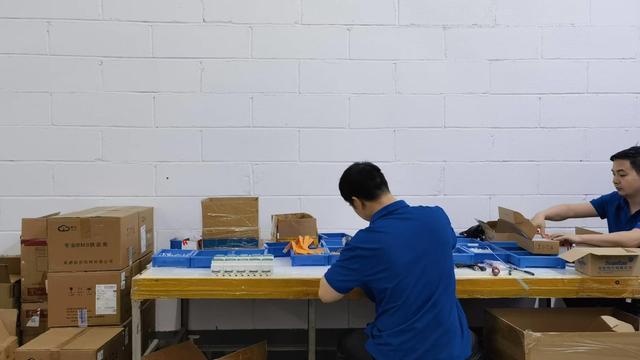
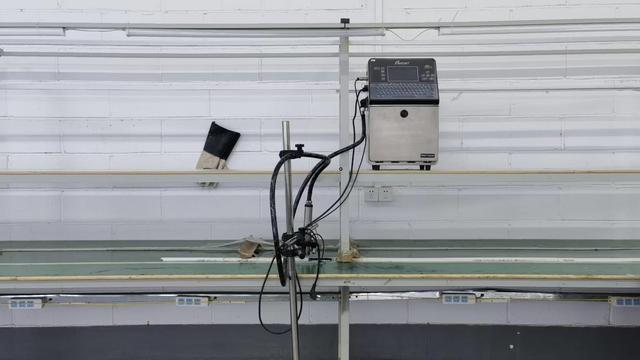
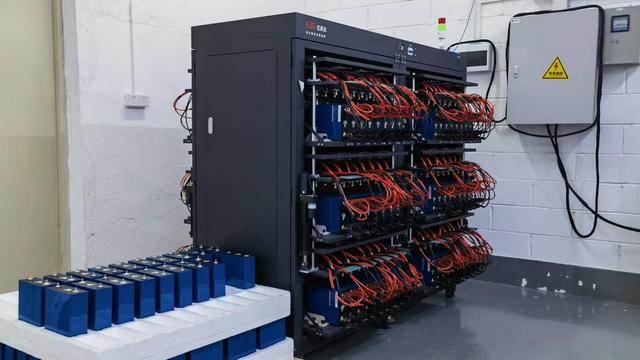
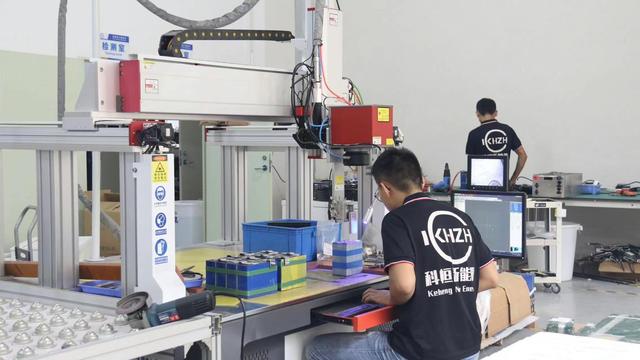
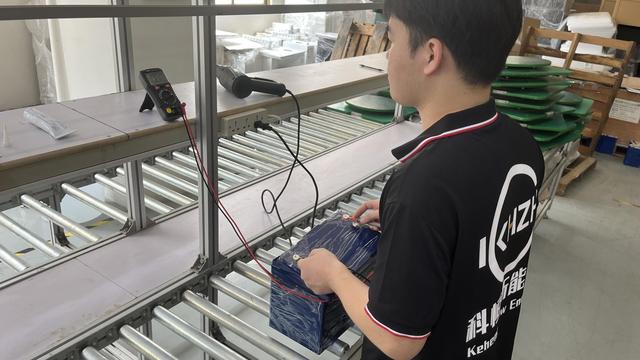
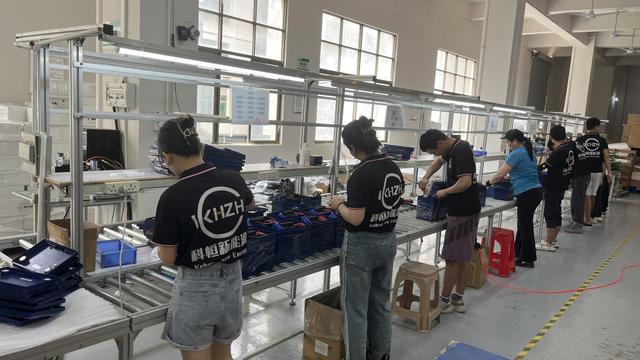
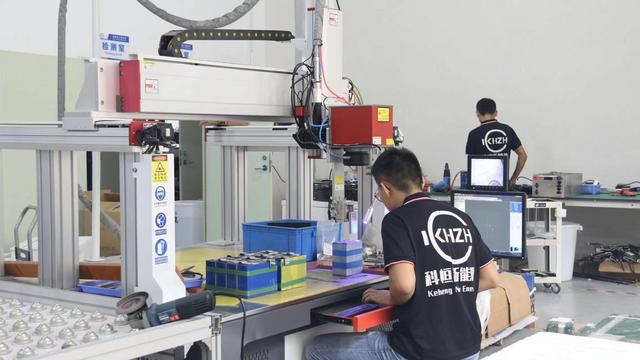
Our production facilities utilize modern assembly procedures, automated aging-test chambers, and rigorous quality check protocols. Each battery module undergoes long-duration charge-discharge testing, environmental chamber simulations (reproducing sub-zero and desert conditions), and high-vibration structural integrity checks. This comprehensive approach ensures that every stackable battery pack, mobile energy storage container, or hybrid power cabinet delivered to global markets meets global certification standards (UL, IEC, CE, UN38.3).
We source only brand-new, Grade-A prismatic LFP cells with traceable QC barcodes, ensuring matched internal resistance and uniform lifespan profiles across the entire battery string.
Every system undergoes high-current thermal testing, insulation testing, and communication protocol loops to ensure seamless integration with hybrid solar inverters.
From high-altitude protection layouts to smart liquid cooling loops, we customize structural enclosures and electrical systems to align with your specific project requirements.
Off-grid operations face varying environments, demanding tailored system architectures. By matching specific application conditions with targeted engineering, CCSC Energy design microgrid technologies to handle diverse site conditions worldwide.
Our engineering team works closely with project developers, EPC contractors, and energy service providers globally to deploy reliable systems suited for local demands:
For mining sites and drilling platforms, fuel logistics for generators present significant challenges. Our high-voltage containerized hybrid systems (such as the DOHO BESS series) integrate with wind and PV systems to provide primary power. This setup reduces fuel consumption and minimizes operational downtime.
In developing markets, power outages threaten cold storage and food processing facilities. Our all-in-one smart storage cabinets provide high surge currents to handle heavy startup loads from cooling compressors, safeguarding temperature-sensitive inventory.
Off-grid EV charging points and remote highway infrastructure require reliable power. CCSC's high-capacity container solutions support rapid high-voltage power output, providing EV chargers with the necessary current during vehicle plug-in events.
High-altitude, low-temperature installations reduce standard battery performance. CCSC offers specialized low-temperature battery lines equipped with insulated containers and internal warming blankets. These systems maintain standard cycle lifetimes even in freezing conditions.
The energy storage industry is moving rapidly toward high-density cell chemistry, high-voltage architectures, and cloud-monitored management systems. Key technical developments shaping current energy storage projects include:
When sourcing industrial and commercial off-grid storage systems, procurement departments should verify several technical parameters to ensure project compatibility:
| Key Step | Required Details | Engineering Purpose |
|---|---|---|
| 1. Daily Cycle Profile | Define daily usage cycles, peak consumption timing, and solar generation overlap. | Determines appropriate system sizing and C-rate parameters. |
| 2. Communication Matching | Ensure matching communication protocols (CAN, RS485, Modbus TCP) between inverter and BMS. | Prevents charging errors and allows for remote system monitoring. |
| 3. Environmental Planning | Review site conditions like altitude, temperature ranges, humidity, and dust levels. | Ensures the correct selection of IP ratings (IP54/IP21) and heating/cooling systems. |
| 4. Safety Regulations | Confirm compliance with safety codes (IEC 62619, UL 1973, UL 9540A, local grid certifications). | Avoids delays in municipal approvals and ensures safety. |
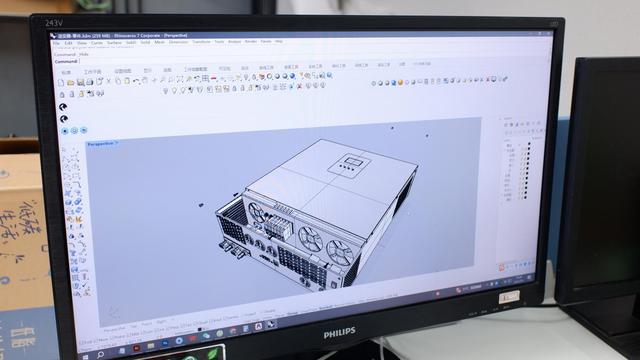
Take an inside look at our advanced production facilities in Hangzhou, featuring automated manufacturing lines, testing chambers, and quality-control systems.
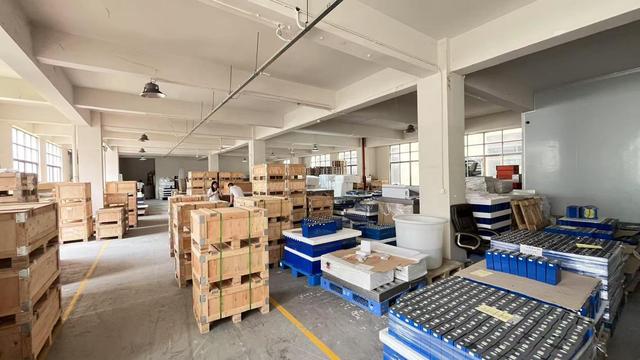
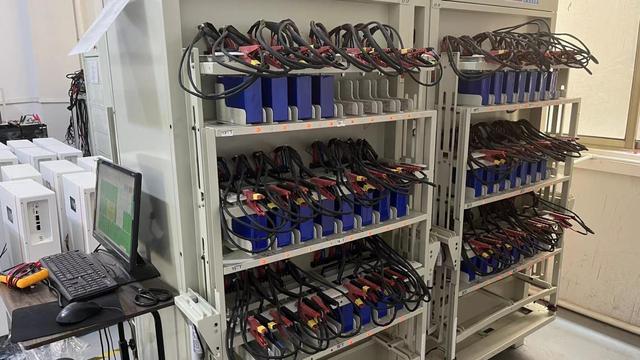
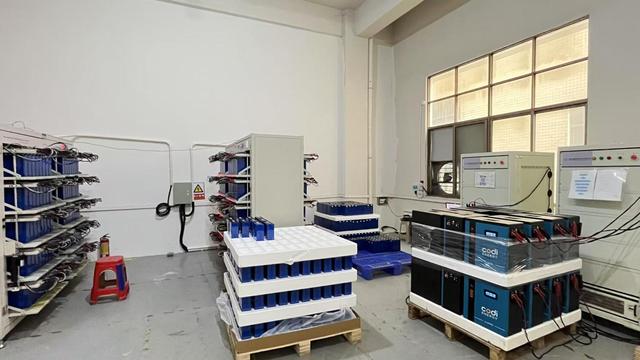
Clear, direct technical answers regarding safety, sizing, delivery timelines, and hardware configurations for your off-grid energy storage projects.
Low-voltage (LV) systems operate below 60V DC and are typical for residential projects. High-voltage (HV) systems range from 200V to over 800V DC. HV designs minimize current levels, which reduces heat losses, allows for smaller cabling, and improves inverter efficiency in commercial and industrial scale projects.
LFP batteries operate best between 15°C and 30°C. Cold conditions temporarily reduce capacity, while high temperatures speed up internal degradation. CCSC Energy uses internal heating loops for cold climates and integrated cooling systems for hot environments to keep batteries within safe operating temperatures.
Our BMS modules support native communication protocols for common inverter brands (such as Deye, Growatt, Victron, and SMA) via CAN and RS485 interfaces. We can also customize communication protocols for specific enterprise installations.
Our off-grid systems meet relevant international standards, including CE, UN38.3 (for shipping), IEC 62619, and components that comply with UL 1973 and UL 9540A requirements.
Yes. We assemble containerized BESS configurations in standard 20ft and 40ft layouts. These systems include batteries, cooling systems, fire suppression systems, and integrated management systems.
Explore our high-voltage and modular off-grid systems designed for commercial warehouses, remote worksites, and high-altitude microgrids.
 CCSC Energy