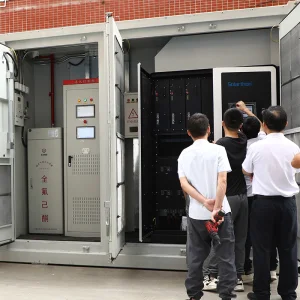
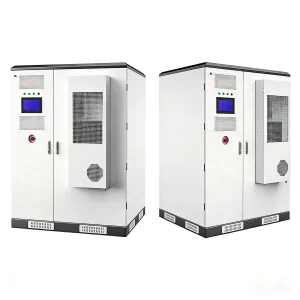
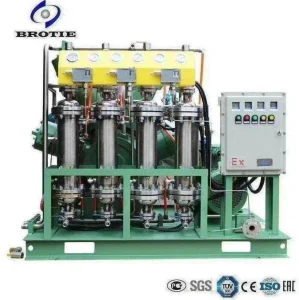
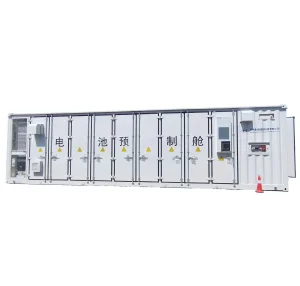
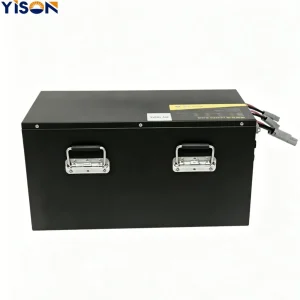
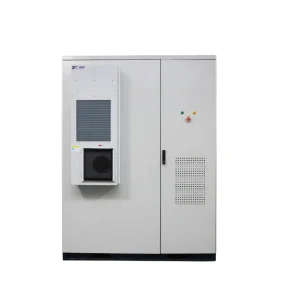
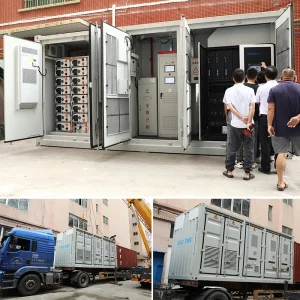
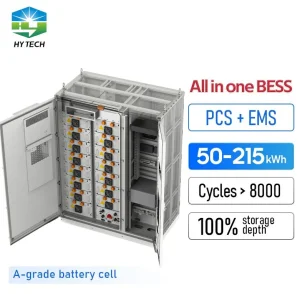
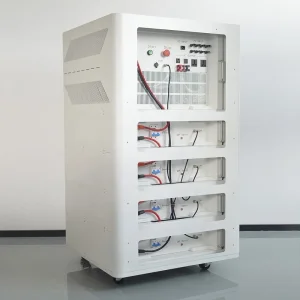
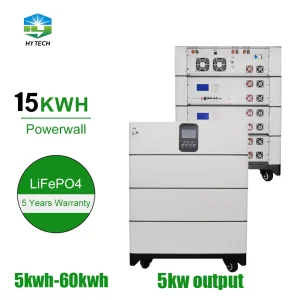
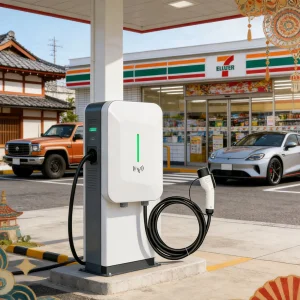
Explore our high-voltage lithium storage configurations, hydrogen generation integration, and large-scale decentralized power containers engineered for commercial and grid-scale deployments.
Modern electrical grids are experiencing structural shifts. As intermittent renewable sources (solar and wind) penetrate deeply into regional grids, power quality issues, supply-demand imbalances, and frequency fluctuations become severe. This volatility imposes strict demands for robust, utility-scale infrastructure.
At Hangzhou CCSC Energy Co., Ltd., we design our battery energy storage systems (BESS) as system-level stabilizers. Our solutions convert volatile, weather-dependent generation profiles into dispatchable capacity, ensuring seamless transition dynamics, load shaving capabilities, and essential ancillary grid services.
"The primary challenge is no longer energy generation, but system resilience and dynamic temporal dispatch. Storage is the key variable to bridge generation and real-time consumption."
Hangzhou CCSC Energy Co., Ltd. is a professional Energy Storage System Manufacturer specializing in battery energy storage, renewable power integration, and smart energy solutions for residential, commercial, industrial, and utility-scale applications. Based in Hangzhou, China, the company focuses on developing advanced energy storage technologies that help customers improve energy efficiency, enhance power reliability, and support the transition toward sustainable energy systems.
With deep expertise in energy storage engineering and system integration, CCSC Energy provides comprehensive solutions covering battery energy storage systems (BESS), renewable energy storage integration, commercial and industrial energy storage, backup power systems, microgrid applications, distributed energy infrastructure, and intelligent energy management platforms.
Our engineering team works closely with customers, project developers, EPC contractors, and energy service providers to design systems that align with specific operational requirements, performance objectives, and regulatory standards.
From project planning and system design to manufacturing and technical support, CCSC Energy offers comprehensive services throughout the project lifecycle, serving markets across Asia, Europe, North and South America, and the Middle East.
Hangzhou CCSC Energy leverage China's comprehensive industrial cluster to yield high efficiency, reliability, and cost-competitiveness. By centering our design, verification, and assembly pipelines in Hangzhou, we maximize local resources.
We collaborate directly with the world’s leading Lithium Iron Phosphate (LiFePO4) cell producers, locking in reliable supply quantities, stable cost terms, and verified electrochemical performance to eliminate thermal stability risks from the start.
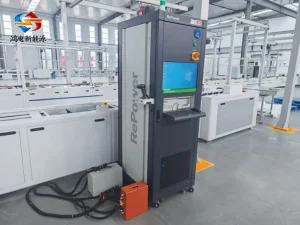
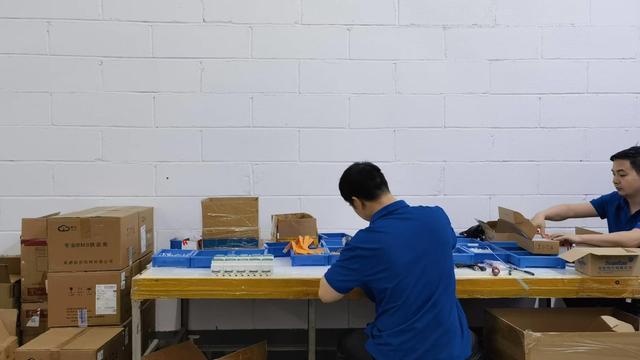
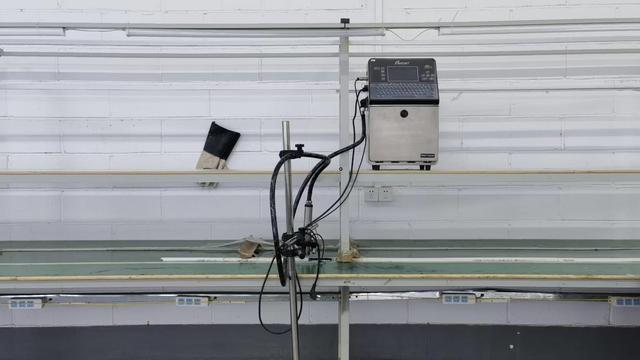
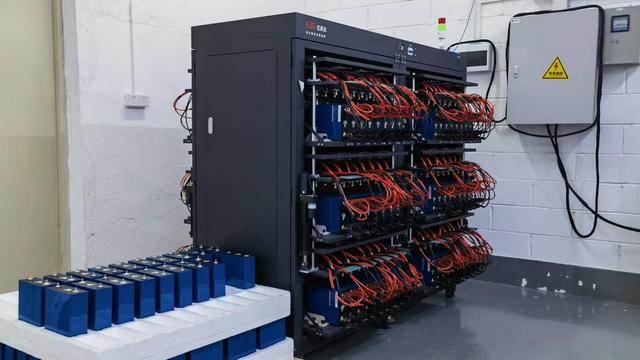
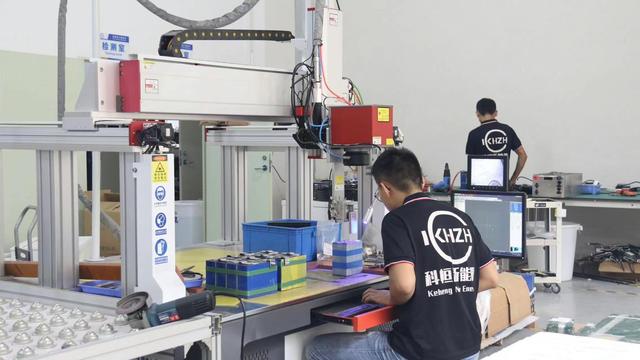
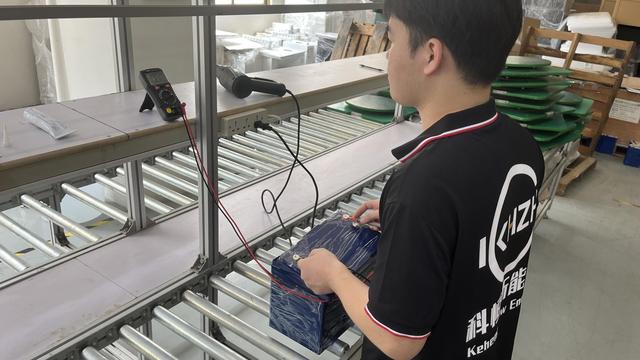
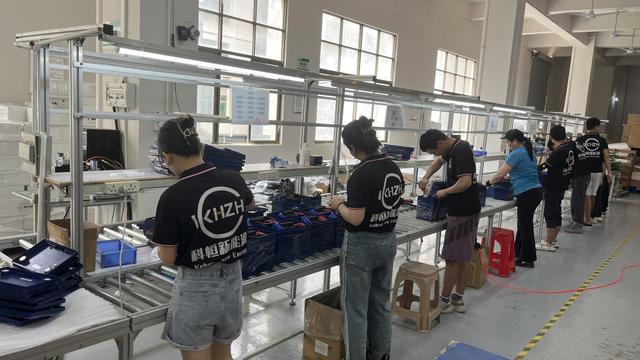
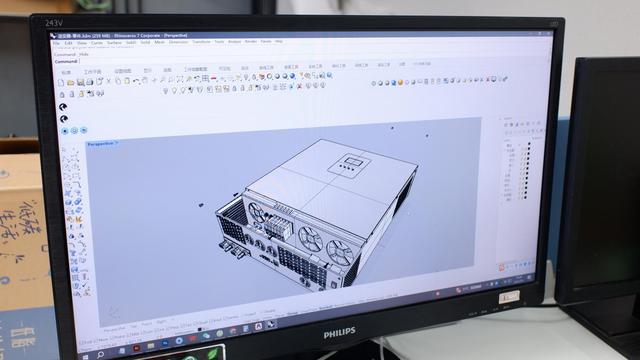
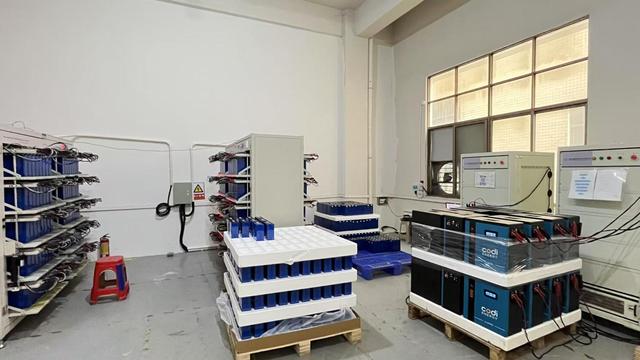
Our factory manages core processing steps: sheet metal layout, electrical wire harness design, control PCB integration, structural welding, liquid cooling routing, and complete system FAT (Factory Acceptance Testing) under one roof.
Positioned near Hangzhou’s high-tech industrial parks and the Ningbo/Shanghai deep-water ports, we ship fully tested containerized battery systems worldwide with minimized transit delays and reduced logistics overhead.
Standard battery units rarely match the operational realities of different global locations. Ambient temperature fluctuations, regional utility rules, and specific customer goals require tailored design approaches.
In regions with high peak tariffs (such as Central Europe, North America, and parts of Australia), our 215kWh commercial outdoor cabinets help factories reduce utility demand charges. By storing energy during off-peak times and discharging during peak rates, companies can lower their operational expenses.
For agricultural areas, remote mining operations, and island environments, our microgrid solutions integrate solar power, diesel generators, and lithium-ion batteries. This setup provides stable electricity and reduces dependency on costly fuel shipments.
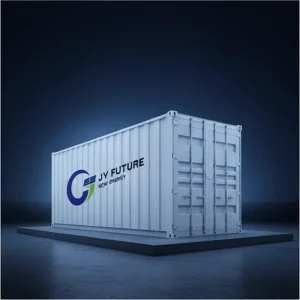
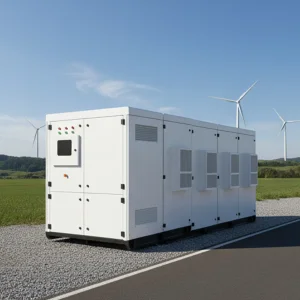
Large systems, like our 6.7MWh modular containers, connect directly to regional transmission networks. They offer millisecond-level frequency response to stabilize the grid and help prevent brownouts during sudden generation drops.
We use a three-level Battery Management System (BMS) to ensure reliability across all system scales:
Our engineering team works to improve thermal performance, safety systems, and management software. These improvements are designed to extend system lifespans and lower overall lifetime energy storage costs.
Liquid cooling helps maintain more uniform cell temperatures than traditional forced-air ventilation. By keeping cell temperature differences within ±2.5°C, our liquid-cooled containers reduce degradation rates and help extend battery lifespan by up to 20%.
While Lithium Iron Phosphate (LiFePO4) remains our main technology due to its safety and lifecycle, we are also designing specialized systems with Lithium Titanate (LTO) for high-rate fast charging, and Sodium-ion chemistries for low-temperature operation.
Our cloud-based monitoring platform uses machine learning to evaluate system health. By tracking battery datasets over time, it can identify potential cell anomalies, helping operators perform maintenance before issues occur.
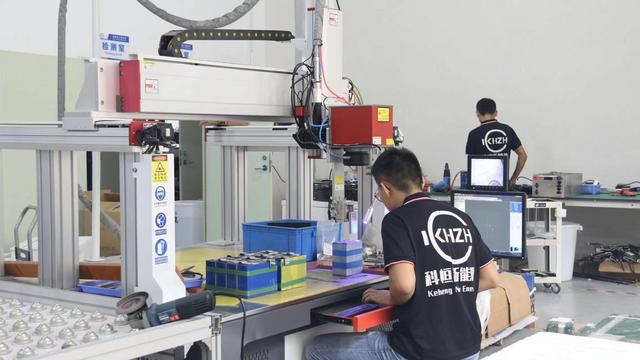
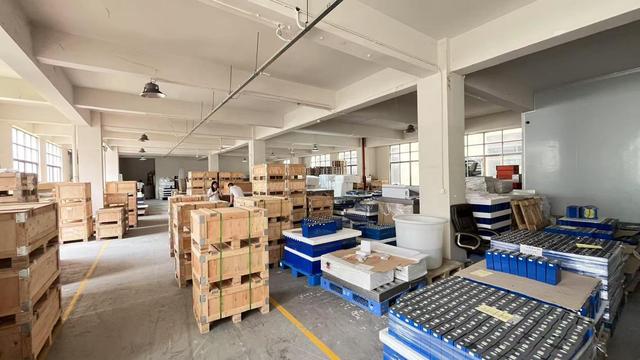
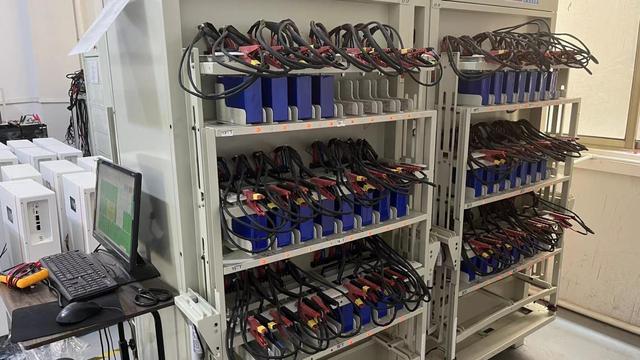
Industrial energy storage systems must meet strict safety, grid connection, and environmental regulations in their target markets. We design our solutions to comply with international standards to ensure reliable operation.
Our products are engineered to align with major international codes:
Our systems feature multi-stage safety designs: gas and smoke detection, automated module-level venting, and aerosol or clean-agent fire suppression to isolate issues before they spread.
Common questions about technical specifications, project integration, and purchasing options for CCSC Energy storage systems.
Explore our range of energy storage units, residential wall-mounted batteries, microgrid packages, and EV chargers designed to improve reliability and reduce energy costs.
 CCSC Energy