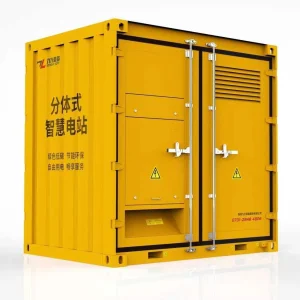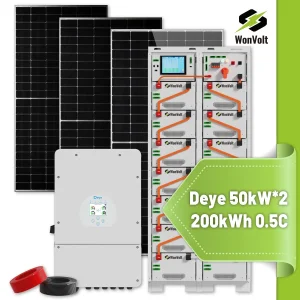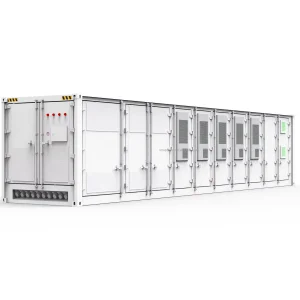
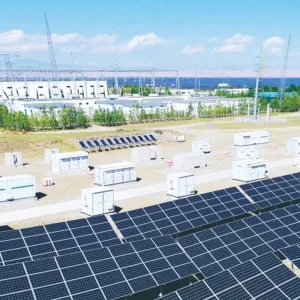
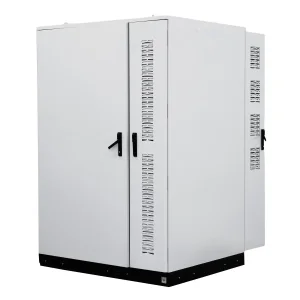
As global power systems face integration challenges with intermittent renewable resources, CCSC Energy bridges the structural gap with highly adaptable, containerized, and micro-grid-optimized systems.
Sudden surges in utility solar generation require fast frequency response and dynamic reactive power control. Our utility-grade battery energy storage systems (BESS) act as ultra-rapid shock absorbers, protecting critical transmission corridors from voltage sags and grid frequency collapse.
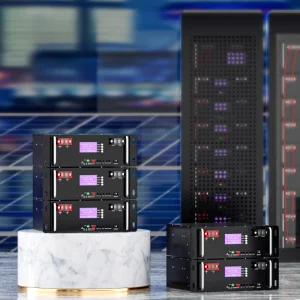
For industrial sites and energy developers, energy arbitrage utilizes storage to shift demand peaks. CCSC Energy supplies advanced LFP storage blocks designed for dynamic dispatch schemes, converting volatile high-tariff peak consumption into predictable base-load pricing models.
Deploying storage alongside diesel generation reduces generator runtime, minimizes fuel consumption, and secures backup capability. We offer turn-key Diesel Hybrid Storage Solutions that synchronize high-efficiency inverters with local EMS protocols.
The transition of global manufacturing toward decentralized green energy is accelerating. Rising commercial energy tariffs, carbon border adjustments, and mandates for corporate ESG footprints are reshaping how corporations evaluate electrical infrastructure. From data centers in North America to heavy industrial parks across Europe, securing a robust, high-availability Renewable Power System is no longer optional—it is a vital operational strategy.
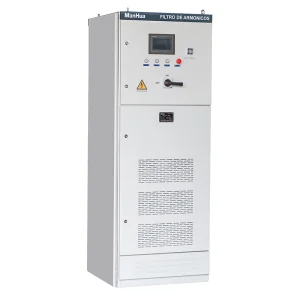
As a leading Chinese energy storage system manufacturer based in Hangzhou, Hangzhou CCSC Energy Co., Ltd. leverages a vertically integrated supply chain, cutting-edge LFP cell integration technology, and extensive engineering experience. This allows us to supply systems that solve localized, high-stress grid demands. Our solutions address issues ranging from high transformer load profiles to severe harmonic distortions from heavy industrial machinery.
| Market Segment | Regional Challenge | CCSC Technology Response | Primary Benefit |
|---|---|---|---|
| North America Utility/C&I | High peak-demand charges, strict local grid compliance (UL 9540A). | Liquid-cooled containerized BESS with integrated active fire suppression. | Mitigates peak demands; minimizes compliance overhead. |
| European Industrial | Severe gas/electricity pricing volatility; high grid feed-in limits. | On-grid systems integrated with localized EMS platforms (CAN/Modbus). | Maximizes solar self-consumption and power security. |
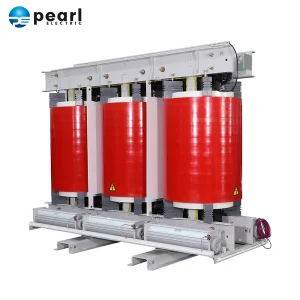
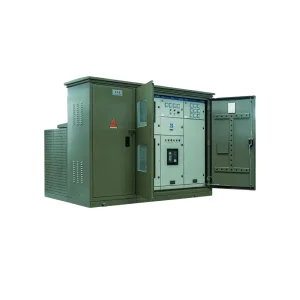
| Emerging Island Grids | High fuel reliance, weak transmission links, microgrid constraints. | Turn-key containerized diesel-hybrid systems and amorphous transformers. | Replaces up to 60% of diesel dependency with stable battery storage. |
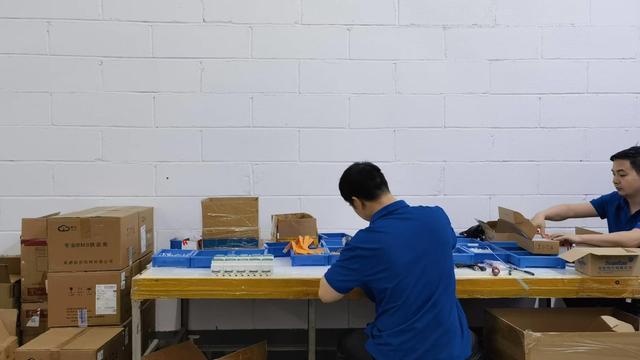
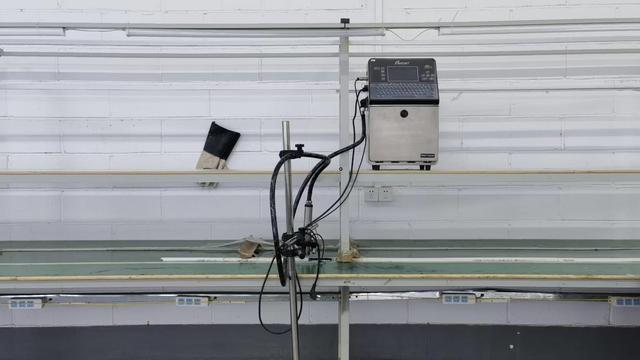
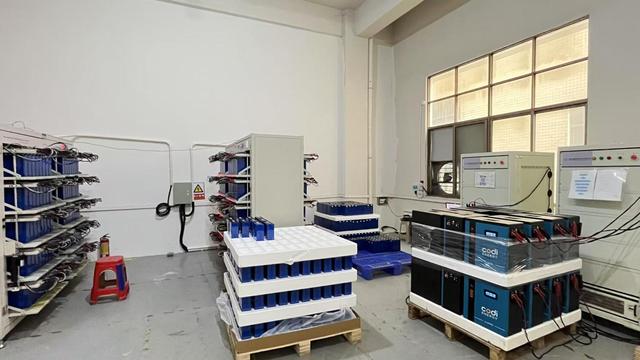
Hangzhou CCSC Energy Co., Ltd. operates clean-room automated assembly facilities in China. These facilities are dedicated to cell screening, module assembly, thermal testing, and container deployment. By incorporating smart manufacturing execution systems (MES) and rigorous end-of-line testing under full power loads, we guarantee that every containerized ESS meets utility standards prior to shipping.
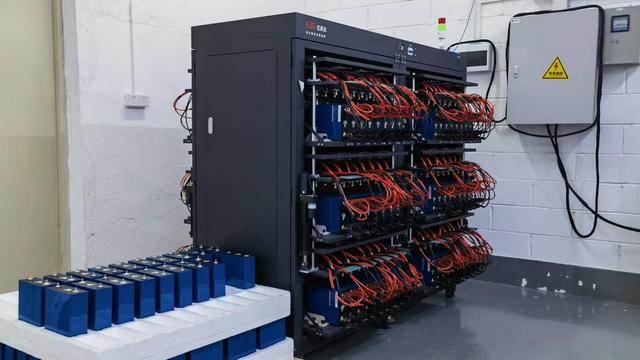
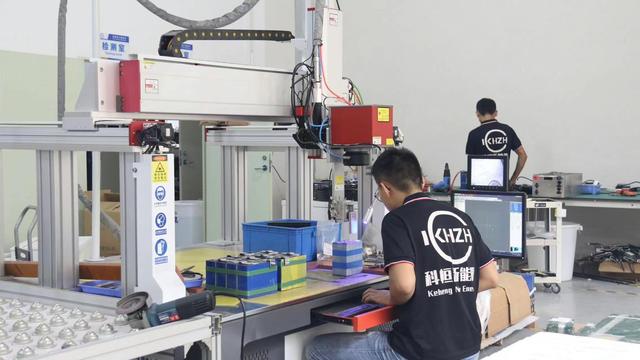
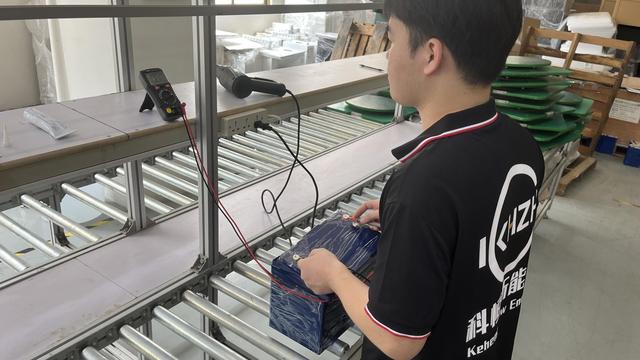
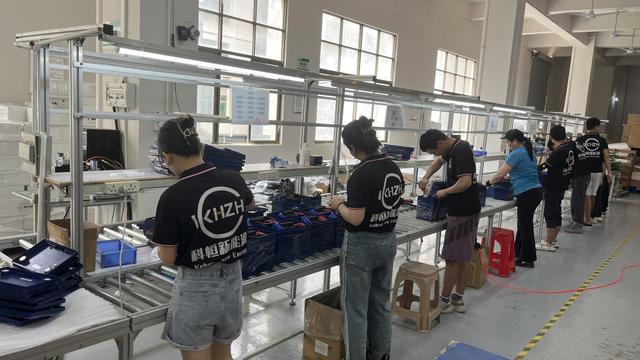
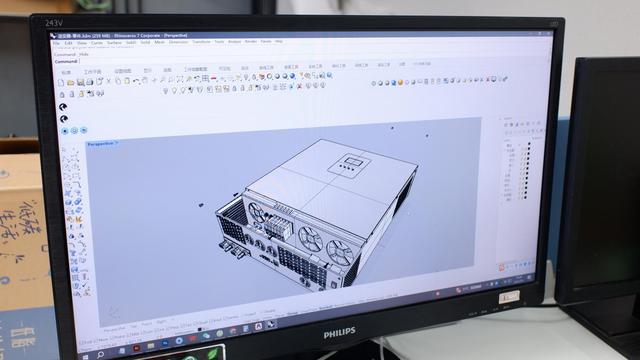
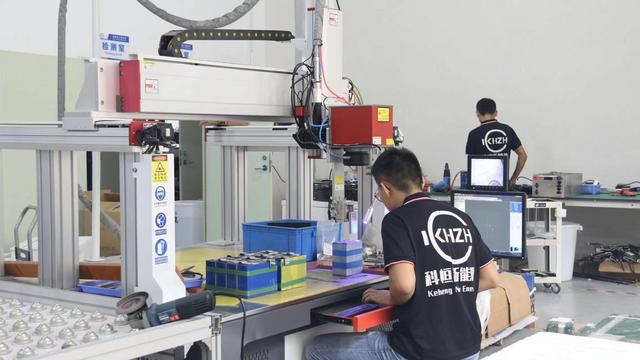
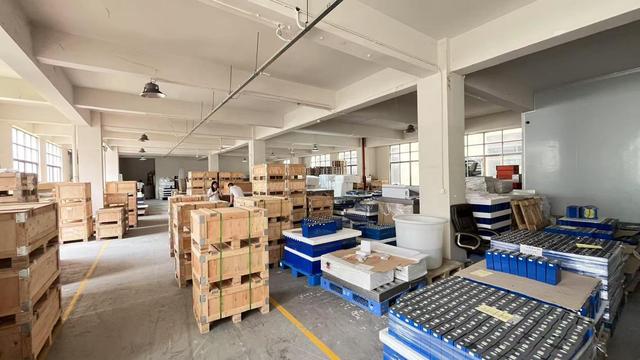
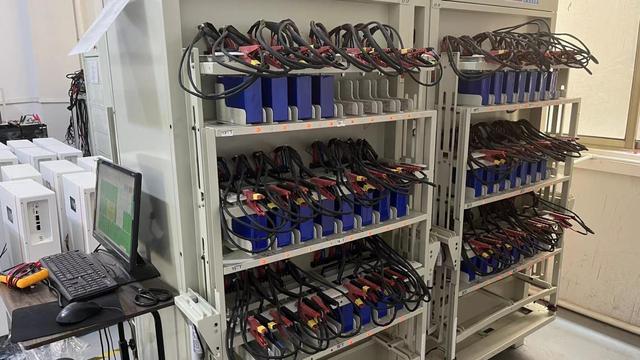
All CCSC systems are engineered to meet global standards. We supply equipment with compliance records spanning UL 9540A, CE, IEC 62619, UN38.3, and local grid connection codes (G99, IEEE 1547). This guarantees smooth integration and fast project approvals with local utility providers.
Our engineering support goes beyond manufacturing. We work directly with EPC contractors, system integrators, and local developers. From pre-sales simulation and site layout engineering to remote commissioning assistance, we minimize installation risks.
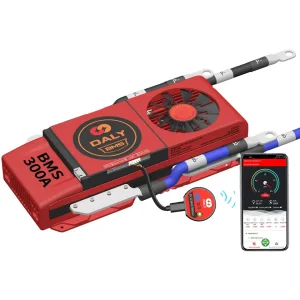
By using advanced liquid cooling architectures and 3-level battery management systems (BMS), we maintain ideal operating conditions. Even in extreme climates, we prevent thermal runaway and extend cell lifespans to over 6,000 cycles.
Our engineering team continuously adapts our hardware architectures to support next-generation chemistry and smart grid demands.
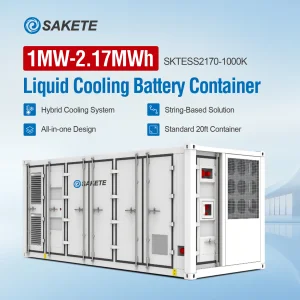
We are transitioning from standard 280Ah cells to 314Ah LFP chemistry. This upgrade increases the volumetric energy density of our standard container systems (like the Utility Grade 2.17MWh Container BESS) by over 12%, while maintaining the same physical footprint.
Our container configurations feature liquid-glycol cooling plates. This design reduces cell-to-cell temperature variations to less than 2.5°C, ensuring uniform wear across the battery system and reducing auxiliary power consumption.
We integrate machine learning models directly into our Energy Management Systems (EMS). This enables real-time state-of-health tracking, cell degradation prediction, and optimized scheduling for peak demand management.
 CCSC Energy