As the "brain" of energy storage systems, Battery Management Systems (BMS) have undergone a radical transformation. From simple voltage monitoring to AI-driven predictive maintenance, China's BMS factories are now at the forefront of global technological innovation. This whitepaper explores how Hangzhou CCSC Energy Co., Ltd. and other leading exporters are redefining battery safety and efficiency.
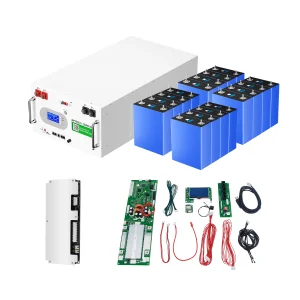
Modern BMS technology has shifted from passive balancing (dissipating energy as heat) to active balancing. This technology allows energy to be transferred from high-charge cells to low-charge cells, increasing the usable capacity of the battery pack by up to 15% and significantly extending the lifecycle of LiFePO4 systems.
The integration of IoT and Cloud computing allows for "Digital Twin" modeling of every battery cell. By analyzing real-time data against historical performance, our systems can predict thermal runaway events up to 24 hours before they occur, providing an unprecedented level of safety for industrial and utility-scale installations.
Leading Chinese exporters are now adhering to rigorous automotive-grade functional safety standards. This ensures that the BMS remains operational even under fault conditions, a critical requirement for grid-stabilization projects and mission-critical backup power.
Procuring a Battery Management System or a full BESS (Battery Energy Storage System) requires a deep understanding of the total cost of ownership (TCO). High-quality China-based factories offer more than just a low price; they provide Information Gain through technical transparency and supply chain resilience.
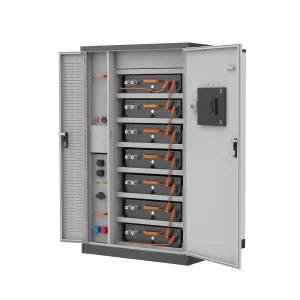
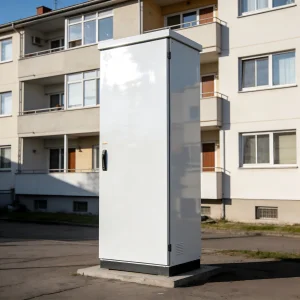
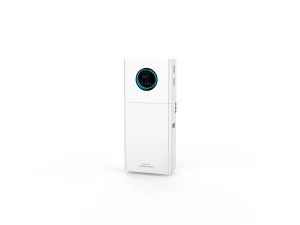
We provide end-to-end integration for various sectors. For Utility-Scale, our BMS supports complex grid services like frequency regulation. For Commercial & Industrial (C&I), we focus on peak shaving and load shifting to maximize ROI on electricity bills. For Residential, safety and ease of installation are the primary drivers.
Navigating international standards is a core competency. Our systems are pre-certified for UL 1973 (Stationary batteries), UL 9540 (ESS systems), CE (Europe), and UN 38.3 (Transport). Furthermore, our software interface supports multiple languages and integrates with global inverter brands like Victron, Growatt, and Deye.
The next decade of BMS development will be defined by three key pillars:
Hangzhou CCSC Energy Co., Ltd. is a professional Energy Storage System Manufacturer specializing in battery energy storage, renewable power integration, and smart energy solutions for residential, commercial, industrial, and utility-scale applications. Based in Hangzhou, China, the company focuses on developing advanced energy storage technologies that help customers improve energy efficiency, enhance power reliability, and support the transition toward sustainable energy systems.
With expertise in energy storage engineering and system integration, CCSC Energy provides comprehensive solutions covering battery energy storage systems (BESS), renewable energy storage integration, commercial and industrial energy storage, backup power systems, microgrid applications, distributed energy infrastructure, and intelligent energy management platforms. Its solutions are designed to support a wide range of applications, including solar energy utilization, peak demand management, grid stabilization, emergency power supply, and energy cost optimization.
The company is committed to delivering safe, efficient, and scalable energy storage solutions tailored to the needs of modern energy users. Its engineering team works closely with customers, project developers, EPC contractors, and energy service providers to design systems that align with specific operational requirements, performance objectives, and regulatory standards. From project planning and system design to manufacturing and technical support, CCSC Energy offers comprehensive services throughout the project lifecycle.
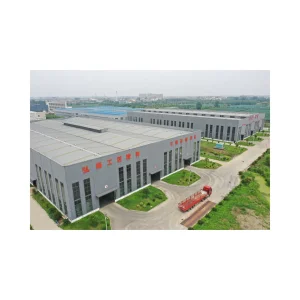
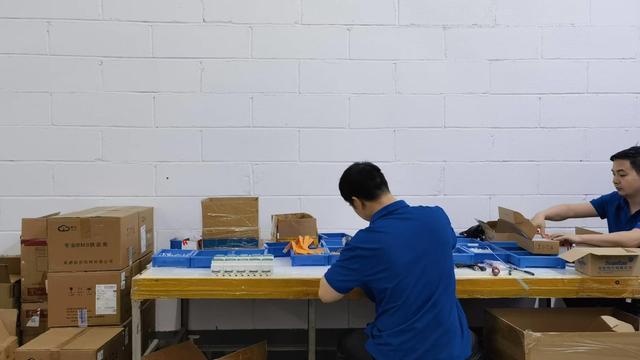
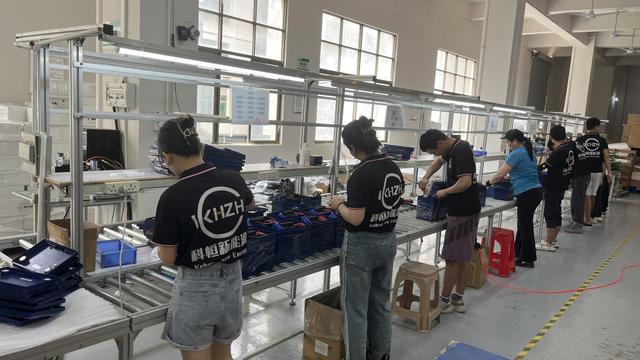
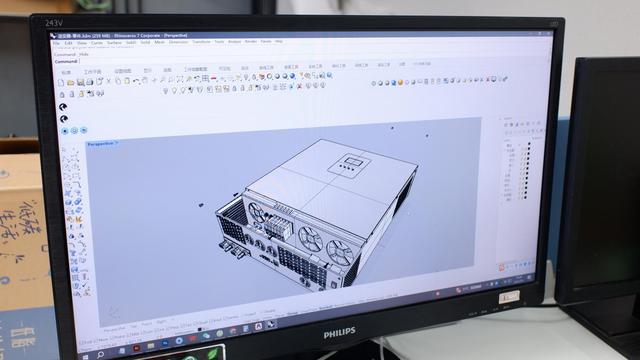
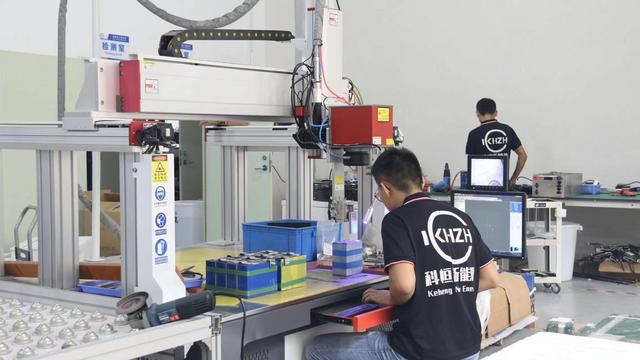
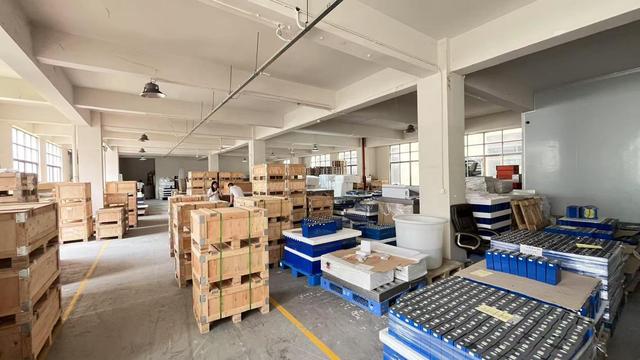
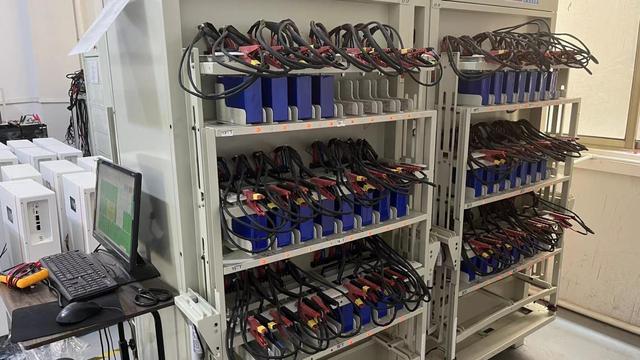
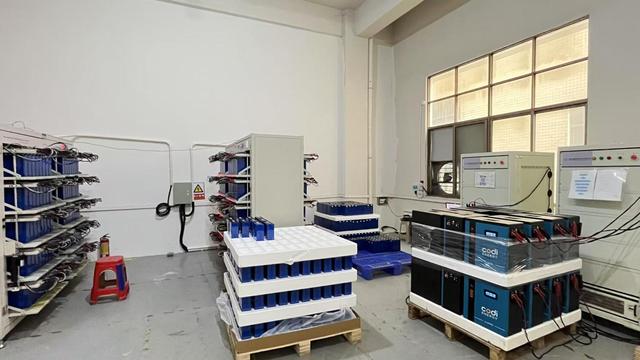
Equipped with advanced manufacturing facilities and stringent quality management processes, the company emphasizes product reliability, operational safety, and long-term performance. Continuous investment in research and development enables CCSC Energy to integrate intelligent monitoring technologies, advanced battery management systems, and smart energy control platforms into its solutions.
Serving customers across Asia, Europe, North America, South America, the Middle East, and other global markets, Hangzhou CCSC Energy Co., Ltd. is dedicated to providing innovative energy storage solutions that support renewable energy adoption, strengthen power resilience, and contribute to a more efficient and sustainable energy future.
 CCSC Energy