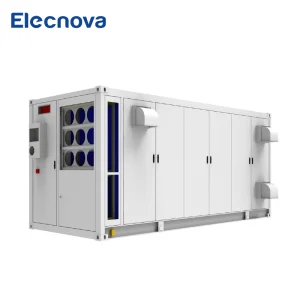
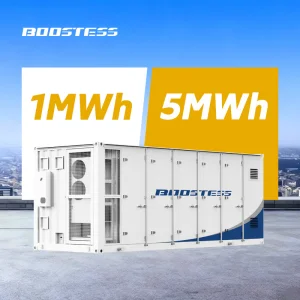
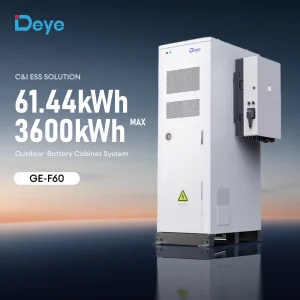
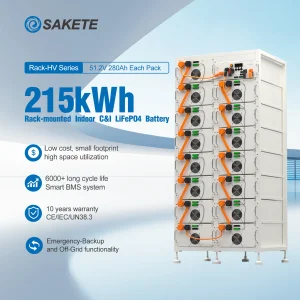
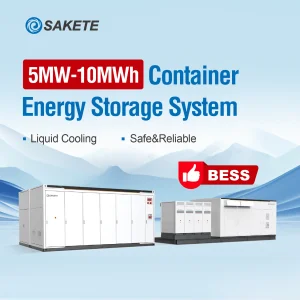
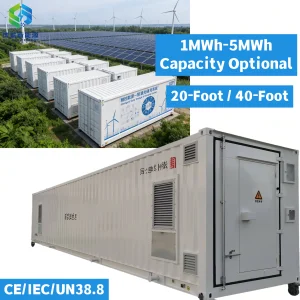
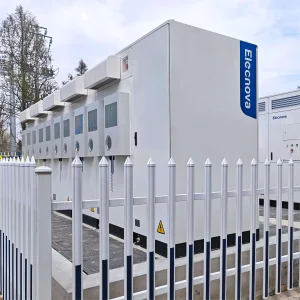
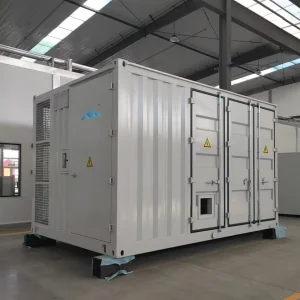
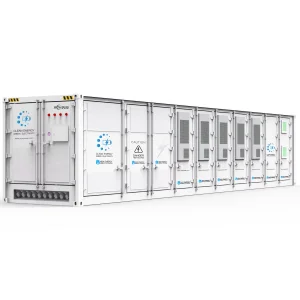
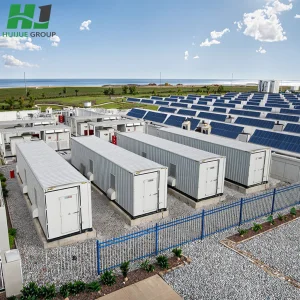
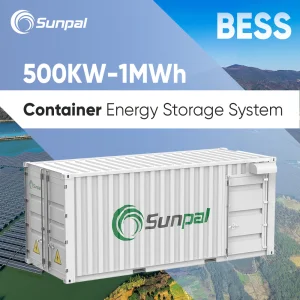
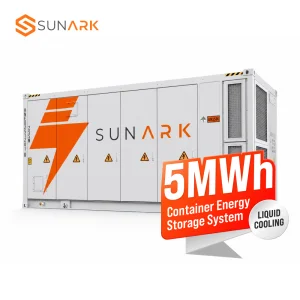
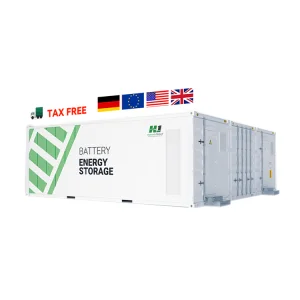
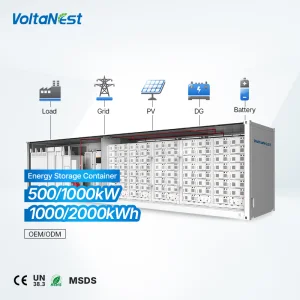
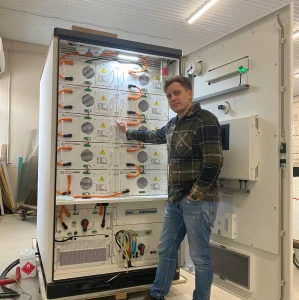
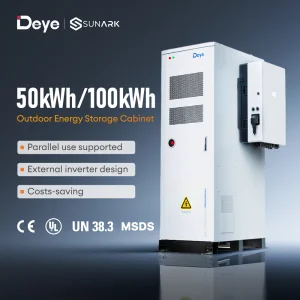
Deploy high-capacity energy storage systems custom-engineered to manage peak demand, eliminate capacity charges, and provide critical power backup.
As the primary economic hub of the Midwest, Chicago is characterized by highly energy-intensive industries, including major logistics nodes around O’Hare International Airport, sprawling data center corridors, manufacturing hubs, and large-scale commercial real estate. However, operating in the Commonwealth Edison (ComEd) service territory presents unique grid and financial pressures.
For Chicago enterprises, electric utility bills are heavily determined by capacity and transmission charges. High demand spikes during hot summer afternoons dictate the facility’s Peak Load Contribution (PLC) for the entire following year. By incorporating a high-capacity, containerized BESS, businesses can perform peak-shaving, discharging stored clean energy during peak grid hours, significantly lowering utility expenses.
Illinois law mandates transition to 100% clean energy by 2050, putting heavy decarbonization pressure on commercial and industrial operations. Integrated Solar-plus-Storage microgrids leverage local BESS installations to harvest clean energy, balance supply fluctuations, and ensure the regional grid handles the influx of distributed renewable generation without local voltage instability.
Maximizing energy ROI requires moving beyond standard battery banks to specialized, high-capacity, and thermal-regulated system topologies designed for reliable grid interaction.
Deploy multi-megawatt systems for frequency regulation within the PJM Interconnection. Facilitate rapid ramp-up capabilities to respond to dispatch signals, providing black-start capabilities and stabilizing local distribution feeders.
Chicago is one of North America's top data center markets. Liquid-cooled BESS containers provide reliable battery backup with near-instantaneous switchover (UPS grade), mitigating risk from grid brownouts or transient power quality events.
Ensure non-stop production for heavy manufacturing plants in the Chicagoland suburbs. In case of grid outages, these containerized BESS units can instantly isolate into island-mode, maintaining critical production operations.
As battery technology matures, selecting the correct architecture dictates the system’s lifetime return on investment, safety margin, and maintenance profile. In the harsh climatic conditions of the Midwest, this architectural choice becomes even more critical.
Chicago experiences temperature extremes ranging from winter sub-zero freezes to high summer humidity levels. In standard air-cooled enclosures, this leads to dramatic temperature deltas between batteries, accelerating degradation in specific cells.
Modern BESS solutions deploy advanced liquid cooling designs. By using a glycol-water mix routed directly through specialized thermal plates in contact with the cells, temperature uniformity is maintained within ±2°C. This prevents premature cell aging, increases overall round-trip efficiency by up to 3%, and extends operational life by 30-40% compared to air cooling.
Moving from traditional 1000V DC to 1500V DC systems has revolutionized utility-scale layouts. The higher voltage reduces structural current requirements, leading to:
Our standard chemistry choice. Highly stable structure resists thermal runaway up to much higher temperatures compared to NMC, eliminating cobalt extraction issues and dramatically enhancing system safety.
Deep control integration across cell, pack, and container levels. Includes localized telemetry reporting, real-time SoC/SoH estimates, and active cell balancing to maximize useful battery capacity.
Advanced Energy Management Systems that utilize predictive AI models. By monitoring ComEd utility rates and forecasting local peak periods, the EMS optimizes charging cycles automatically.
Chicago maintains some of the most rigorous electrical and structural permitting environments in the United States. Deploying energy storage systems requires navigating overlapping municipal and national safety frameworks.
To acquire municipal permit approvals in Chicago, battery installations must bear third-party certifications proving robust safety testing:
The NFPA 855 Standard outlines spacing, capacity limits, and mechanical ventilation rules. For Chicago installations, our team integrates:
Hangzhou CCSC Energy Co., Ltd. is a professional Energy Storage System Manufacturer specializing in battery energy storage, renewable power integration, and smart energy solutions for residential, commercial, industrial, and utility-scale applications. Based in Hangzhou, China, the company focuses on developing advanced energy storage technologies that help customers improve energy efficiency, enhance power reliability, and support the transition toward sustainable energy systems.
With expertise in energy storage engineering and system integration, CCSC Energy provides comprehensive solutions covering battery energy storage systems (BESS), renewable energy storage integration, commercial and industrial energy storage, backup power systems, microgrid applications, distributed energy infrastructure, and intelligent energy management platforms. Its solutions are designed to support a wide range of applications, including solar energy utilization, peak demand management, grid stabilization, emergency power supply, and energy cost optimization.
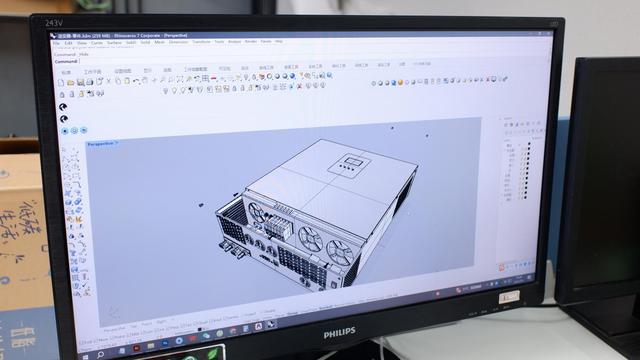
The company is committed to delivering safe, efficient, and scalable energy storage solutions tailored to the needs of modern energy users. Its engineering team works closely with customers, project developers, EPC contractors, and energy service providers to design systems that align with specific operational requirements, performance objectives, and regulatory standards. From project planning and system design to manufacturing and technical support, CCSC Energy offers comprehensive services throughout the project lifecycle.
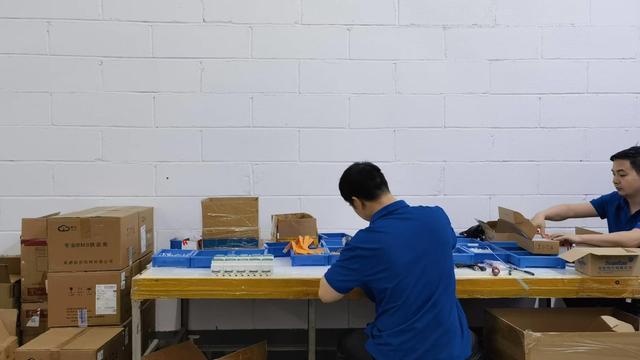
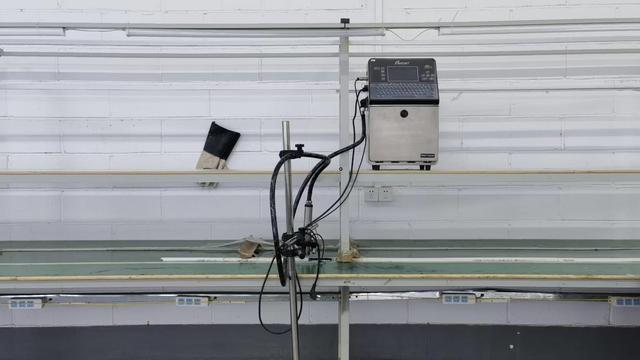
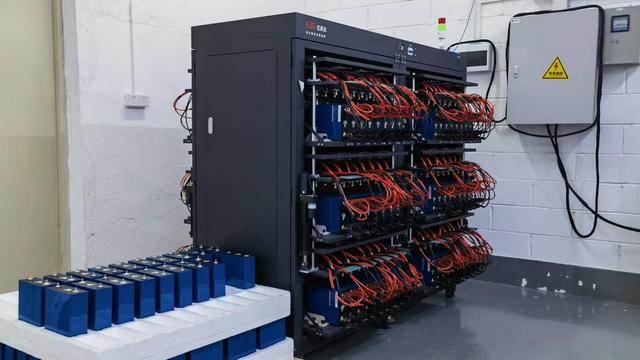
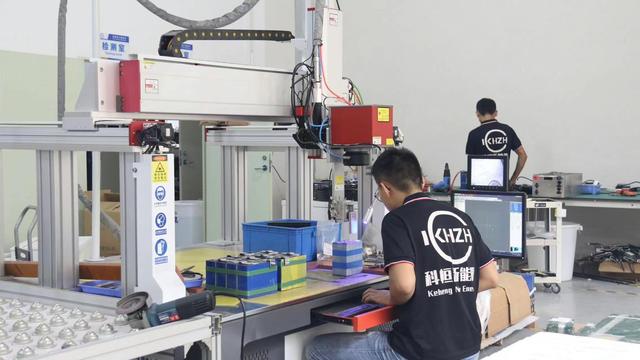
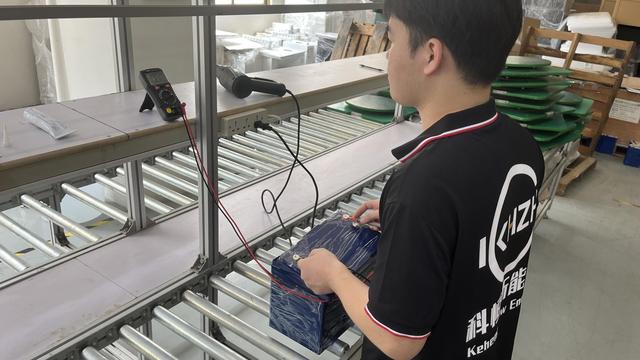
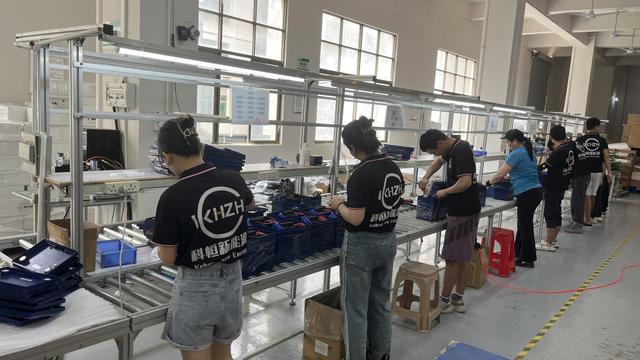
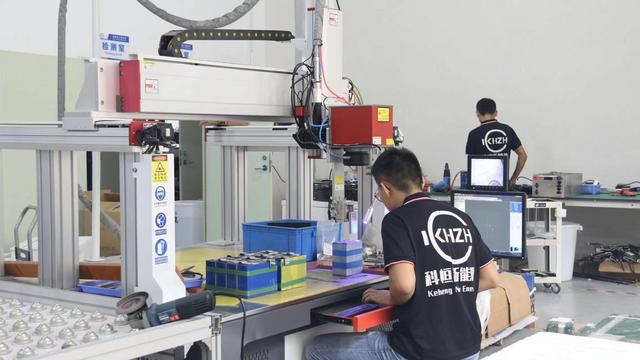
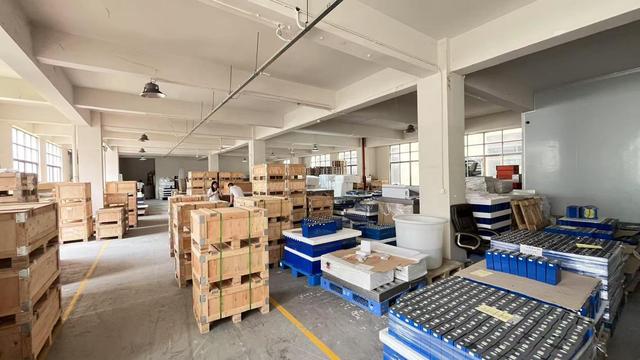
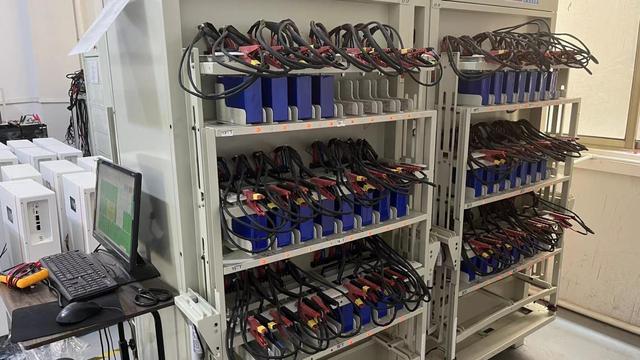
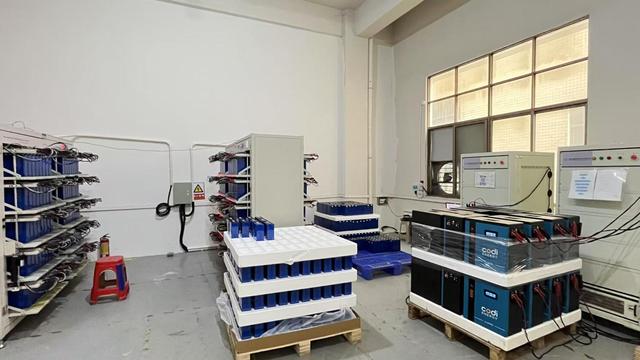
Equipped with advanced manufacturing facilities and stringent quality management processes, the company emphasizes product reliability, operational safety, and long-term performance. Continuous investment in research and development enables CCSC Energy to integrate intelligent monitoring technologies, advanced battery management systems, and smart energy control platforms into its solutions.
Serving customers across Asia, Europe, North America, South America, the Middle East, and other global markets, Hangzhou CCSC Energy Co., Ltd. is dedicated to providing innovative energy storage solutions that support renewable energy adoption, strengthen power resilience, and contribute to a more efficient and sustainable energy future.
Get in touch with our system engineers today to request technical specs, compliance documents, or custom capacity quotes.
Send Inquiry Now CCSC Energy