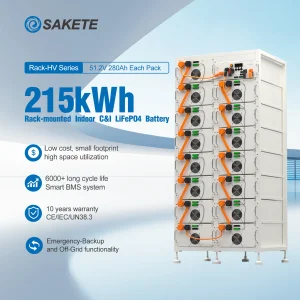
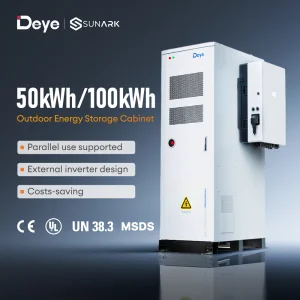
High-performance BESS engineered to meet the strict G99 and G100 grid connection standards of the United Kingdom distribution networks.
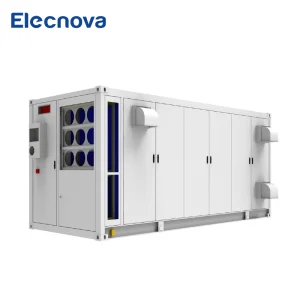
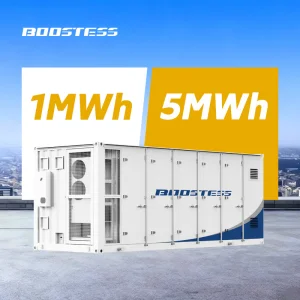
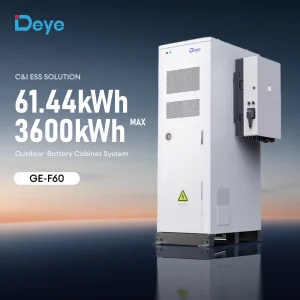
The United Kingdom is pioneering utility-scale and commercial energy storage integration in Europe. Driven by the legally binding target of achieving net-zero greenhouse gas emissions by 2050 and clean power by 2035, the UK electricity grid is undergoing unprecedented structural changes. The decommission of coal plants, coupled with the rapid integration of intermittent offshore wind in the North Sea and distributed solar PV assets, has triggered acute frequency volatility within the National Grid system.
For Commercial and Industrial (C&I) entities in the UK, this transformation presents both significant operational risks and immense financial opportunities. Traditional grid supply is increasingly vulnerable to high network charges, including Distribution Use of System (DUoS) fees and Transmission Network Use of System (TNUoS) tariffs. Through behind-the-meter (BTM) Battery Energy Storage Systems (BESS), British corporations can systematically bypass peak charges, stabilize on-site critical infrastructure, and generate revenue via grid balancing programs.
We see an increasing trend of co-located solar-plus-storage projects across business parks in the Midlands, logistics facilities in the South East, and heavy industries in the North. By implementing high-capacity LFP (Lithium Iron Phosphate) chemistries with integrated intelligent energy management platforms, UK enterprises are transforming their electrical systems from passive cost centers into active grid-resilient assets.
Mitigate high TNUoS and DUoS charges through smart peak shifting during high-demand red-band hours in local UK networks.
Ensure absolute business continuity. Our systems switch to islanding microgrid mode in milliseconds, maintaining power to critical manufacturing operations.
Ensuring full regulatory compliance with the Energy Networks Association (ENA) and UK DNOs to accelerate connection times.
Our utility-scale BESS solutions are pre-tested and designed to meet the strict ENA G99 engineering recommendations, ensuring smooth connection to UK Distribution Network Operator (DNO) networks, including UK Power Networks, National Grid Electricity Distribution, and SSE.
Deploy active export management with G100 compliant controllers. This enables systems to dynamic limit feed-in power, allowing developers to install large battery setups even in grid-constrained locations throughout the UK.
Strict adherence to UK safety protocols, including British Standards BS EN 62485-2, NFPA 855 thermal runaway prevention standards, and local environmental noise regulations to ensure secure operation in urban industrial zones.
The single greatest barrier to deploying commercial energy storage in the UK is grid capacity. Many local substations are congested, leading to grid connection queues that can stretch up to a decade. The implementation of active export limitation schemes (G100) provides a strategic workaround. A smart BESS monitors site consumption and ensures export limits requested by the DNO are never exceeded, meaning systems can get approved and online much quicker.
Furthermore, local safety regulators and fire services have increased scrutiny on battery container safety. Our containers utilize state-of-the-art aerosol-based fire suppression systems, combined with combustible gas detection and automated HVAC isolation, achieving compliance with the latest fire safety guides drafted by the UK Energy Institute.
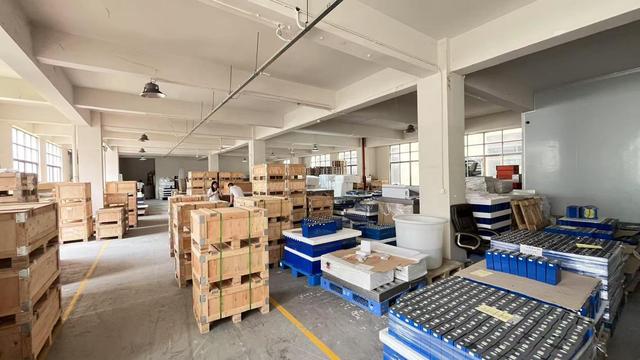
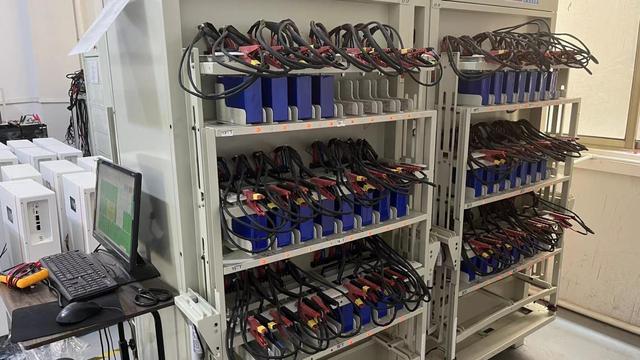
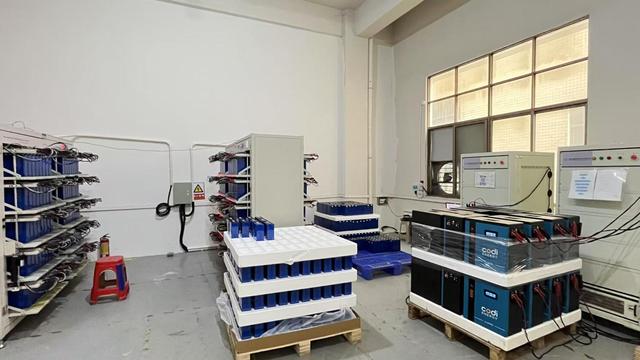
Hangzhou CCSC Energy Co., Ltd. is a professional Energy Storage System Manufacturer specializing in battery energy storage, renewable power integration, and smart energy solutions for residential, commercial, industrial, and utility-scale applications. Based in Hangzhou, China, the company focuses on developing advanced energy storage technologies that help customers improve energy efficiency, enhance power reliability, and support the transition toward sustainable energy systems.
With expertise in energy storage engineering and system integration, CCSC Energy provides comprehensive solutions covering battery energy storage systems (BESS), renewable energy storage integration, commercial and industrial energy storage, backup power systems, microgrid applications, distributed energy infrastructure, and intelligent energy management platforms. Its solutions are designed to support a wide range of applications, including solar energy utilization, peak demand management, grid stabilization, emergency power supply, and energy cost optimization.
Serving customers across Asia, Europe, North America, South America, the Middle East, and other global markets, Hangzhou CCSC Energy Co., Ltd. is dedicated to providing innovative energy storage solutions that support renewable energy adoption, strengthen power resilience, and contribute to a more efficient and sustainable energy future.
Our engineering team works closely with UK-based project developers, EPC contractors, and energy service providers to design systems that align with specific operational requirements, performance objectives, and regulatory standards. From project planning and system design to manufacturing and technical support, CCSC Energy offers comprehensive services throughout the project lifecycle.
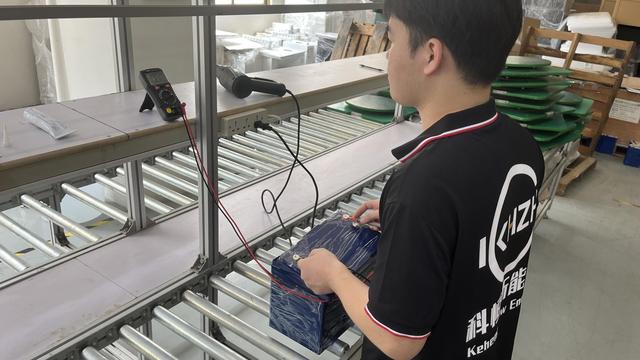
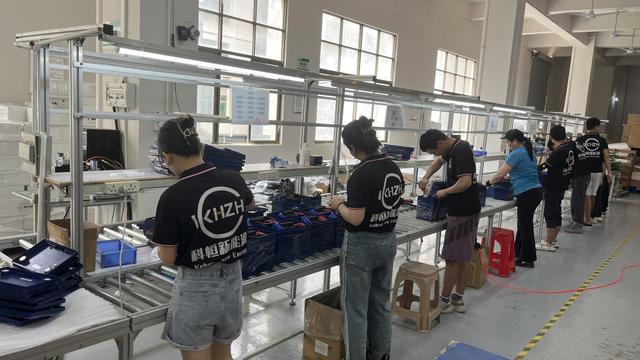
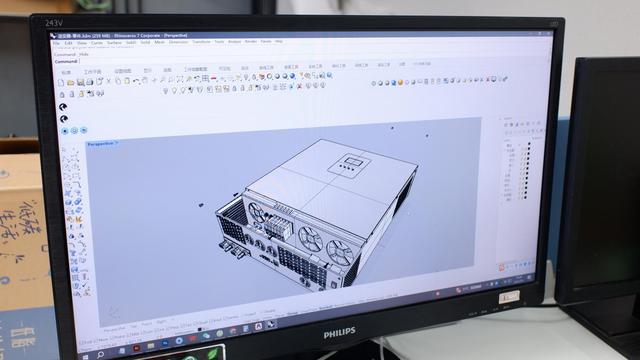
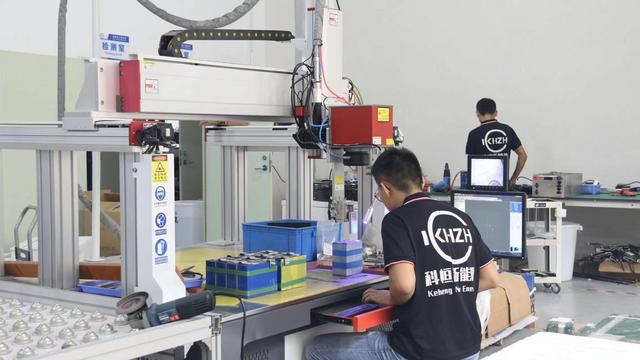
Understanding thermal efficiency profiles and degradation control to optimize the return on investment of BESS installations.
For high-density BESS configurations (such as 3.44MWh or 5MWh in a 20ft container), liquid cooling has become the industry benchmark. By circulating a mixture of water and glycol directly through cooling plates adjacent to the cell faces, liquid cooling achieves temperature uniformity across all cells within a deviation of less than ±2°C. This exceptional thermal control is crucial for preventing local cell degradation, maximizing cycle life up to 8000 cycles, and reducing auxiliary power consumption by up to 20% compared to air-cooled systems.
Our liquid-cooled containers feature intelligent HVAC control algorithms that adjust pump speeds in response to state-of-charge (SoC) profiles, charging/discharging C-rates, and ambient temperature swings, preventing internal condensation in the damp maritime climate of the UK.
Air-cooled configurations remain a highly cost-effective and structurally simple option for systems with lower discharge profiles (e.g., 0.5C or lower) and smaller footprints. Using localized variable-speed fans, air cooling provides reliable operation for commercial buildings, small microgrids, and standard peak-shaving applications.
CCSC Energy integrates optimized airflow designs, strategically placing baffles to channel cool air across modules and prevent heat pockets. This maintains optimal system conditions and keeps maintenance simple, as it requires no coolant refills or leak checks over its operational lifetime.
A BESS in the UK cannot rely on a single revenue model. To achieve commercial viability, system developers must design setups capable of executing "revenue stacking." Through our smart EMS, operators can prioritize and shift between different modes:
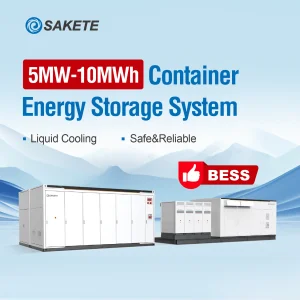
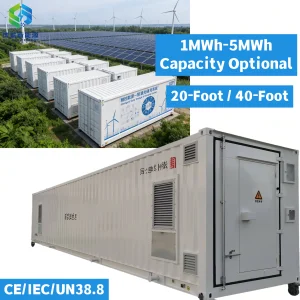
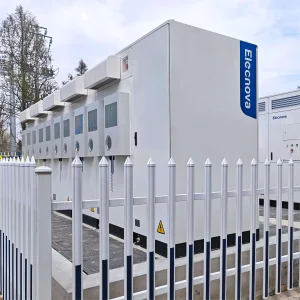
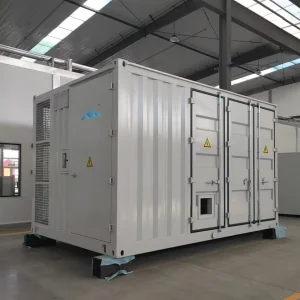
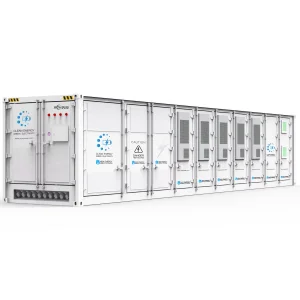
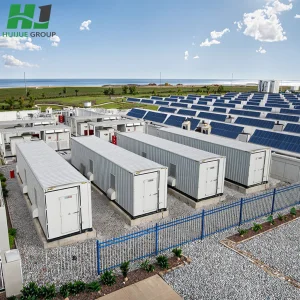
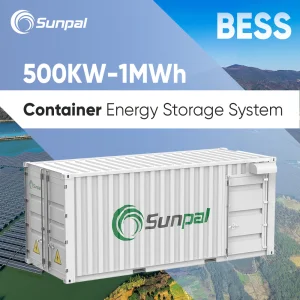
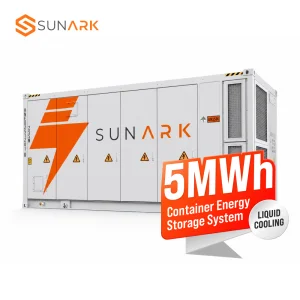
Browse our complete range of liquid-cooled and air-cooled battery systems, customized for UK utility-scale grids and commercial installations.
Crucial insights on grid engineering, safety, and financing for UK energy storage installations.
G99 is the regulatory requirement for connecting generation and storage systems to the UK distribution networks (DNOs). All industrial and utility BESS projects must undergo G99 testing and approval before commissioning to ensure safety, harmonic control, and voltage stability.
G100 details the requirements for customer export limiting schemes. This allows developers to use smart controls to ensure the BESS never exports power beyond DNO network capacity, resolving substation congestion and speeding up grid applications.
Liquid cooling maintains highly uniform cell temperatures (typically under ±2°C variation). This prevents localized hot spots within the battery container, slowing down battery degradation and mitigating thermal runaway risks. It is especially beneficial for high-density systems (above 1MWh) running multiple daily charge cycles for arbitrage or frequency services.
For behind-the-meter systems, payback typically ranges between 5 to 8 years depending on your local network tariff structure (e.g. DUoS/TNUoS), on-site solar generation, and the frequency of peak-shaving operations. Utilizing battery control software to participate in balancing services can further accelerate this timeframe.
Safety is our top priority. Our BESS containers are designed in accordance with BS EN 62485-2 and NFPA 855 standards. They incorporate multi-tier protection systems, including thermal sensors at the cell level, automated aerosol fire suppression (like Novec 1230 or FM200), and integrated HVAC isolation systems to prevent fire spread.
Yes, all our systems come fully integrated with a three-level Battery Management System (BMS) (cell, module, rack) and an advanced Energy Management System (EMS). Our EMS supports standard protocols like Modbus TCP, DNP3, and IEC 61850, enabling seamless communication with UK virtual power plants (VPPs) and local SCADA control systems.
 CCSC Energy