The modern global power architecture is undergoing a tectonic shift from centralized fossil-based grids to decentralized, decarbonized energy systems. At the forefront of this structural transformation is Hangzhou CCSC Energy Co., Ltd., a premium tier-one designer, engineer, and manufacturer specializing in advanced lithium battery energy storage systems (BESS). Driven by high-efficiency LiFePO4 chemistry and cutting-edge intelligent monitoring, our commercial and residential configurations empower global projects with unmatched safety, long cycle lifespans, and dynamic peak-load integration capability.
By leveraging industry-leading components, thermal engineering advances, and modular deployment strategies, we address the critical pain points of unstable grid environments, soaring carbon taxation, and structural utility price spikes across North America, Europe, Asia-Pacific, and South America.
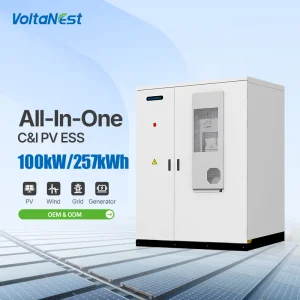
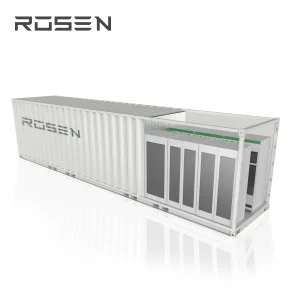
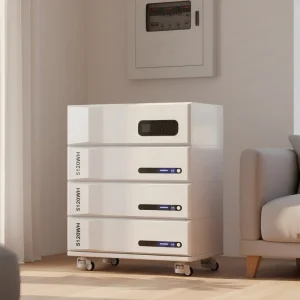
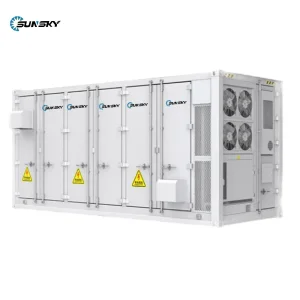
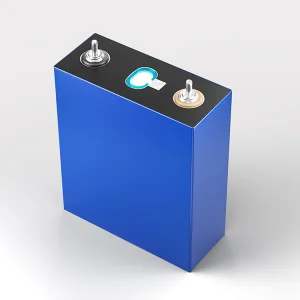
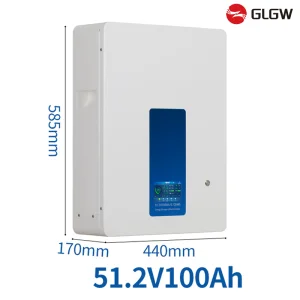
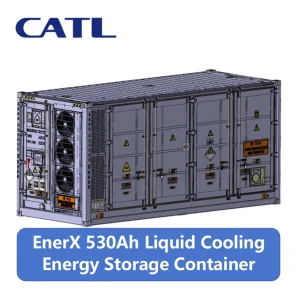
Explore our core product lineup engineered for optimal thermal stability, high density, and modular field installation.
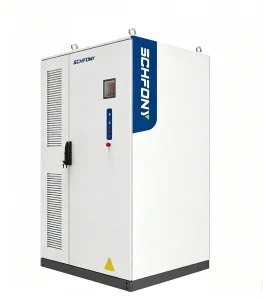
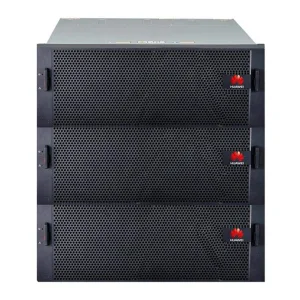
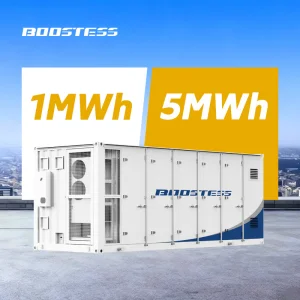
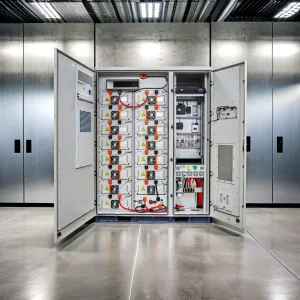
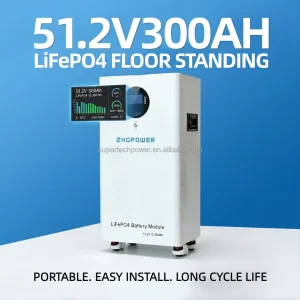
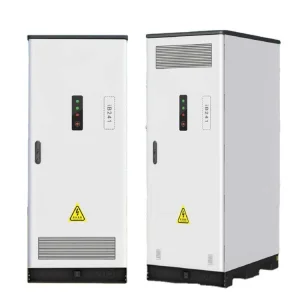
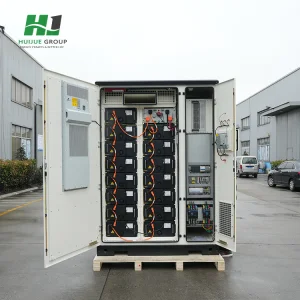
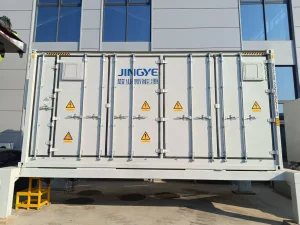
Technological inflection points shaping the future of global grid integration and private storage systems.
Traditional low-voltage 48V systems are rapidly being superseded by high-voltage topologies (ranging from 100V to over 800V). Higher operating voltages dramatically reduce currents, minimize heat generation, and cut down copper transmission losses. This translates to higher overall round-trip efficiency (RTE) for large-scale residential and C&I microgrids, simplifying parallel expansions and reducing thermal overheads.
Modern BESS platforms no longer act as passive reserve units. Through IoT integration and cloud networks, localized residential systems function within Virtual Power Plants (VPPs). Using AI-driven predictive algorithms, battery stacks automatically charge during negative-pricing energy phases and feed clean energy back to municipal grids during peak consumption, producing localized revenue streams for project developers.
As battery container densities exceed 5MWh limits, active liquid cooling has emerged as the definitive benchmark for thermal stability. By circulating customized glycol-water coolant directly adjacent to high-capacity LiFePO4 cells, uniform system temperature spreads are capped below ±3°C. This suppresses hotspot risks, prevents localized thermal degradation, and extends cell lifetimes by up to 25% over conventional air cooling.
For engineering procurement, construction (EPC) contractors, and utility asset developers, source security is paramount. Sourcing teams prioritize systems that guarantee uncompromising raw cell grade levels (such as CATL, Basengreen, and CCSC custom cells), robust supply-chain verification, and documented cyclical durability.
Procurement profiles are shifting towards integrated turn-key cabinets that eliminate structural compatibility risks during installation. Global installers demand direct, out-of-the-box compatibility with world-class hybrid inverters (Solis, Growatt, Deye, SMA, and Victron). Furthermore, strict commercial compliance with local grid interconnection standards—including UL 9540A fire test protocols, IEEE 1547 dynamic voltage regulations, and IEC 62619 industrial storage criteria—remains a critical bottleneck for commercial zoning approvals.
At Hangzhou CCSC Energy, we resolve these challenges by providing verified, certified containerized systems and wall-mounted home batteries designed specifically to fast-track municipal authorization processes.
Macro-grid operations are increasingly vulnerable to weather-induced grid drops and dynamic load fluctuations. Solving this requires distributed microgrids that can operate both grid-tied and islanded. By deploying distributed microgrid architectures featuring localized BESS systems, community housing complexes and small industrial regions can guarantee uninterruptible operations.
Our solutions incorporate sophisticated Energy Management Systems (EMS) that process real-time meteorological forecasts and local load habits. This optimizes the combination of solar PV production, generator operations, and grid pricing. These localized grids reduce strain on primary grid substations, decrease network distribution costs, and lower greenhouse gas emissions.
Underpinned by rigorous testing protocols, intelligent control platforms, and continuous engineering evolution.
Safety starts at the molecular level with chemical-stable Lithium Iron Phosphate (LiFePO4). Our safety architecture layers extend from structural shock-absorbing module framing up to built-in aerosol or gas-suppression fire mitigation canisters. Automated rapid-disconnect relays instantly isolate faulty arrays long before internal thermal runaway conditions can manifest.
The core of our technology is our smart BMS, which employs advanced algorithms to monitor state of charge (SoC), state of health (SoH), and voltage/temperature profiles at individual cell levels. Dynamic balancing protocols redistribute energy across cells, preventing overcharging, over-discharging, and cell capacity mismatches.
Whether designing a 10kWh home backup array or a 10MWh containerized utility sub-station, modular scalability is integrated directly into the hardware. Our systems support both series connection for voltage elevation and parallel connections for capacity extension. This allows customers to scale storage systems over time as local energy demands increase.
Engineered to support utility-scale peak shaving, off-grid microgrids, and highly resilient home installations.
Providing clear, expert answers to your critical system integration, lifespan, and safety questions.
Liquid cooling provides superior thermal exchange capabilities, keeping individual cell temperature differences within ±3°C, whereas air cooling can allow differences of up to 10°C. By maintaining a highly stable and uniform operating temperature, liquid cooling reduces degradation rates, extends battery lifespan by up to 25%, and minimizes the energy required for climate management within high-density containerized systems like the 5MWh EnerX units.
Our residential BESS solutions feature plug-and-play expansion options. Homeowners can start with a single module (e.g., 5.12kWh to 20.48kWh) and scale capacity by stacking additional units in parallel. The integrated smart BMS automatically detects the new modules, balances the voltage between units, and configures the system to operate as a single power block without manual programming.
To qualify for grid connection, residential batteries must comply with local safety and grid standards. For North America, key certifications include UL 1973 (for battery packs) and UL 9540/9540A (for thermal runaway safety). In Europe, systems must meet CE declarations, IEC 62619, and local grid requirements such as VDE-AR-N 4105 in Germany or G98/G99 in the UK. CCSC Energy products are designed to meet these international safety frameworks.
Our premium LiFePO4 cells are rated for over 6,000 cycles at 80% Depth of Discharge (DoD) under controlled temperature conditions (25°C). This translates to approximately 10 to 15 years of calendar life in typical daily cycling configurations, outperforming traditional NMC or lead-acid batteries.
Yes. By pairing our LiFePO4 battery storage with compatible off-grid or hybrid inverters, systems can run independently of the grid. The built-in power cabinets are designed to support inductive surges (often 2x the nominal rating) caused by air conditioners, pumps, and other high-startup-current appliances.
Our multi-tier fire protection design starts with chemically stable LiFePO4 cells. In containerized configurations, this is supplemented by built-in temperature sensors, smoke alarms, and automated clean-agent fire suppression systems (such as Novec 1230 or FM200). If an issue occurs, the BMS isolates the problematic pack to prevent the spread of thermal runaway.
Hangzhou CCSC Energy Co., Ltd. is a professional Energy Storage System Manufacturer specializing in battery energy storage, renewable power integration, and smart energy solutions for residential, commercial, industrial, and utility-scale applications. Based in Hangzhou, China, the company focuses on developing advanced energy storage technologies that help customers improve energy efficiency, enhance power reliability, and support the transition toward sustainable energy systems.
With expertise in energy storage engineering and system integration, CCSC Energy provides comprehensive solutions covering battery energy storage systems (BESS), renewable energy storage integration, commercial and industrial energy storage, backup power systems, microgrid applications, distributed energy infrastructure, and intelligent energy management platforms. Its solutions are designed to support a wide range of applications, including solar energy utilization, peak demand management, grid stabilization, emergency power supply, and energy cost optimization.
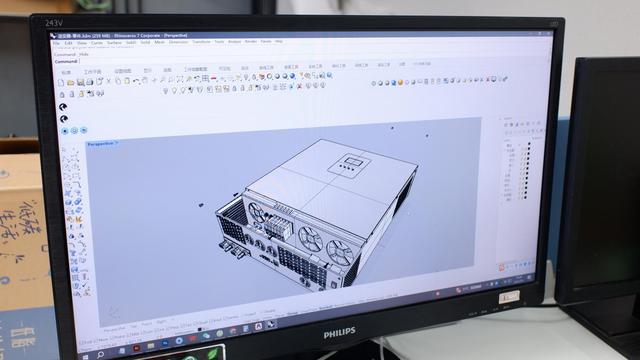
The company is committed to delivering safe, efficient, and scalable energy storage solutions tailored to the needs of modern energy users. Its engineering team works closely with customers, project developers, EPC contractors, and energy service providers to design systems that align with specific operational requirements, performance objectives, and regulatory standards. From project planning and system design to manufacturing and technical support, CCSC Energy offers comprehensive services throughout the project lifecycle.
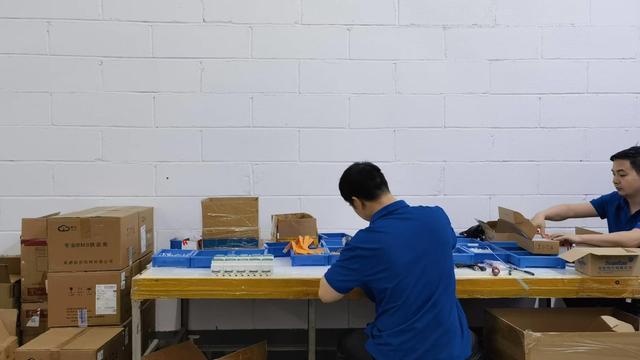
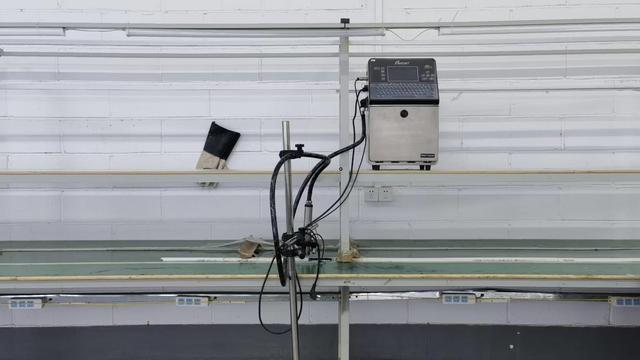
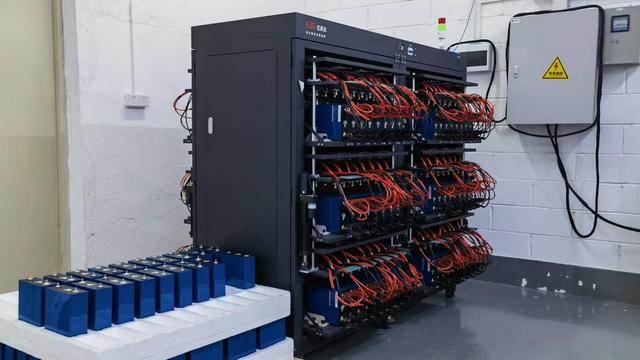
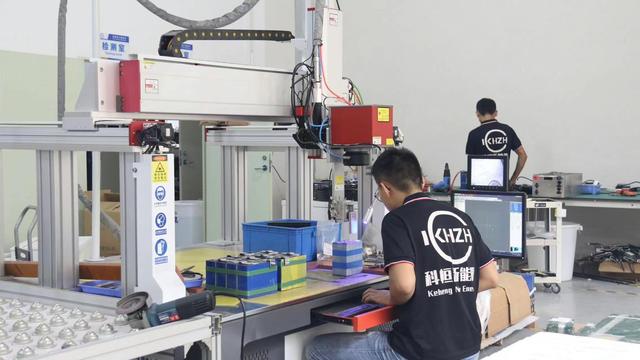
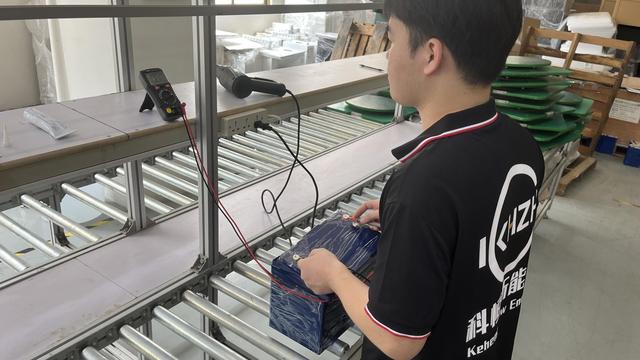
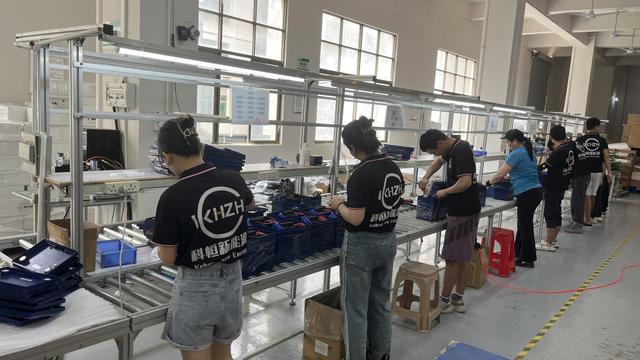
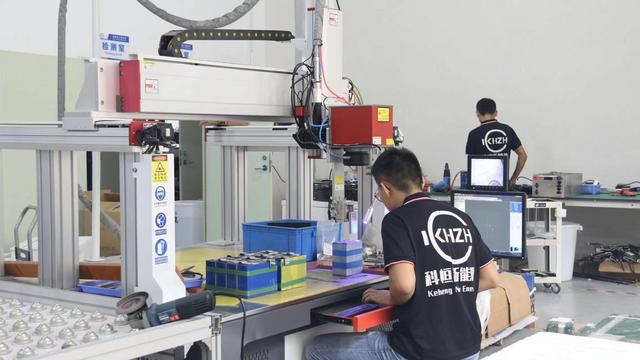
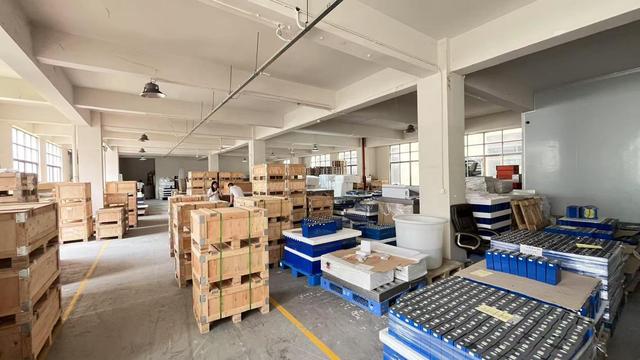
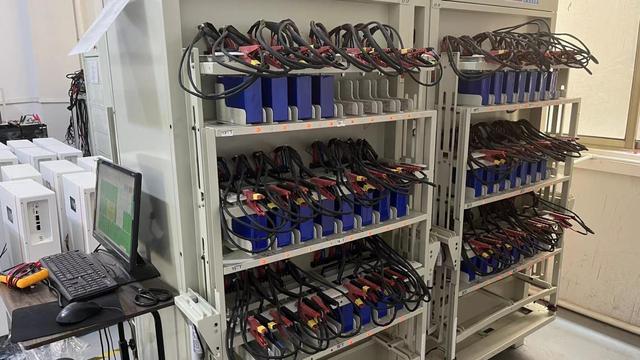
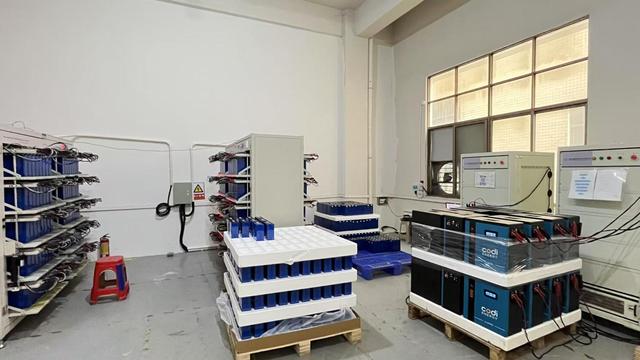
Equipped with advanced manufacturing facilities and stringent quality management processes, the company emphasizes product reliability, operational safety, and long-term performance. Continuous investment in research and development enables CCSC Energy to integrate intelligent monitoring technologies, advanced battery management systems, and smart energy control platforms into its solutions.
Serving customers across Asia, Europe, North America, South America, the Middle East, and other global markets, Hangzhou CCSC Energy Co., Ltd. is dedicated to providing innovative energy storage solutions that support renewable energy adoption, strengthen power resilience, and contribute to a more efficient and sustainable energy future.
 CCSC Energy