Product Description
Related Products
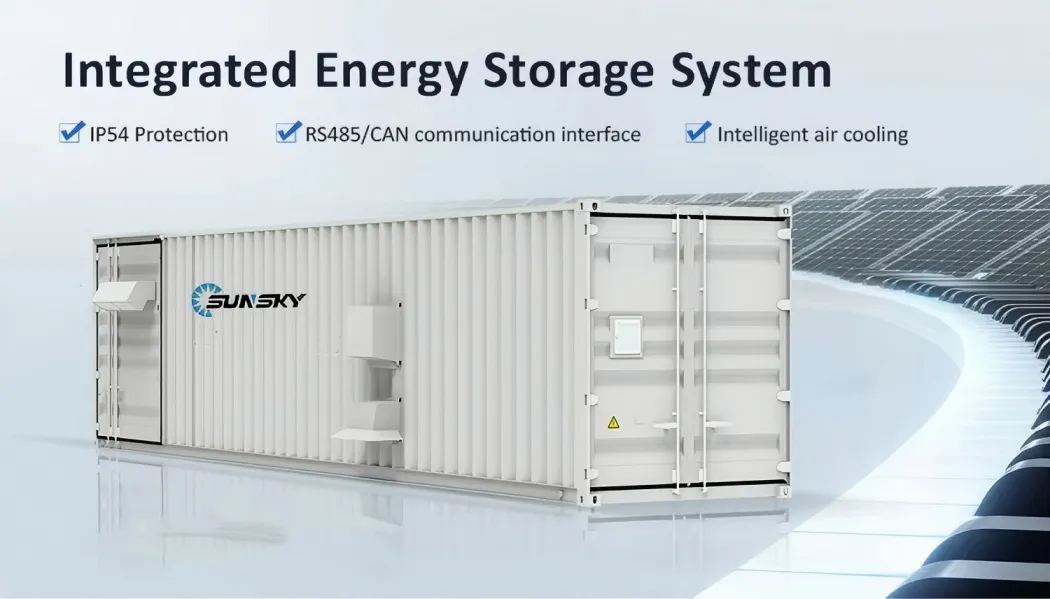
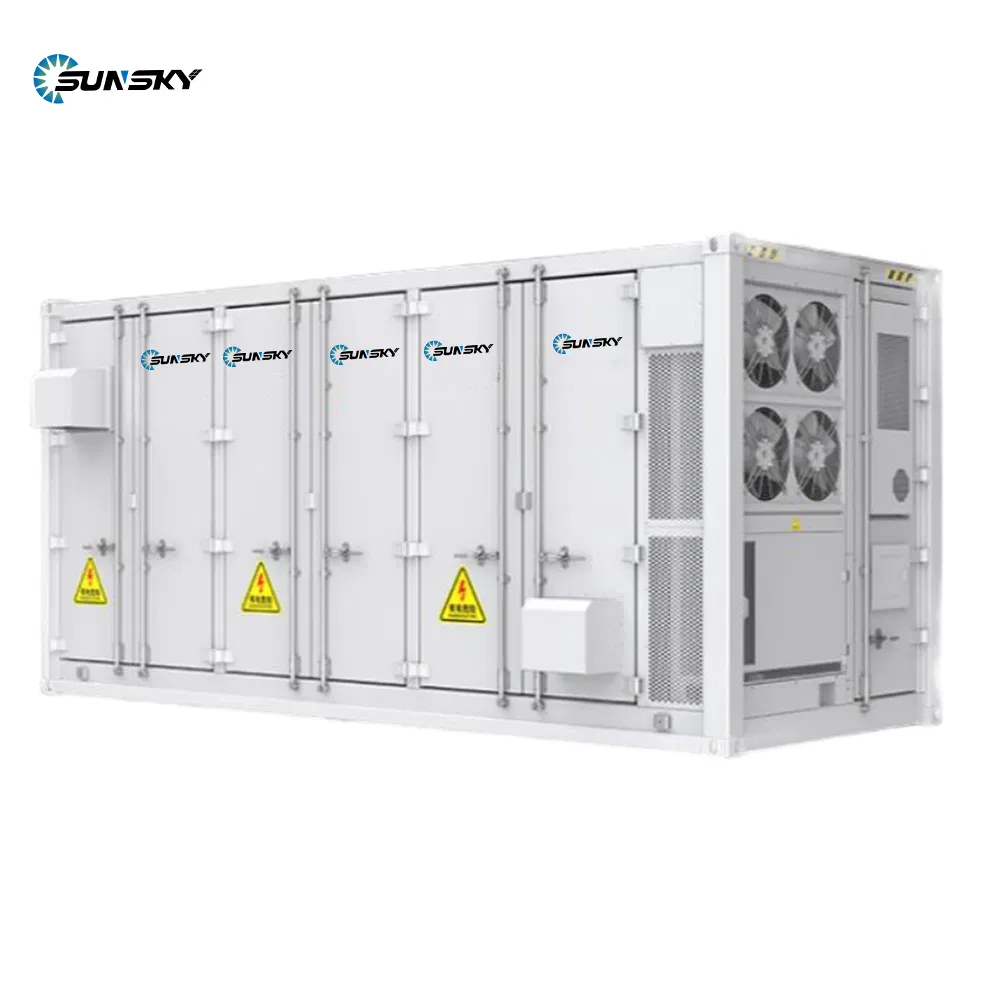
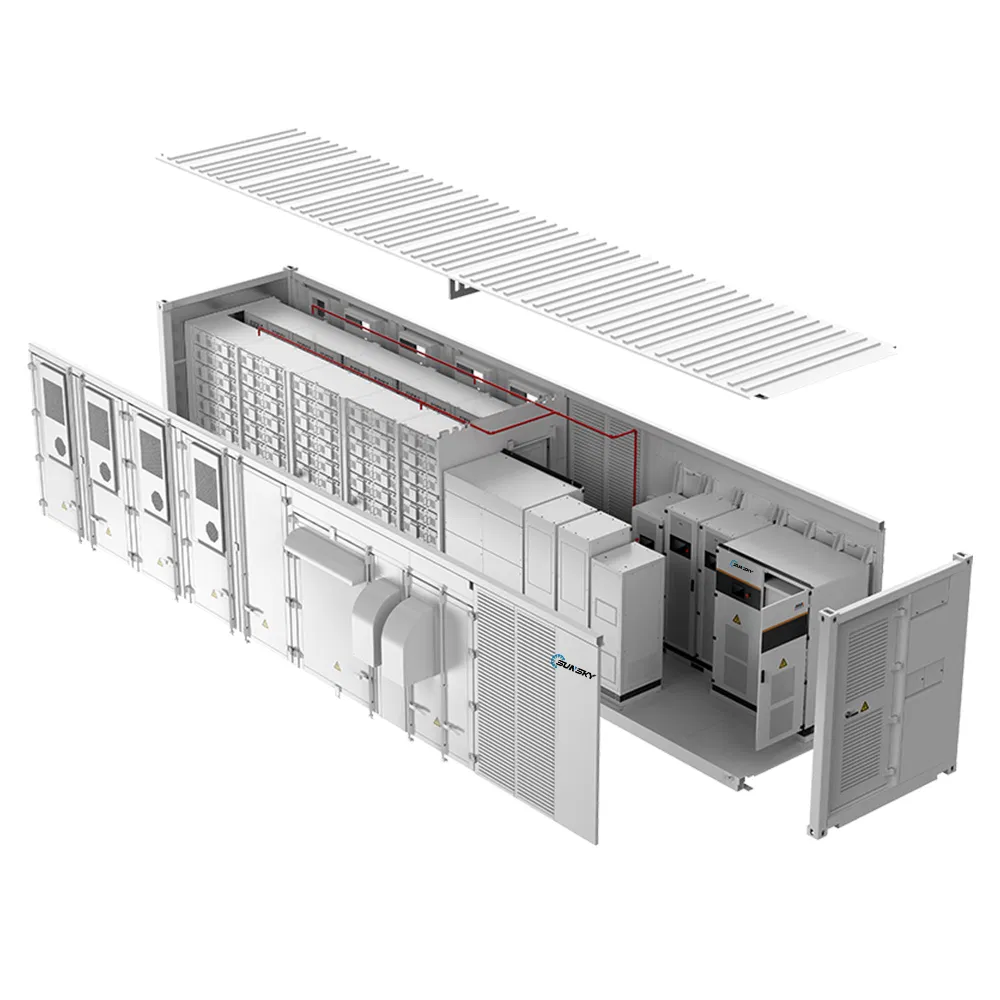
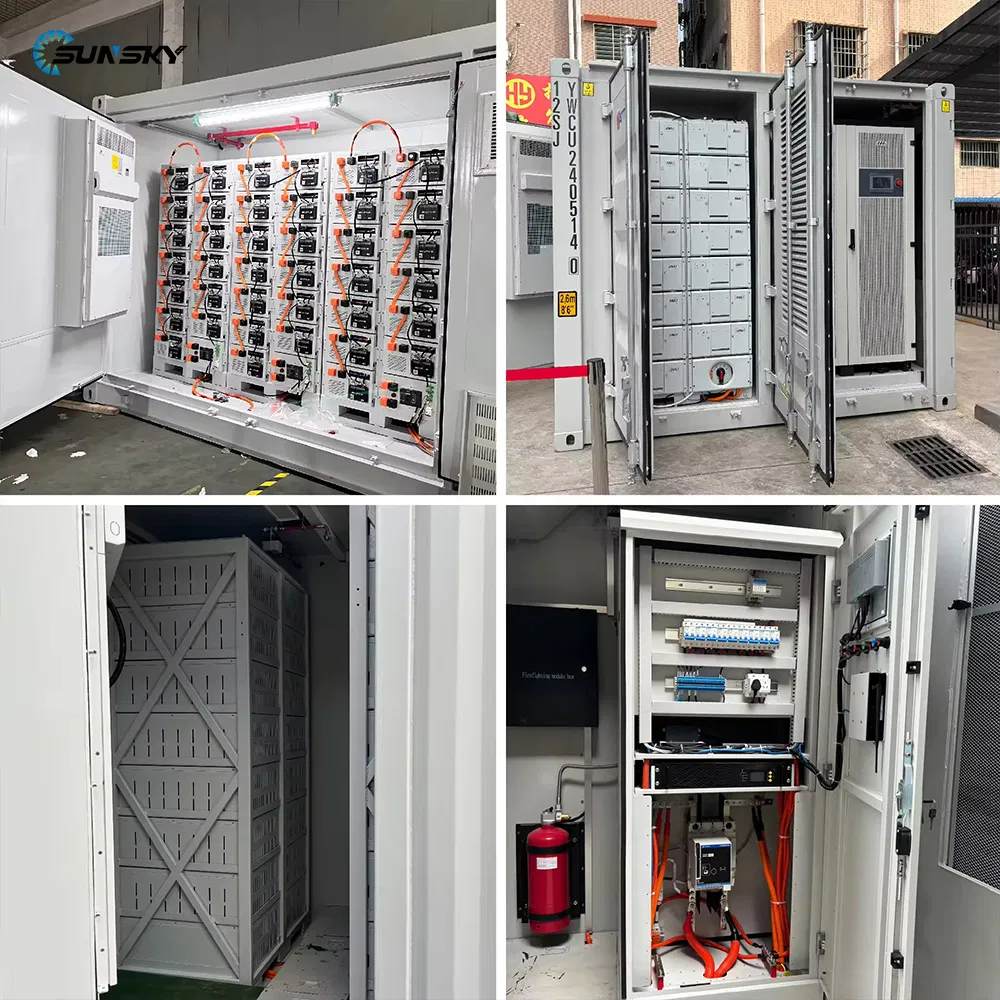
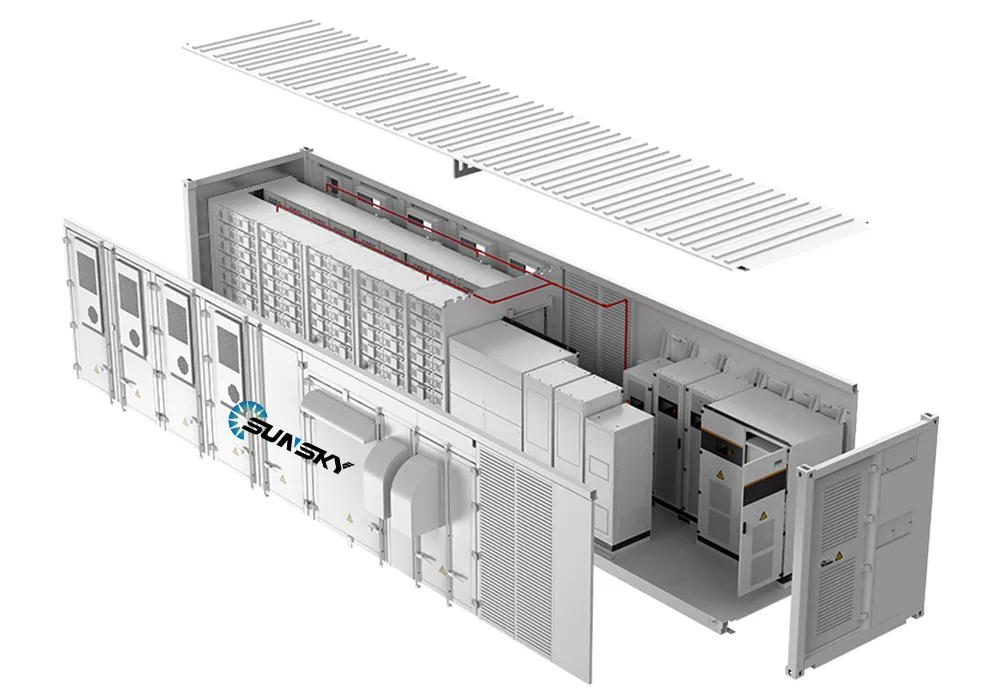
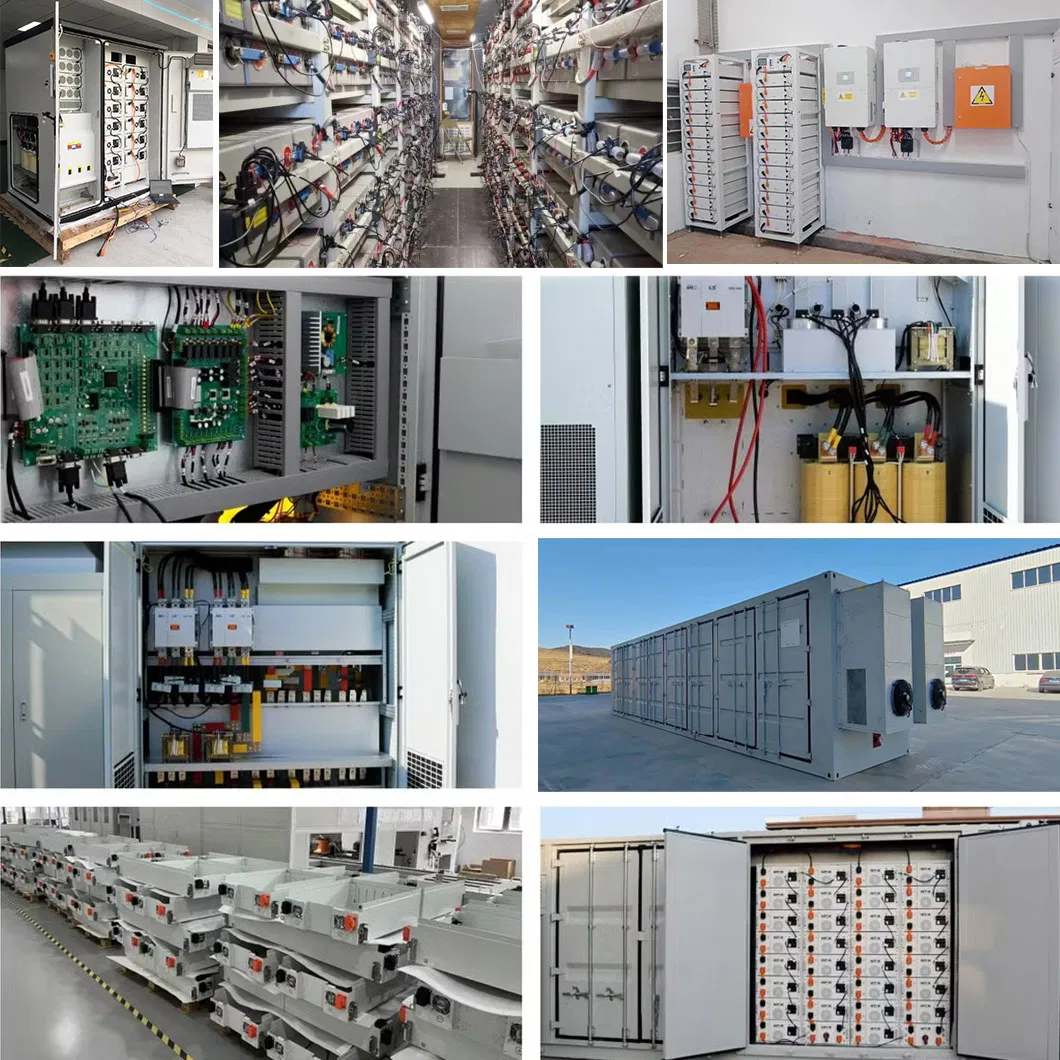
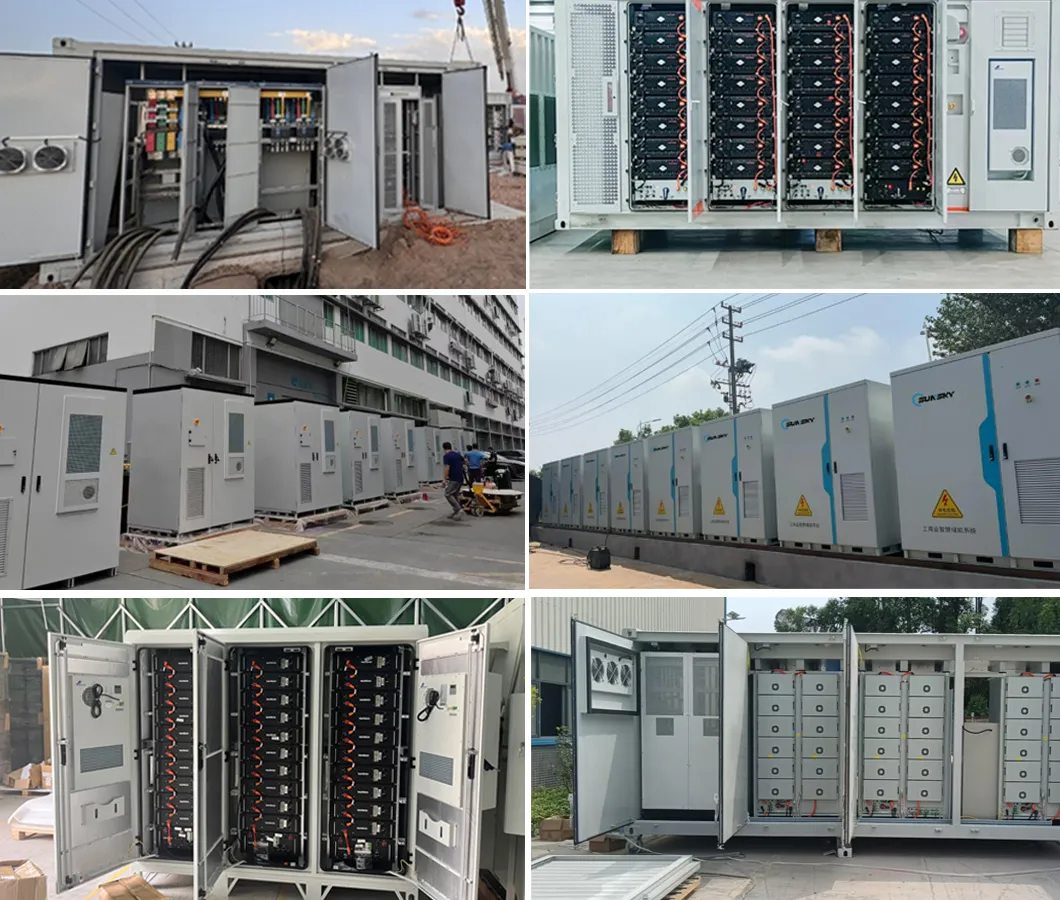
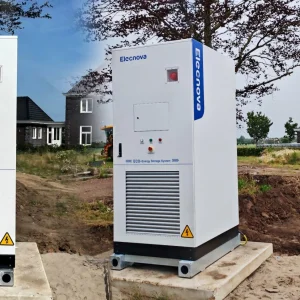
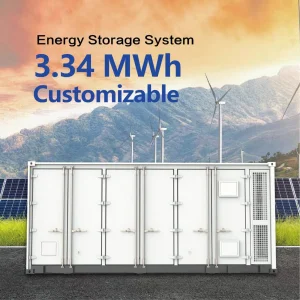
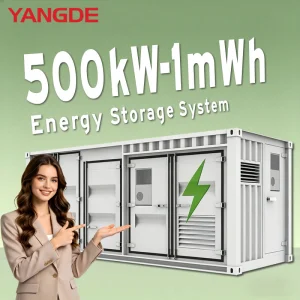
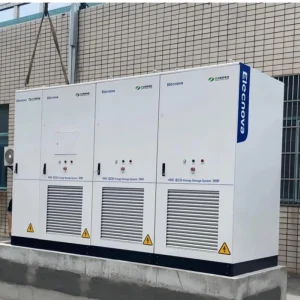
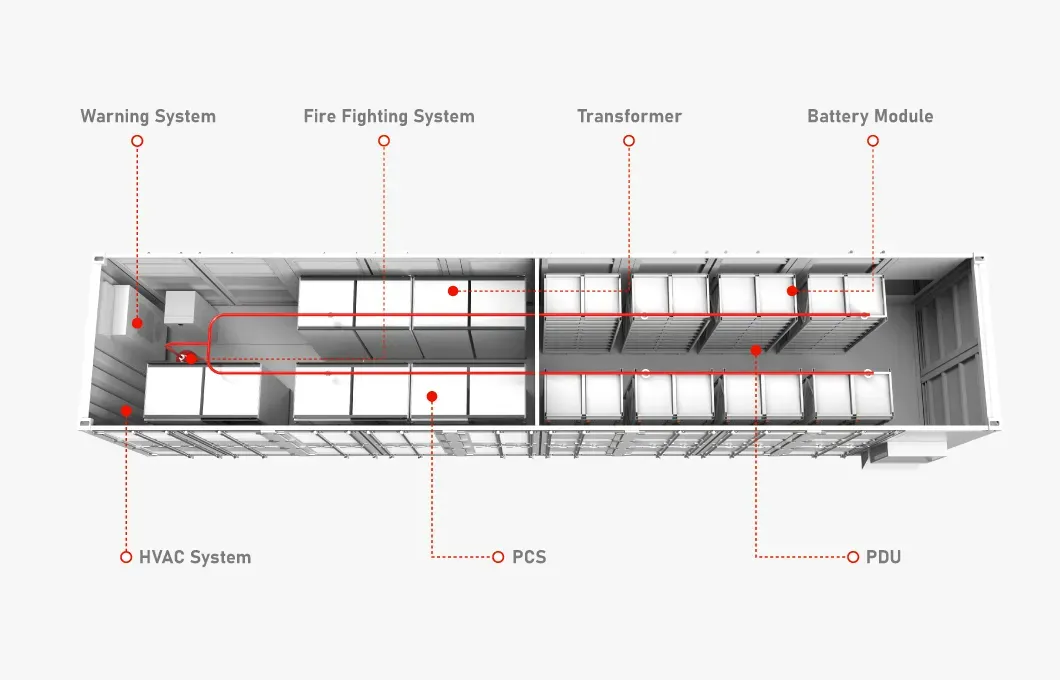
Our 20-ft and 40HQ liquid-cooled ESS container integrates PACK, EMS, BMS, HVAC, and fire safety system into one cabinet. Compared with air cooling, liquid cooling empowers the ESS product with higher power density and ensures the temperature difference between the cells within 3 ºC, which effectively extends battery service life and improves energy efficiency. The 20-ft liquid-cooled ESS container product can be applied to the power generation side, grid side, as well as C&I ESS scenarios that have strict requirements on power and capacity.
Product Warranty
Product Parameters
| Model |
SUN20FT-0.5MW/1MWh |
SUN40FT-1MW/2MWh |
| Battery Data |
| Cell type |
3.2V/280Ah/LFP |
| Cell brand |
HIGEE/EVE/REPT/CORNEX |
| Cell life cycle |
>8,000 cycles, 25°C |
| Cell spec |
3.2V/280Ah/315Ah/LFP |
| Energy of Each Cluster |
200.704kWh/225.075KWh |
| Number of Cluster |
5 |
10 |
| Total Rated Energy Capacity |
1003.52kWh |
2007.04kWh |
| Battery Voltage Range |
716.8V |
| Rated voltage |
627.2V |
| Voltage range |
627.2V~795.2V |
| BMS communication interface |
Ethernet, CAN, RS485 |
| BMS communication protocol |
Modbus RTU, Modbus TCP |
| AC Data |
| Rated AC power |
1*500kW |
2*500kW |
| Max. PV Power |
1*600kW |
2*600kW |
| Rated AC voltage |
380V/400V/220V/480V |
| AC PF |
1 leading ~ 1 lagging |
| Output THDi |
≤3% |
| Nominal grid frequency |
50/60Hz |
| Isolation method |
3 Phase 4 Line Transformer |
| General Data |
| Dimension w/o clearances (L*W*H) |
6058*2591*2438mm |
12116*2438*2896mm |
| Weight of whole system |
15230KGS |
30460KGS |
| Degree of protection |
IP54 |
| Operating temperature range |
-20~65°C |
| Relative humidity |
0~95% (non-condensing) |
| Max working altitude |
6000m (derate over 3000m) |
| Cooling concept of DC hatch |
HAVC |
| Cooling concept of PCS hatch |
Forced air cooling for power electronics. Air conditioned for battery system |
| Fire extinguisher system |
HFC bottle group |
| Communication interfaces |
RS485, Ethernet, GPRS |
| Communication protocols |
Modbus RTU, Modbus TCP |
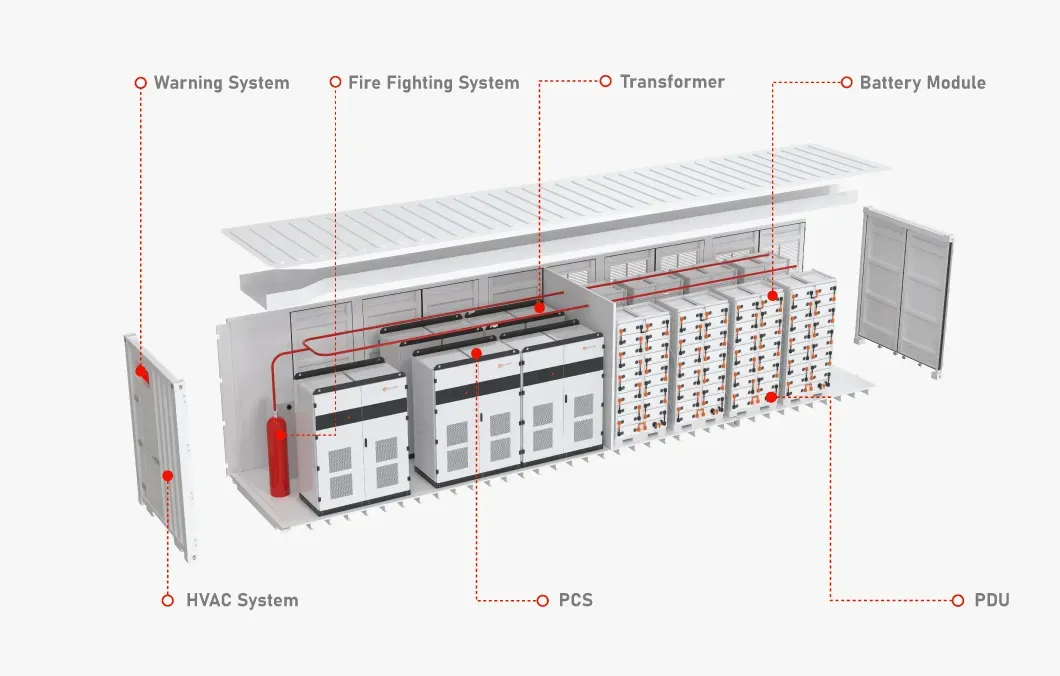
In order to reduce the production losses caused by power outages in summer, we have launched 20-foot and 40-HQ high-energy-density ESS. The DC side consists of lithium battery energy units, and the AC side uses MEGA series PCS. Through the EMS operation strategy, it interacts with the grid in a friendly way and provides power support for customers during power limited periods.
Key Features
- Multiple working modes can be flexibly set.
- Support battery management system and comprehensive thermal management.
- Support real-time online monitoring of system status.
- Support simultaneous access to load, battery, grid, DG, and PV.
- The electrical compartment and battery compartment are separated, preventing the spread of thermal runaway.
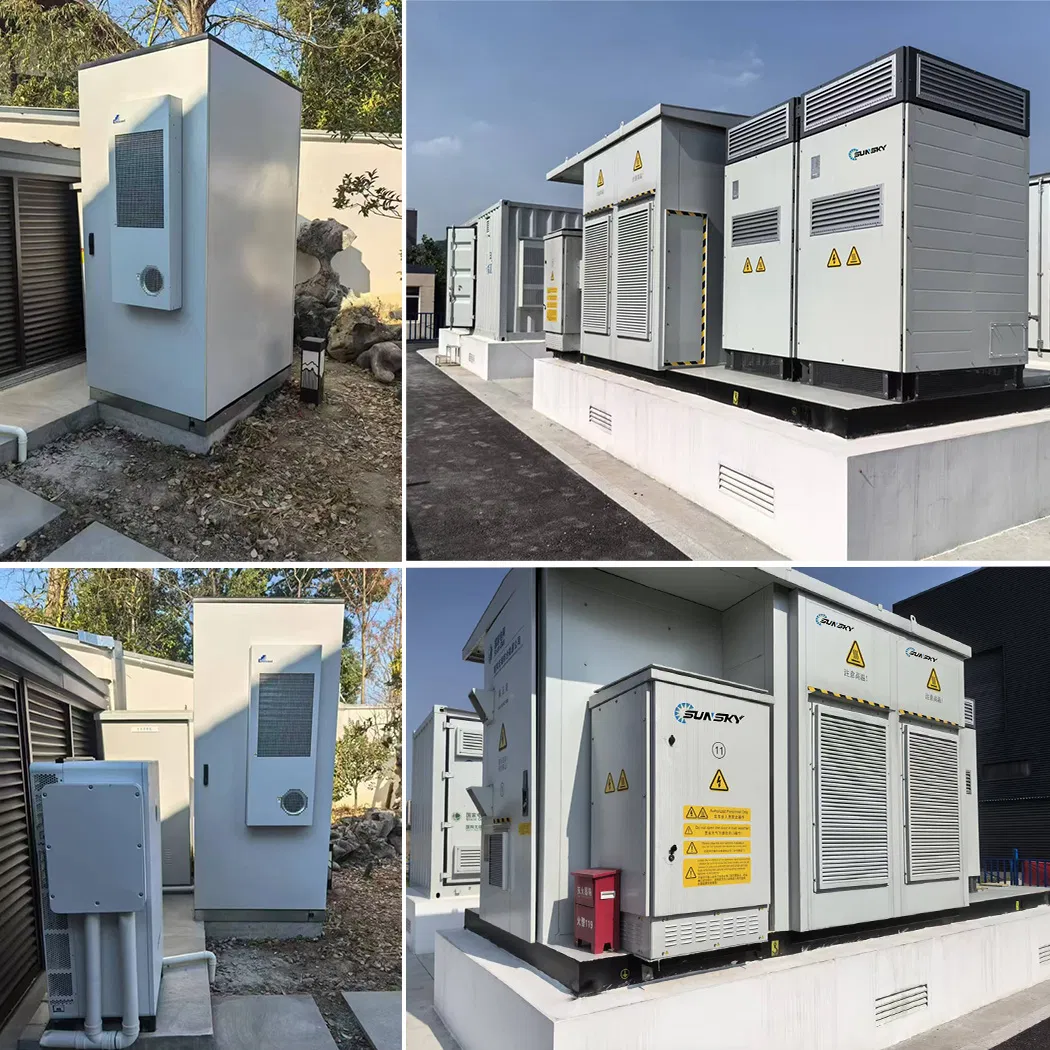
- Integrated design, easy to transport and install, flexible deployment.
Frequently Asked Questions
Q
How does DC coupling optimize the use of renewable energy in a large-scale system?
It allows for more captured solar energy to be stored directly, with minimal losses. This optimization ensures that a greater portion of the generated solar power is used either on-site or dispatched to the grid, enhancing the sustainability of the large scale solar battery storage project.
Q
What role does the Power Conversion System (PCS) play?
The PCS is the core component. It functions as a high-power, bidirectional inverter that converts DC from the solar and batteries to AC for use. It replaces the need for separate solar and battery inverters, streamlining the large scale solar battery storage infrastructure.
Q
What are the primary advantages of a DC-coupled system for on/off-grid large-scale projects?
Key advantages include higher overall system efficiency, a simplified system layout with fewer components, reduced balance of system (BOS) costs, and seamless integration for both on-grid and off-grid large scale solar battery storage systems.
Q
Why is DC coupling considered more efficient for large scale solar battery storage systems?
DC coupling is more efficient because it avoids multiple DC-AC-DC conversion steps. Solar energy can directly charge the batteries in DC form, reducing energy losses. This higher efficiency is crucial for maximizing ROI in large scale solar battery storage applications.
Q
What is DC coupling in the context of large scale solar battery storage?
DC coupling is a system architecture where solar panels and batteries are connected on the same Direct Current (DC) bus before being converted to Alternating Current (AC) by a single, centralized inverter. This is a highly efficient solution for large scale solar battery storage projects.
Q
What is the standard warranty period for the complete Energy Storage System (ESS)?
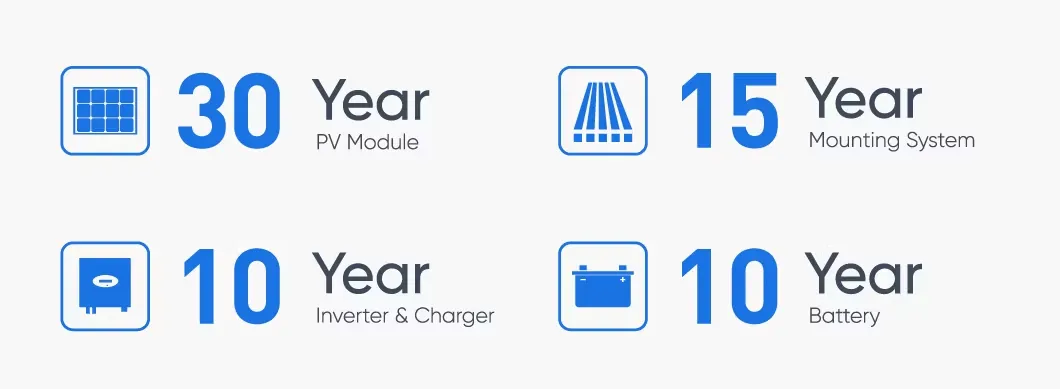
The system comes with a comprehensive 10-year warranty, providing long-term reliability and professional technical guidance for industrial, commercial, and utility installations.
 CCSC Energy