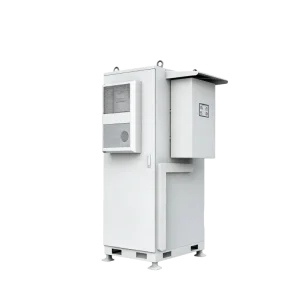
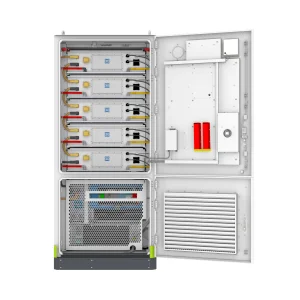
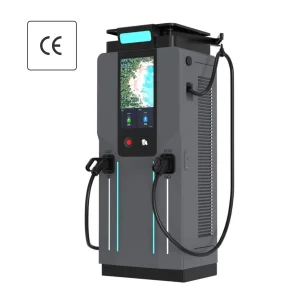
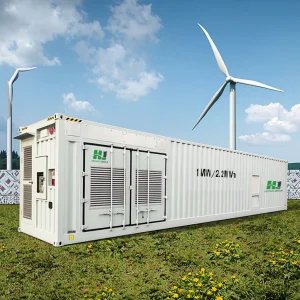
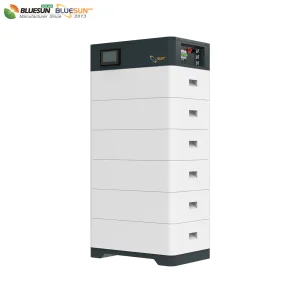
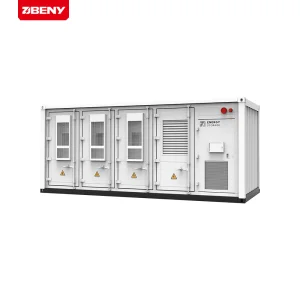
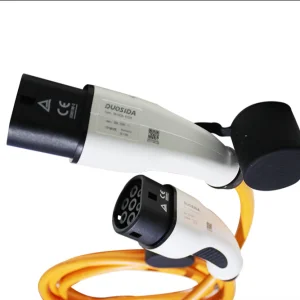
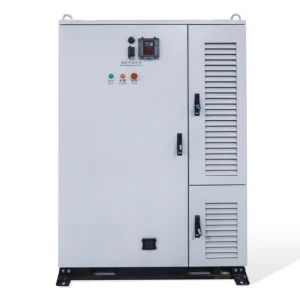
Explore our advanced catalog of liquid-cooled systems, integrated storage cabinets, and commercial-scale energy solutions.
An industry pioneer delivering engineering excellence and highly customized battery storage technologies worldwide.
Hangzhou CCSC Energy Co., Ltd. stands as an authoritative force in the global renewable landscape. Operating as an industry-leading Energy Storage System Manufacturer, we specialize in high-capacity lithium iron phosphate (LFP) chemistry, integrated microgrids, utility-scale infrastructure, and intelligent energy management solutions. From our headquarters in Hangzhou, China, we utilize an advanced R&D ecosystem to develop turn-key technologies that mitigate power instability, optimize grid dynamics, and slash carbon metrics for global enterprises.
Our capabilities bridge the entire life cycle of energy solutions. With a core engineering team boasting decades of collective experience in power electronics, thermal dynamics, and battery health analytics, we work with project developers, Engineering, Procurement, and Construction (EPC) firms, and Independent Power Producers (IPPs). CCSC Energy provides bespoke architectures optimized for regional climates, structural regulations, and grid demands, guaranteeing high returns on investment and unmatched system safety.
Understanding macro-shifts in high-capacity energy capture, localized grid requirements, and purchasing profiles.
Traditional air-cooled units struggle with localized heat pockets, lowering cycle life. Modern procurement guidelines prioritize liquid-cooling systems which control thermal gradients to within ±2°C across all battery modules. This improves system efficiency, increases energy density by 30%, and extends cell lifespan to over 6,000 cycles at 80% Depth of Discharge (DoD).
Energy storage operators face intense regulatory inspection. Adhering to standards like UL9540 (Standard for Energy Storage Systems and Equipment) and UL9540A (Test Method for Evaluating Thermal Runaway Fire Propagation) is mandatory. Buyers require validated manufacturing records that guarantee compliance with local utility regulations.
Enterprise procurement decisions are based on the Levelized Cost of Storage (LCOS) and total lifetime savings. CCSC Energy mitigates long-term costs by sourcing Tier-1 cells, applying intelligent double-layer BMS balancing, and designing plug-and-play modular cabinets that reduce installation complexity and on-site engineering labor.
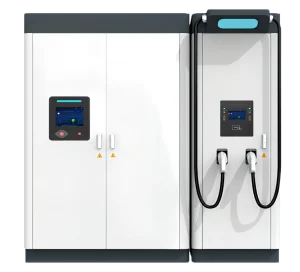
Commercial operators are pairing EV fast chargers directly with onsite battery storage (Solar-Storage-Charging configurations). This avoids massive peak-demand penalties from utility companies, keeps peak demand stable, and allows grid-independent fast-charging services in locations with capacity limits.
How CCSC Energy leverages system integration to solve critical operational bottlenecks for industrial applications.
Global power distribution faces significant changes. Rapid integration of intermittent solar and wind sources creates grid fluctuations, while industrial facilities deal with rising transmission demand charges. CCSC Energy's system portfolio is designed to mitigate these issues across major sectors:
For operations utilizing heavy machinery, peak demand spikes can drive utility costs upward. Our containerized LFP storage units enable automated peak shaving and load leveling. They capture power during lower-cost off-peak hours and discharge during demand spikes, helping control operational costs.
Sudden supply-demand mismatches can cause frequency deviations that trigger grid failure. CCSC Energy’s containerized batteries respond within milliseconds (primary frequency regulation), injecting or absorbing active power to preserve grid balance and maintain line stability.
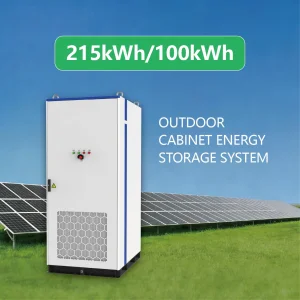
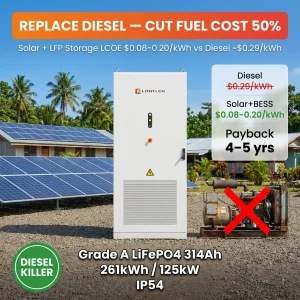
Off-grid mine sites, islands, and remote installations rely on expensive diesel generators. Our outdoor containerized BESS configurations pair with PV arrays to create microgrids, cutting fuel consumption, reducing emission profiles, and providing reliable backup power.
How Hangzhou CCSC Energy is designing systems for tomorrow's energy density requirements.
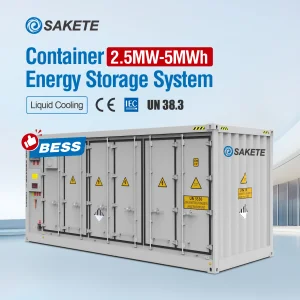
We are upgrading our standard industrial cabinets to integrate next-generation 314Ah lithium iron phosphate (LFP) cells. This modification will yield a 12% increase in volumetric energy density, allowing a standard 20ft container to reach storage capacities exceeding 5.0MWh without footprint expansion.
We are integrating machine learning algorithms directly into our local Energy Management Systems (EMS). By analyzing charge/discharge kinetics in real-time, the system predicts thermal anomalies and micro-short circuits up to 24 hours before they manifest, improving overall plant safety.
While prioritizing cost-effective LFP cells today, our engineers are developing structural chassis capable of housing future solid-state cells, positioning CCSC Energy customers to leverage high-density technologies as they mature.
Ensuring hassle-free imports, swift regional approvals, and reliable post-commissioning maintenance.
Exporting complex energy systems requires more than simple logistics. It requires compliance with regional safety frameworks and grids. CCSC Energy guarantees smooth project integration by managing international certifications:
We offer localized technical support through field commissioning crews and remote support engineers, ensuring minimal down-time and rapid troubleshooting. From the moment our container lands on your foundation to its first grid-stabilization event, we provide active engineering oversight.
Clear answers to crucial engineering, safety, and integration questions.
Air cooling uses mechanical ventilation and HVAC ducts to distribute cool air across modules. It has lower initial capital costs but can lead to uneven cell temperatures and localized thermal stress. Liquid cooling uses coolant channels running adjacent to the cells. This provides a high heat-transfer rate, keeping temperature differences within ±2°C. This consistency extends cell cycle life, improves safety, and allows for greater pack density.
We employ a multi-layered safety strategy: 1) We use high-stability LFP cells which have a high thermal runaway threshold; 2) Our multi-tier BMS monitors voltage and temperature at the cell level, disconnecting modules if anomalies occur; 3) The physical container features structural fire isolation, deflagration venting panels, and gas detection systems (CO, H2); 4) We install fire suppression systems like Aerosol or Novec 1230, complying with NFPA 855 guidelines.
Yes. Our BESS containers are designed with IP55 (or optional IP66) enclosures, dual-path thermal management, and insulated panel linings. They are built to operate reliably in ambient temperatures ranging from -30°C to +50°C. For coastal environments, we apply C5-level anti-corrosion coatings to protect against saltwater corrosion.
Using premium LFP cells operated at 0.5C/0.5C under stable temperatures, our systems achieve over 6,000 cycles to 80% capacity retention at 90% Depth of Discharge. At a typical cycle rate of one full cycle per day, the system remains highly operational for over 15 years.
Yes. Our EMS utilizes standard communication protocols, including Modbus TCP, RTU, and CANbus. It integrates with major inverter topologies, existing SCADA interfaces, and PLC controllers, allowing coordination with solar arrays and diesel generators.
Industrial electricity rates often include demand charges based on the peak energy usage recorded during a billing period. By discharging stored battery energy when site consumption spikes, the system caps grid demand, helping lower overall utility bills.
We supply integrated Solar-Storage-Charging stations (such as our Xupernova All-in-One system). These combine energy storage with EV fast chargers, buffering the grid against high peak loads during charging events.
Our large systems are built within ISO-standard containers (20ft or 40ft), making them ready for standard ocean shipping. On site, they require placement on a concrete pad, connection to the AC grid (via an external inverter or integrated PCS), and connection to communication systems, minimizing on-site work.
High-capacity customized configurations, modular containers, and critical charging interfaces.
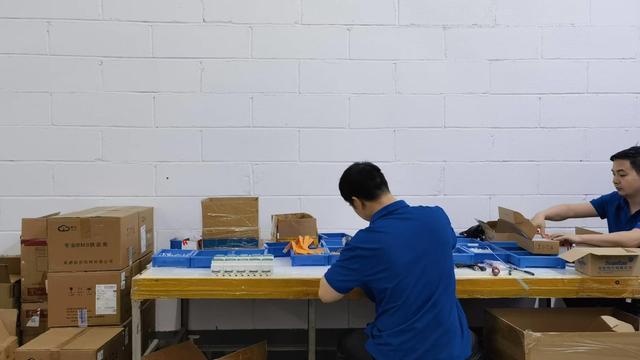
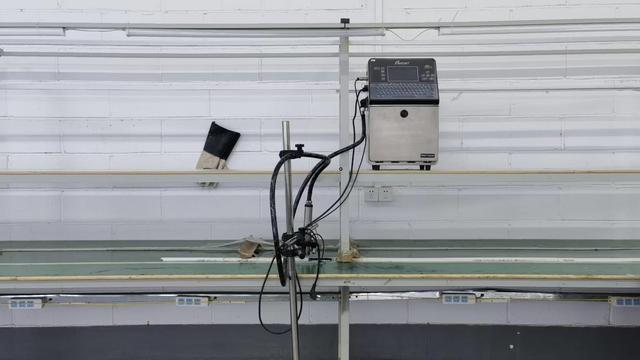
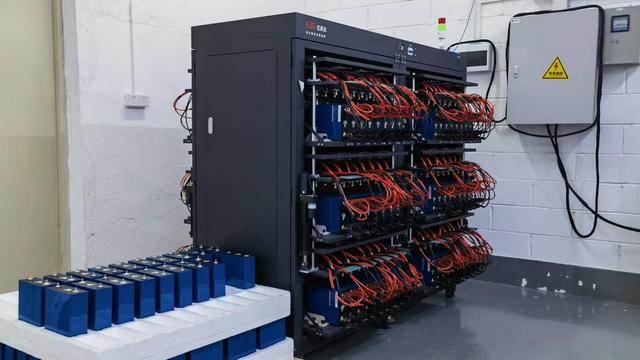
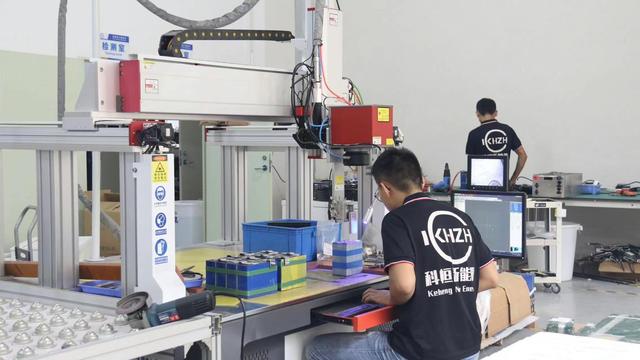
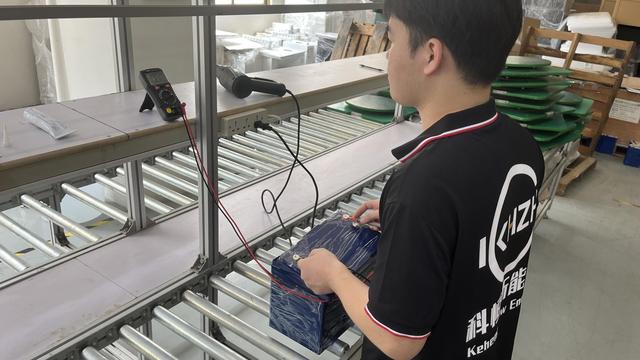
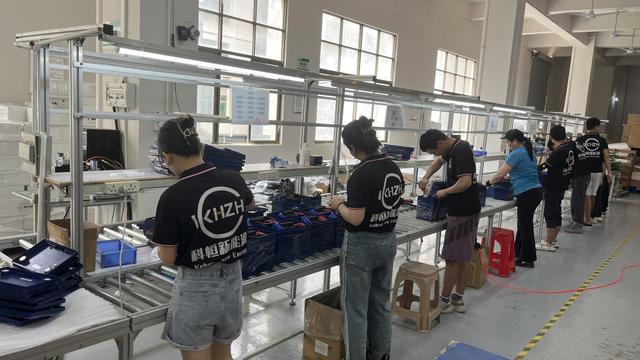
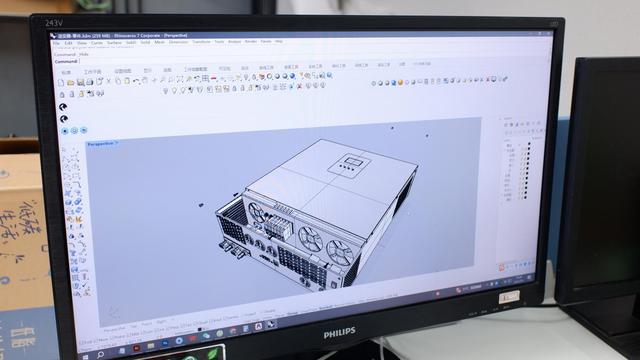
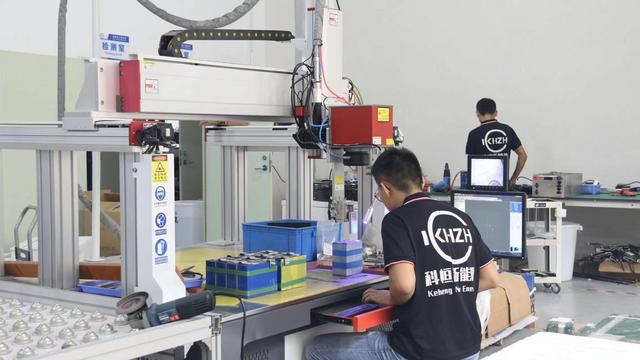
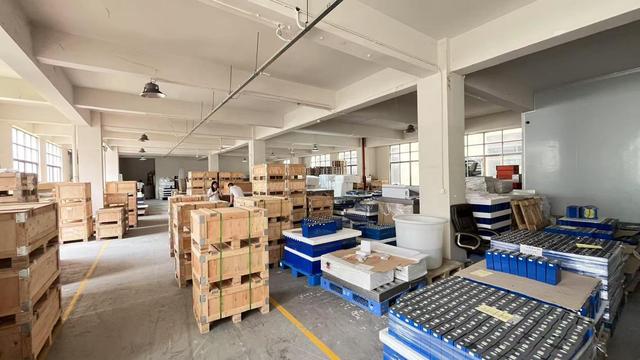
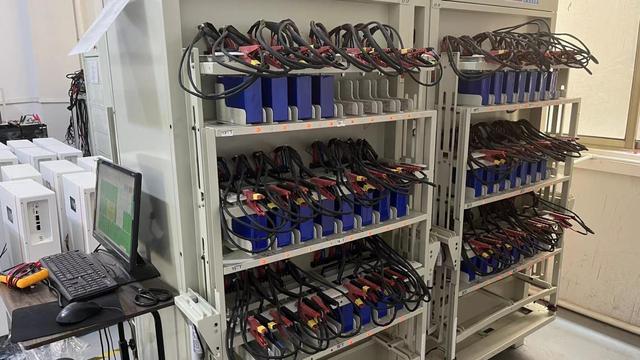
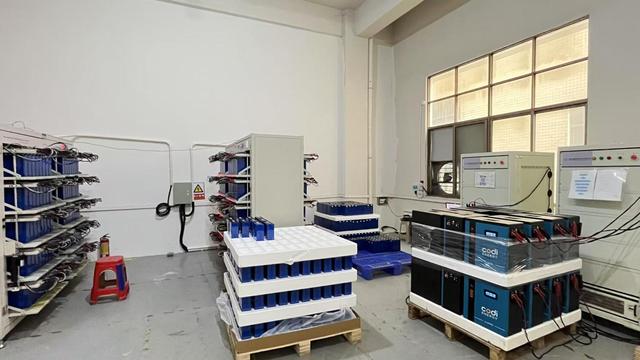
A visual showcase of our cell balancing, container integration, testing, and shipping facilities.
 CCSC Energy