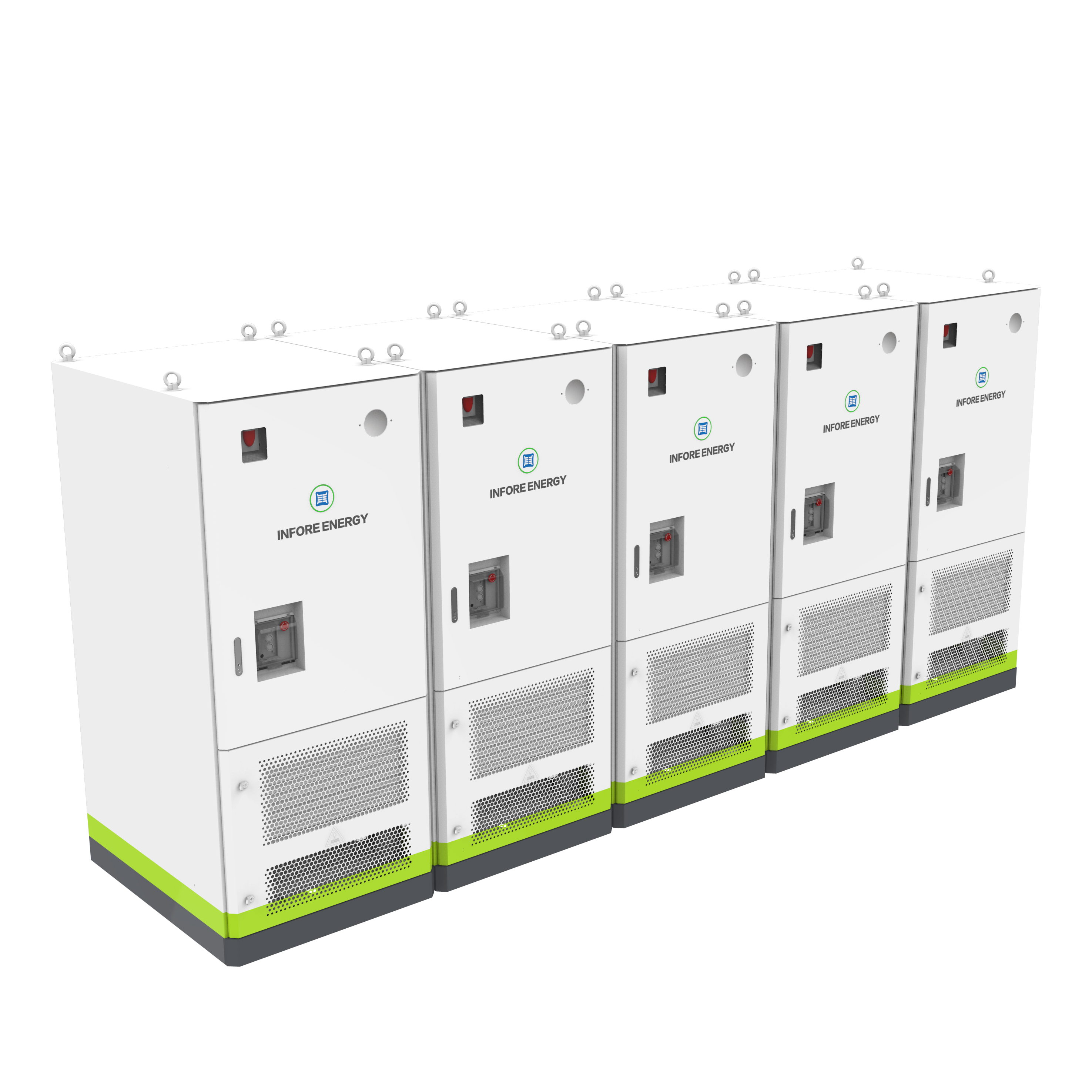
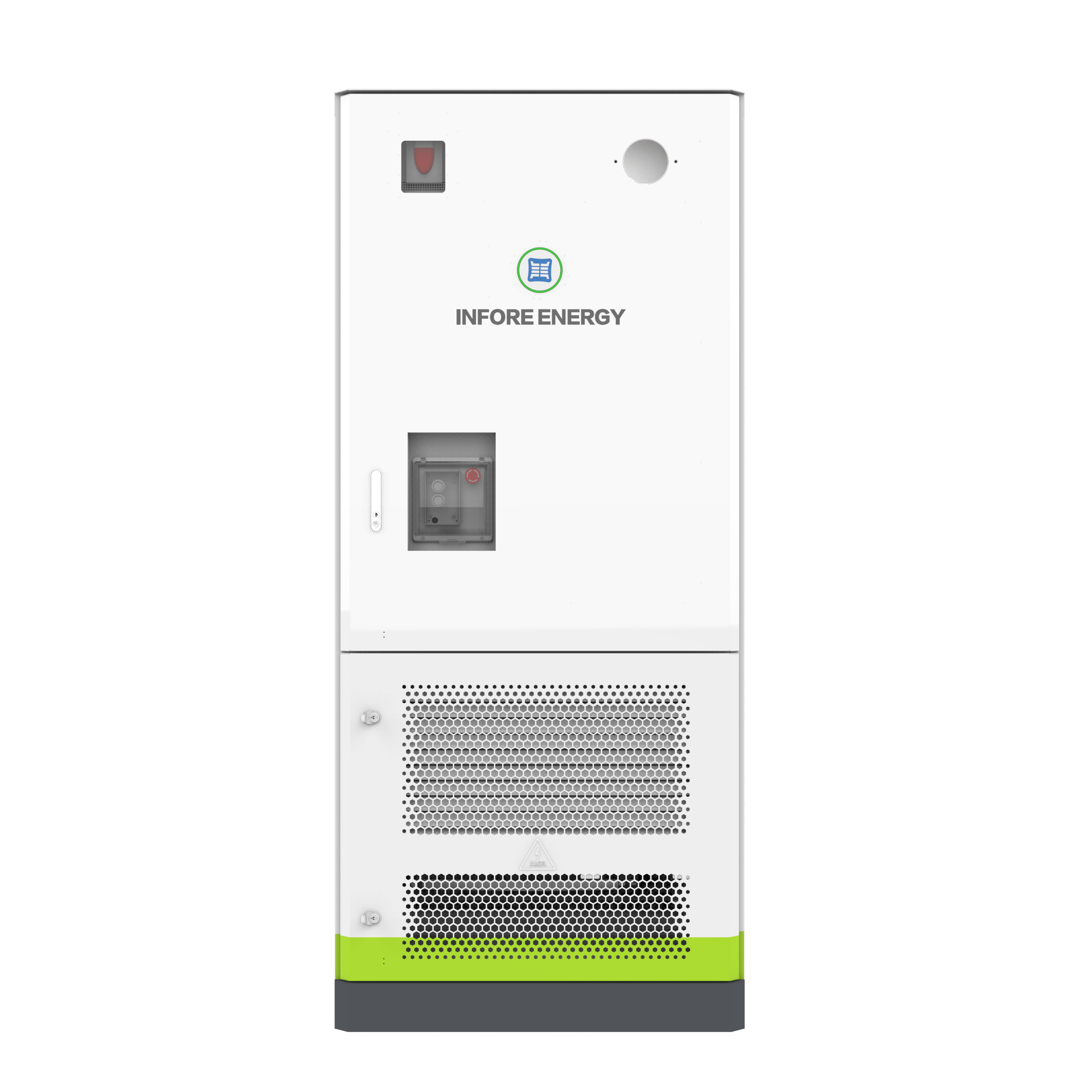
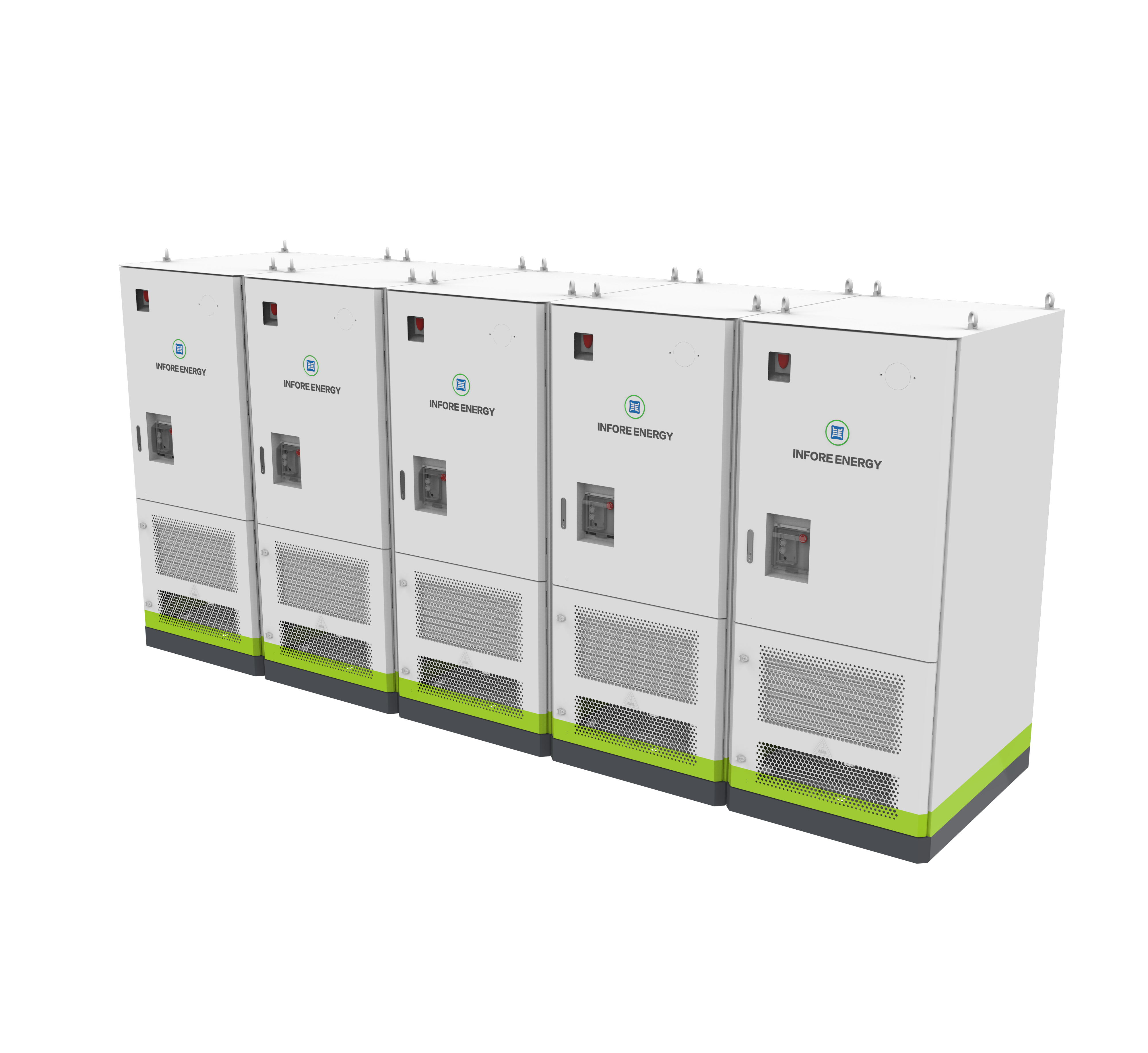
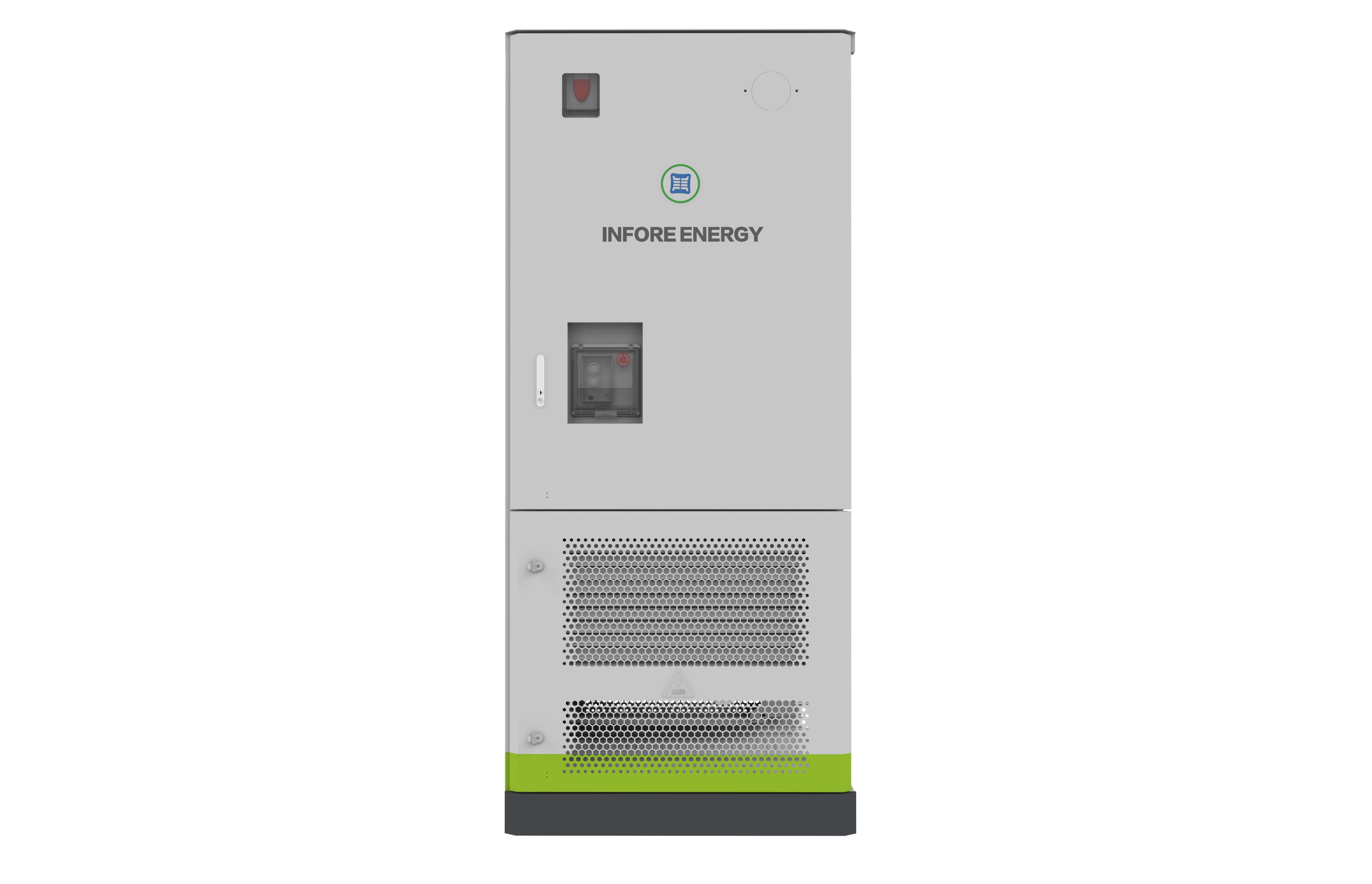
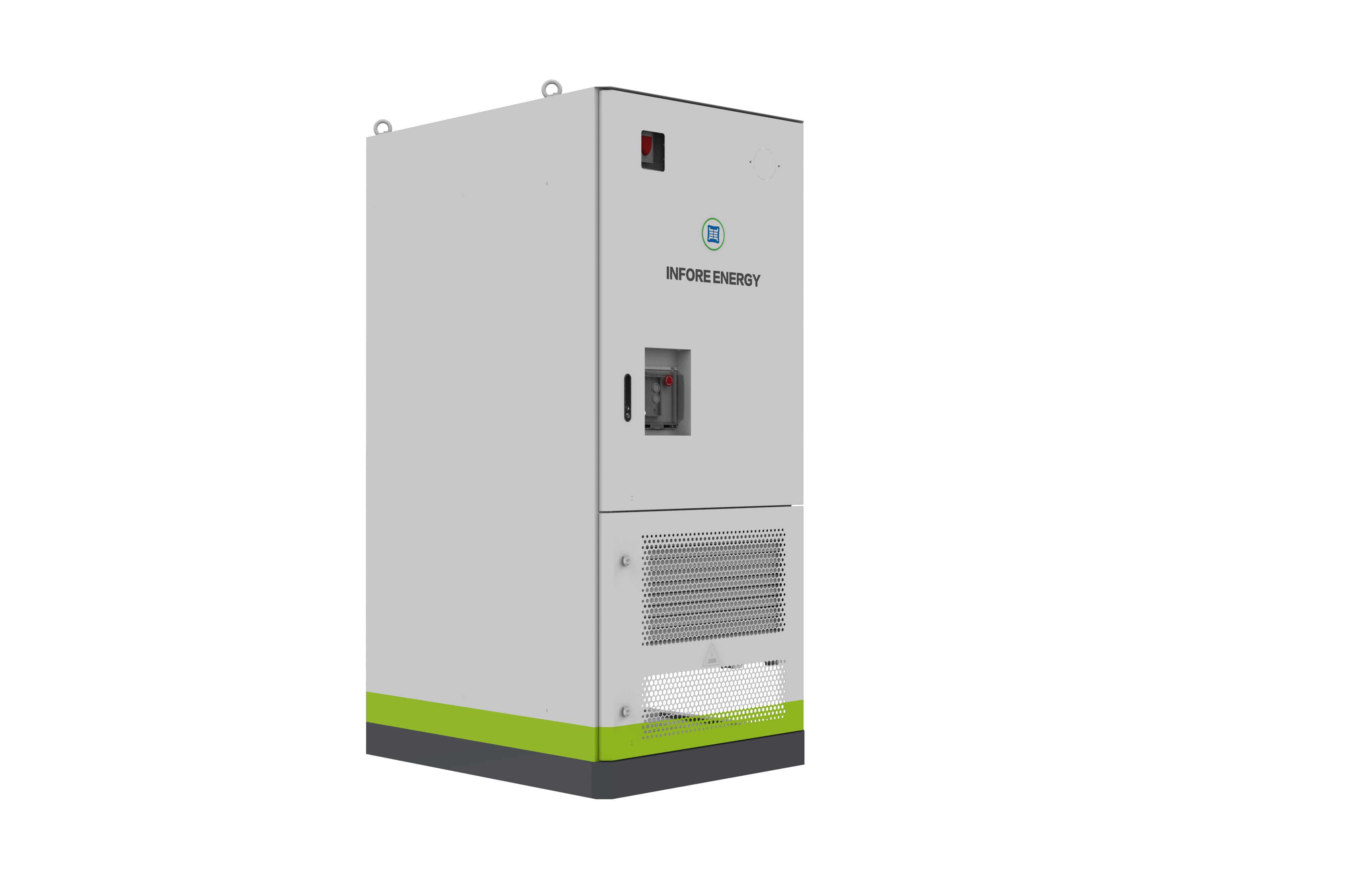
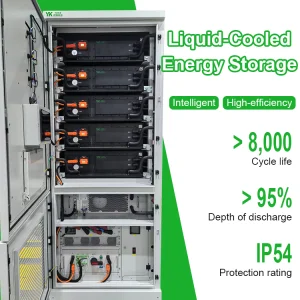
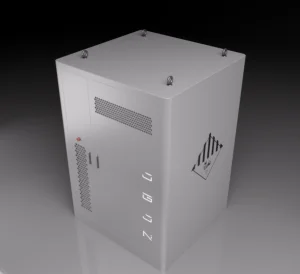
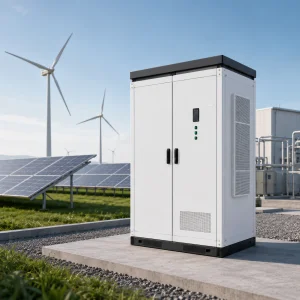
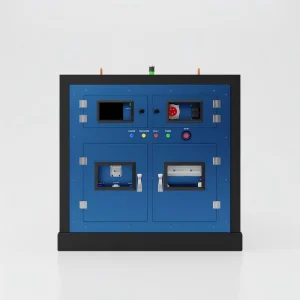
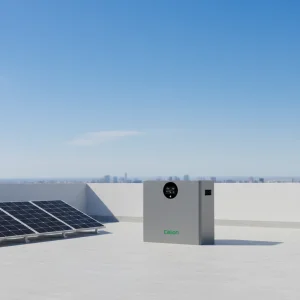
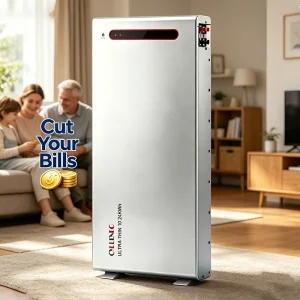
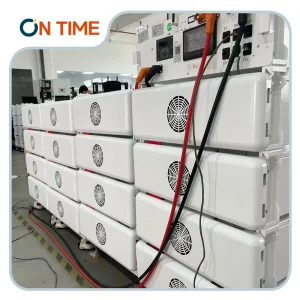
C&I Application Lithium Ion Energy Storage PV Solar Peak Shaving Voltage Control Liquid Cooling 233kWh YF-233 Energy Storage

Product Description

Product Parameters
Item Specification (YF-233) Specification (YF-261)
Model Number YF-233 YF-261
Cell model 280AH / 3.2V 314AH / 3.3V
Cell Type Lithium iron phosphate Lithium iron phosphate
Rated Discharge Rate ≤0.5C ≤0.5C
Rated Voltage 832V 832V
Operating Voltage Range 728V - 936V 728V - 936V
Nominal Energy 233kWh 261kWh
Protection Rating IP55 IP55
Weight (kg) 2300 2600
Cooling method Liquid cooling Liquid cooling
Dimensions (L×W×H, mm) 1030 × 1360 × 2350 1030 × 1360 × 2350
Operating Temp Range -25°C ~ 55°C -25°C ~ 55°C
Relative Humidity 0 - 95% (condensation-free) 0 - 95% (condensation-free)
Max Operating Altitude (m) ≤3000 ≤3000
System Communication Interface RS485 / Ethernet RS485 / Ethernet
Products Description
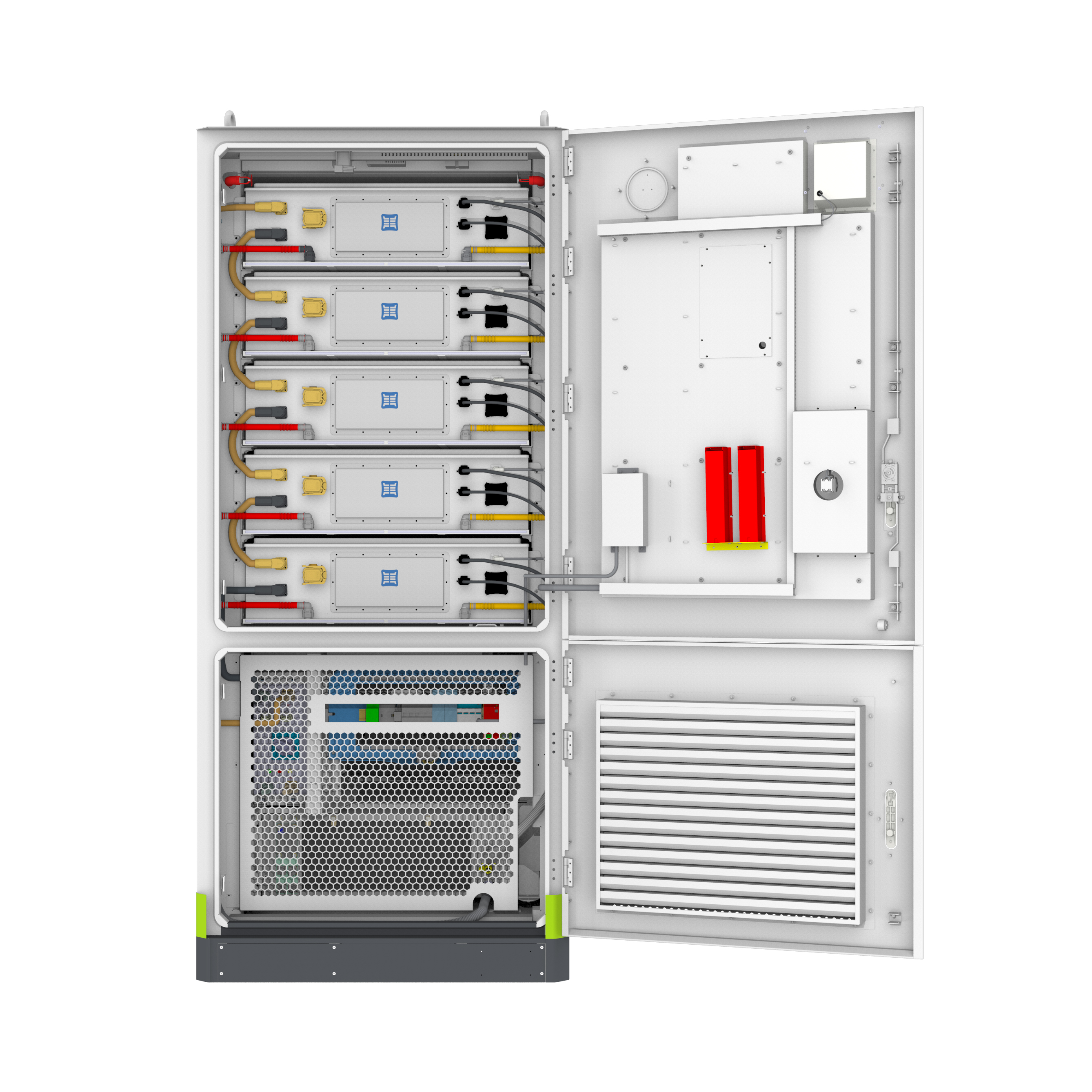
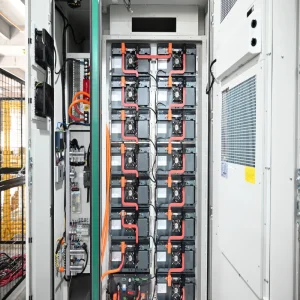
Product Description Details 1
Product Description Details 2
Manufacturing & Production Strength
Production Facility 1
Production Facility 2
Production Facility 3
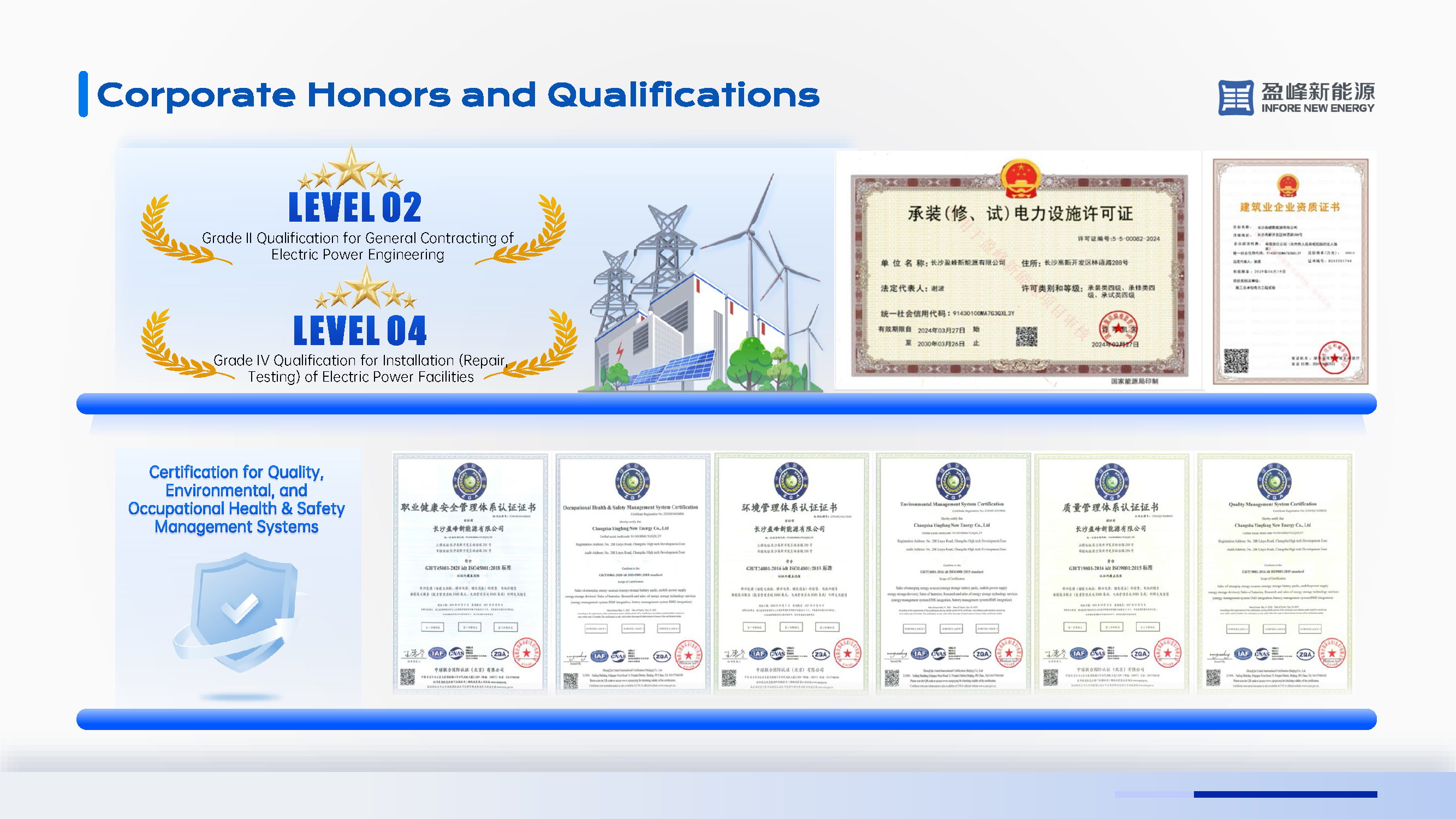
Certifications
Product Certifications
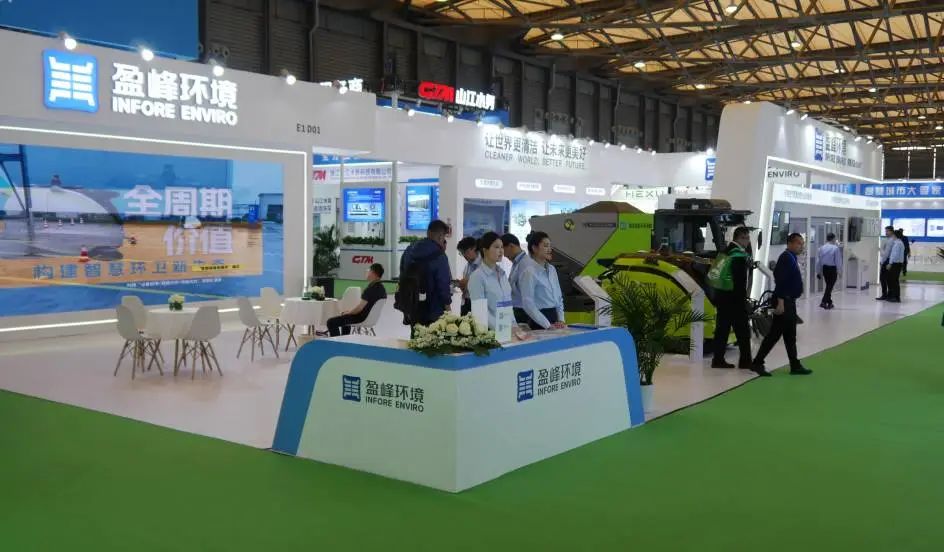
Exhibitions
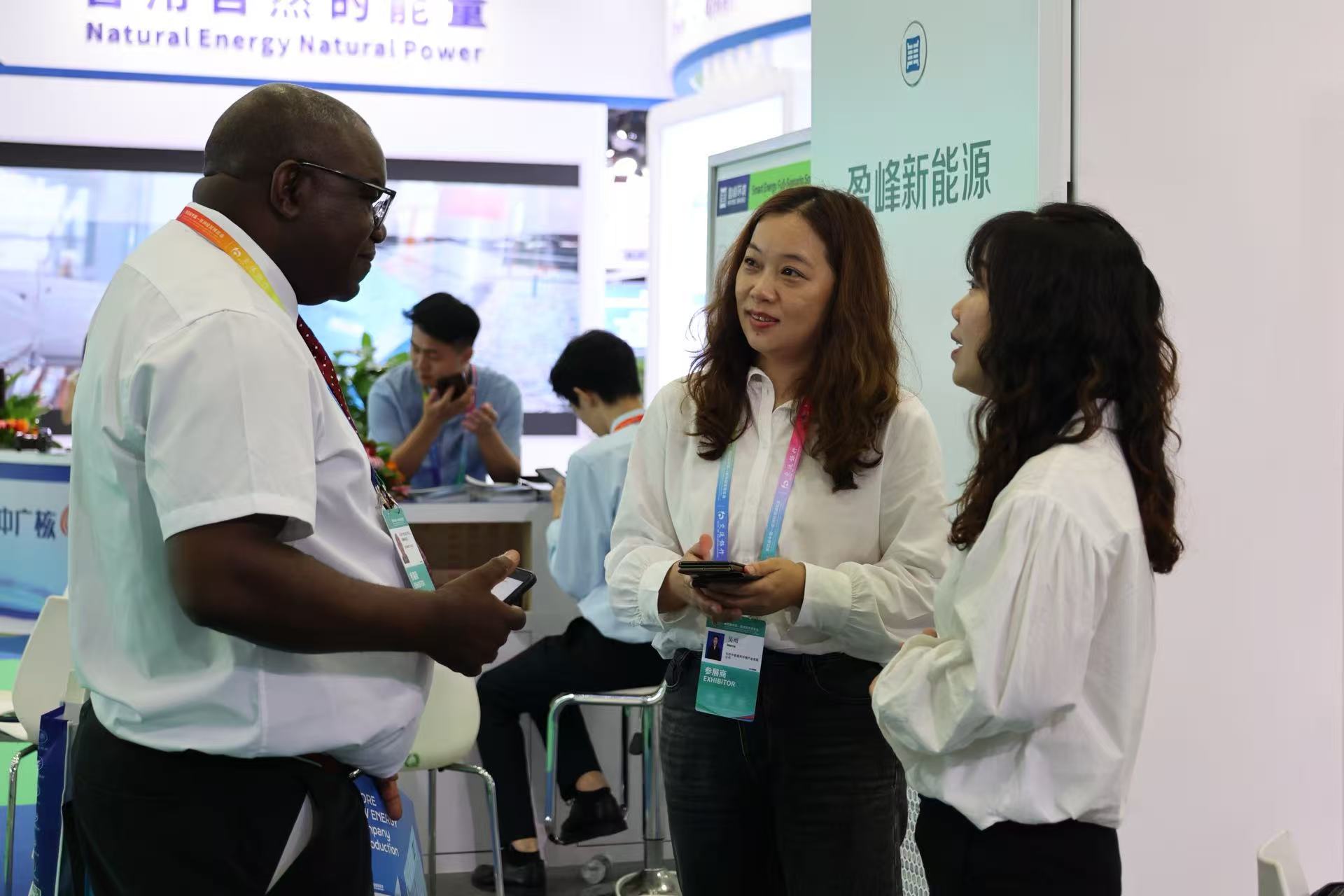
Exhibition Event 1
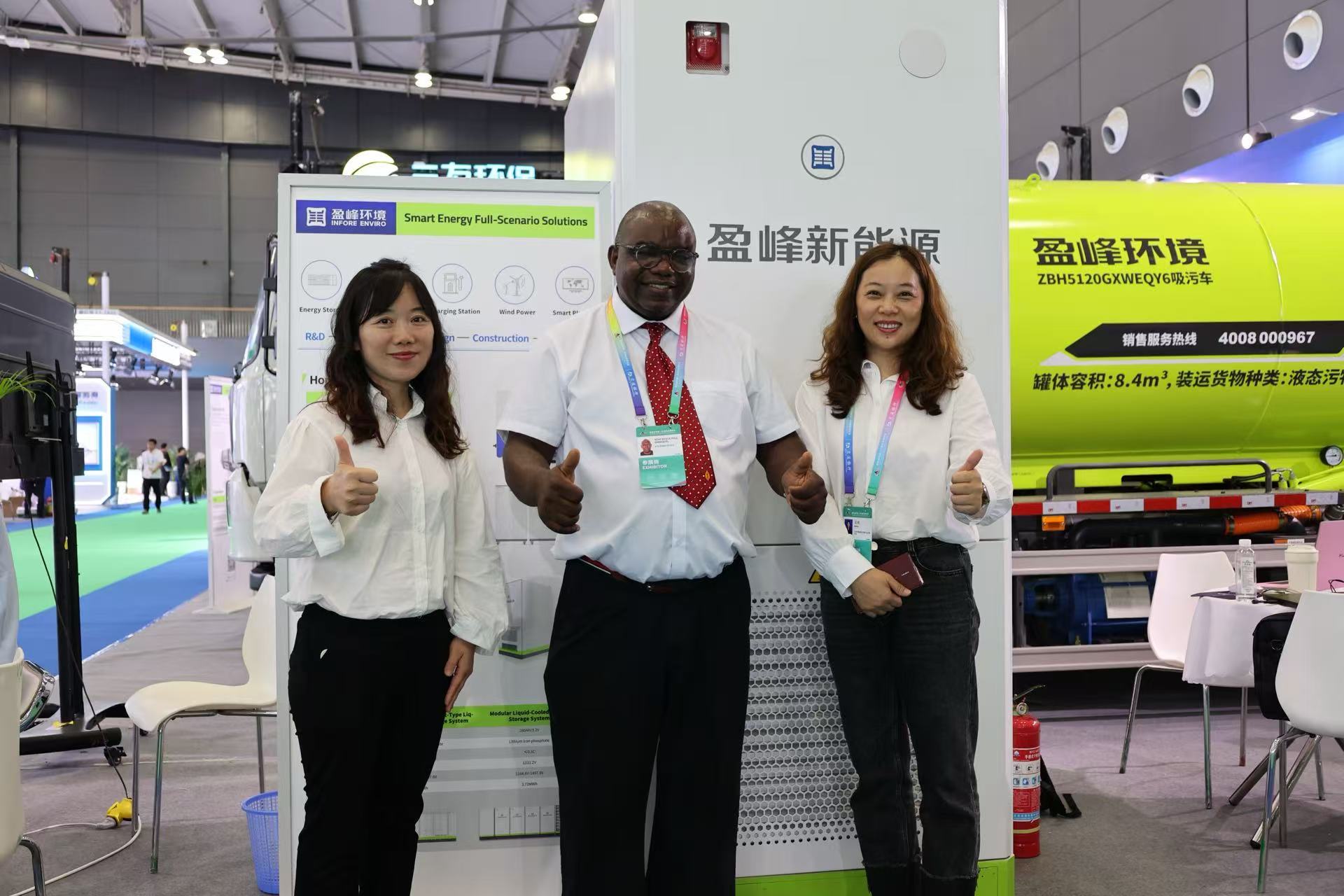
Exhibition Event 2
Exhibition Event 3
2025.4.21 IE Expo
2025.5 CICEE Expo
2025.6.12 CAETE 2025
Our Projects
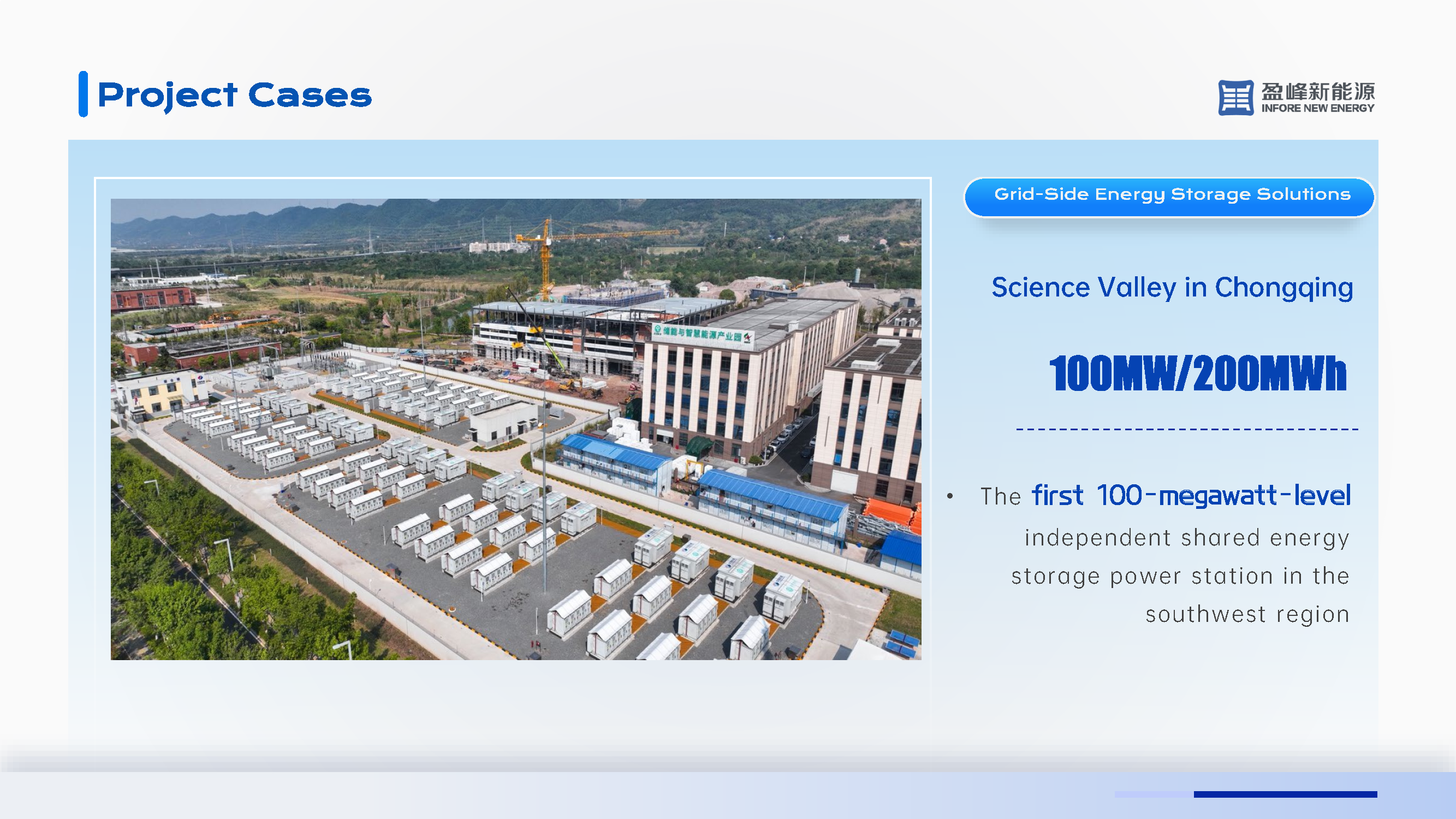
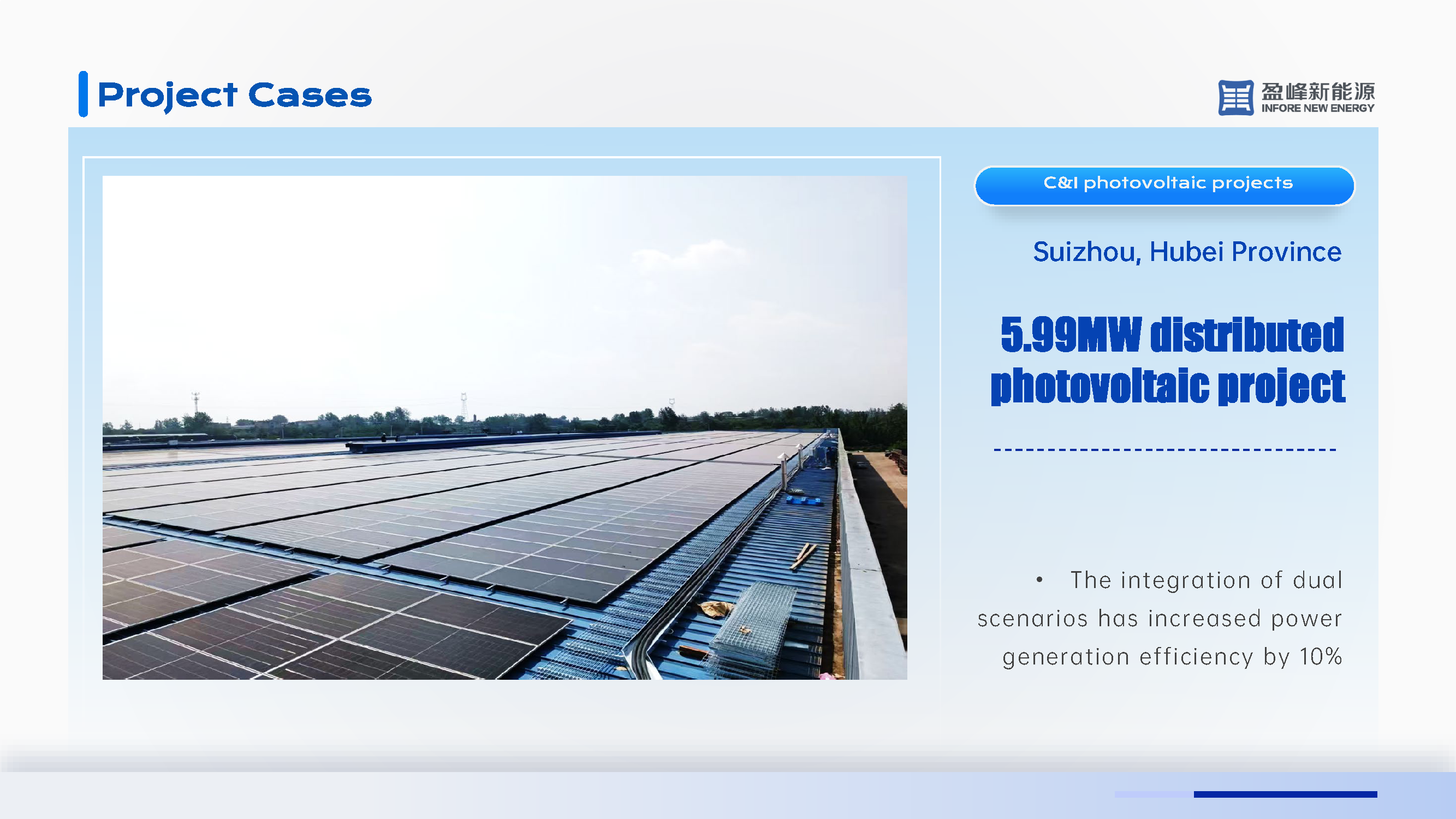
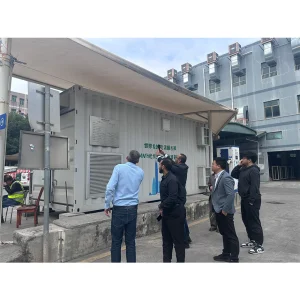
Project Showcase 1
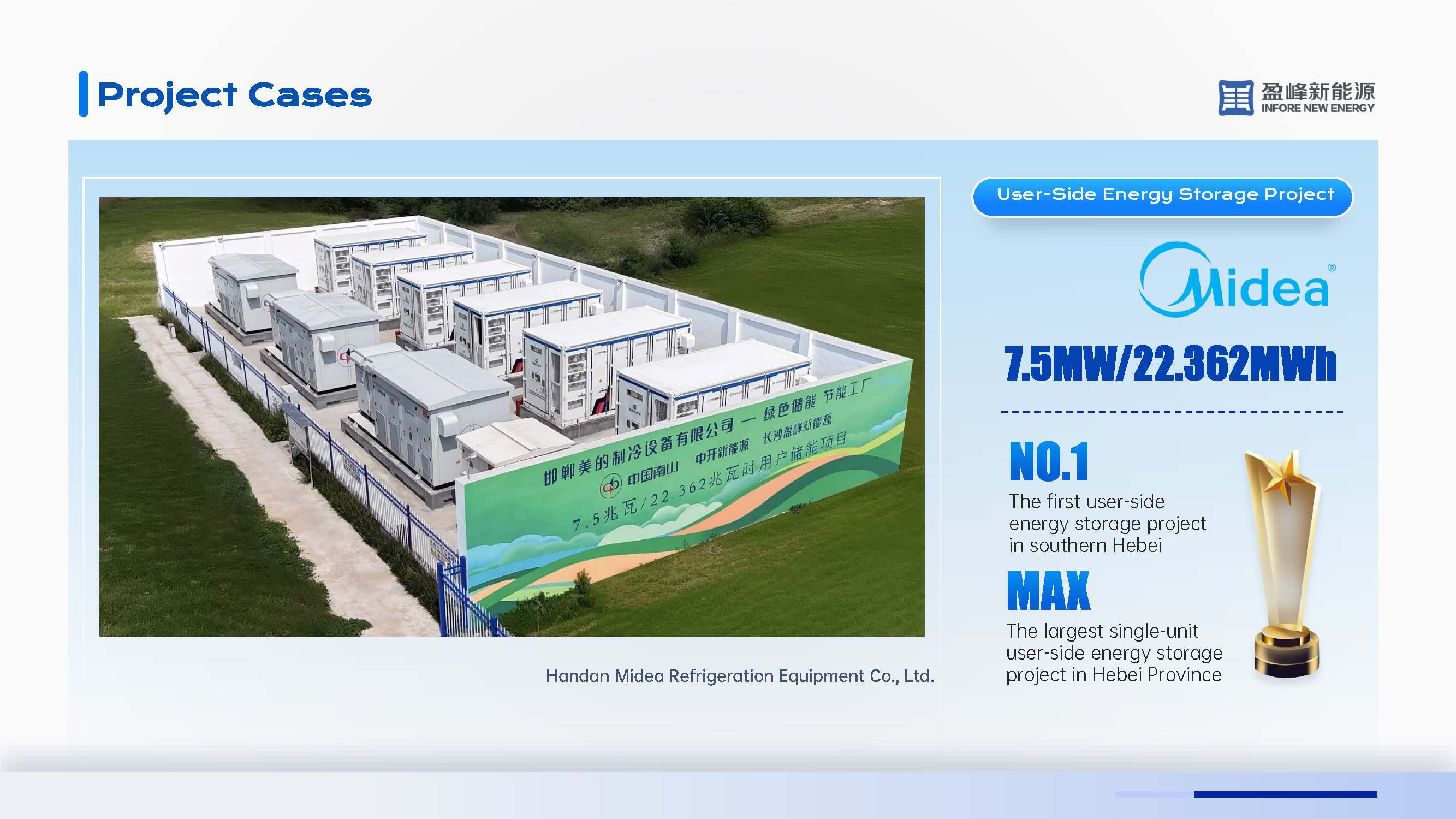
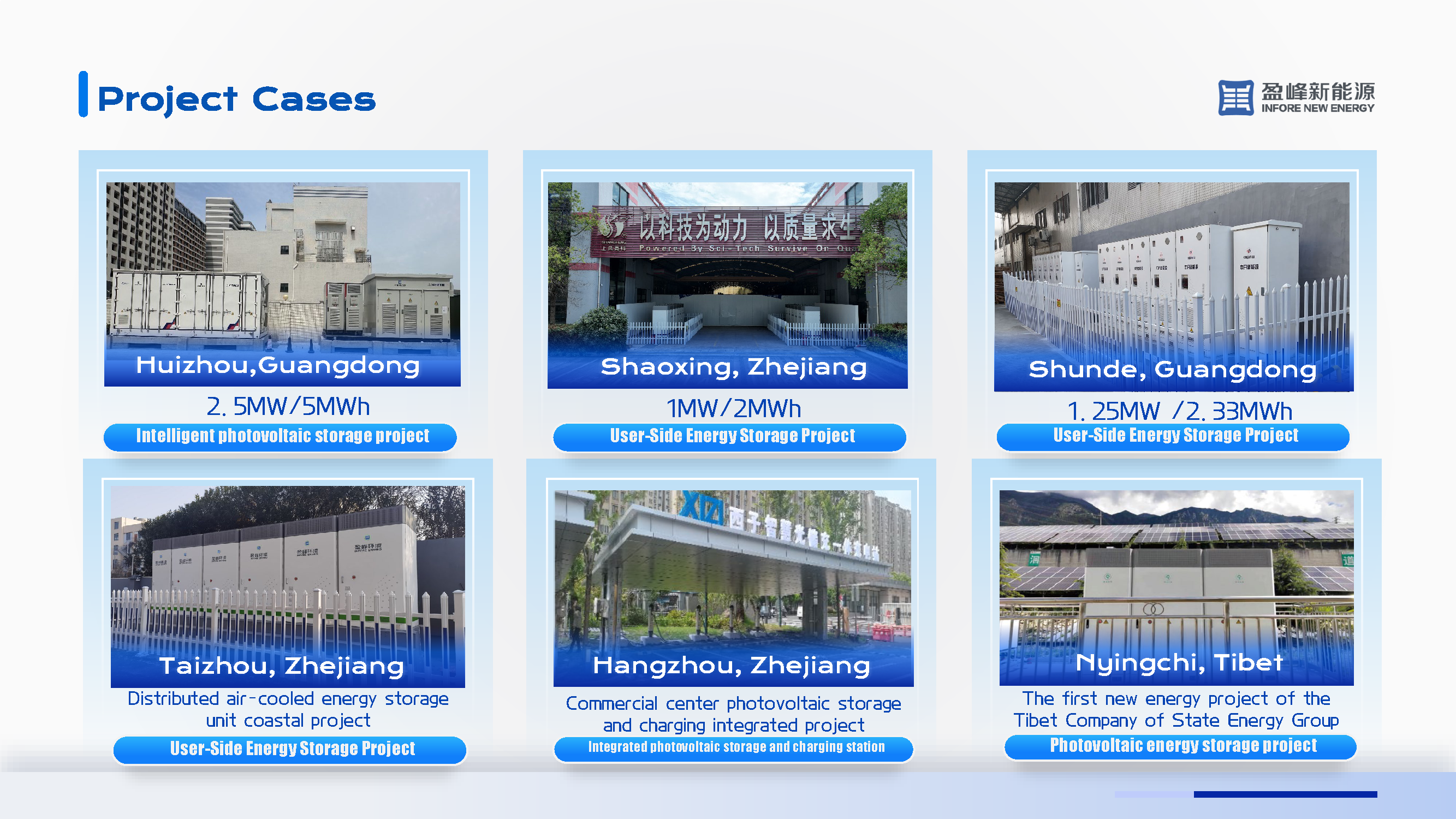
Project Showcase 2
Project Showcase 3
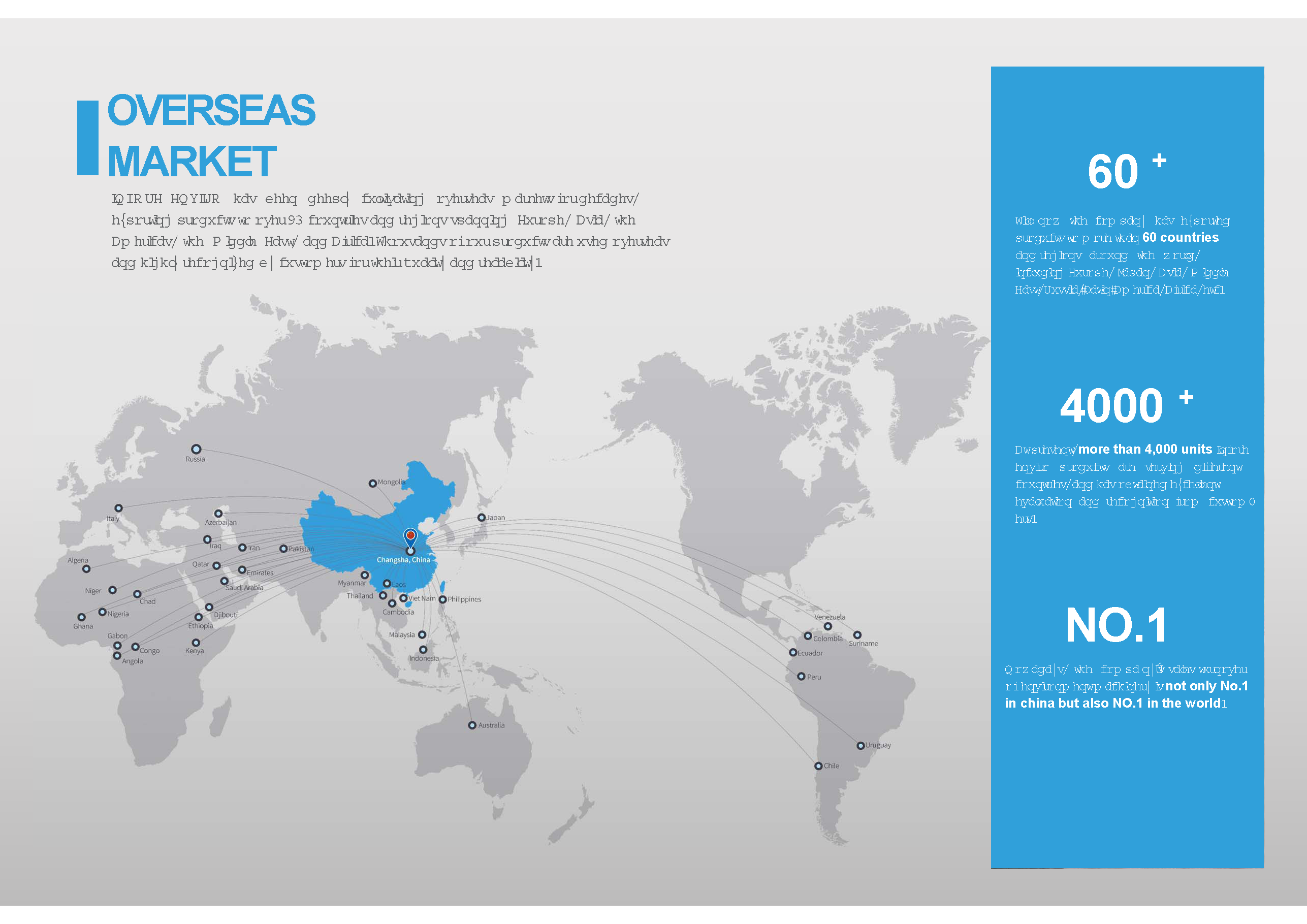
Project Overview Map
Frequently Asked Questions
1. What battery cell technology is used in these energy storage systems?
Both the YF-233 and YF-261 models utilize high-safety Lithium Iron Phosphate (LFP) cells. Specifically, YF-233 is configured with 280Ah/3.2V cells, while YF-261 features 314Ah/3.3V cells.
2. How does the cooling system work on the YF-233 and YF-261 models?
These energy storage systems are equipped with an advanced liquid cooling method, which provides precise thermal management and ensures consistent performance, safety, and extended cell life.
3. What is the protection rating and environmental resilience of the units?
The systems carry an IP55 protection rating, offering excellent resistance against dust and water. They are designed to operate reliably within a wide temperature range of -25°C to 55°C and relative humidity levels of 0-95% (non-condensing).
4. What communication interfaces are supported for system integration?
The systems natively support RS485 and Ethernet interfaces, enabling robust integration with external supervisory controllers, local SCADA systems, or cloud monitoring platforms.
5. Can these energy storage units be deployed at high-altitude sites?
Yes, these units are designed to function properly at a maximum operating altitude of up to 3000 meters without compromising safety or performance standards.
6. What is the nominal capacity and discharge rate of these systems?
The YF-233 model offers a nominal energy capacity of 233kWh, while the YF-261 model provides 261kWh. Both units support a rated continuous discharge rate of ≤0.5C.

Related Products