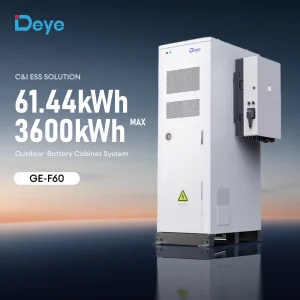
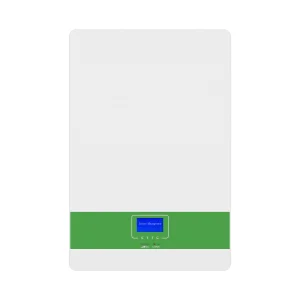
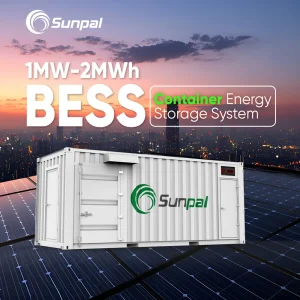
Explore our flagship commercial, industrial, and residential battery energy storage products engineered for high efficiency, thermal safety, and long cycle life.
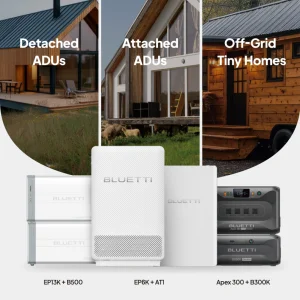
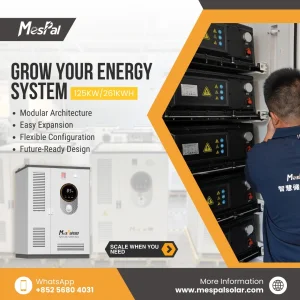
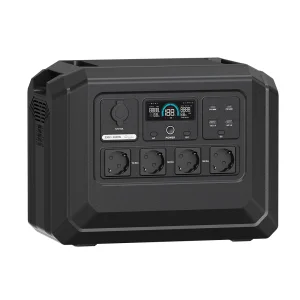
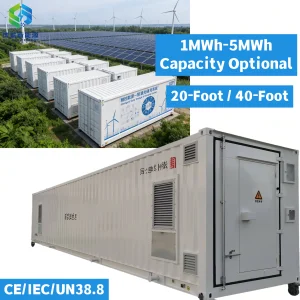
An in-depth analysis of structural engineering, supply chain dynamics, and regulatory compliance protocols shaping global BESS deployments.
The commercial and industrial (C&I) sector is experiencing an unprecedented transition toward decentralized power structures. Driven by volatile grid pricing, carbon-neutrality mandates, and the rising penetration of intermittent renewable assets, businesses are shifting from being passive energy consumers to active energy orchestrators. Commercial Battery Energy Storage Systems (BESS) represent the foundation of this modernization.
Modern BESS setups provide critical services beyond backup energy. Peak shaving and load shifting optimize grid demand charges, while dynamic voltage regulation protects industrial machinery from harmonic distortions. By incorporating high-performance battery systems with solar photovoltaic (PV) arrays, enterprises can significantly lower their Levelized Cost of Energy (LCOE) while increasing operational reliability.
"System integration is no longer just about combining cells and inverters; it is an optimization challenge that requires sub-millisecond coordination between Battery Management Systems (BMS), Power Conversion Systems (PCS), and cloud-managed Energy Management Systems (EMS)."
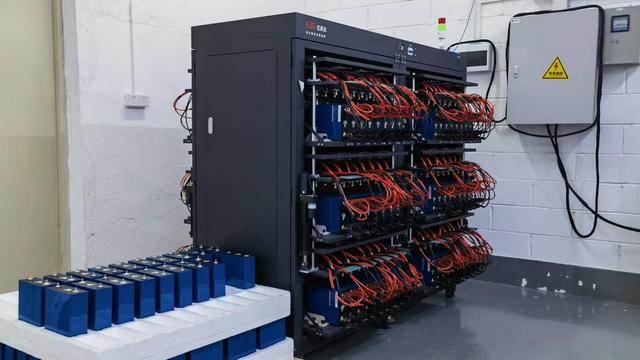
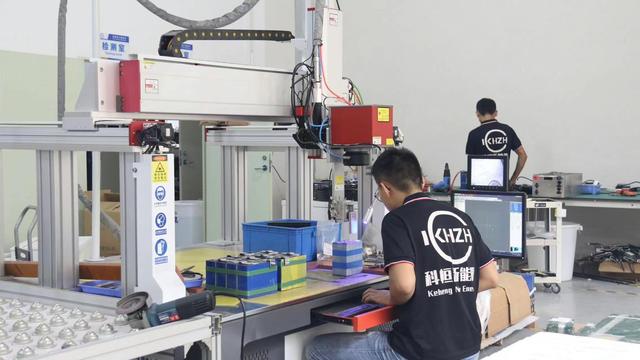
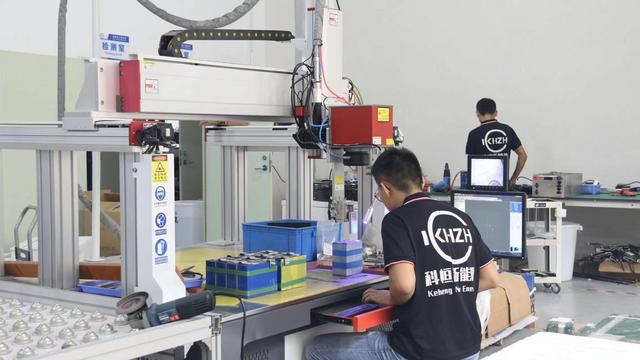
China represents over 75% of global lithium-ion battery manufacturing capacity. This dominance is built on a highly integrated supply chain that spans raw material refinement, cell production, automated thermal assembly, and advanced quality validation. China's industrial clusters, particularly in manufacturing hubs like Hangzhou, leverage regional supply chain efficiencies to deliver highly cost-competitive products without sacrificing reliability or performance.
At Hangzhou CCSC Energy Co., Ltd., we combine these regional supply chain advantages with rigorous engineering designs. By sourcing Tier-1 LFP cells with long cycle life (such as next-generation 314Ah configurations) and pairing them with proprietary thermal management systems, we ensure our systems meet international performance standards. This localized vertical integration allows us to significantly reduce lead times and offer customized designs tailored to global project requirements.
Direct integration with domestic component suppliers enables streamlined design changes, production scheduling, and component logistics.
Secured supply agreements with premium manufacturers ensure access to high-energy-density, reliable LFP cells.
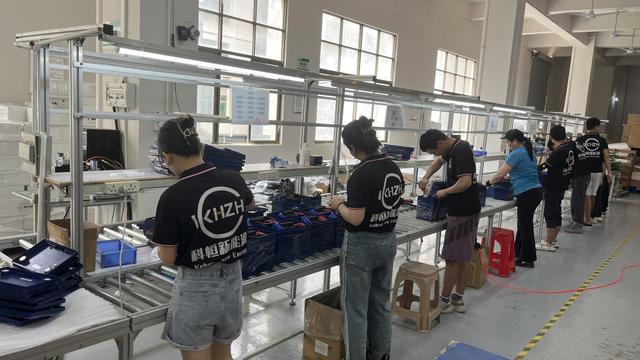
Automated high-volume packaging assemblies lower structural costs, allowing us to pass savings directly to project developers.
BESS safety and reliability are highly dependent on thermal management. Operating battery cells outside of their optimal temperature window accelerates degradation and, in worst-case scenarios, can lead to thermal runaway. Modern commercial applications rely on two main cooling architectures: forced air cooling and closed-loop liquid cooling.
Liquid cooling systems utilize heat transfer fluids circulated through cooling plates directly adjacent to the battery cells. This approach achieves temperature uniformity within ±2°C across the entire battery pack, significantly reducing local hot spots. As a result, liquid-cooled systems can increase pack service life by up to 20% compared to air-cooled alternatives. Conversely, forced air cooling remains a reliable, cost-effective option for lower-capacity configurations, indoor cabinets, and locations with moderate ambient temperatures.
Deploying commercial storage systems worldwide requires compliance with complex grid interconnection and safety regulations. These certifications verify that equipment is safe to transport, operate, and interface with public utility grids under fault conditions.
Essential standards include UN38.3 for transport safety, IEC 62619 for industrial battery pack safety, CE directives for European markets, and UL9540A testing for thermal runaway propagation characteristics in battery cabinets. Grid connection standards like IEEE 1547 and UL 1741 in North America define how systems respond to voltage anomalies and frequency fluctuations, protecting grid stability and ensuring rapid safety disconnects during grid outages.
Our energy storage solutions are engineered to handle the demands of diverse operational environments and specialized use cases.
Cold storage facilities operate high-load cooling compressors around the clock. By combining customized thermal insulation with our BESS cabinets, operators can charge systems during off-peak windows and discharge them during peak demand periods. This strategy protects temperature-sensitive inventory while lowering overall electricity expenses.
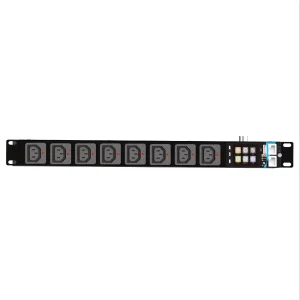
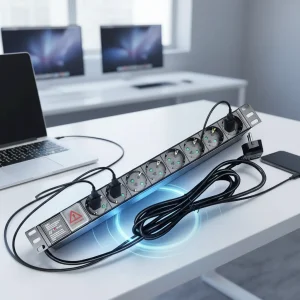
Modern data centers require highly reliable power and precise energy monitoring. Our intelligent rackmount PDUs and modular lithium cabinets integrate with local energy management platforms via SNMP and HTTPS. This setup supports continuous power quality monitoring and smooth transitions to backup power during utility outages.
Adding EV charging piles to commercial properties can create significant peak demand spikes on local grid infrastructure. Installing a BESS allows businesses to buffer charging loads and feed solar energy directly into vehicles, easing grid pressure and avoiding expensive utility upgrades.
Leading Global BESS Manufacturing and System Engineering Excellence.
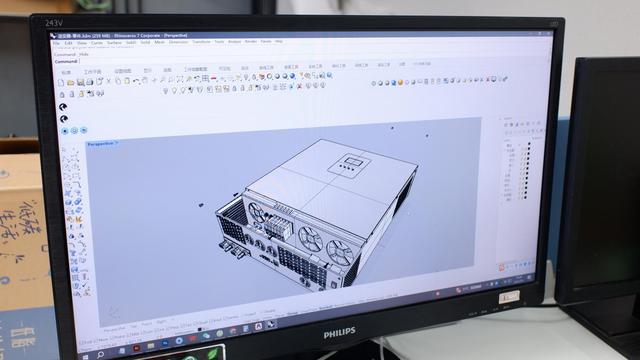
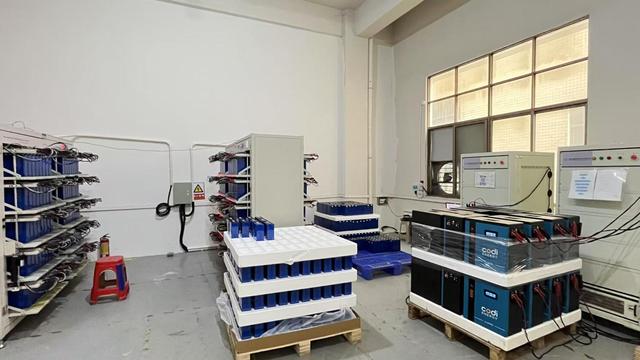
Hangzhou CCSC Energy Co., Ltd. is a professional Energy Storage System Manufacturer specializing in battery energy storage, renewable power integration, and smart energy solutions for residential, commercial, industrial, and utility-scale applications. Based in Hangzhou, China, the company focuses on developing advanced energy storage technologies that help customers improve energy efficiency, enhance power reliability, and support the transition toward sustainable energy systems.
With expertise in energy storage engineering and system integration, CCSC Energy provides comprehensive solutions covering battery energy storage systems (BESS), renewable energy storage integration, commercial and industrial energy storage, backup power systems, microgrid applications, distributed energy infrastructure, and intelligent energy management platforms. Its solutions are designed to support a wide range of applications, including solar energy utilization, peak demand management, grid stabilization, emergency power supply, and energy cost optimization.
The company is committed to delivering safe, efficient, and scalable energy storage solutions tailored to the needs of modern energy users. Its engineering team works closely with customers, project developers, EPC contractors, and energy service providers to design systems that align with specific operational requirements, performance objectives, and regulatory standards. From project planning and system design to manufacturing and technical support, CCSC Energy offers comprehensive services throughout the project lifecycle.
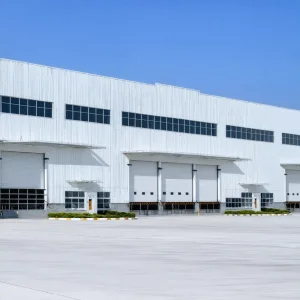
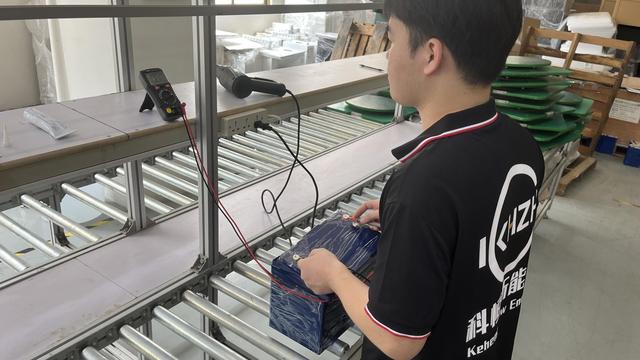
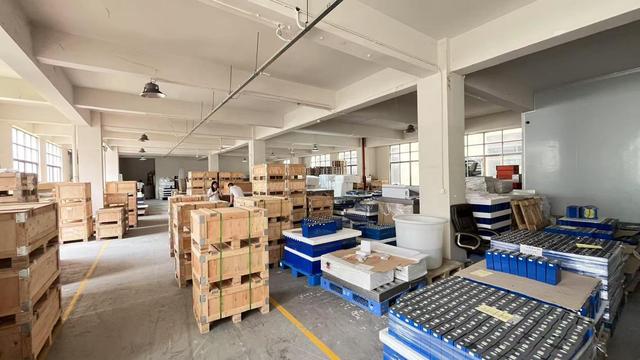
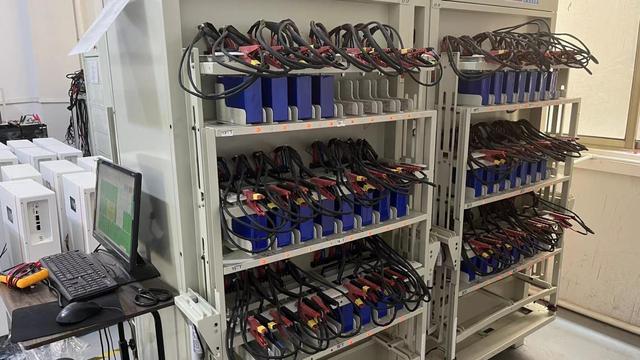
Equipped with advanced manufacturing facilities and stringent quality management processes, the company emphasizes product reliability, operational safety, and long-term performance. Continuous investment in research and development enables CCSC Energy to integrate intelligent monitoring technologies, advanced battery management systems, and smart energy control platforms into its solutions.
Serving customers across Asia, Europe, North America, South America, the Middle East, and other global markets, Hangzhou CCSC Energy Co., Ltd. is dedicated to providing innovative energy storage solutions that support renewable energy adoption, strengthen power resilience, and contribute to a more efficient and sustainable energy future.
Find answers to common questions about commercial battery storage systems, compliance requirements, and installation planning.
The return on investment (ROI) is primarily driven by three main factors: peak demand charge reduction, energy arbitrage (charging during low tariff rates and discharging during peak times), and local utility incentives or tax credits. Industrial facilities with high utility demand charges typically see an ROI within 3 to 5 years, depending on regional energy rates and system configuration.
We use a multi-tiered safety strategy. At the cell level, we source high-stability LFP (Lithium Iron Phosphate) chemistry. At the system level, our smart BMS monitors cell temperature, voltage, and internal resistance in real time. Additionally, we integrate automatic aerosol fire suppression systems, temperature sensors, combustible gas detectors, and optioned liquid-cooling plates to maintain uniform pack temperatures.
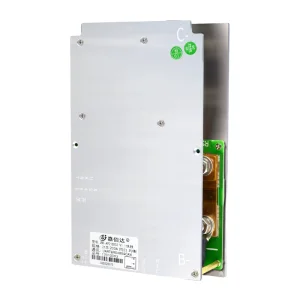
A high-current 900A smart BMS allows for the safe and efficient management of high-power battery arrays, preventing bottlenecks in power distribution. It supports high continuous charge and discharge rates, integrates active cell balancing to extend overall pack life, and provides communication interfaces like RS485, CAN, and SNMP for remote monitoring and integration with industrial energy systems.
For European installations, systems must hold CE certification and comply with safety directives, including IEC 62619 for lithium battery safety. For transport, UN38.3 compliance is mandatory. Depending on local grid connection regulations, compliance with grid standards such as EN 50549 is also required to verify system safety during grid faults.
Yes. Our containerized systems can be configured with hybrid grid-tied and off-grid inverters that support microgrid operations. They feature black start capability, allowing the system to restore power independently during grid outages and function as the primary power source when paired with solar PV or diesel generators.
We provide engineering and technical support throughout the project lifecycle. This includes initial capacity sizing and configuration analysis, electrical line diagram design, thermal simulation modeling, system manufacturing, quality inspection, and commissioning support. We also coordinate with local EPC contractors to ensure smooth installation and grid connection.
Our extended range of grid-scale components, smart hardware, and power distribution devices built for commercial energy infrastructure.
 CCSC Energy