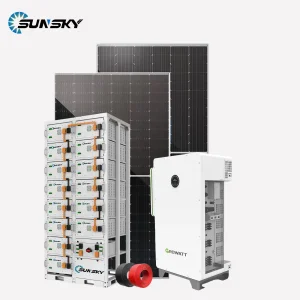
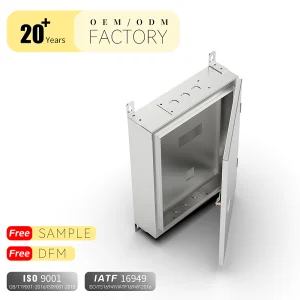
Explore our high-performance components, integrated commercial battery storages, and precision metrology solutions designed for grid-level efficiency.
The global shift toward Smart Grid Solutions has transitioned from an environmental vision to an urgent economic imperative. As nations target carbon neutrality by mid-century, traditional centralized electricity grids struggle with volatile renewable integration, dynamic loads from transport electrification, and extreme weather events. Today's modern grids leverage bidirectionality, edge intelligence, and distributed storage.
Within commercial and industrial (C&I) sectors, businesses face escalating power tariffs and stringent regulations concerning supply reliability. In Europe and North America, regulatory mandates such as FERC Order 2222 are unlocking new monetization avenues by allowing Distributed Energy Resources (DERs) to participate in wholesale market mechanisms. Consequently, factories, technology campuses, and municipal systems are installing autonomous grid infrastructure to control demand charges, execute high-speed peak shaving, and generate revenue through virtual power plant (VPP) aggregation.
Emerging paradigms that are reshaping the efficiency, intelligence, and operation of contemporary distribution networks.
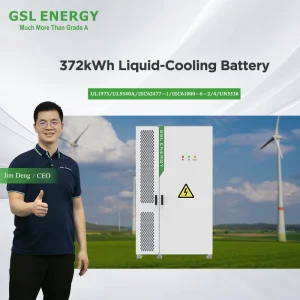
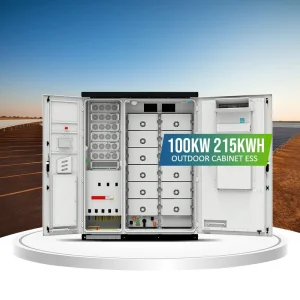
Modern BESS configurations are transitioning from conventional forced-air cooling to closed-loop liquid cooling circuits. Liquid cooling maintains cell temperature variations within a <3°C margin, which significantly mitigates thermal runaway risks and extends cell lifetime by up to 20% compared to traditional configurations.
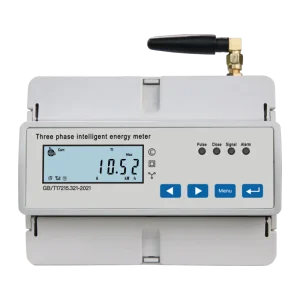
Modern sub-meters and data monitors now embed 4G and WiFi hardware to transmit electrical parameters at sub-second intervals. These metrology tools deliver 0.5-class accuracy to feed local EMS algorithms with real-time harmonic analysis, voltage distortion levels, and bidirectional active/reactive power measurements.
By orchestrating multiple hybrid battery containers, diesel generator systems, and rooftop solar installations via localized Energy Management Systems, facilities can aggregate internal loads to form resilient microgrids that switch to full island mode in the event of primary distribution grid failures.
Hangzhou CCSC Energy Co., Ltd. is a professional Energy Storage System Manufacturer specializing in battery energy storage, renewable power integration, and smart energy solutions for residential, commercial, industrial, and utility-scale applications. Based in Hangzhou, China, the company focuses on developing advanced energy storage technologies that help customers improve energy efficiency, enhance power reliability, and support the transition toward sustainable energy systems.
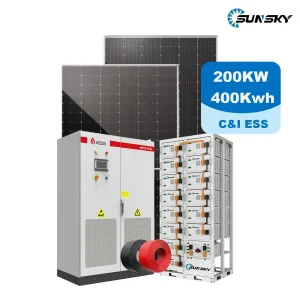
With expertise in energy storage engineering and system integration, CCSC Energy provides comprehensive solutions covering battery energy storage systems (BESS), renewable energy storage integration, commercial and industrial energy storage, backup power systems, microgrid applications, distributed energy infrastructure, and intelligent energy management platforms. Its solutions are designed to support a wide range of applications, including solar energy utilization, peak demand management, grid stabilization, emergency power supply, and energy cost optimization.
The company is committed to delivering safe, efficient, and scalable energy storage solutions tailored to the needs of modern energy users. Its engineering team works closely with customers, project developers, EPC contractors, and energy service providers to design systems that align with specific operational requirements, performance objectives, and regulatory standards. From project planning and system design to manufacturing and technical support, CCSC Energy offers comprehensive services throughout the project lifecycle.
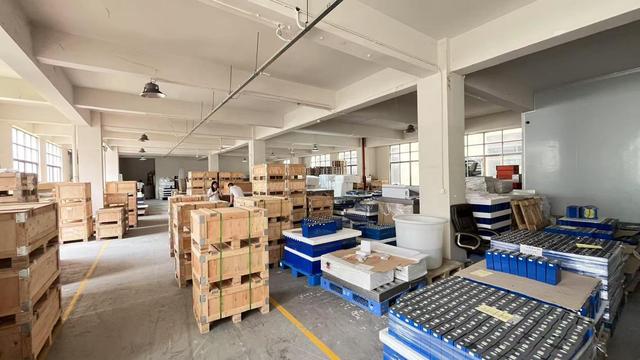
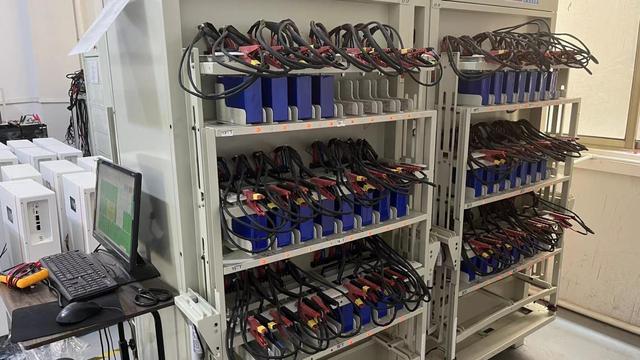
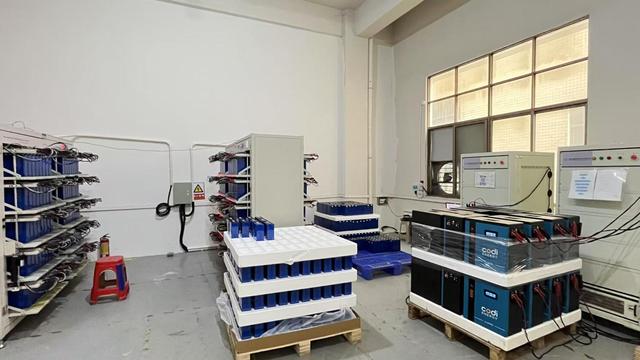
Equipped with advanced manufacturing facilities and stringent quality management processes, the company emphasizes product reliability, operational safety, and long-term performance. Continuous investment in research and development enables CCSC Energy to integrate intelligent monitoring technologies, advanced battery management systems, and smart energy control platforms into its solutions.
Serving customers across Asia, Europe, North America, South America, the Middle East, and other global markets, Hangzhou CCSC Energy Co., Ltd. is dedicated to providing innovative energy storage solutions that support renewable energy adoption, strengthen power resilience, and contribute to a more efficient and sustainable energy future.
An engineering look at the next phase of Smart Grid evolution, highlighting changes in architectures, hardware materials, and software layers.
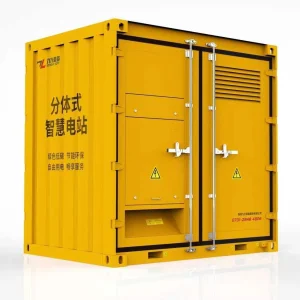
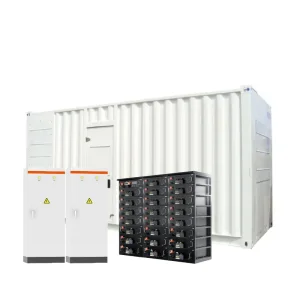
Future smart grids demand high-density containerized solutions. By shifting from 1000V DC operating limits to 1500V DC, system designers reduce structural complexity and cable cross-sections while improving power density. When paired with smart Liquid Cooling circuits, containerized units scale past 3.7MWh per standard footprint, reducing balance of system (BOS) costs by 15%.
Modern Smart BMS software does not simply balance cell voltages; it leverages adaptive SOC (State of Charge) and SOH (State of Health) algorithms using predictive digital twin models. When integrated with an active Energy Management System (EMS) communicating via CAN/Modbus, operators can run AI-driven load matching routines to maximize system round-trip efficiency (RTE).
Analyzing how smart grid solutions adapt to regional requirements and commercial environments.
For isolated microgrids, fuel transport costs for diesel generation are often high. Integrating a Containerized BESS with solar PV and wind turbines allows sites to displace diesel usage, reduce carbon intensity, and prevent outages from generator faults.
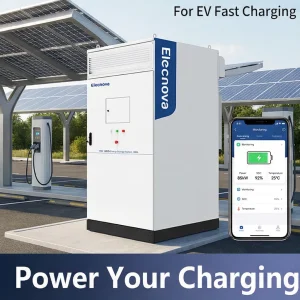
Simultaneous fast-charging of multiple electric vehicles can create localized demand spikes that overload local distribution grids. Behind-the-meter battery storage systems cushion these peak demands by discharging during high-load periods and recharging during off-peak windows.
Even brief millisecond voltage sags can cause equipment trips that halt production lines and lead to high maintenance costs. Ultra-fast switching in hybrid energy storage systems isolates the factory load from external fluctuations to maintain clean power delivery.
Essential questions and answers regarding utility-scale energy storage, system integration, and grid management.
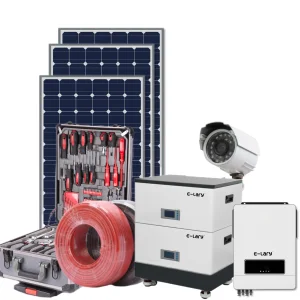
Browse our full range of hybrid storage systems, backup batteries, and charging accessories built for grid integration.
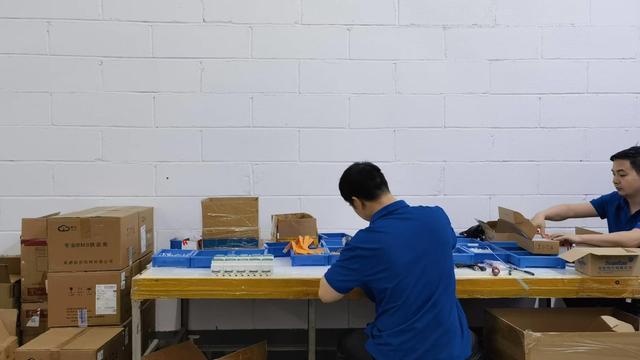
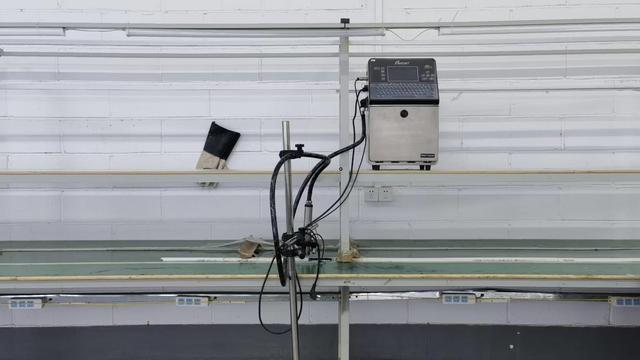
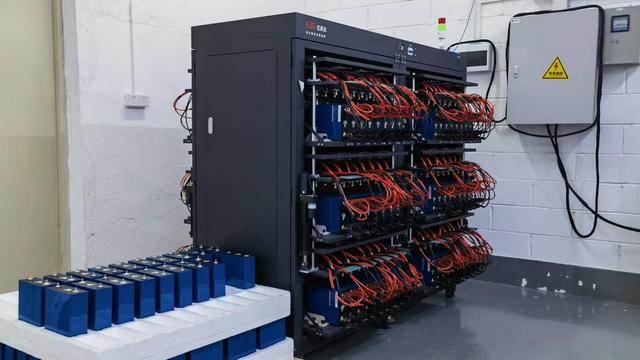
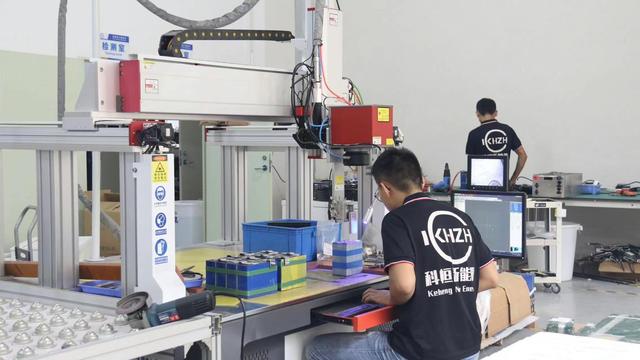
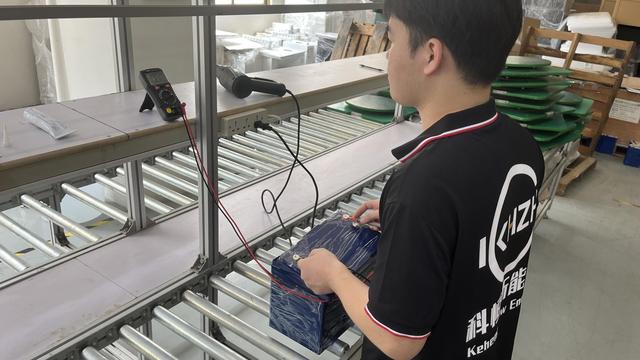
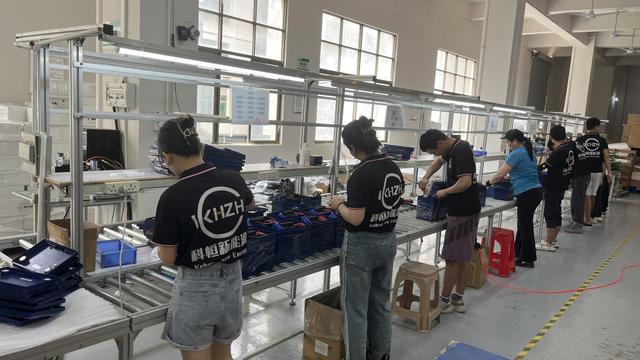
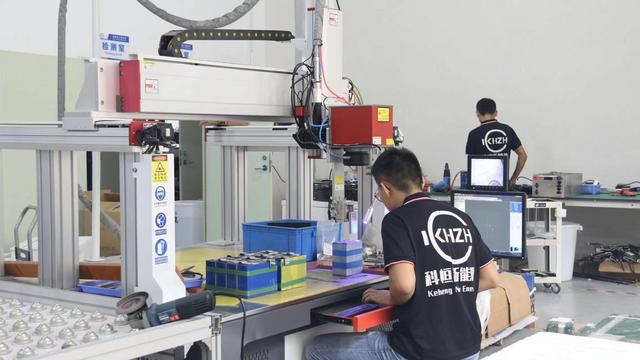
Our automated production lines and testing chambers maintain strict safety compliance across our energy storage equipment range.
 CCSC Energy