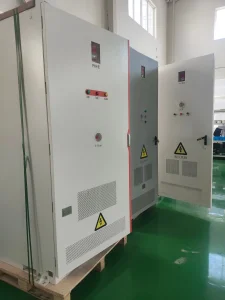
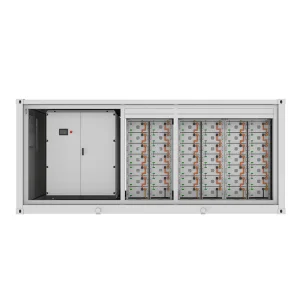
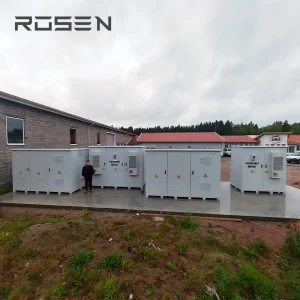
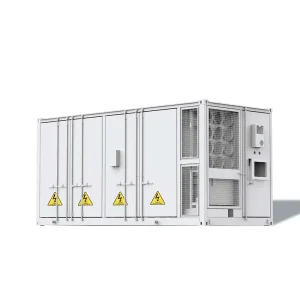
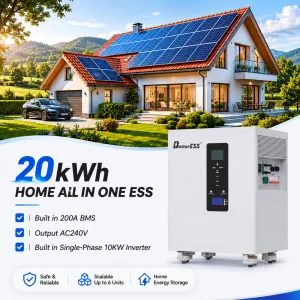
Explore our Tier-1 engineered energy storage equipment certified for CE standards, optimizing power quality and energy independence.
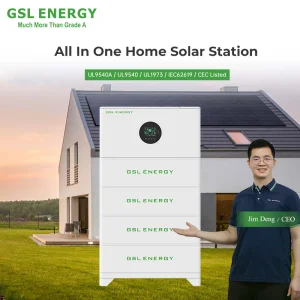
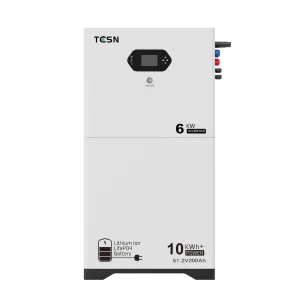
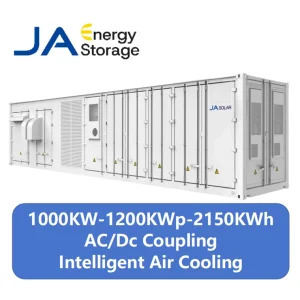
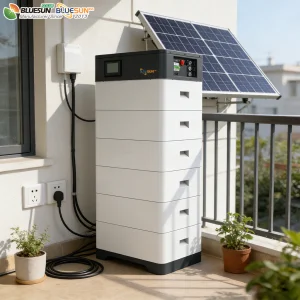
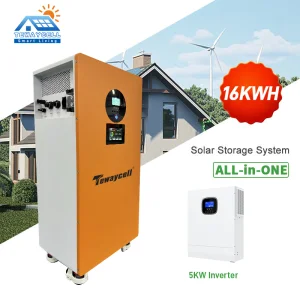
Hangzhou CCSC Energy Co., Ltd. is a leading, professional Energy Storage System Manufacturer specializing in battery energy storage, renewable power integration, and smart microgrid solutions. Our expertise spans residential, commercial, industrial (C&I), and utility-scale projects worldwide. Based in the high-tech energy hub of Hangzhou, China, our company integrates cutting-edge engineering with advanced battery technologies to help global clients maximize energy efficiency, enhance local power grid resilience, and transition smoothly toward carbon neutrality.
By delivering comprehensive engineering services and system design, we deploy highly optimized Battery Energy Storage Systems (BESS). From project consultation and safety optimization to localized CE compliance execution, our dedicated engineering team works hand-in-hand with EPC contractors, grid developers, and industrial partners.
Tailored topologies designed for diverse commercial, industrial, utility, and off-grid configurations.
Integration of hybrid solar power with reliable BESS ensures uninterrupted education and corporate services. Avoid peak demand charges with dynamic peak shaving algorithms designed specifically for regional distribution networks.
Factory 4.0 requires massive power inputs with absolute grid quality. Our containerized solutions support high-voltage operations, preventing micro-cuts that cost millions in manufacturing lines while offering critical backup operations.
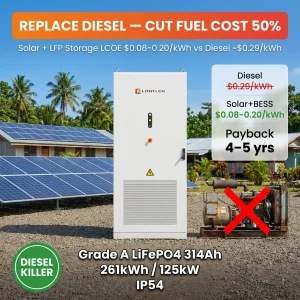
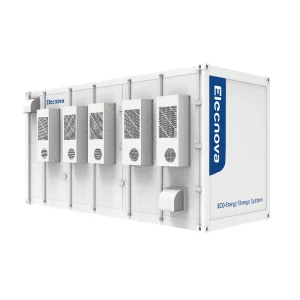
Replace diesel reliance entirely. Combining large lithium storage (such as UN38.3 3.858MWh BESS Containers) with solar arrays forms stable, localized off-grid grids, leveraging grid-forming capabilities and black-start features.
Microgrids are localized grids that can disconnect from the traditional grid to operate autonomously. Building an efficient microgrid requires deep understanding of system synchronization, transient response, and frequency stabilization. Our engineering team at CCSC Energy designs customized control topologies utilizing intelligent Energy Management Systems (EMS) that operate alongside our Battery Management Systems (BMS).
"By employing active grid-forming inverters, CCSC Energy microgrid solutions mimic synchronous generators, providing synthetic inertia to the grid, stabilizing frequency response during sudden load steps, and ensuring high-quality power distribution."
Through localized control, our systems shift power generation loads in real time: peak shaving during high-tariff periods, valley filling using excess wind/solar production, and maintaining backup reserves for immediate UPS transition during a utility outage. This architectural flexibility is standard across all of our systems, including residential systems and large-scale industrial containers.
The global energy storage industry is shifting toward higher safety standards, higher energy densities, and intelligent thermal management. As an industry leader, Hangzhou CCSC Energy is focusing on key engineering trends that define the next generation of BESS.
| Technology Vector | Current Generation System | Next-Gen Technical Roadmap (CCSC Energy) | Client Bottom Line Impact |
|---|---|---|---|
| Thermal Management | Forced Air Cooling (BESS standard) | Liquid Cooling with Eco-friendly Glycol loops | Decreased auxiliary power consumption by 30%, uniform temp differential (<2°C) extending cell life. |
| Energy Density | LFP 280Ah standard cells | LFP 314Ah / Solid-state hybrid chemistries | Requires 20% less physical space; lower civil construction and installation costs per MW. |
| Grid Interaction | Grid-following / Active injection | Advanced Grid-Forming & Black Start Capability | Autonomous black-starts for remote networks, serving as primary voltage references. |
| BMS Intelligence | Rule-based threshold alerts | AI-driven Predictive Health & Thermal Runaway Alert | Predicts degradation curves, identifies micro-short circuits 48 hours before failure. |
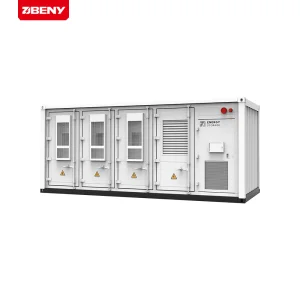
Battery lifespan depends heavily on operating temperatures. Air cooling solutions, such as the BENY 1MWH system, are highly effective for standard climates. However, for extreme desert or high-humidity tropical sites, our technical roadmap incorporates liquid cooling systems. By flowing liquid directly around the cells, the system prevents hot spots, mitigates the risk of localized thermal runaway, and maintains optimal temperatures, extending cycle life beyond 6500 cycles at high depths of discharge (DOD).
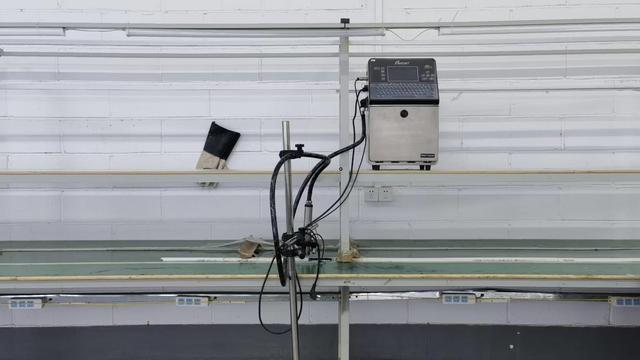
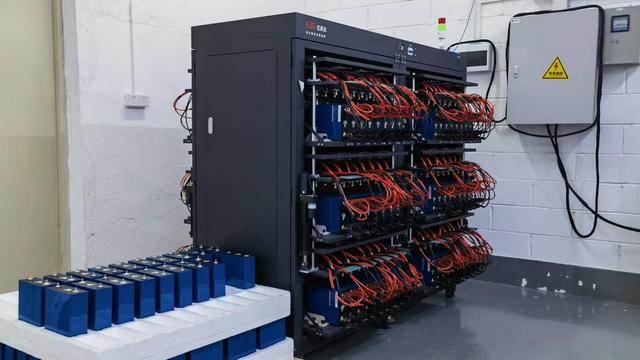
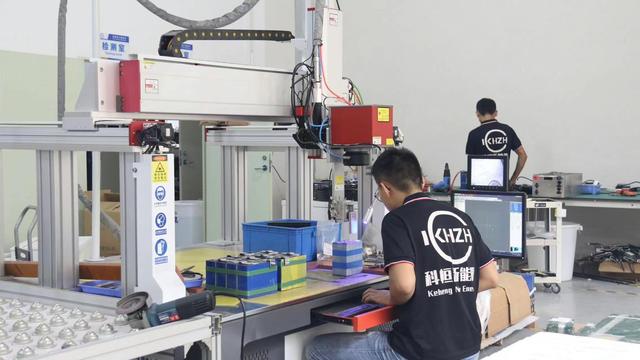
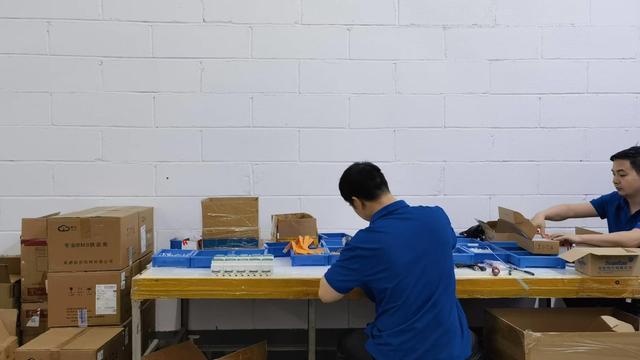
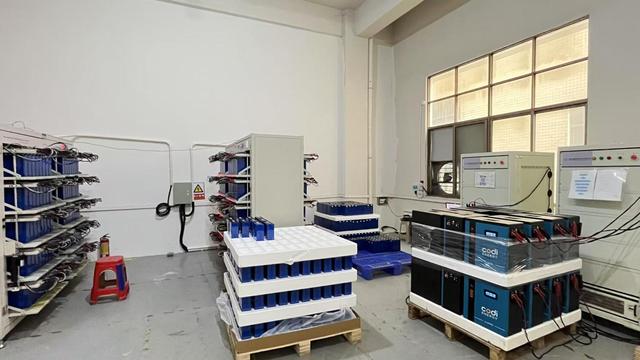
Manufacturing energy storage solutions at scale requires more than assembly; it requires end-to-end quality control and supply chain stability. Based in Hangzhou, China, our Factory 4.0 infrastructure utilizes state-of-the-art automated production processes, guaranteeing consistent manufacturing quality.
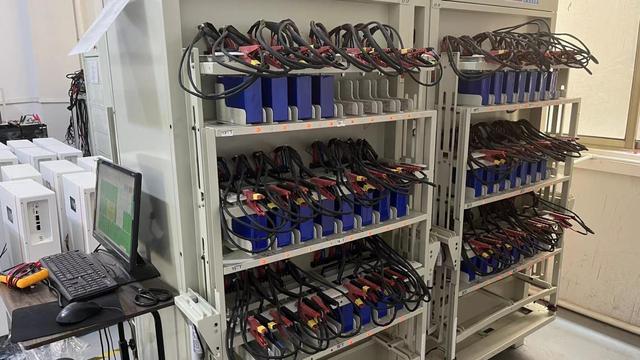
The performance of a large-scale pack is limited by its weakest cell. Our factory features fully automated sorting systems that test and group cells based on internal resistance, open-circuit voltage, and capacitance down to micro-tolerances. This careful grouping process ensures uniform charging and discharging across all modules, maximizing the operational life of the entire system.
Additionally, our strategic partnerships with Tier-1 battery suppliers allow us to source high-grade LiFePO4 cells at stable costs, insulating our international clients from sudden material price fluctuations.
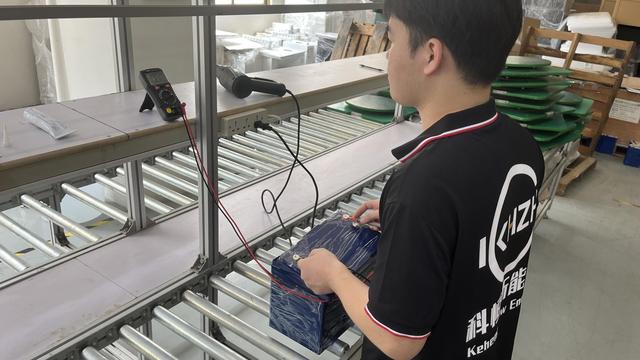
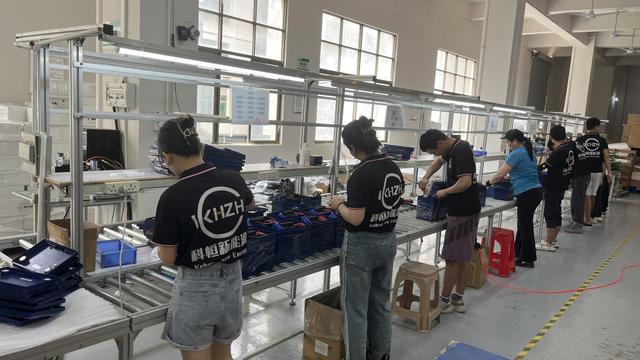
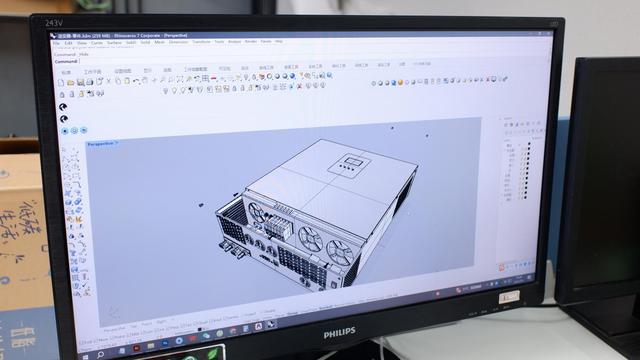
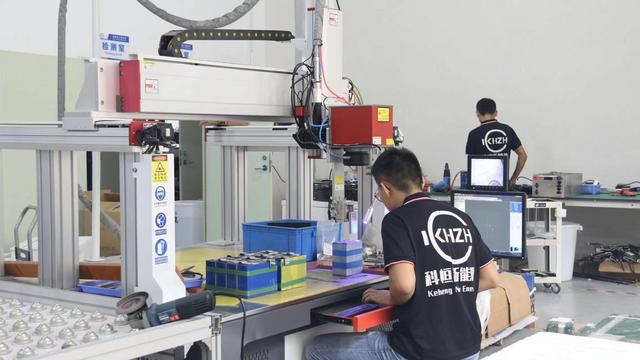
Every containerized BESS undergoes comprehensive factory acceptance testing (FAT) prior to shipping. This includes complete power cycle simulations, thermal camera assessments under maximum load, and functional tests of fire suppression systems (e.g., Aerosol or Novec 1230 gas systems).
We guarantee compliance with standard UN38.3 shipping protocols, ensuring safe transit via ocean freight. All items are packed in custom multi-layer structural frames designed to withstand dynamic port movements and structural shocks.
Global utilities and enterprises require strict compliance certificates before installing high-voltage equipment. CE certification acts as a critical gateway for the European Economic Area, verifying compliance with safety, health, and environmental protection standards.
Our systems support diverse grid codes globally, including European standards like VDE-AR-N 4105, G99 (UK), and regional standards in the Americas and Asia-Pacific. By building flexible grid-interface software, our systems allow EPCs to configure active/reactive power control parameters, voltage-ride-through thresholds, and frequency ramp rates directly through our proprietary smart interface.
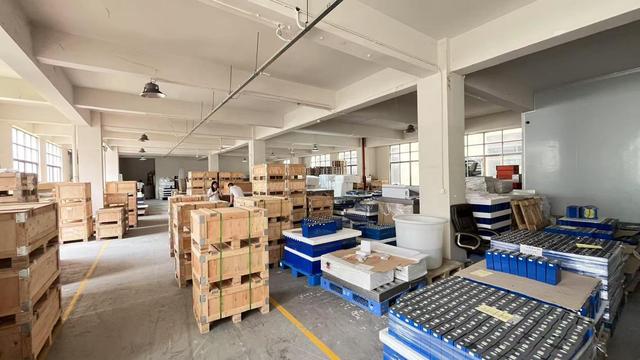
A BESS system is a long-term infrastructure investment designed to operate for 10 to 20 years. To support this lifecycle, Hangzhou CCSC Energy provides localized engineering and O&M partnerships that minimize system downtime.
We work directly with your electrical engineers to establish proper SLDs (Single Line Diagrams), configure battery container footings, select optimal HVAC or liquid cooling ratios, and size system output interfaces to matches local transformer setups.
Our engineering support services guide EPCs during on-site installation, insulation verification, communications testing with local SCADA systems, and safety verification tests prior to final grid authorization.
Through remote connection protocols, our main technical engineering centers support local teams with diagnostic reviews, software updates, and predictive maintenance schedules. This keeps your system running at maximum efficiency while maintaining compliance standards.
Expert insights regarding system design, performance metrics, and safety standards.
CE certification indicates that the energy storage system complies with core European safety, health, and environmental directives. Key certifications include LVD (Low Voltage Directive 2014/35/EU) and EMC (2014/30/EU). Testing standards like EN 62619 evaluate cells and battery packs under thermal, mechanical, and electrical stress conditions to prevent field failures.
Liquid cooling provides superior thermal uniformity, keeping temperature differences between cells within <2°C, compared to the 5°C-8°C typical of air cooling. This uniformity minimizes uneven cell aging and extends cycle life by 15-20%, while reducing auxiliary power consumption by up to 30% in high-ambient environments.
Yes. Stackable high-voltage lithium battery systems connect modules in series to raise the DC bus voltage (often up to 400V-800V). High-voltage configurations improve inverter efficiency, reduce cable thickness requirements, and minimize power loss over longer transmission distances.
Under standard operating conditions (0.5C/0.5C charge/discharge rate, 25°C, and 80% Depth of Discharge), a Tier-1 LiFePO4 system typically delivers 6,500+ cycles before capacity drops to 80% of its original rating. This equates to 15 to 20 years of daily operation.
The Battery Management System (BMS) monitors cell-level parameters, including voltage, temperature, state of charge (SoC), and state of health (SoH). The Energy Management System (EMS) monitors system-level metrics, controlling power flow between the solar arrays, utility grid, battery system, and local loads to optimize operating costs.
Our multi-tier safety architecture includes: module-level structural isolation, localized circuit breakers, intelligent BMS monitoring that detects abnormal voltage drops, and specialized container-level fire suppression systems using Aerosol or Novec 1230 gas agents.
Explore our high-capacity container solutions and high-efficiency systems engineered for peak performance.
 CCSC Energy