CCSC Energy
1 / 5
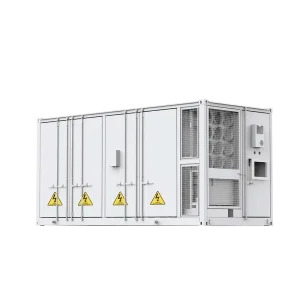
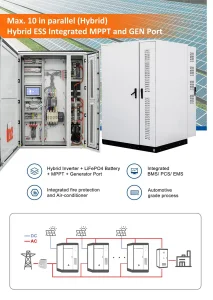
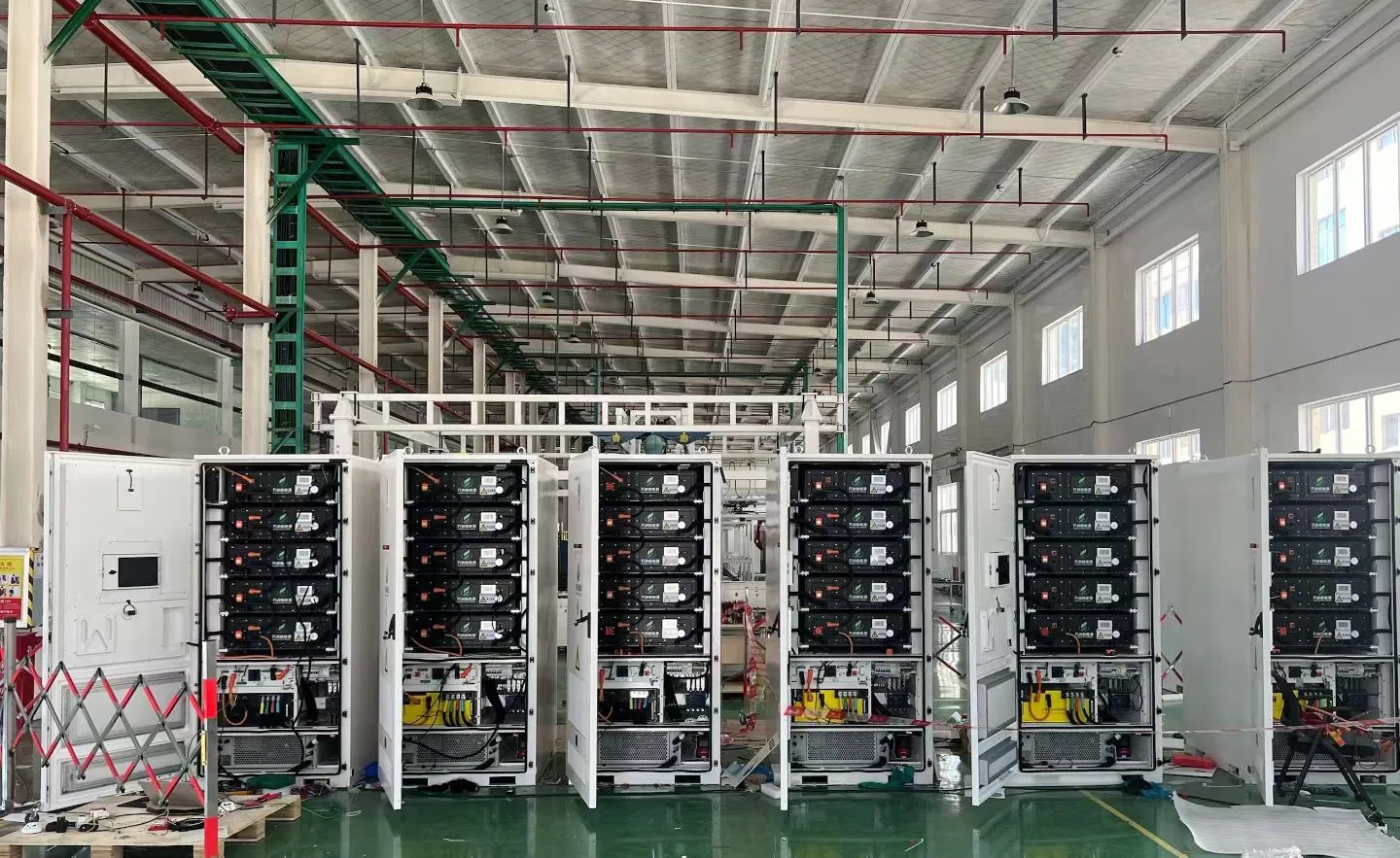
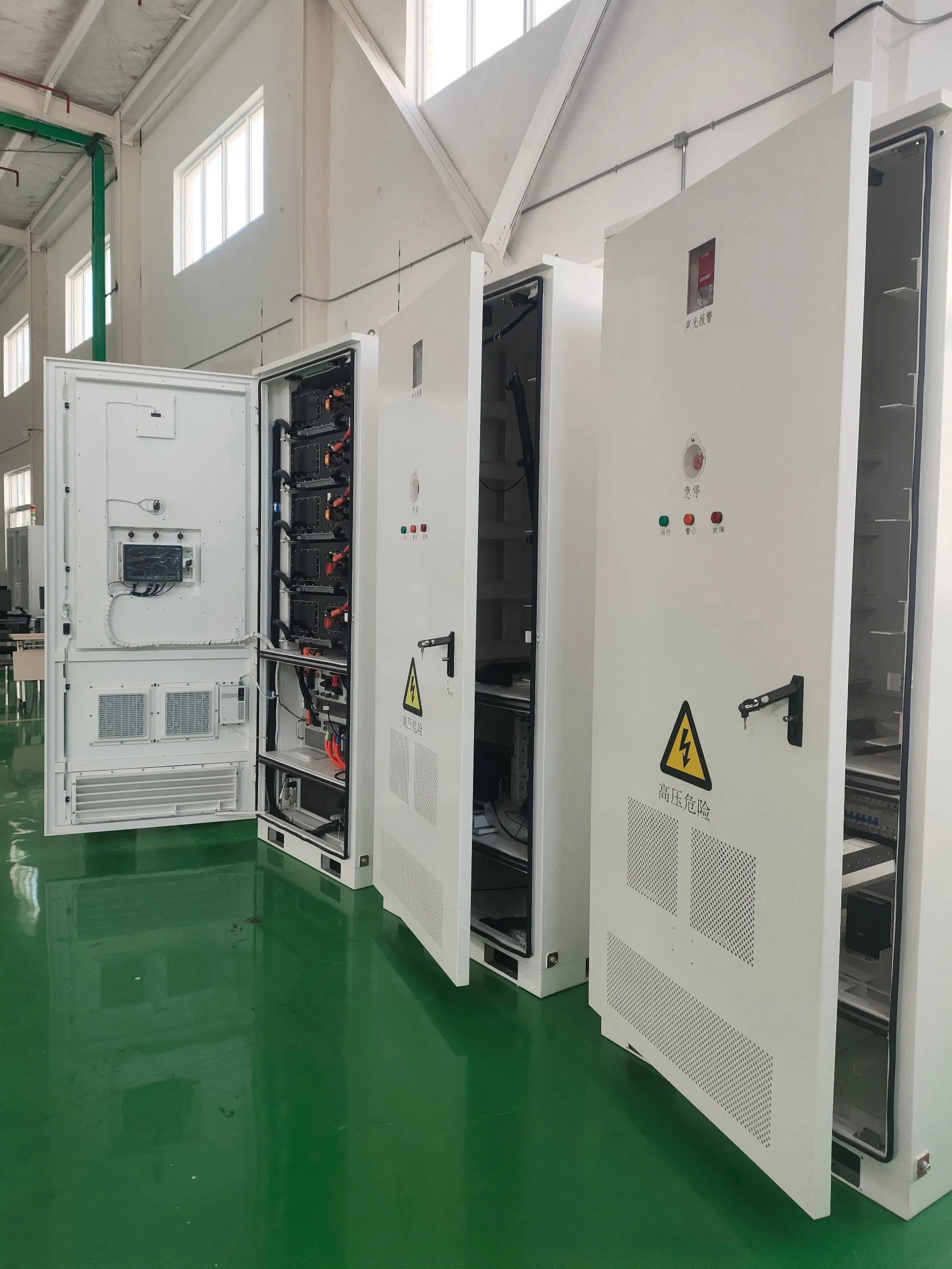
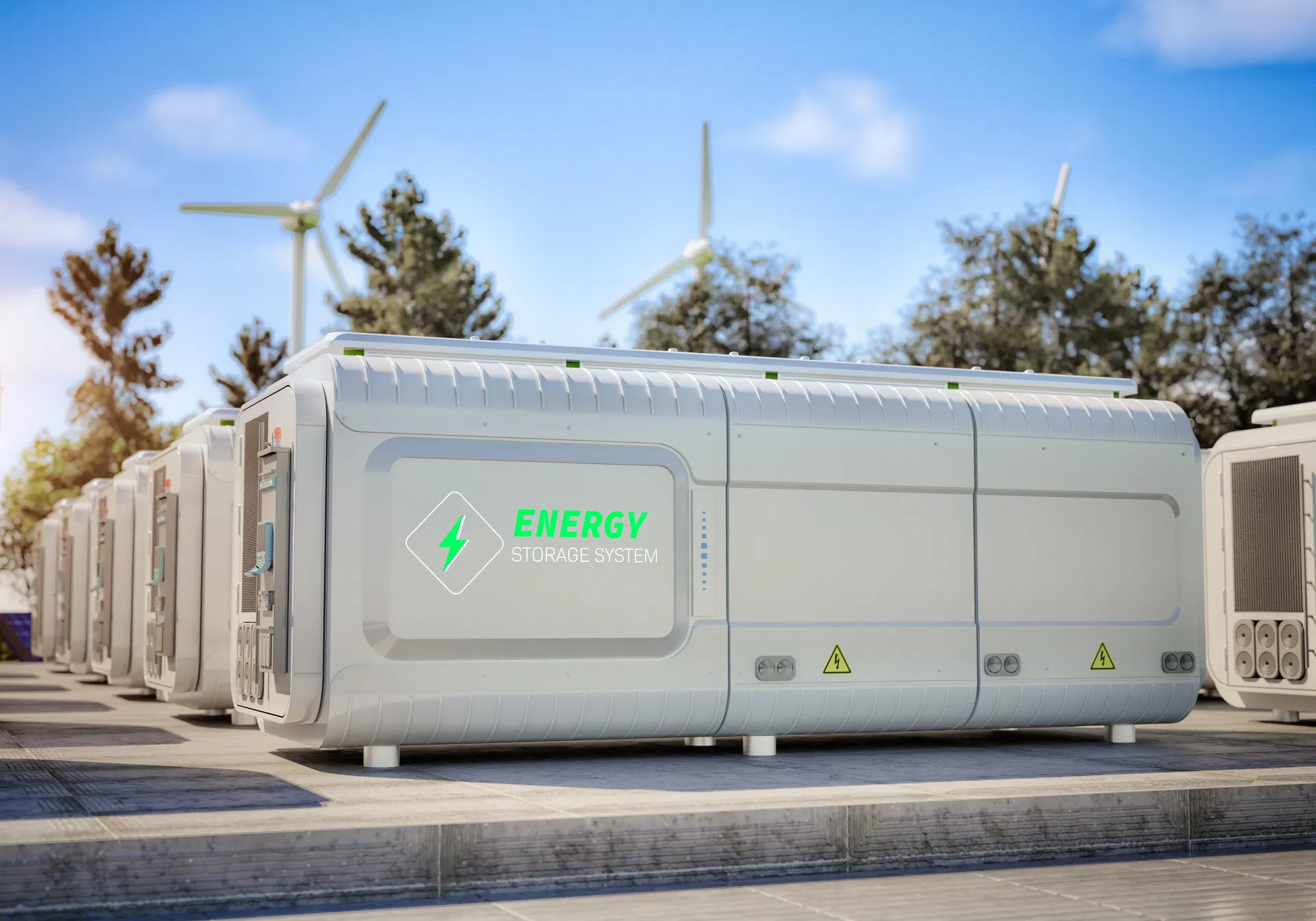
Firstly, they adopt LFP (Lithium Iron Phosphate) batteries, ensuring high safety and reliability—critical for long-term industrial operations. The energy capacity ranges from 112.54 kWh to 241 kWh, with high usable energy ratios (e.g., 105.79 kWh usable from 112.54 kWh total), meeting diverse power demand scenarios.
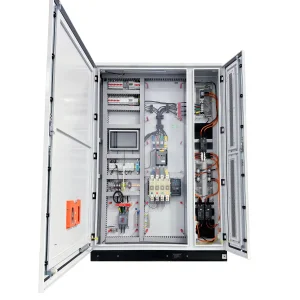
Secondly, the electrical parameters are optimized for industrial grids. Nominal DC voltage spans 358.4V to 832V, with corresponding voltage ranges (313.6V~403.2V up to 728V~949V) to adapt to different grid conditions. Most models feature 100KW rated power and AC 400V rated voltage, compatible with standard industrial power systems.
Thirdly, they are designed as grid-tied systems with MPPT (Maximum Power Point Tracking) functionality (voltage range 200~800V), enabling efficient integration with renewable energy sources like solar panels. Multiple models provide flexible options, allowing users to select based on specific capacity and voltage requirements.
Overall, these products combine safety, flexibility, and grid compatibility, making them suitable for C&I scenarios requiring stable, scalable energy storage solutions.
Peak-valley tariff arbitrage: With usable energy ranging from 105.79 to 232 kWh and rated power 50–125 kW, the systems store electricity during off-peak hours (low tariffs) and discharge during peak periods (high tariffs), directly cutting operational energy costs for businesses.
Reliable backup power: Equipped with safe LFP batteries, the systems maintain stable output (AC400V standard) to power critical equipment during grid outages, avoiding downtime losses.
Renewable energy integration: As grid-tied systems with 200–800V MPPT compatibility, they efficiently store excess solar/wind power that would otherwise be wasted, boosting self-consumption of clean energy.
Grid adaptability: With wide DC voltage ranges (313.6–949V) and compatibility with industrial power systems, the systems flexibly match different grid conditions, ensuring stable operation.
| Product Name | WRES-CI-25-241/125 |
| Total Energy (kWh) | 241 |
| Usable Energy (kWh) | 226.68 |
| Nominal Voltage (Vd.c) | 768 |
| Voltage Range (Vd.c) | 672~864 |
| Rated Capacity (Ah) | 314 |
| Single Module Specifications | 153.6V/314Ah |
| Max. PV input Power (kW) | 115 |
| Max. Output Current To Grid (A) | 167 |
| Nominal Grid Voltage (V) | 230/400V, 3L+N+PE |
| Rated Grid Frequency (Hz) | 50/60 |
| Maximum efficiency | 99% |
| Corrosion Resistance Rating | C4 |
| Dimension (W*H*D) (mm) | 1055*2300*1300 |
| Weight (KG) | 3080 |
| Altitude | ≤2000m |
| Storage Temperature | -20°C - 55°C |
| IP Rating | IP54 |
| Cycle Life | ≥8000 @ 25℃ |
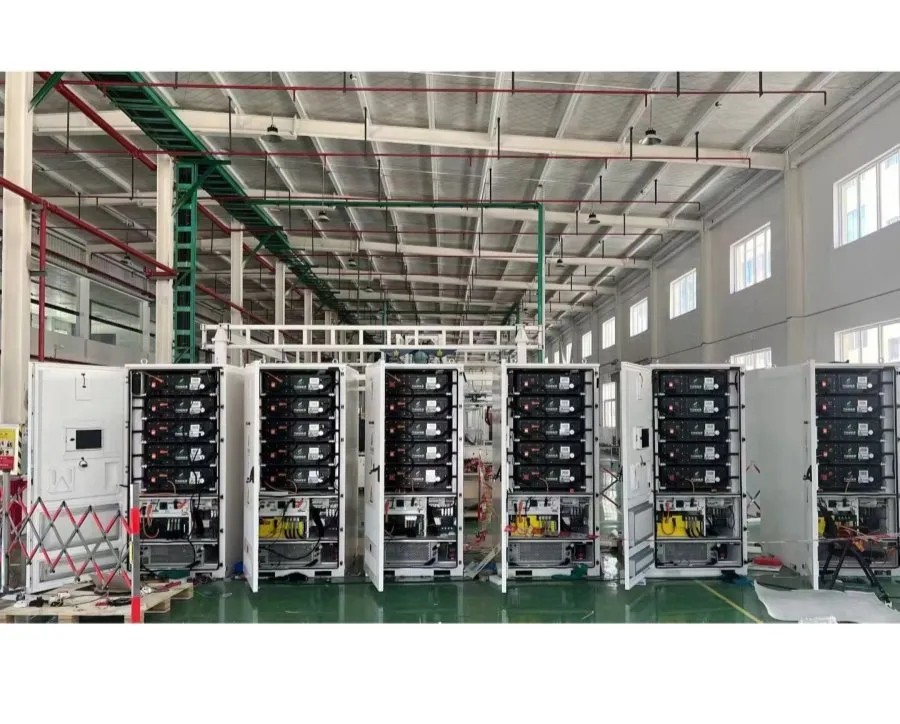
With usable energy capacities (105.79–232 kWh) and rated powers (50–125 kW) tailored to business scales, the systems enable effective peak-valley tariff arbitrage—storing low-cost off-peak electricity and supplying it during high-tariff peak hours, directly cutting long-term energy expenses.
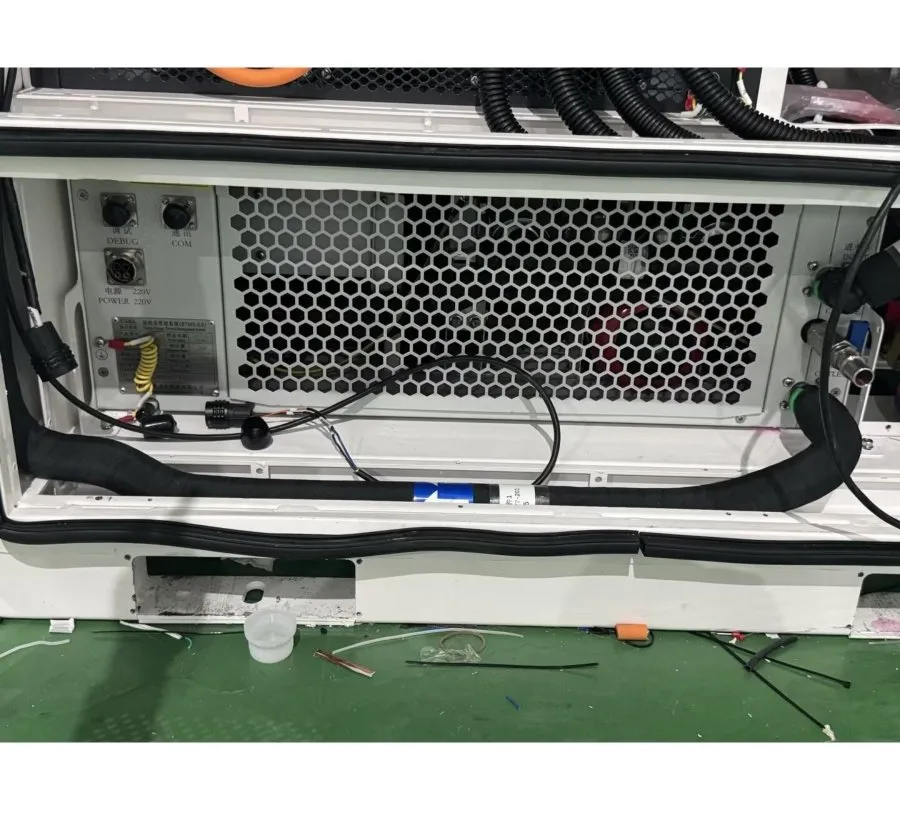
Adopting LFP (Lithium Iron Phosphate) batteries, the systems feature excellent thermal stability and long cycle life, minimizing risks of faults or downtime. Stable AC400V output further guarantees uninterrupted power for critical equipment.
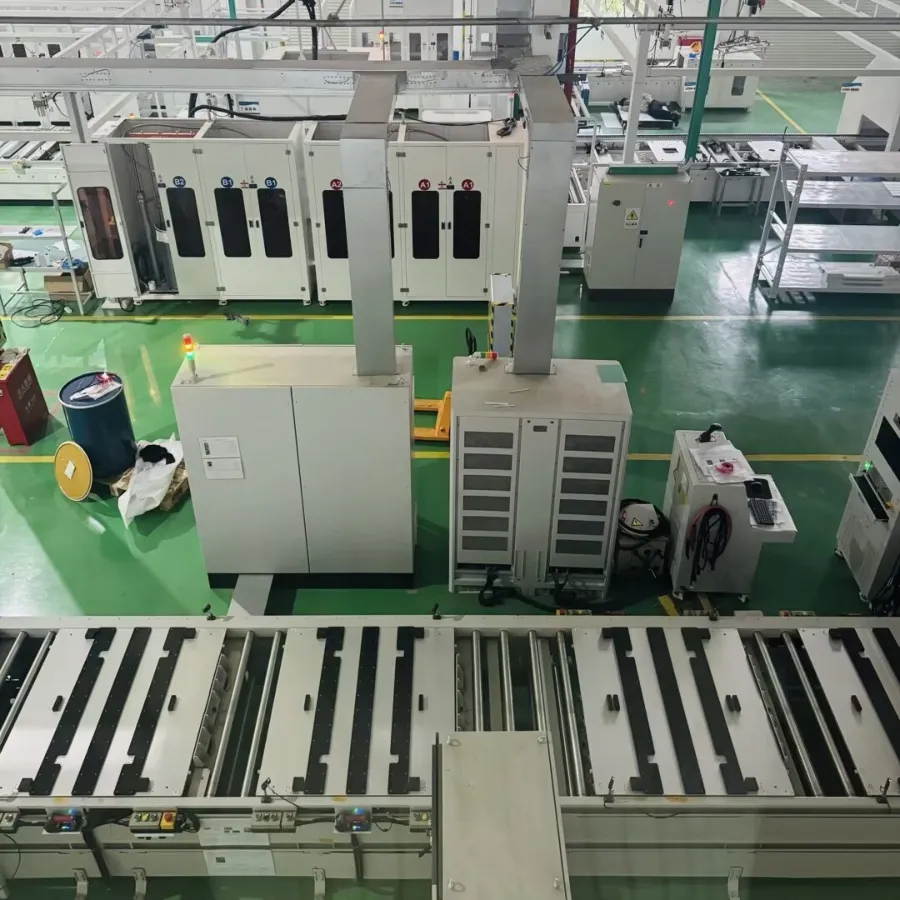
With wide DC voltage ranges (313.6–949V) and 200–800V MPPT compatibility, the grid-tied systems seamlessly integrate with on-site renewable energy (solar/wind) and adapt to diverse grid conditions.
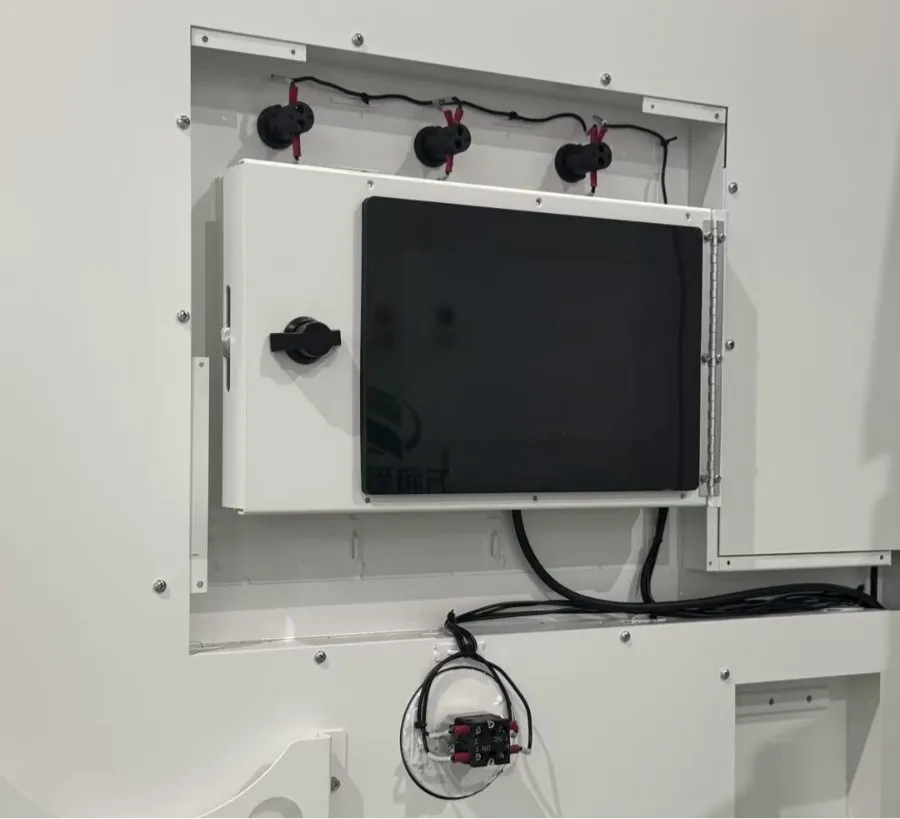
By storing excess renewable energy and reducing reliance on fossil-fueled grid power, the systems lower carbon emissions, helping businesses meet environmental targets while enhancing brand reputation.
Store electricity during off-peak hours when tariffs are low, and discharge during peak periods to directly reduce monthly electricity costs.
Equipped with safe LFP batteries to ensure uninterrupted power supply to key equipment during grid outages, avoiding costly downtime.
200–800V MPPT compatibility integrates with on-site solar/wind, preventing energy waste and increasing self-consumption of clean energy.
Wide DC voltage adaptability balances fluctuating electrical loads, reducing pressure on the public grid and enabling smooth operation.
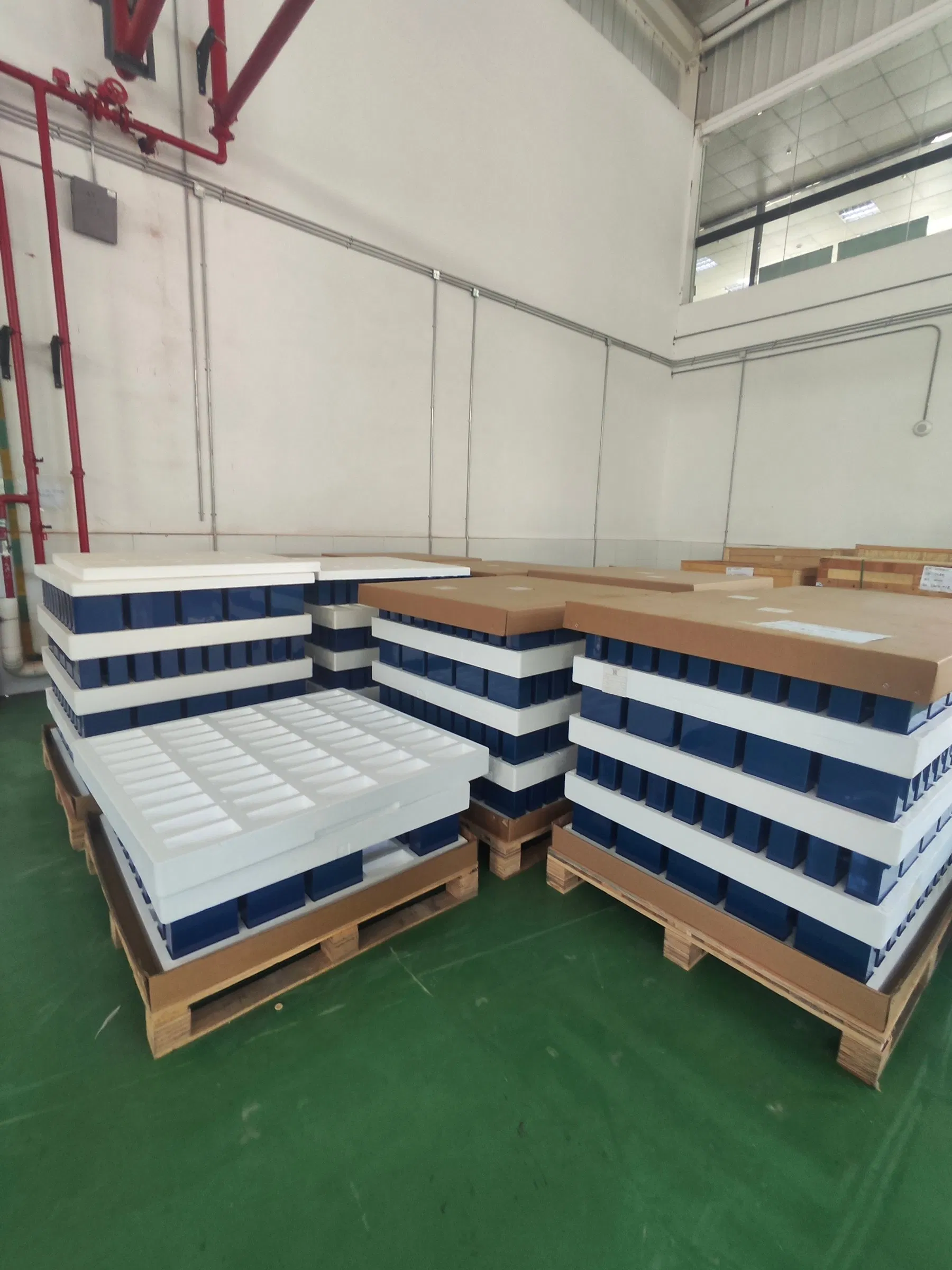
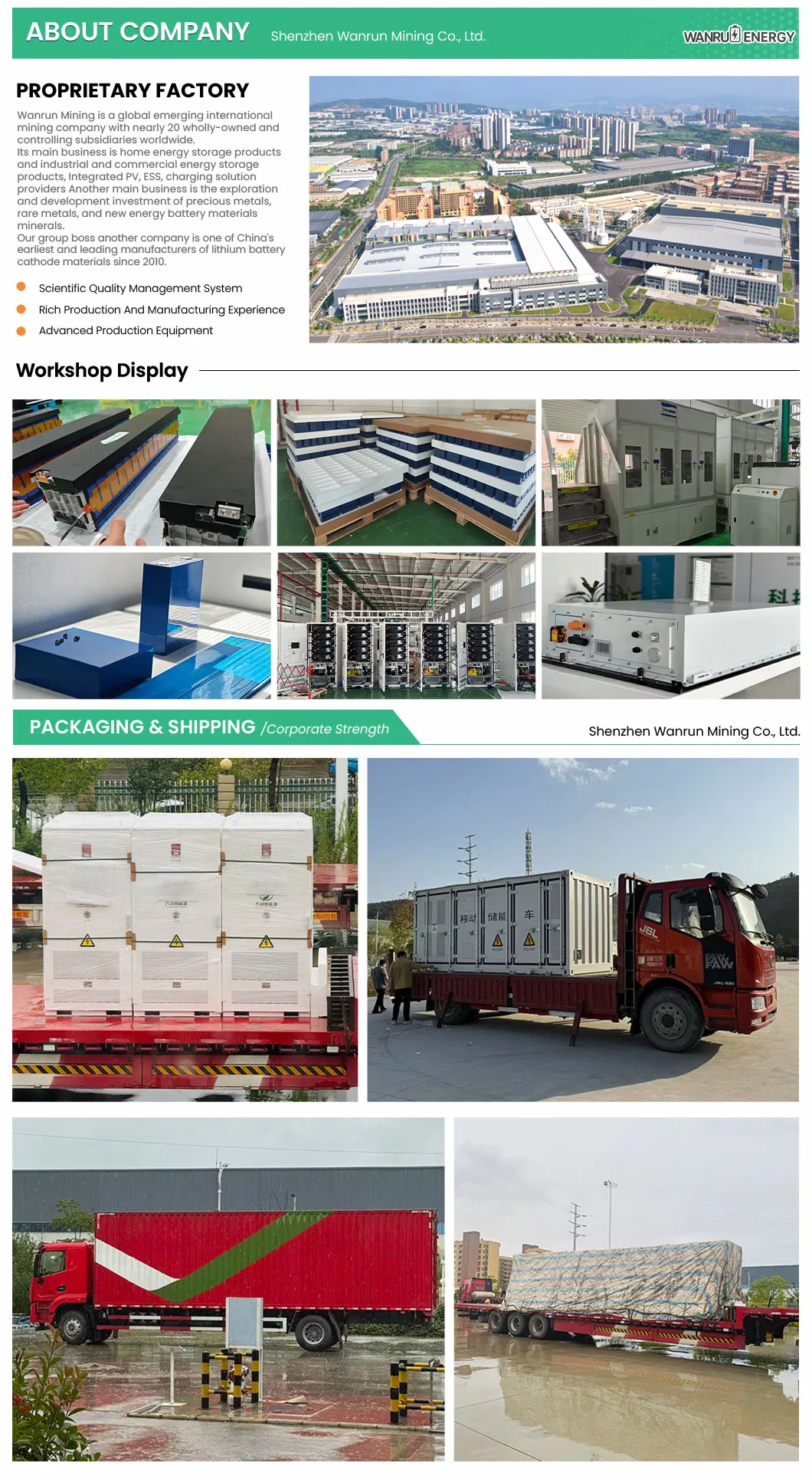
We provide reliable, transparent, and secure transportation services tailored to our core products: residential and C&I energy storage systems, and EV chargers. From dispatch to delivery, we ensure professional handling and safe, on-time arrival.
Full-Process Tracking: Immediate tracking number and real-time updates via a dedicated platform allow full visibility of shipment status, location, milestones, and estimated delivery time.
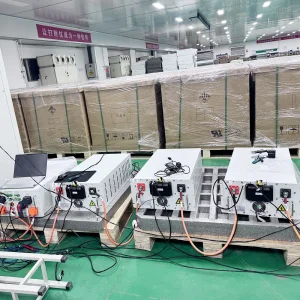
Custom Protective Packaging: Products are packed with reinforced, shockproof, moisture-resistant, and anti-collision materials. Large C&I units and high-power EV chargers are secured in sturdy wooden crates or steel frames for transit protection.
Rapid Issue Resolution: In case of transport-related damage, we encourage immediate photo documentation of the packaging, product, and waybill. Our customer service team activates a quick-response process to verify and coordinate solutions—such as replacement, repair, or compensation.

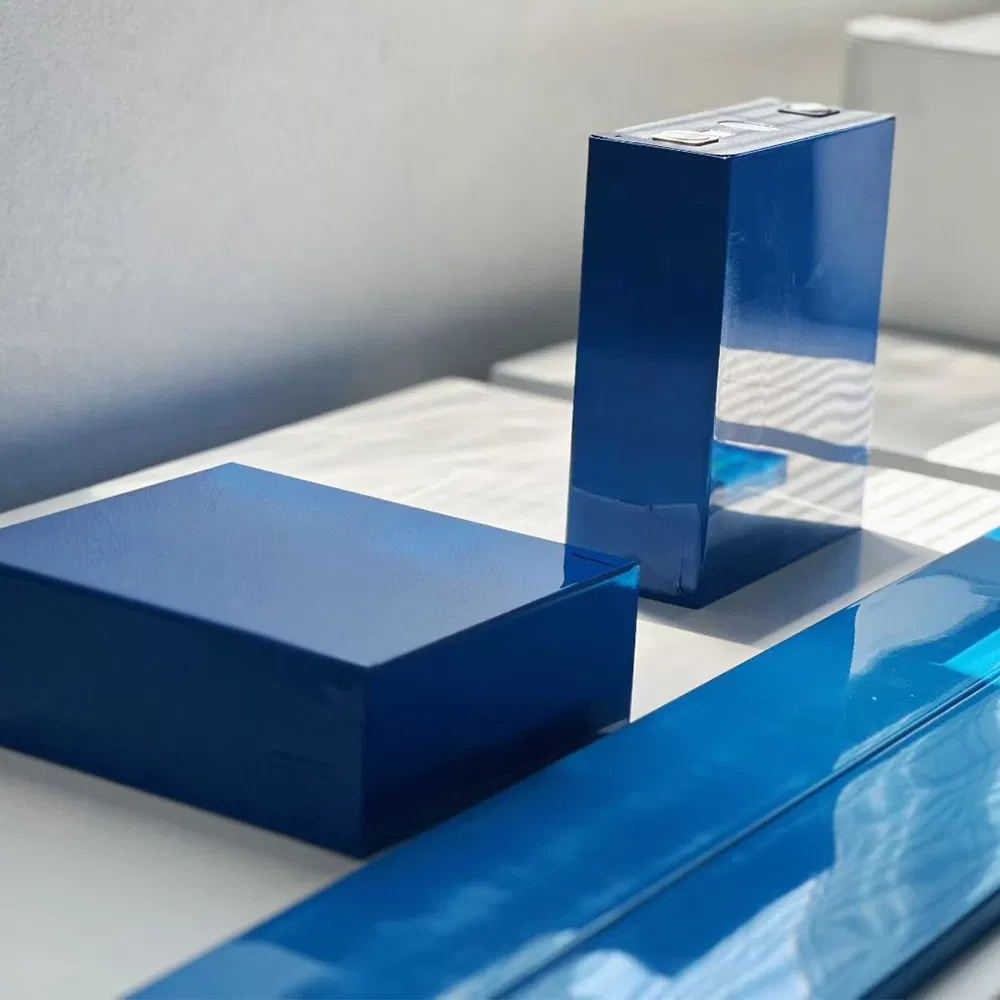


A: Multiple cells are integrated through series-parallel connections, paired with structural frames, busbars, flexible printed circuits (FPC), and temperature sensors to accommodate customized solutions for diverse clients.
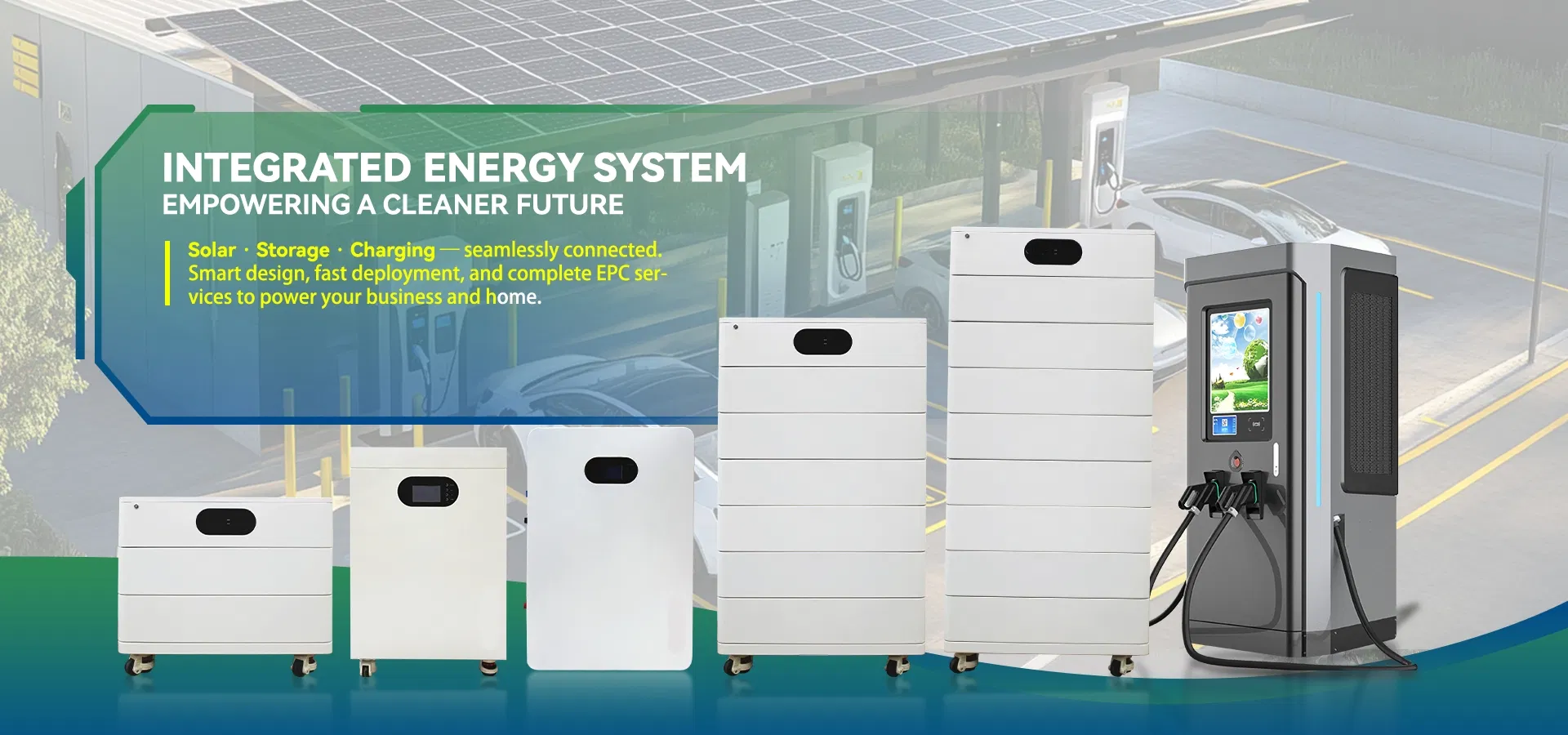
A: Our products serve integrated solar-storage-charging systems, peak-valley electricity arbitrage, backup power supply, emergency support, and operations in low-temperature environments.
A: (1) If you have stable grid access, prioritize grid-connected storage. (2) In areas without grid coverage (e.g., remote villages, outdoor camps), off-grid storage is the option. (3) For unstable grid power with frequent outages, prioritize grid-tied storage with off-grid switching capability.
A: Lithium iron phosphate batteries typically offer 6,000-8,000 charge cycles (equivalent to 10-15 years of daily use). Actual lifespan varies based on usage patterns, temperature conditions, and maintenance practices.
A: Yes, the batteries come equipped with a comprehensive Battery Management System (BMS) offering multiple protective functions to ensure safe operation. These include overcharge protection, over-discharge protection, short-circuit protection, temperature monitoring, and overcurrent protection.
A: We provide a cloud-based monitoring platform via App and Web. You can track real-time battery performance, monitor charging/discharging status, and gain insights into battery health and efficiency.