High-capacity energy storage systems optimized for the unique grid dynamics and tropical climatic conditions of Nigeria.
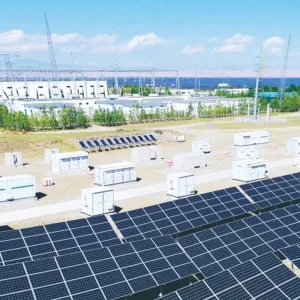
Nigeria's industrial and grid infrastructure stands at a transformative crossroads. For decades, businesses across the nation's key industrial clusters—including the Ikeja Industrial Area, Agbara Industrial Land, and Apapa Port zones—have grappled with significant power supply deficits. The national transmission grid experiences periodic stability challenges, causing large-scale manufacturers, agricultural processors, and mining operations to rely heavily on expensive, diesel-fueled backup generation.
With recent fuel subsidy reforms and rising global petroleum prices, the operational costs of diesel-dependent power configurations have escalated by over 200%. This financial burden has made diesel displacement not just an environmental goal, but an urgent commercial necessity. Utility-scale Battery Energy Storage Systems (BESS) provide a viable pathway out of this cycle, offering the capacity to capture renewable energy and stabilize localized power networks.
The enactment of the Nigeria Electricity Act 2023 has transformed the regulatory framework by decentralizing electricity generation, transmission, and distribution. This landmark policy empowers states, companies, and private developers to build independent microgrids and off-grid utility systems. In this new landscape, advanced battery storage acts as the critical balancing element, enabling steady, 24/7 power delivery for commercial enterprises, community mini-grids, and regional distribution networks.
Liquid cooling systems designed to maintain battery cells at optimal temperatures, preventing thermal runaway in ambient temperatures up to 45°C.
IP54 to IP65 rated containerized enclosures shield sensitive power electronics and cell matrices from invasive, abrasive wind-blown dust.
Smart virtual-synchronous machines capable of establishing stable voltage and frequency baselines in weak or entirely islanded mini-grids.
Engineered to support heavy manufacturing, IPP solar projects, and agricultural processing facilities.
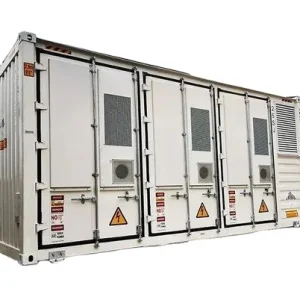
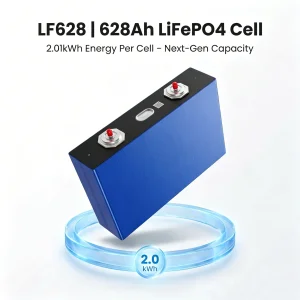
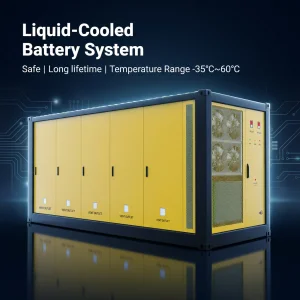
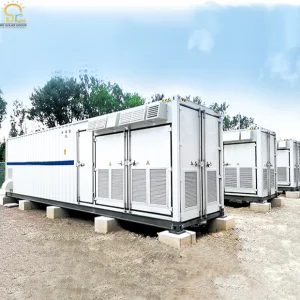
Detailed engineering criteria, safety metrics, and system components required for utility-grade BESS deployments.
Lithium Iron Phosphate (LFP) is the industry standard for stationary utility energy storage. LFP chemistry offers a balance of safety, thermal stability, and long cycle life. In hot climates like Nigeria, it provides reliable performance and safety compared to alternatives. High-quality cells support up to 6,000 to 8,000 cycles at 80% Depth of Discharge (DoD), corresponding to a 15-to-20-year operational life under standard conditions.
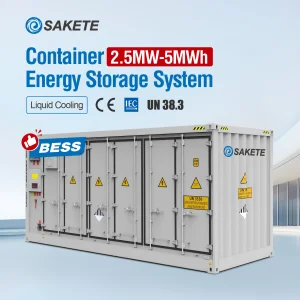
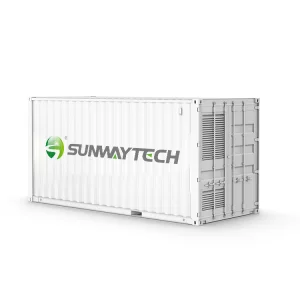
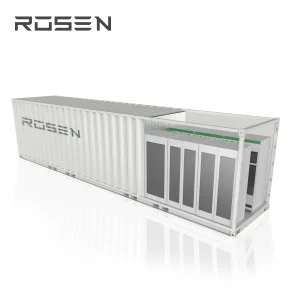
Modern utility projects are transitioning from smaller cells to high-capacity prismatic cells, such as 306Ah or 314Ah options. These large cells reduce structural complexity, simplify the Battery Management System (BMS) wiring, and minimize potential points of failure. They also provide higher energy density, allowing a full 5MWh capacity to fit within a standard 20-foot shipping container.
Liquid-cooled battery designs offer more consistent internal temperatures compared to traditional air-cooling. Maintaining a temperature variation of less than 3°C across all cells helps prevent uneven degradation. This feature is particularly useful for installations in high-temperature environments like northern Nigeria, where ambient temperatures can reach 40°C.
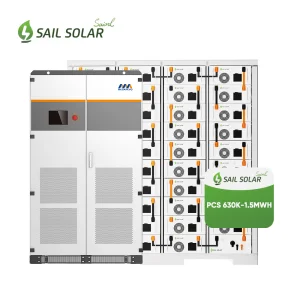
Compare containerized configurations based on the size and requirements of your commercial or utility-scale project.
| Application Size | Recommended System Type | Cooling System | Primary Use Case in Nigeria | Typical Autonomy |
|---|---|---|---|---|
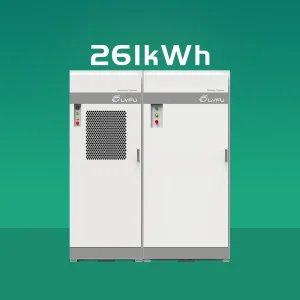
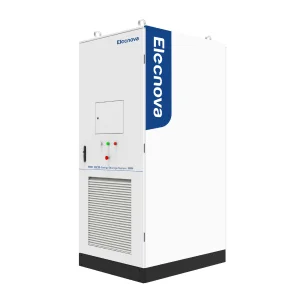
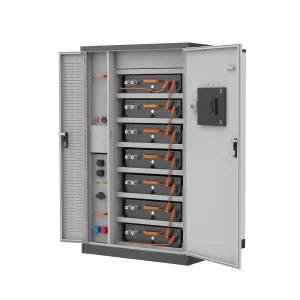
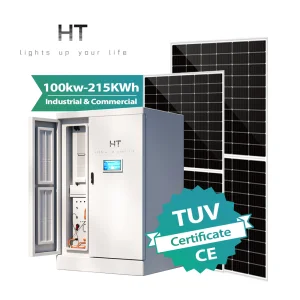
| 100kW - 500kW | Cabinet/Small Containerized (200kWh - 1MWh) | Air-Cooled (HVAC Smart Control) | Commercial Offices, Agricultural Cold Storage, Small Factories | 2 - 4 Hours |
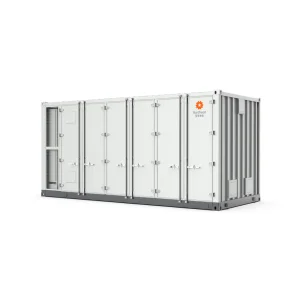
| 1MW - 2MW | Medium Containerized ESS (2MWh - 3MWh) | Liquid/Air-Cooled Hybrid | Large Manufacturing, Grid Peak-Shaving, Telecom Hubs | 2 - 6 Hours |
| 5MW+ | Large Scale Liquid-Cooled Container (5MWh - 10MWh+) | Intelligent Liquid Cooling with AI Management | Utility Grid Stabilization, IPP Solar Farms, Mining Operations | 4 - 8 Hours |
Our utility-scale storage systems are designed to deliver reliable performance across demanding industrial environments.
A multi-layer battery management system monitors cell health in real time. From the individual cell module up to the complete container cluster, the BMS tracks parameters such as state of charge (SoC), state of health (SoH), voltage imbalances, and thermal variations. Built-in alarms and protective disconnects guard against overcharging, over-discharging, and short circuits, helping to extend the system's operational lifespan.
Our systems feature hybrid power management control. The EMS (Energy Management System) coordinates operation between solar PV, utility grid input, battery storage, and local backup generators. By prioritizing solar usage and utilizing battery capacity during peak periods, the system reduces the running hours of diesel generators, helping to lower fuel costs and maintenance requirements.
Important technical and regulatory guidelines for deploying utility-scale energy projects.
In Nigeria, utility-scale power installations must align with the Nigerian Electricity Regulatory Commission (NERC) Grid Code. Utility-scale battery systems require grid-forming capabilities to assist with frequency control, active power regulation, and reactive power support. This alignment helps manage localized power variations, supporting grid stability and facilitating connection approvals.
Compliance with the National Environmental Standards and Regulations Enforcement Agency (NESREA) is essential. Projects must incorporate reliable fire protection systems (such as aerosol fire suppression and gas detection) and follow clear protocols for battery disposal. Selecting products that meet international safety certifications, including UN38.3, IEC 62619, and UL 9540A, helps ensure safety and facilitates local approval processes.
Navigating entry points like the Apapa or Tin Can Island ports requires careful planning. We provide comprehensive documentation—including Form M, SONCAP certifications, and detailed HS codes—to support customs clearance. Our logistics support helps project developers minimize delays and optimize importation costs.
To ensure long-term system performance, local technical support is vital. We collaborate with local EPC partners to offer technical training, provide essential spare parts inventories, and support system commissioning. This helps project operators maintain system reliability and resolve technical issues quickly.
Technological developments driving efficiency and lowering costs in regional energy storage markets.
Sodium-ion chemistry is emerging as a potential alternative for stationary storage. Utilizing abundant raw materials, it offers cost advantages and reliable safety profiles. While its energy density is lower than lithium-ion, it performs well across a wide temperature range, making it suitable for stationary applications in warm climates.
Transitioning from 1000V DC system layouts to 1500V DC architectures helps reduce energy losses and cable sizes. This change lowers installation costs and improves overall system conversion efficiency, providing benefits for large utility projects.
Modern Energy Management Systems (EMS) use smart algorithms to optimize performance. By analyzing weather patterns and historical load data, the system manages charge and discharge cycles to maximize solar integration and reduce energy costs.
Common questions regarding the deployment, cost, and maintenance of BESS in Nigeria.
Using high-quality Lithium Iron Phosphate (LiFePO4) chemistry, our battery systems are rated for 6,000 to 8,000 complete cycles at 80% Depth of Discharge (DoD) before capacity reduces to 80% of its initial rating. Under typical operating conditions with active thermal management, this supports 15 to 20 years of operational life.
High operating temperatures can accelerate cell degradation if not managed. We design our containerized systems with smart liquid-cooling or specialized HVAC systems to maintain internal cell temperatures within the optimal range (typically 20°C to 30°C). This helps protect the battery modules and maintain system efficiency even when ambient temperatures exceed 40°C.
Yes, our systems integrate with diesel generators through an Energy Management System (EMS). The EMS coordinates power sources, using battery capacity to handle transient load variations and power spikes. This integration helps reduce generator running hours, fuel consumption, and wear and tear.
All systems are designed to meet international standards. The battery cells, modules, and complete containers carry certifications such as UN38.3 (for transport safety), IEC 62619 (safety for industrial applications), and UL 9540A (fire safety testing). The containers are also equipped with automated aerosol fire suppression and gas detection systems.
The 2023 Electricity Act permits private developers and state entities to build independent power generation and distribution networks. This provides a clear framework for constructing commercial mini-grids and utility-scale hybrid installations, allowing projects to operate without sole reliance on the national grid network.
A professional Energy Storage System Manufacturer specializing in battery energy storage, renewable power integration, and smart energy solutions.
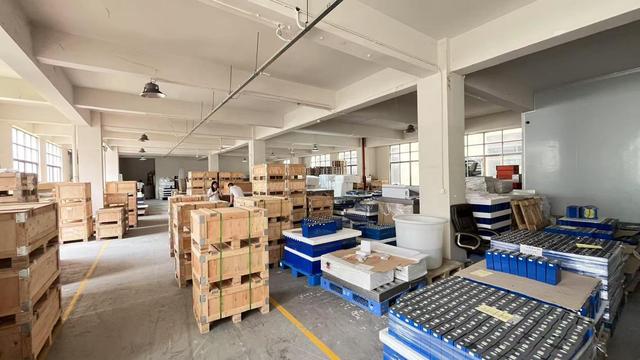
Hangzhou CCSC Energy Co., Ltd. is a professional Energy Storage System Manufacturer specializing in battery energy storage, renewable power integration, and smart energy solutions for residential, commercial, industrial, and utility-scale applications. Based in Hangzhou, China, the company focuses on developing advanced energy storage technologies that help customers improve energy efficiency, enhance power reliability, and support the transition toward sustainable energy systems.
With expertise in energy storage engineering and system integration, CCSC Energy provides comprehensive solutions covering battery energy storage systems (BESS), renewable energy storage integration, commercial and industrial energy storage, backup power systems, microgrid applications, distributed energy infrastructure, and intelligent energy management platforms. Its solutions are designed to support a wide range of applications, including solar energy utilization, peak demand management, grid stabilization, emergency power supply, and energy cost optimization.
The company is committed to delivering safe, efficient, and scalable energy storage solutions tailored to the needs of modern energy users. Its engineering team works closely with customers, project developers, EPC contractors, and energy service providers to design systems that align with specific operational requirements, performance objectives, and regulatory standards. From project planning and system design to manufacturing and technical support, CCSC Energy offers comprehensive services throughout the project lifecycle.
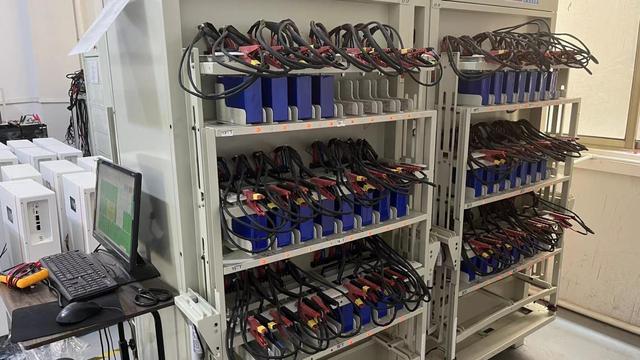
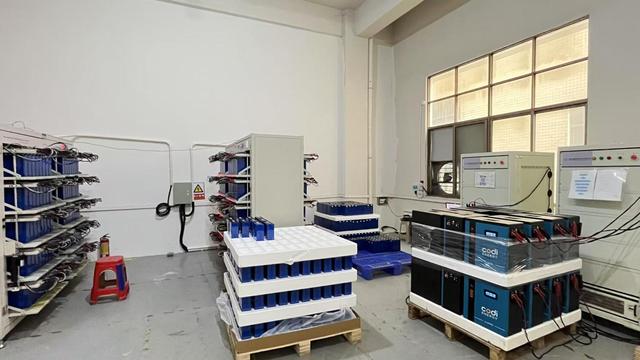
Equipped with advanced manufacturing facilities and stringent quality management processes, the company emphasizes product reliability, operational safety, and long-term performance. Continuous investment in research and development enables CCSC Energy to integrate intelligent monitoring technologies, advanced battery management systems, and smart energy control platforms into its solutions.
Serving customers across Asia, Europe, North America, South America, the Middle East, and other global markets, Hangzhou CCSC Energy Co., Ltd. is dedicated to providing innovative energy storage solutions that support renewable energy adoption, strengthen power resilience, and contribute to a more efficient and sustainable energy future.
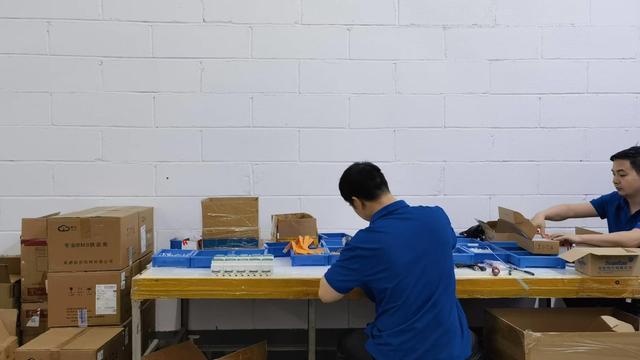
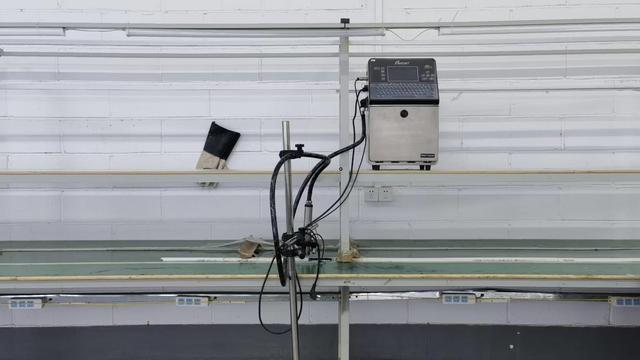
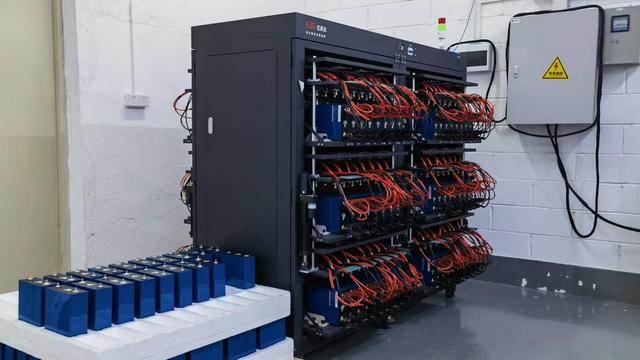
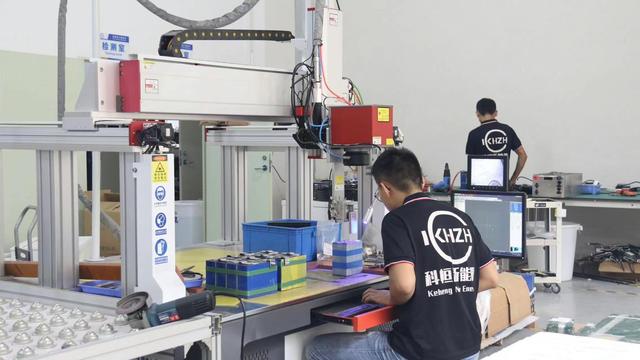
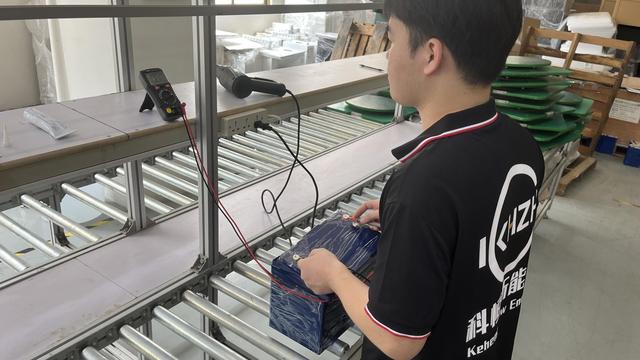
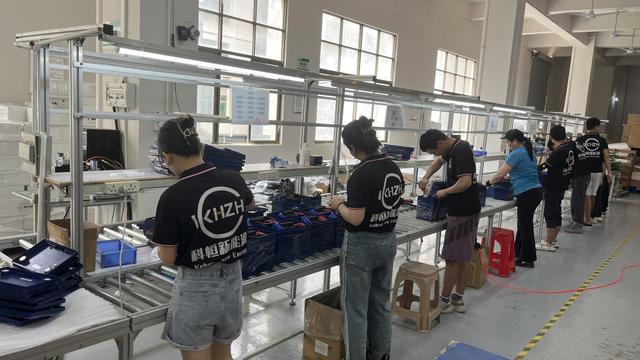
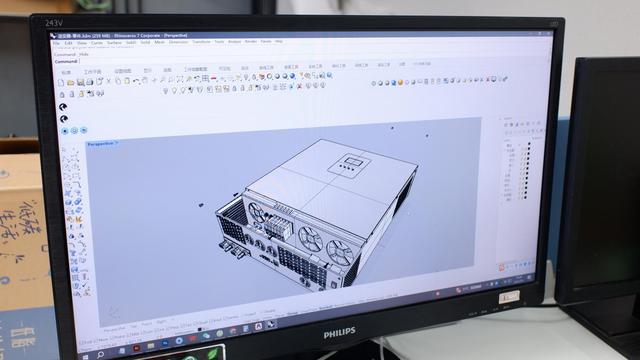
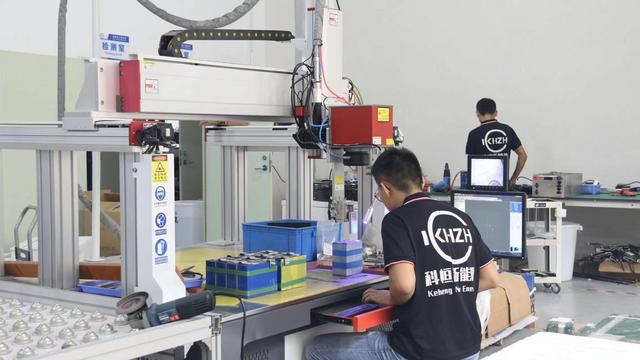
Standard and customized configurations to meet diverse commercial, industrial, and utility energy needs.
 CCSC Energy