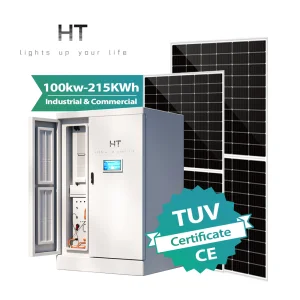
Optimized energy storage configurations featuring advanced LFP systems, engineered for Kansai grid integration and large-scale utility stability.
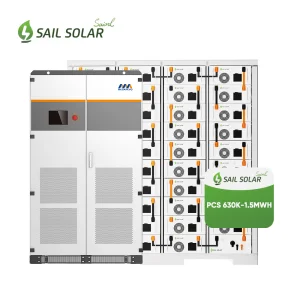
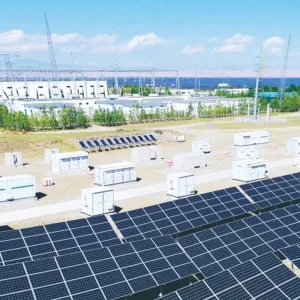
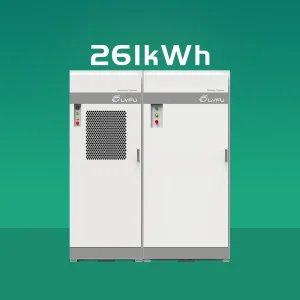
As the economic engine of Western Japan, the Kansai region and particularly Osaka Prefecture are undergoing a structural transformation in how electricity is generated, stabilized, and consumed. Driven by the Japanese government’s 2050 Carbon Neutrality Goal and the regional "Osaka Zero Carbon Vision", the deployment of Utility-Scale Battery Energy Storage Systems (BESS) has shifted from a forward-looking technology to critical electrical infrastructure.
Osaka’s unique geographic layout—combining high-density heavy industrial zones in Sakai and Yodogawa with high-capacity offshore solar projects in the Osaka Port region—presents distinct grid management challenges. The Kansai Electric Power Company (KEPCO) grid faces localized congestion, sharp peak demands during humid summer months, and the inherent volatility of integrated solar PV systems. Utility-scale energy storage operates as the vital buffer needed to prevent solar curtailment, perform dynamic peak-shaving, and supply instant synthetic inertia to ensure grid resilience against natural disasters.
Osaka's industrial footprint is characterized by precision manufacturing, chemicals, logistics, and heavy engineering. For these sectors, power quality is not negotiable. A momentary voltage drop can lead to millions of yen in damaged products and cleanroom contamination. Deploying custom utility-scale storage systems guarantees:
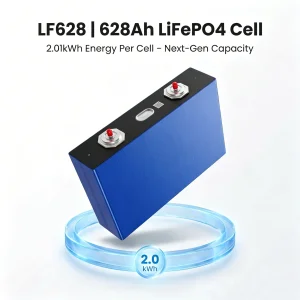
CCSC Energy integrates cutting-edge power electronics, prismatic lithium-iron-phosphate (LFP) chemistry, and intelligent control algorithms to meet Japan's stringent grid code.
Our utility-scale systems feature advanced grid-forming Power Conversion Systems (PCS) capable of generating voltage and frequency references autonomously. This replaces the need for traditional synchronous generators and reinforces weak grids in coastal Osaka industrial hubs.
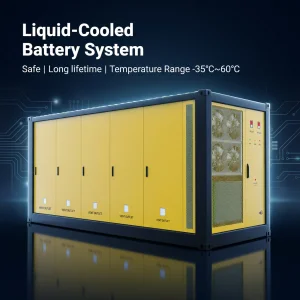
Utilizing closed-loop liquid cooling with intelligent thermal balancing algorithms, our containers maintain inter-cell temperature differentials below 2°C. This substantially mitigates degradation rates and prevents thermal runaway under harsh, high-ambient conditions.
Engineered to meet the rigorous Japanese Fire Service Act guidelines, our enclosures are fitted with multi-stage gas detection (CO, H2), automated aerosol-based fire suppression, and localized explosion venting panels for absolute safety.
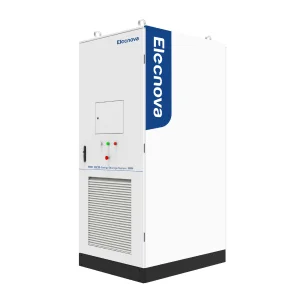
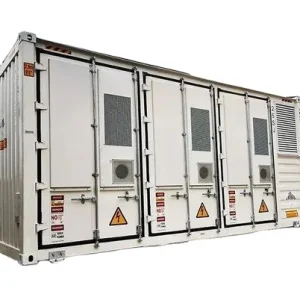
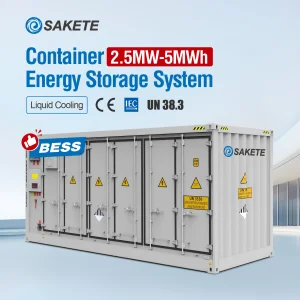
In utility-scale storage, the battle between liquid cooling and traditional air cooling has been won by liquid thermal management. Our 4MWh and 5MWh containerized solutions employ direct liquid-to-plate cooling technology. By circulating a glycol-water mixture directly along the battery modules, the heat dissipation efficiency is increased by 30% compared to forced air cooling.
This efficiency is paramount for Osaka’s industrial projects. With high humidity and seasonal temperature shifts, traditional air-cooled containers struggle to maintain uniform cell temperatures, leading to uneven cell aging and localized capacity loss. Our liquid-cooled BESS maintains the cell temperature at optimal operating ranges (25°C ± 3°C), resulting in a 20% extension in lifetime cycle count (up to 8,000 cycles at 80% Depth of Discharge).
Cell Lifecycle Count (@80% DoD)
Inter-Cell Temp Deviation
PCS Conversion Efficiency
METI & JIS Compliance Ready
Importing and installing utility-scale energy systems in Japan requires strict adherence to localized technical standards. As an experienced utility-scale manufacturer, CCSC Energy design-builds BESS containers to streamline approval pipelines with METI (Ministry of Economy, Trade and Industry) and local fire bureaus in Osaka Prefecture.
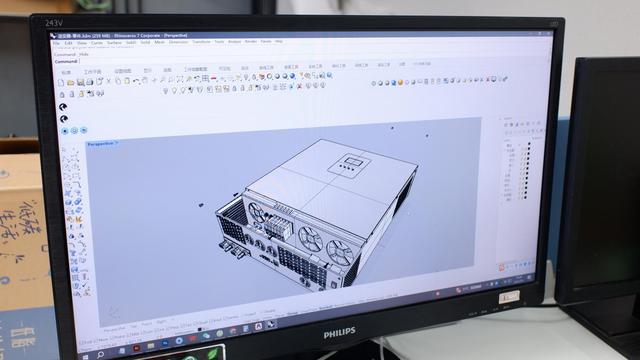
By partnering with local engineering firms and EPCs in Osaka, we provide comprehensive documentation packages—including structural calculations, thermal simulation reports, and single-line diagrams—designed to accelerate the permitting timeline from quarters to weeks.
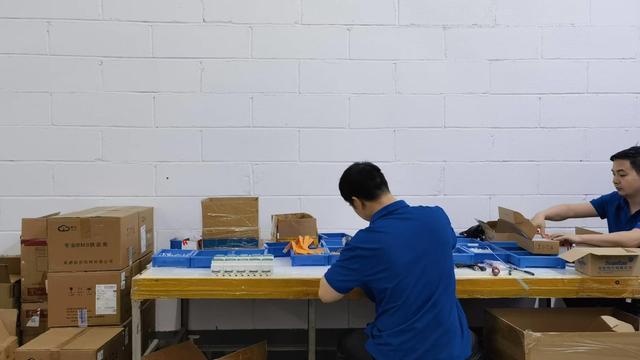
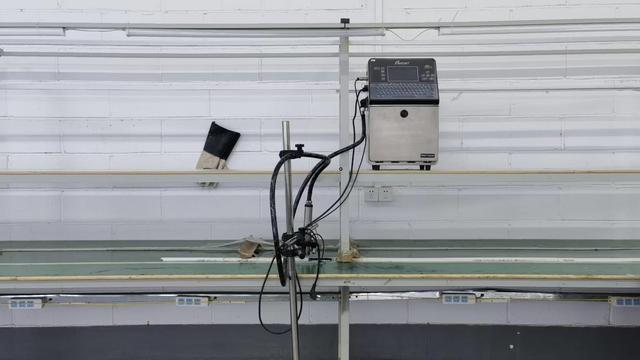
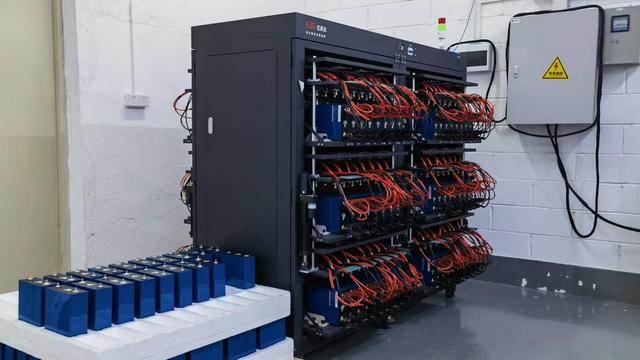
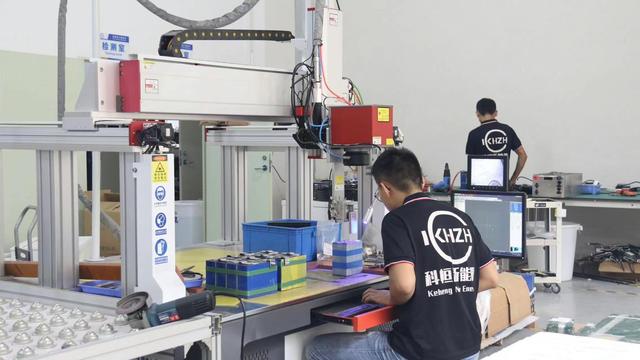
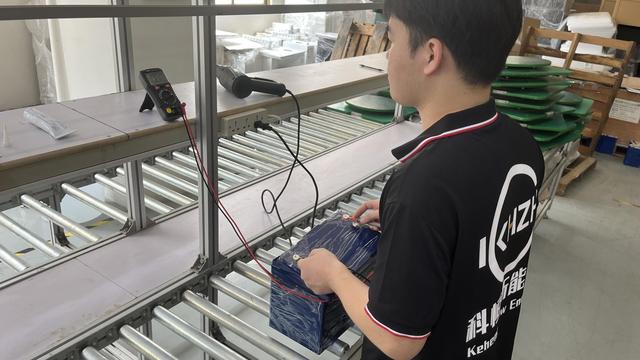
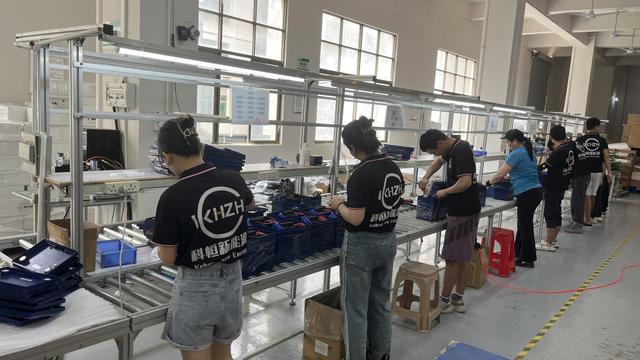
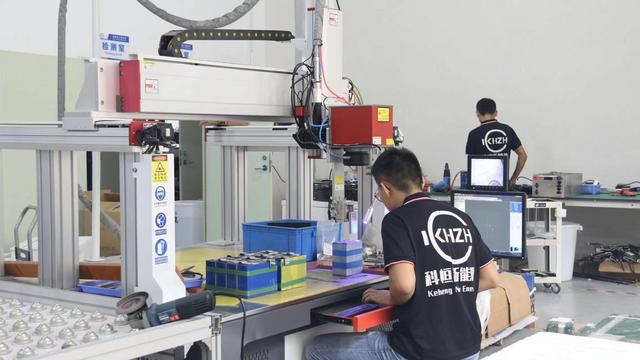
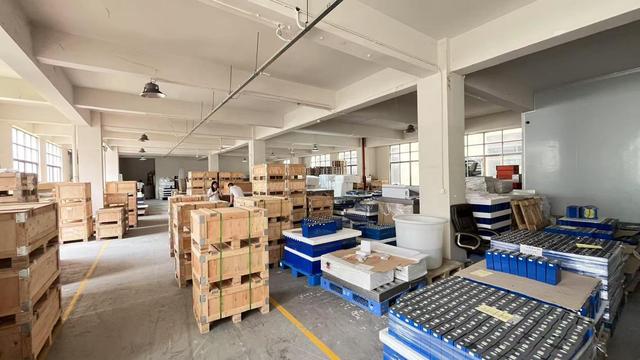
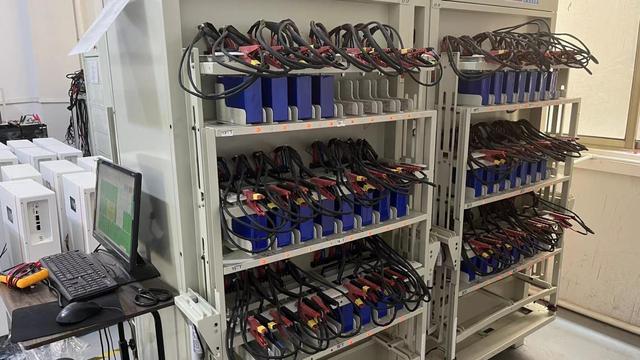
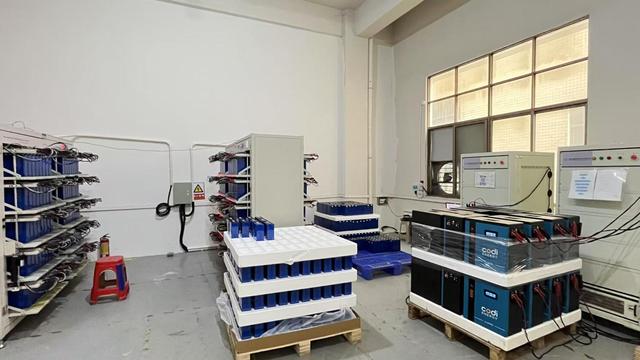
Take an inside look at our advanced manufacturing plants, where state-of-the-art automation and strict quality management processes guarantee long-term performance.
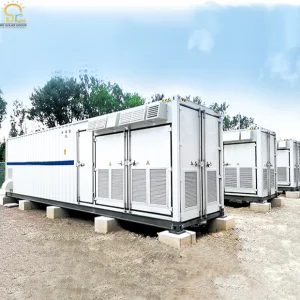
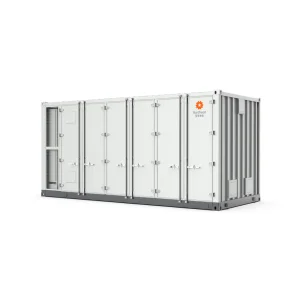
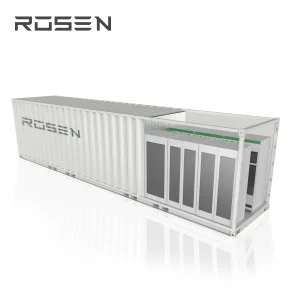
Explore our scalable battery storage configurations, tailored to support microgrids, high-capacity industrial systems, and utility grid peak shaving.
In-depth insights addressing typical technical, financial, and regulatory questions raised by Japanese utility planners and EPC contractors.
LCOS is highly dependent on system size, cycles per year, and localized installation costs. Utilizing our high-capacity 5MWh container integrated with LFP prismatic cells, we achieve an optimized LCOS by maximizing cycles (8,000+ cycles at 80% DoD) and utilizing advanced liquid cooling to minimize auxiliary power consumption, yielding superior long-term financial returns on Japanese grid investments.
Unlike standard grid-following inverters that require a stable grid voltage to synchronize, our grid-forming inverters behave as virtual synchronous machines. They establish voltage and frequency references, dynamically providing synthetic inertia and short-circuit current support. This is vital for industrial microgrids located near Osaka Port which face localized voltage sags.
Our utility-scale battery storage containers are engineered with reinforced high-strength structural steel frames. We carry out detailed Finite Element Method (FEM) seismic stress simulations to guarantee integrity under critical earthquake loads. Structural floor plates and rack anchors are calculated to withstand a horizontal seismic acceleration of up to 1.5G, in line with Japan's building codes.
High relative humidity reduces the effectiveness of heat dissipation in traditional air-cooled systems. Our liquid cooling loops bypass this by routing glycol coolant directly past the cell surfaces. This keeps the internal cell temperature differential below 2°C, preventing thermal gradients that cause uneven degradation and localized hotspots, which are common issues with air-cooled systems in Osaka’s summer heat.
We supply all required safety documents, certified laboratory reports (including UL 9540A thermal runaway propagation testing), and multi-point hazard safety layouts. Our systems incorporate localized structural fire barriers, early-warning off-gas sensors, and automated containment systems that seamlessly integrate with local Japanese emergency response protocols.
Yes. Our Energy Management Systems (EMS) support industry-standard communication protocols, including Modbus TCP/IP, IEC 60870-5-104, and DNP3. This allows seamless integration with third-party VPP aggregation software used by Japanese retail electricity providers and grid operators to coordinate frequency response and market-arbitrage bidding.
Hangzhou CCSC Energy Co., Ltd. is a leading global Energy Storage System Manufacturer specializing in utility-scale BESS, renewable energy integration, and smart microgrid infrastructure. With our engineering headquarters in China and a global service network, we focus on delivering safe, high-cycle, and compliant battery energy storage systems tailored to complex regional requirements, including those of Japan’s energy market.
Our engineering team works closely with utility developers, EPC contractors, and industrial operators globally to design custom systems that align with specific grid requirements and local standards. From early-stage simulations and system sizing to fabrication, compliance auditing, and commissioning support, CCSC Energy is a committed partner throughout the lifetime of your energy assets.
 CCSC Energy