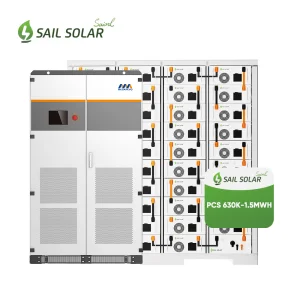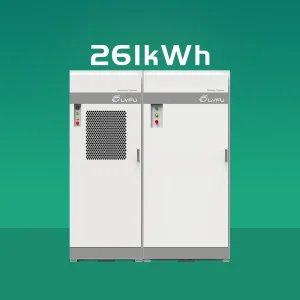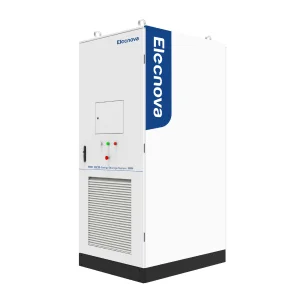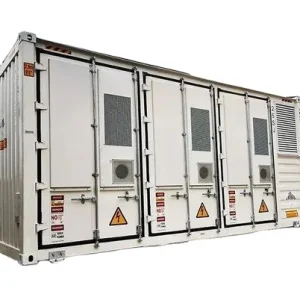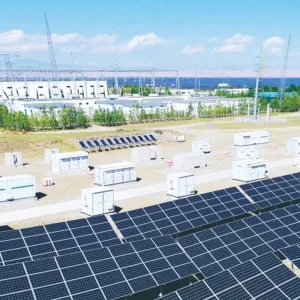
India is on the cusp of an unprecedented clean energy revolution, driven by the government's ambitious goal of achieving 500 GW of non-fossil fuel capacity by 2030. As intermittent solar and wind sources occupy an increasingly dominant share of the national grid, the demand for high-performance utility-scale Battery Energy Storage Systems (BESS) has surged exponentially. The Integration of variable renewable energy (VRE) threatens grid stability, requiring responsive, high-capacity reserves to manage peak loading, frequency deviations, and grid congestion.
State power distribution companies (DISCOMs) and central agencies like the Solar Energy Corporation of India (SECI) are prioritizing procurement of grid-connected energy storage. Rapid industrialization, the rise of the digital economy, and commercial expansion demand 24/7 round-the-clock (RTC) power quality. This makes high-voltage, high-capacity battery installations critical infrastructure, driving a transition from traditional thermal fallback assets to smart, decentralized electrochemical energy storage platforms.
“Grid-scale storage is no longer optional for the Indian subcontinental grid; it is the fundamental bridge that secures transmission stability, mitigates curtailment of solar resources, and drives the country's decarbonization pathway forward.”
At a global level, utility-scale storage systems must accommodate highly varied environmental, regulatory, and system-level challenges. In North America and Europe, grid integration strategies emphasize ancillary markets, real-time frequency regulation, and virtual power plants (VPPs). These grids demand highly mature communications protocols and complex bidding algorithms to capitalize on dynamic power prices.
In contrast, the Indian utility market faces severe climatic conditions, higher relative grid impedance, and rapid swings in local transmission voltages. Manufacturers must deliver systems capable of continuous operation in ambient temperatures exceeding 45°C to 50°C in regions such as Rajasthan, Gujarat, and parts of Central India. Systems must feature robust, IP65- or IP66-rated enclosures, optimized cooling infrastructure (air or liquid), and advanced thermal management to prevent thermal runaway and premature cell degradation. CCSC Energy combines international engineering expertise with customized components specifically designed to withstand the harsh realities of the Indian grid.
Seamlessly blending utility PV, wind turbines, and diesel generators to supply off-grid reliability in hilly, rural, and islanded parts of the subcontinent.
Smoothing extreme peak load curves experienced by regional DISCOMs, delaying the need for expensive infrastructure upgrades.
Equipped with sub-millisecond response times to handle voltage dips, sag compensation, and supply reactive power support directly to local substations.
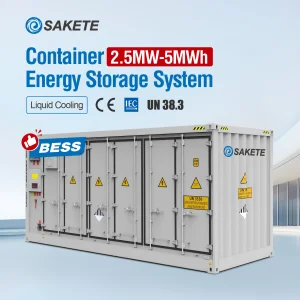
Modern utility-scale projects require systems optimized for high round-trip efficiency (RTE), minimal auxiliary consumption, and strict safety designs. As projects transition from 1C to 0.5C or 0.25C charge/discharge profiles, thermal management remains key to performance. CCSC Energy employs advanced liquid cold plate configurations, keeping temperature deltas between cells to under 3°C. This extends the calendar and cyclic lifespan of the cells up to 8000+ cycles.
Additionally, local installations must conform to stringent active and passive safety measures. High-capacity, prismatic Lithium Iron Phosphate (LFP) cells are integrated with multi-level Battery Management Systems (BMS). CCSC’s technology stack includes intelligent fire suppression systems with gas detection (CO, H2), aerosol mitigation, and automated water sprinkler systems compliant with NFPA 855 standards.
Entering the Indian utility landscape requires compliance with local regulatory frameworks. The **Bureau of Indian Standards (BIS)** and the **Central Electricity Authority (CEA)** dictate safety, reliability, and interconnectivity protocols. Any BESS deployed at grid-level must support specific reactive power compensation, active frequency response, low-voltage ride-through (LVRT), and high-voltage ride-through (HVRT) guidelines. CCSC Energy works closely with local engineering partners to guarantee that our utility-scale systems meet all requirements of the Indian Grid Code.
We provide localized engineering support, covering site surveys, sizing optimization, and integration with local Energy Management Systems (EMS) and SCADA platforms. From clearance assistance at ports to on-site commissioning and annual maintenance contracts (AMC), our team ensures your utility projects deliver maximum uptime and financial returns.
Hangzhou CCSC Energy Co., Ltd. is a professional Energy Storage System Manufacturer specializing in battery energy storage, renewable power integration, and smart energy solutions for residential, commercial, industrial, and utility-scale applications. Based in Hangzhou, China, the company focuses on developing advanced energy storage technologies that help customers improve energy efficiency, enhance power reliability, and support the transition toward sustainable energy systems.
With expertise in energy storage engineering and system integration, CCSC Energy provides comprehensive solutions covering battery energy storage systems (BESS), renewable energy storage integration, commercial and industrial energy storage, backup power systems, microgrid applications, distributed energy infrastructure, and intelligent energy management platforms. Its solutions are designed to support a wide range of applications, including solar energy utilization, peak demand management, grid stabilization, emergency power supply, and energy cost optimization.
The company is committed to delivering safe, efficient, and scalable energy storage solutions tailored to the needs of modern energy users. Its engineering team works closely with customers, project developers, EPC contractors, and energy service providers to design systems that align with specific operational requirements, performance objectives, and regulatory standards. From project planning and system design to manufacturing and technical support, CCSC Energy offers comprehensive services throughout the project lifecycle.
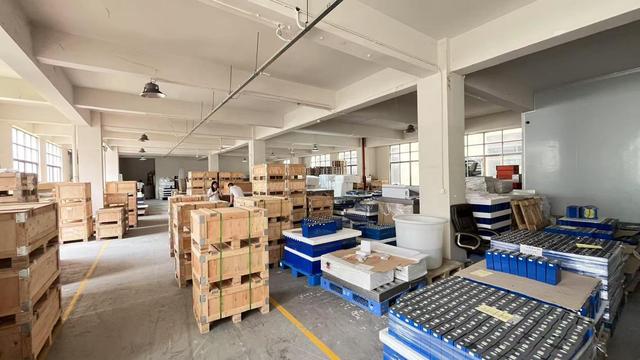
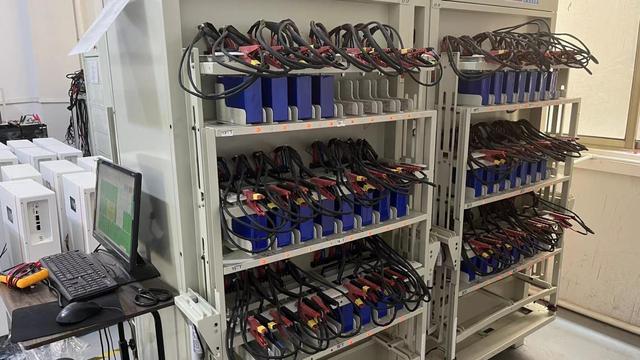
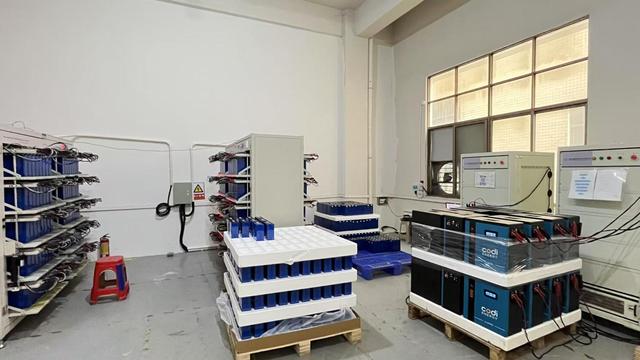
Equipped with advanced manufacturing facilities and stringent quality management processes, the company emphasizes product reliability, operational safety, and long-term performance. Continuous investment in research and development enables CCSC Energy to integrate intelligent monitoring technologies, advanced battery management systems, and smart energy control platforms into its solutions.
Serving customers across Asia, Europe, North America, South America, the Middle East, and other global markets, Hangzhou CCSC Energy Co., Ltd. is dedicated to providing innovative energy storage solutions that support renewable energy adoption, strengthen power resilience, and contribute to a more efficient and sustainable energy future.
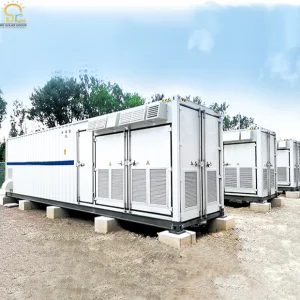
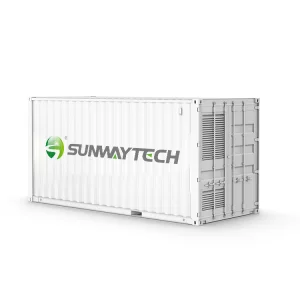
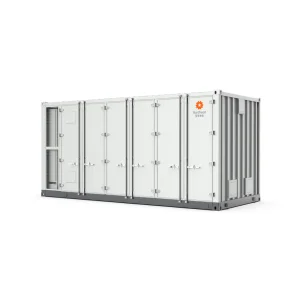
Utility-scale Battery Energy Storage Systems (BESS) installed in India must comply with technical specifications established by the Bureau of Indian Standards (BIS) and the Central Electricity Authority (CEA). The core guidelines involve BIS certification for lithium cells (IS 16046 / IEC 62133 series) and safety and design parameters for utility installations (IEC 62619 for industrial lithium batteries, IEC 62477 for safety requirements of power electronic converter systems). Connectivity standards issued by the CEA require specific active and reactive power support capabilities, low-voltage ride-through (LVRT), and high-voltage ride-through (HVRT) to maintain grid stability under abnormal conditions.
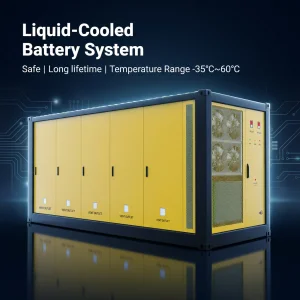
The Indian climate features summer ambient temperatures exceeding 45°C in regions like Rajasthan, Gujarat, and Maharashtra. Air-cooled systems often struggle with high temperature deltas (up to 8°C or 10°C) across the rack, leading to uneven cell degradation, reduced cycling lifetimes, and higher risks of thermal runaway. CCSC Energy's liquid-cooled systems feature direct liquid-cold plate cooling, maintaining temperature differences between cells within 3°C. This level of thermal control reduces auxiliary power consumption and protects the operational longevity of the battery system.
Our utility-scale solutions support both grid-following and grid-forming inverter topologies. Under grid-following modes, the BESS syncs with the existing grid voltage and frequency to deliver active and reactive power. In grid-forming (virtual synchronous generator) modes, the BESS establishes independent voltage and frequency parameters. This function is essential for restoring transmission grids, managing microgrids in remote regions (such as Ladakh or the Northeast), and stabilizing networks during weak-grid conditions.
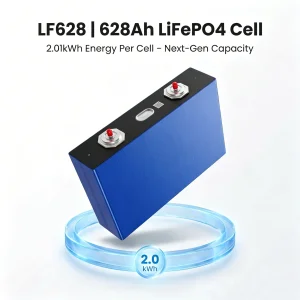
We configure our utility BESS containers using high-quality LFP chemistry (such as our 3.2V 628Ah prismatic cells). Under standard operating conditions (80% Depth of Discharge, 0.5C/0.5C charging/discharging profiles, and controlled temperature settings), our systems deliver more than 8,000 cycles before reaching 80% state of health. Calendar life is rated up to 15 years, backed by warranty options and localized maintenance support.
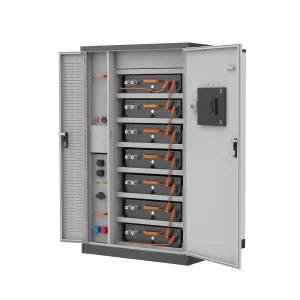
We work in close cooperation with leading Indian Engineering, Procurement, and Construction (EPC) firms, project developers, and system integrators. CCSC Energy supplies the complete, integrated BESS equipment (battery racks, liquid cooling systems, BMS, fire suppression, and EMS control links). Local partners manage civil works, grid substation interconnection, and physical installation. Our engineering support includes project design assistance, remote commissioning, and training for on-site operations teams.
Partner with a reliable manufacturer to design, build, and deploy high-performance, compliant utility energy storage systems. Speak with our applications engineering team today.
Send Inquiry Now CCSC Energy