Under France's ambitious Programmation Pluriannuelle de l'Énergie (PPE) and the European Green Deal, the French transmission system operator RTE (Réseau de Transport d'Électricité) is executing a structural shift from centralized nuclear-dominated baseloads to a dynamic, decentralized energy mix saturated with variable wind and solar inputs. Integrating volatile renewable capacities—particularly high-yield solar farms in southern regions like Occitanie and Provence-Alpes-Côte d'Azur, alongside offshore wind arrays along the Atlantic coastline—requires immediate grid-edge buffering.
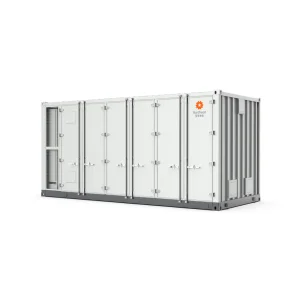
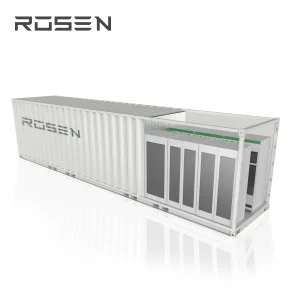
Utility-scale Battery Energy Storage Systems (BESS) represent the linchpin of this modern layout. They facilitate critical primary and secondary grid services including Frequency Containment Reserve (FCR) and automatic Frequency Restoration Reserve (aFRR). By capturing surplus generation and mitigating ramp-rate challenges during peak consumption periods, high-capacity lithium container systems resolve regional voltage drops, preventing structural grid congestion without resorting to carbon-intensive thermal peaker plants.
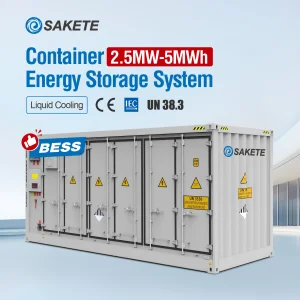
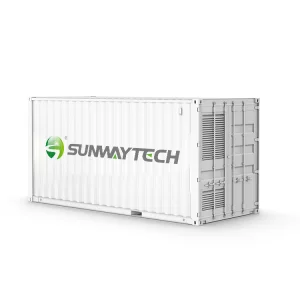
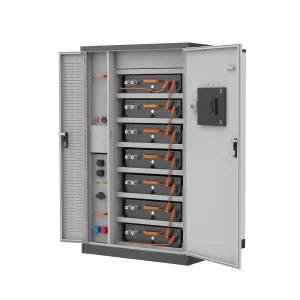
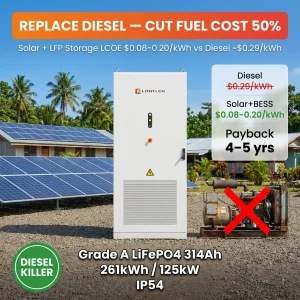
Modern high-capacity battery solutions are undergoing a critical architectural evolution. Key design principles prioritize maximizing Levelized Cost of Storage (LCOS) reduction, thermal control efficiency, and long-term cycle durability.
Supports RTE FCR and aFRR specifications with sub-second response times. Container systems stabilize grid frequency fluctuations under dynamic dispatch requirements.
Solves curtailment issues by storing excess generation during peak PV and wind production intervals, supplying clean power during grid load peaks.
Enables heavy manufacturing complexes to mitigate expensive peak-tariff charges by discharging power during grid demand peaks, reducing capacity reservation fees.
Exporting grid-scale energy storage systems to France requires compliance with rigorous European and national safety and connection standards. Systems connecting to low-voltage and medium-voltage distribution infrastructure must align strictly with EN 50549-1 and EN 50549-2, alongside guidelines managed by Enedis and RTE (such as the UTE C 15-712-1 reference criteria).
Safety compliance is managed at multiple system levels:
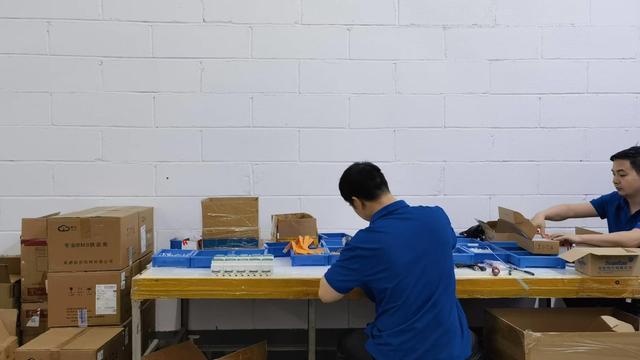
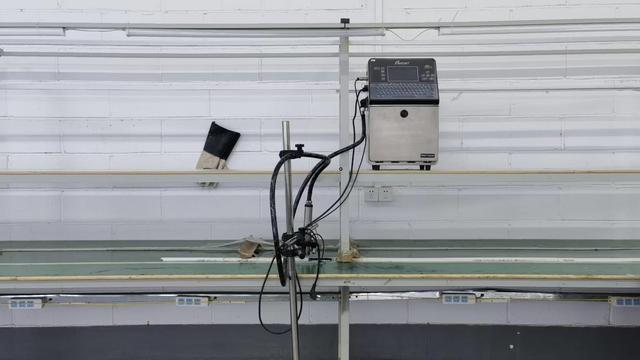
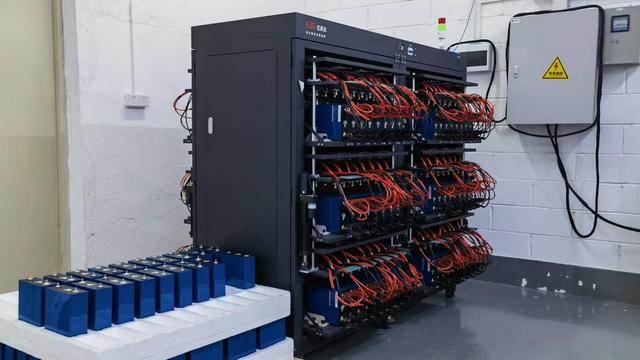
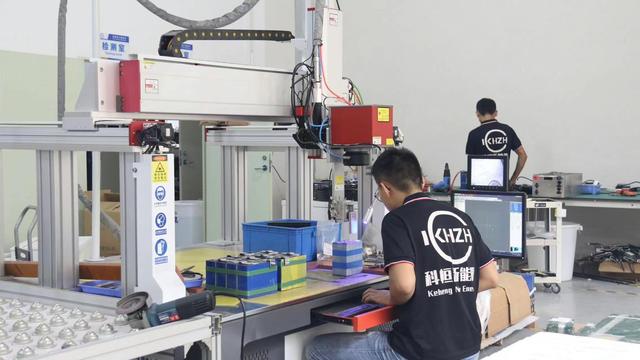
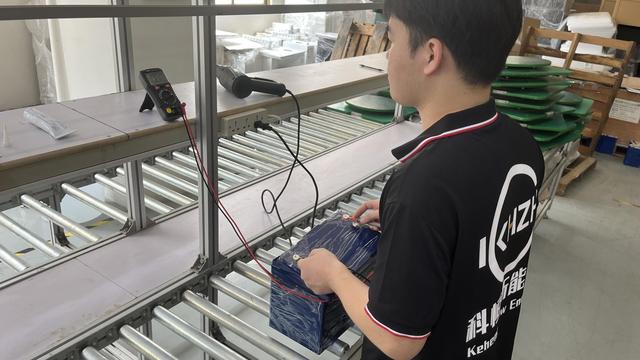
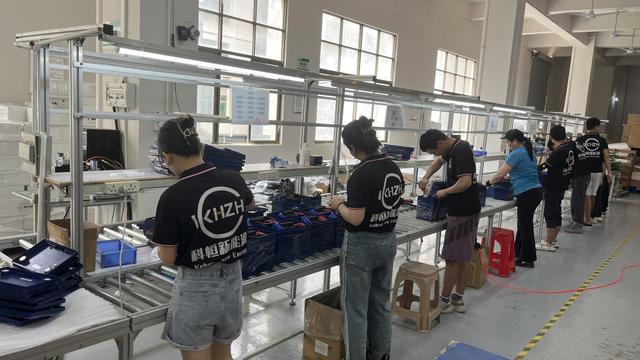
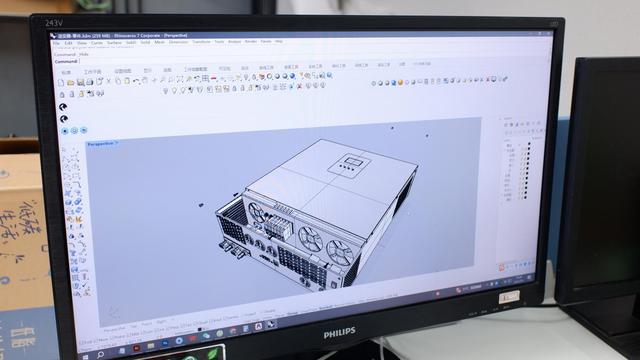
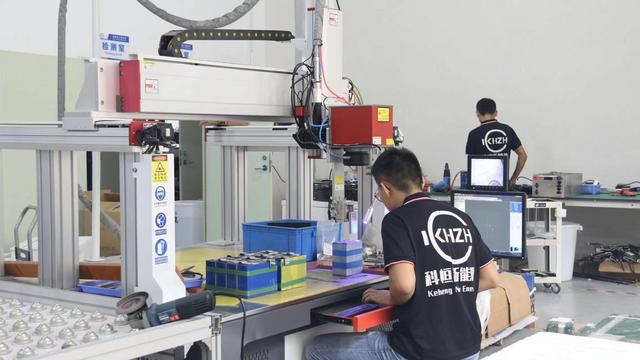
Hangzhou CCSC Energy Co., Ltd. operates advanced manufacturing facilities utilizing Industry 4.0 principles to deliver highly reliable BESS platforms. By integrating automated robotic module assembly lines, computerized laser welding, and automated cell grading systems, we maintain process precision and cell-to-cell consistency.
Operating within China's battery ecosystem allows us to source raw materials, Grade-A LFP prismatic cells, active balancing BMS boards, and liquid cooling systems under strict quality controls. Our end-to-end trace systems monitor manufacturing steps from single-cell voltage matching to full container load-testing under simulated grid loads. This allows us to provide optimized, cost-competitive storage platforms that support long-term bankability for international projects.
Evaluate beyond the initial capital expenditure (CAPEX). Analysis must include operational costs (OPEX), auxiliary power requirements for liquid cooling loops, and capacity degradation curves. Sourcing platforms with high-efficiency EMS controls helps minimize system downtime and maintains long-term energy throughput.
Secure debt financing by ensuring the integration of Tier-1 cells (e.g., CATL, REPT, EVE) alongside recognized Power Conversion Systems (PCS). Implementing components with established global service footprints simplifies safety audits and verification by project insurance entities.
Mitigate installation risks by selecting manufacturing partners capable of conducting comprehensive Factory Acceptance Testing (FAT). Standard testing should evaluate integrated high-voltage operations, communication protocols, dynamic fire safety feedback loops, and battery module balancing.
To connect to the French distribution and transmission networks managed by Enedis and RTE, BESS must align with EN 50549-1 (for low-voltage) and EN 50549-2 (for medium-voltage). These specifications define active and reactive power control behaviors, low-voltage ride-through (LVRT) capacities, and fast-frequency injection capabilities. Factories customize their system parameters at the factory stage to meet these requirements.
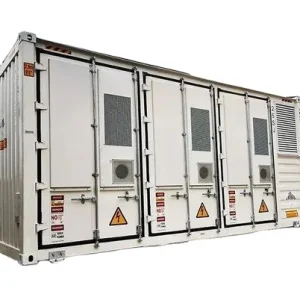
Our container layouts feature double-walled fire-resistant enclosures, dedicated compartment separation, gas detection sensors (CO, H2), and aerosol or clean-agent gaseous suppression systems (FK-5-1-12). Our designs align with NFPA 855 and are customized to meet local French fire protection requirements, including fire water retention systems.
A 1500V DC configuration increases the energy density of the container and lowers the cable cross-section requirements. This leads to a reduction in balance-of-system (BOS) installation costs and improves the efficiency of modern Power Conversion Systems (PCS) to reduce energy losses.
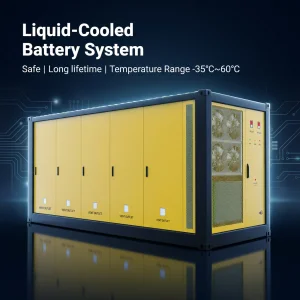
Liquid cooling systems maintain temperature variations within 3°C across cells, helping prevent accelerated cell degradation during summer temperature peaks in regions like Occitanie. This uniform cooling ensures consistent aging and helps preserve the system's operational warranty parameters.
Yes. Our high-voltage battery management systems and quick-response power management controls react to frequency anomalies in under 150ms. This response profile allows operators to bid directly into RTE's Frequency Containment Reserve (FCR) and automatic Frequency Restoration Reserve (aFRR) markets.
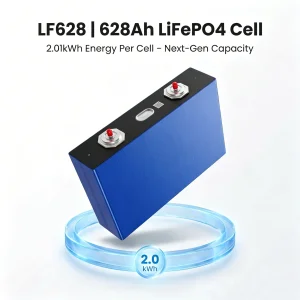
Our standard configurations feature cells rated for 6,000 to 8,000 cycles at 80% Depth of Discharge (DoD) under typical operation. We offer standard warranties of 5 to 10 years, with options for extended throughput guarantees based on defined usage and thermal profiles.
We work with European engineering partners to manage installation, pre-commissioning, and grid synchronization audits. Standard remote monitoring and OTA firmware updates are managed by our core support team.
Yes, our products align with EU Directive 2006/66/EC and upcoming European battery regulations. Our designs prioritize disassembly compatibility to simplify processing by authorized European recycling operators at the end of their operational lifecycle.
LFP is currently the industry benchmark for high energy density and cycle longevity. Sodium-ion is an emerging alternative that offers improved cost profiles, reduced reliance on cobalt and lithium supply chains, and reliable discharge performance in sub-zero winter temperatures.
Depending on custom engineering parameters, manufacturing typically spans 12 to 16 weeks. Marine shipping and port logistics into French ports like Le Havre or Marseille require approximately 4 to 6 weeks.
Hangzhou CCSC Energy Co., Ltd. is a professional Energy Storage System Manufacturer specializing in battery energy storage, renewable power integration, and smart energy solutions for residential, commercial, industrial, and utility-scale applications. Based in Hangzhou, China, the company focuses on developing advanced energy storage technologies that help customers improve energy efficiency, enhance power reliability, and support the transition toward sustainable energy systems.
With expertise in energy storage engineering and system integration, CCSC Energy provides comprehensive solutions covering battery energy storage systems (BESS), renewable energy storage integration, commercial and industrial energy storage, backup power systems, microgrid applications, distributed energy infrastructure, and intelligent energy management platforms. Its solutions are designed to support a wide range of applications, including solar energy utilization, peak demand management, grid stabilization, emergency power supply, and energy cost optimization.
The company is committed to delivering safe, efficient, and scalable energy storage solutions tailored to the needs of modern energy users. Its engineering team works closely with customers, project developers, EPC contractors, and energy service providers to design systems that align with specific operational requirements, performance objectives, and regulatory standards. From project planning and system design to manufacturing and technical support, CCSC Energy offers comprehensive services throughout the project lifecycle.
Equipped with advanced manufacturing facilities and stringent quality management processes, the company emphasizes product reliability, operational safety, and long-term performance. Continuous investment in research and development enables CCSC Energy to integrate intelligent monitoring technologies, advanced battery management systems, and smart energy control platforms into its solutions.
Serving customers across Asia, Europe, North America, South America, the Middle East, and other global markets, Hangzhou CCSC Energy Co., Ltd. is dedicated to providing innovative energy storage solutions that support renewable energy adoption, strengthen power resilience, and contribute to a more efficient and sustainable energy future.
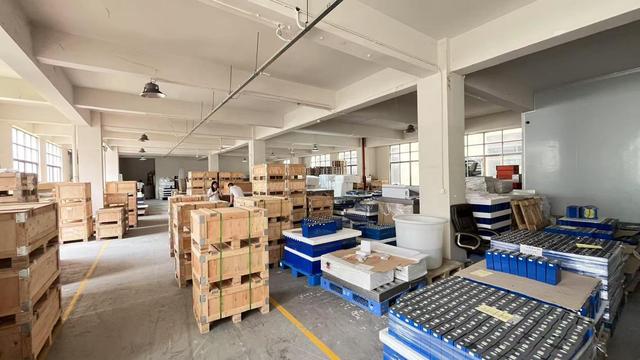
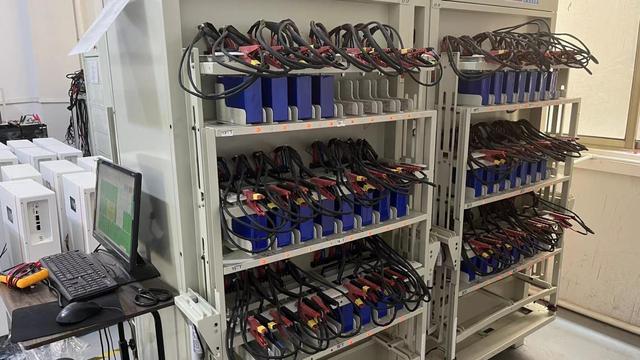
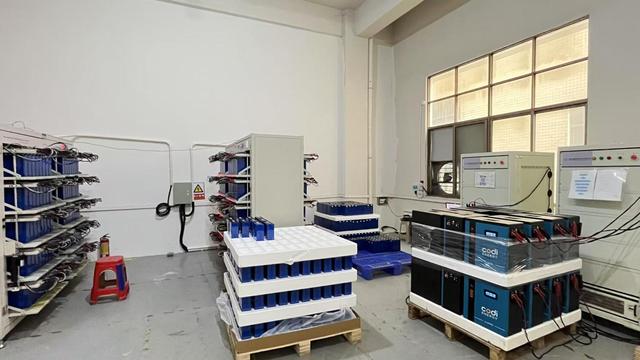
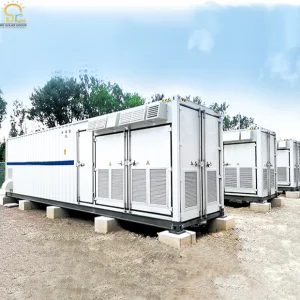
Collaborate with our engineering team to design, configure, and install optimized liquid-cooled containerized BESS arrays that meet RTE compliance.
Send Inquiry Now CCSC Energy