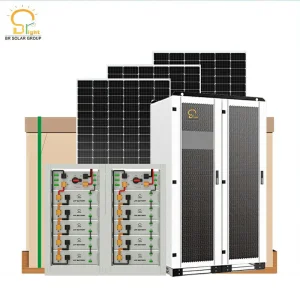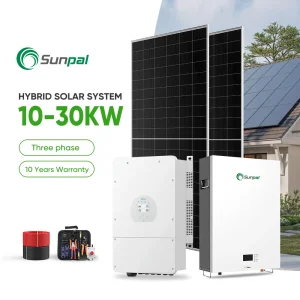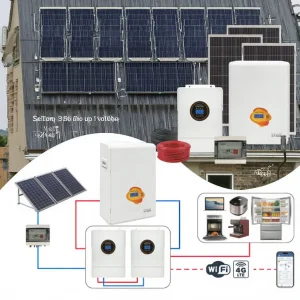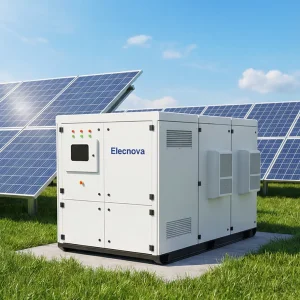
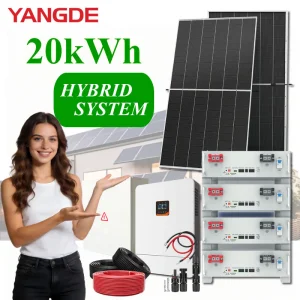
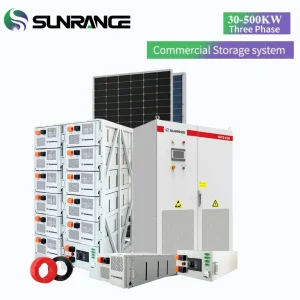
The United States grid infrastructure is undergoing an unprecedented paradigm shift. Driven by aging distribution networks, frequent extreme weather events, and aggressive state-level decarbonization mandates (such as California’s SB 100 and New York’s Climate Leadership and Community Protection Act), traditional grid operational models are no longer sufficient. Commercial, industrial (C&I), and utility-scale energy consumers are increasingly turning to Hybrid Energy Storage Systems (HESS) to secure power resiliency, manage demand charges, and integrate distributed renewable generation.
In dynamic energy markets managed by Independent System Operators and Regional Transmission Organizations such as CAISO (California), ERCOT (Texas), and PJM (Mid-Atlantic), grid volatility has become the norm. The rapid penetration of utility-scale solar and wind introduces high-frequency resource intermittency. A Hybrid Energy Storage System solves these structural limitations by pairing distinct storage mediums—such as high-energy-density Lithium-Ion Battery Energy Storage Systems (BESS) with fast-acting power conversion components and backup hybrid inverters—to respond instantaneously to frequency deviations while providing sustained output over hours.
Under the Inflation Reduction Act (IRA) of 2022, standalone energy storage installations of 5 kWh or larger qualify for a base 30% Investment Tax Credit (ITC), which can scale up to 40% or 50% through domestic content bonuses and placement in energy communities. This regulatory tailwind, combined with high peak-demand pricing structures (such as California's Net Energy Metering NEM 3.0 and high Coincident Peak charges in ERCOT), establishes a highly favorable return on investment for optimized commercial and industrial HESS configurations.
The core of a Hybrid Energy Storage System is its ability to interface multiple power sources (PV, wind, diesel generators, grid) and multiple storage media (lithium iron phosphate batteries, flywheels, or supercapacitors) through unified controls. Modern systems typically employ either AC-coupled or DC-coupled topologies:
Highly efficient for solar-plus-storage applications. The photovoltaic panels and the battery stack connect directly to a shared DC bus via DC-DC converters, eliminating unnecessary AC-DC conversion stages. This configuration achieves round-trip efficiencies (RTE) exceeding 96% for solar charging cycles.
Optimal for retrofitting existing utility-scale or C&I photovoltaic installations. The solar inverter and the battery bi-directional inverter interface on the common AC bus. This provides superior system modularity, allowing independent scaling of the power conversion system (PCS) and energy capacity.
By leveraging state-of-the-art Lithium Iron Phosphate (LiFePO4) cell chemistry, systems achieve structural safety and high thermal stability. The implementation of advanced three-level Power Conversion Systems (PCS) allows for rapid reactive power compensation, active harmonic filtering, and seamless transition from grid-tied to islanded (microgrid) operations within 100 milliseconds.
Hangzhou CCSC Energy Co., Ltd. is a leading professional Energy Storage System Manufacturer specializing in battery energy storage, renewable power integration, and smart energy solutions for residential, commercial, industrial, and utility-scale applications. Based in the global manufacturing hub of Hangzhou, China, the company develops high-performance energy storage technologies that empower global enterprises to optimize energy efficiency, reinforce grid reliability, and smoothly transition to sustainable net-zero systems.
With dedicated engineering centers and integrated supply chain controls, CCSC Energy delivers comprehensive, turnkey solutions. These systems span containerized Battery Energy Storage Systems (BESS), utility integration components, localized microgrid infrastructures, emergency backup setups, and intelligent Energy Management Systems (EMS). By maintaining full vertical integration from cell selection and thermal simulation to structural manufacturing and factory acceptance testing (FAT), CCSC Energy ensures every configuration meets the rigorous demands of safety-conscious markets.
For the United States market, CCSC Energy combines its cost-effective manufacturing capability with localized compliance engineering. By working closely with US-based developers, EPC (Engineering, Procurement, and Construction) firms, and municipal utilities, the company delivers pre-configured modular units that dramatically reduce on-site installation timelines and commissioning complexities. Continuous investment in research and development enables CCSC Energy to integrate intelligent monitoring platforms, cloud-based battery management algorithms, and active safety systems into its solutions, serving customers across North America, Europe, South America, and Asia.
Deploying high-voltage energy storage systems in the United States requires strict adherence to localized safety codes and national testing standards. Compliance is not optional; it is the prerequisite for utility interconnection agreements, local permitting approvals, and insurance coverage. CCSC Energy designs and manufactures its hybrid energy storage platforms in strict accordance with these guidelines:
Verifies the system-level safety of the combined BESS (including inverter, thermal controls, and battery) and safety performance of the individual battery modules under electrical, mechanical, and environmental stress.
The standard for evaluating thermal runaway fire propagation in battery energy storage systems. Successful test results at the unit level help project developers obtain local fire marshal approvals and minimize spatial spacing requirements under NFPA 855.
Governs the installation, spacing, and fire protection requirements of stationary energy storage systems to prevent thermal runaway hazard escalation in building-integrated or outdoor containerized environments.
Additionally, all utility-interactive hybrid inverters in our systems are certified under IEEE 1547 and UL 1741 SA/SB, ensuring advanced grid-support functionalities such as low/voltage ride-through (L/HVRT), frequency-droop controls, and dynamic reactive power regulation.
The versatile configuration of our hybrid energy storage solutions allows them to be customized for specific high-value use cases across the US economic landscape:
The hybrid storage market is transitioning from simple air-cooled lithium battery cabinets to next-generation liquid-cooled systems with high levels of software integration. The technical development of modern HESS centers around three main trends:
First, Liquid Cooling Technology is replacing traditional HVAC forced-air cooling. Liquid cooling maintains cell-to-cell temperature differentials within 2°C, compared to 5°C or higher for air-cooled designs. This thermal uniformity reduces system degradation, prevents hotspot generation, and extends the overall operational life of the battery rack by up to 20%.
Second, the integration of AI-driven Energy Management Systems (EMS). Modern EMS platforms don't simply react to current conditions; they ingest localized weather forecasts, historical load curves, and real-time electricity tariff pricing to optimize charging and discharging schedules dynamically. This predictive dispatch model maximizes savings and ensures battery reserves are maintained for peak hours.
Third, the rise of Virtual Power Plants (VPPs). Distributed residential and C&I hybrid storage installations are being aggregated into single virtual resources. By participating in utility programs, aggregate HESS networks provide grid-stabilizing capacity when called upon, transforming a local capital expense into a productive, yielding financial asset.
Q1: What are the main differences between residential and commercial hybrid storage configurations?
A1: Residential systems typically operate on split-phase 120V/240V configurations with capacities ranging from 5kW to 20kW, prioritizing emergency backup and solar self-consumption. Commercial/Industrial systems operate on three-phase 208V, 480V, or 600V distribution levels, with capacities extending from 50kW up to multiple megawatts. These C&I systems prioritize peak demand shaving, power factor correction, and grid-support services.
Q2: How do your containerized BESS designs handle fire suppression in the US?
A2: Our containerized hybrid energy storage systems are fully compliant with NFPA 855 safety guidelines. They feature localized temperature, gas, and smoke detection sensors, coupled with clean-agent gaseous fire suppression systems (such as Novec 1230 or FM-200) and multi-stage deflagration venting panels to mitigate cell-level thermal runaway propagation hazards.
Q3: Can these hybrid systems operate completely off-grid long term?
A3: Yes, our systems are designed with black-start capabilities. The integrated hybrid inverter acts as a voltage source, establishing an independent local microgrid. When paired with photovoltaic arrays and backup generators, the smart EMS coordinates diesel consumption and solar harvesting, allowing continuous off-grid operation for remote commercial or community facilities.
Q4: What is the expected service life and degradation rate of your lithium iron phosphate modules?
A4: Our tier-1 LiFePO4 battery modules are designed to deliver over 6,000 complete cycles at 80% Depth of Discharge (DoD) before reaching end-of-life (defined as 70% state of health). In typical C&I applications, this translates to a service lifespan of 15 to 20 years, managed continuously by our active balancing BMS.
Q5: How does a customer apply for the 30% Standalone Storage ITC under the IRA?
A5: To qualify for the Section 48 Investment Tax Credit (ITC), the energy storage system must have a capacity of 5 kWh or larger. During tax filing, the project owner files IRS Form 3468. We provide complete technical documentation, capacity certifications, and bill of materials to support your tax compliance filings.
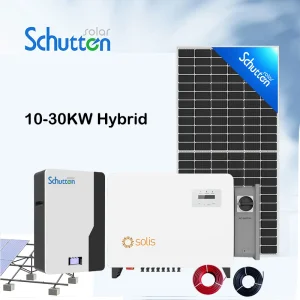
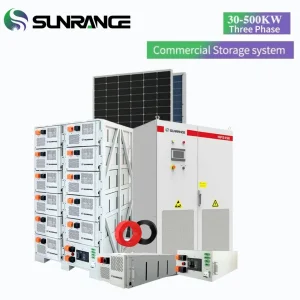
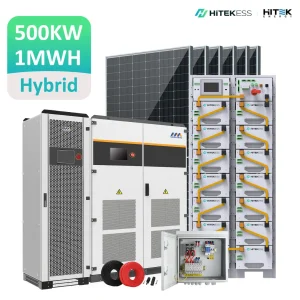
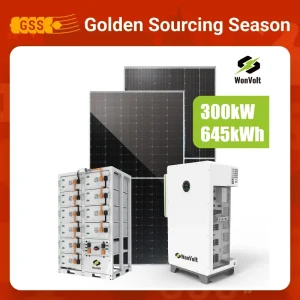
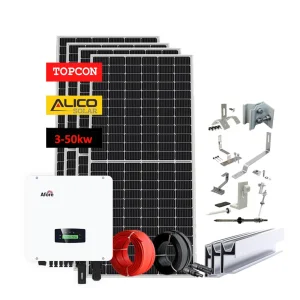
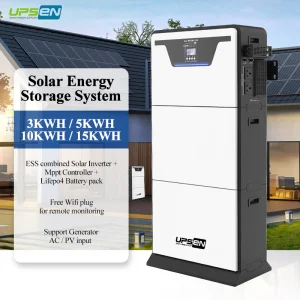
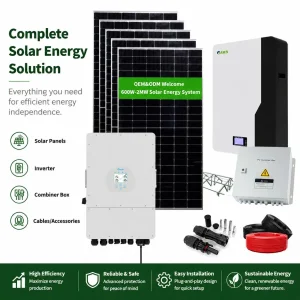
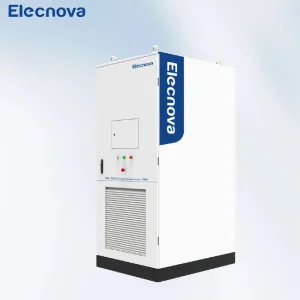
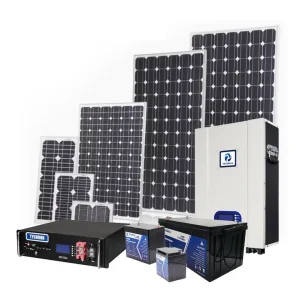
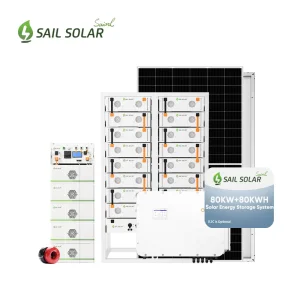
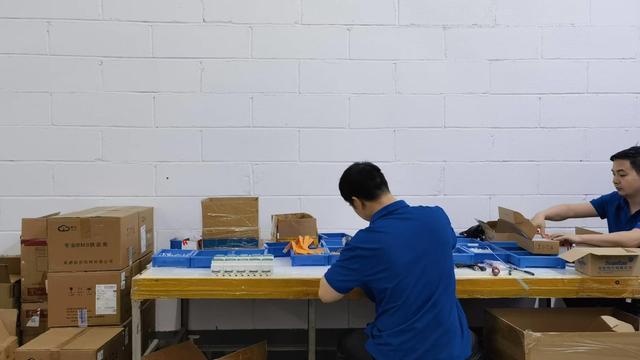
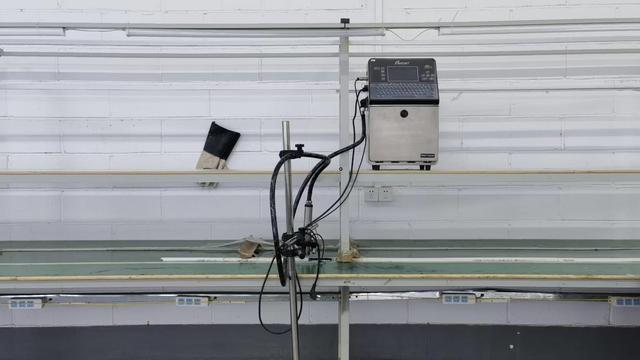
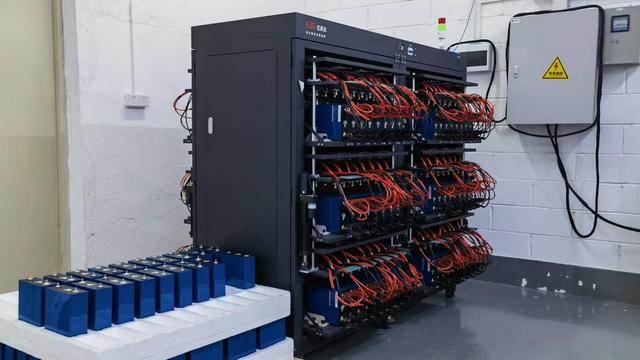
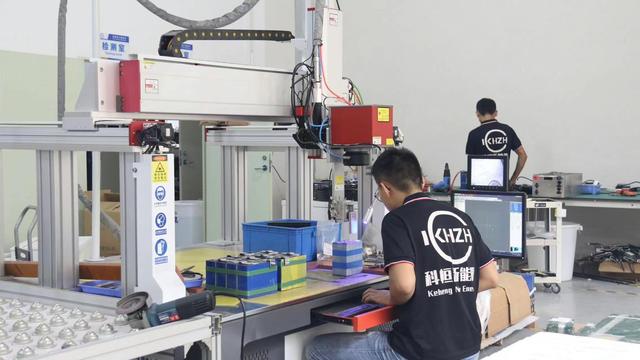
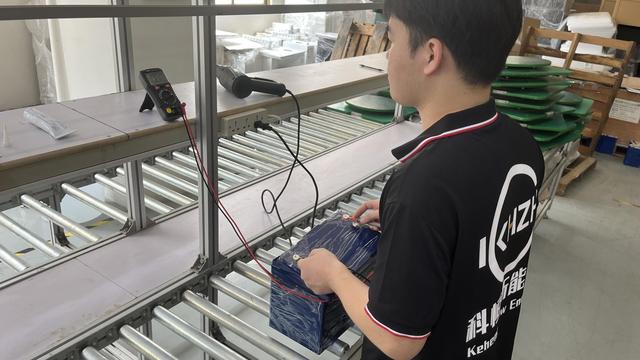
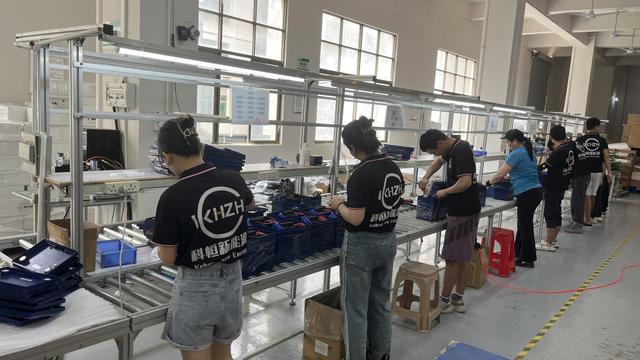
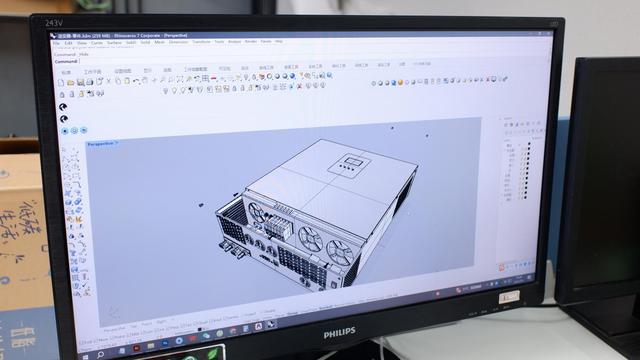
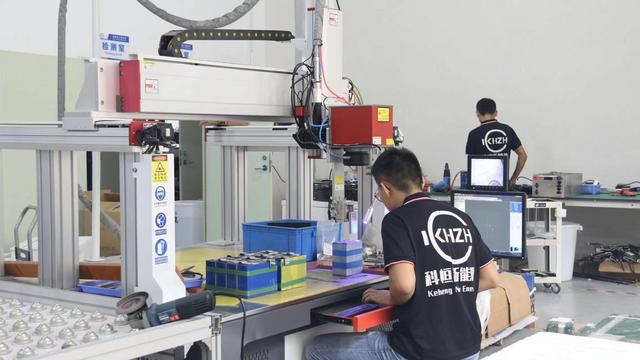
Explore our advanced battery integration facility, custom thermal chamber validation processes, and worldwide grid infrastructure demonstration projects serving commercial, utility-scale, and regional distributed networks.
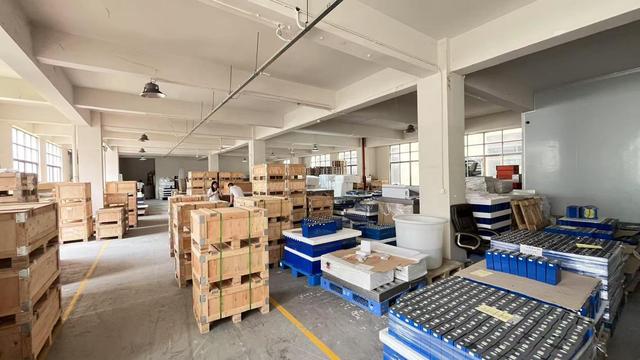
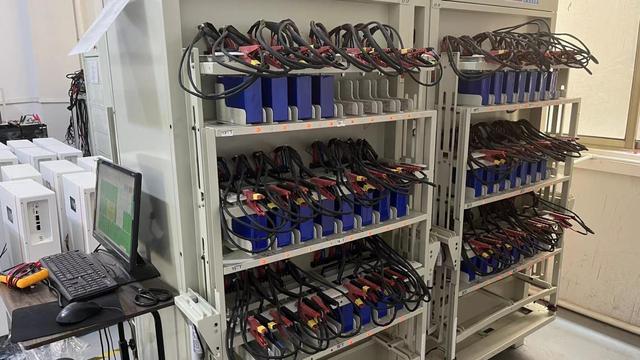
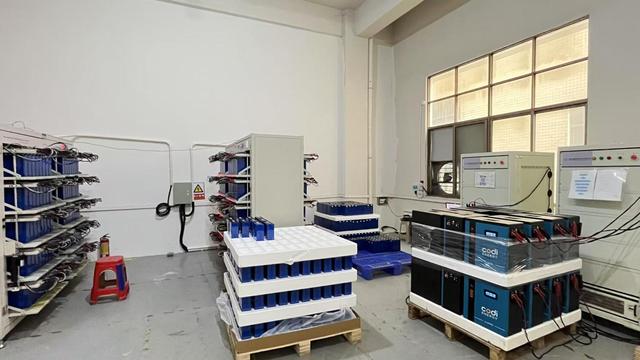
Partner with Hangzhou CCSC Energy Co., Ltd. for fully certified, high-performance hybrid storage options tailored for United States municipal, commercial, and utility grid applications.
Send Inquiry Now CCSC Energy