High-efficiency energy storage integration featuring intelligent cooling, safety engineering, and reliable microgrid synchronization.
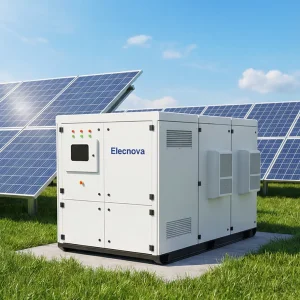
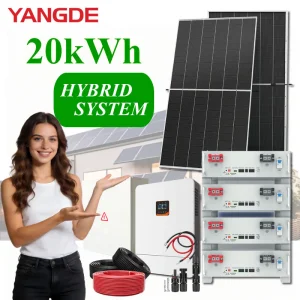
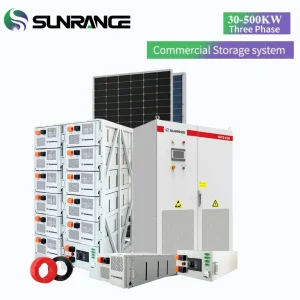
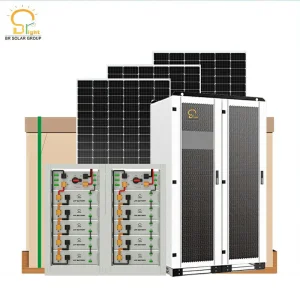
Kuwait is embarking on a pivotal energy transition under its Kuwait Vision 2035 plan, targeting 15% of its electricity supply from renewable sources. Historically reliant on fossil-fuel combustion for both domestic and commercial electricity generation, the State of Kuwait faces significant challenges associated with peaking demand patterns. During the harsh summer season, temperatures routinely exceed 50°C, triggering massive air conditioning usage. This places extreme strain on the Ministry of Electricity and Water (MEW) grid infrastructure, driving substantial transmission and distribution efficiency drops.
Hybrid Energy Storage Systems (HESS) serve as a cornerstone technology to address these challenges. By combining high-density Lithium-ion energy storage systems (BESS) with solar photovoltaic (PV) generation and auxiliary generators, HESS acts as an active grid-balancing mechanism. This architecture smooths solar volatility, achieves demand peak-shaving, provides frequency response regulation, and acts as a high-security emergency power system (EPS) for critical infrastructure across Kuwait City, Shuwaikh, and Shuaiba Industrial areas.
The performance of electrochemical energy storage is heavily dependent on ambient conditions. Traditional Lithium-ion formulations like Nickel-Manganese-Cobalt (NMC) exhibit increased risk profiles when operated in high thermal environments. Standard operating ranges for LFP chemistries range from -20°C to +60°C. More importantly, LiFePO4 cells present a thermal runaway limit threshold at roughly 270°C, significantly outperforming NMC chemistries which run a risk of self-heating ignition starting around 210°C.
Furthermore, LFP cells deliver excellent cycle-life performance. At 100% Depth of Discharge (DoD) under moderate climate controls, high-grade LFP cells can sustain more than 6,000 continuous cycles before capacity degrades to 80% State of Health (SoH). This lifecycle performance is vital for commercial developers in Kuwait who calculate Levelized Cost of Storage (LCOS) margins across a typical 10-to-15-year operational asset window.
Developing energy infrastructure in the GCC region demands a precise understanding of the physical and operational environments. Standard, off-the-shelf energy storage solutions manufactured for temperate climates fail prematurely in Kuwait. Here, we analyze the four primary scenarios where CCSC Energy's specialized BESS installations add substantial value:
Remote extraction wells operated by the Kuwait Oil Company (KOC) rely heavily on diesel gensets. Integrating a containerized hybrid BESS with solar reduces diesel usage by up to 45%, minimizing logistics costs and optimizing the engine's loading curve.
High-end malls and retail complexes face steep peak tariffs. Our commercial-scale storage units buffer low-cost power off-peak, releasing it during high-load periods to shave peak charges and keep localized cooling operational during grid dips.
For research labs, border stations, and farming facilities across the Jahra Governative region, we deliver self-contained, microgrid-ready systems that manage multiple inputs including solar PV, wind, grid, and diesel generators.
Engineered for extreme reliability, localized distribution, and peak industrial loads in Kuwait.
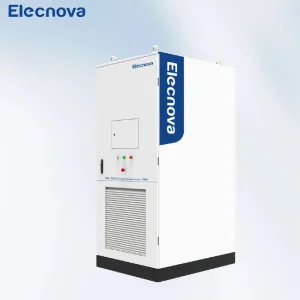
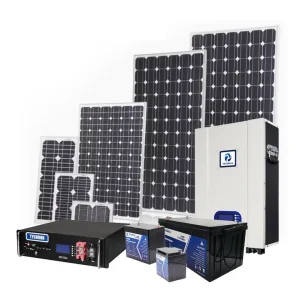
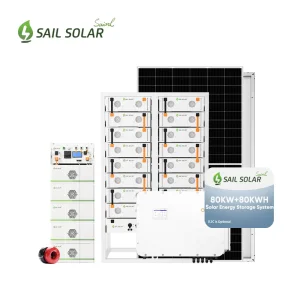
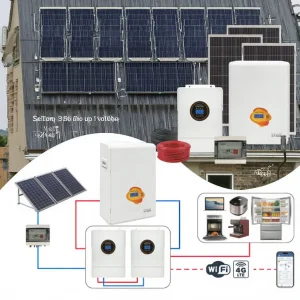
Deploying storage systems in environments experiencing high ambient temperatures, dust infiltration, and seasonal humidity requires robust hardware and intelligent software integration. CCSC Energy applies a multi-layered engineering approach to ensure long-term stability and optimal safety margins for all installations in Kuwait.
Air cooling systems fail to maintain uniform internal temperature distributions when ambient temperatures exceed 40°C. Thermal imbalances inside battery packs lead to localized degradation and accelerated aging of cells. CCSC Energy designs utility-scale containers (including our 40FT BESS) with active liquid cooling architectures. Utilizing a glycol-water mixture circulated through integrated micro-channel cooling plates, we maintain the temperature difference between any two cells in the rack below 3°C, extending battery lifetime by up to 25% compared to air-cooled containers.
Desert sandstorms carry fine silica dust that can bypass standard electrical enclosures, coating power electronics and causing localized short circuits. Our custom container enclosures are built with IP65-grade protection, featuring multi-stage labyrinth air intakes, mechanical dust traps, and dual-rubber compression gaskets. Air filtration paths are continuously monitored with differential pressure sensors, alerting operators through the EMS when maintenance or cleaning is required.
In accordance with NFPA 855 guidelines, safety is integrated at every level of our manufacturing process:
Global demand for commercial and industrial (C&I) energy storage is rising, driven by shifting grid dynamics and corporate net-zero commitments. As energy systems modernize, companies are adopting local battery assets to hedge against tariff fluctuations and ensure power quality. This makes robust manufacturer supply chains essential to avoid project delays.
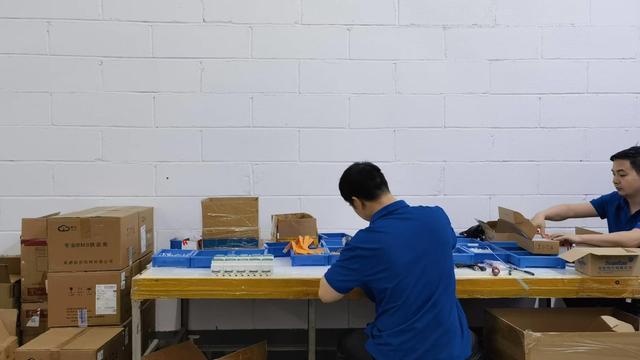
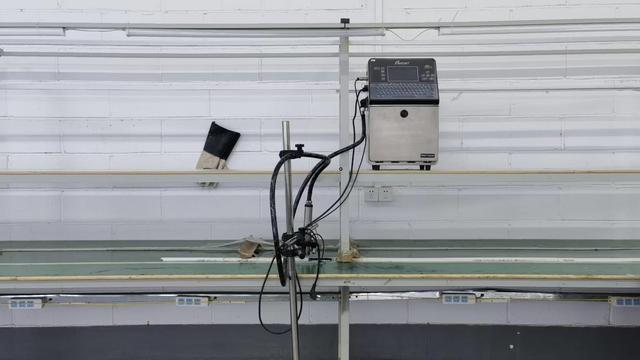
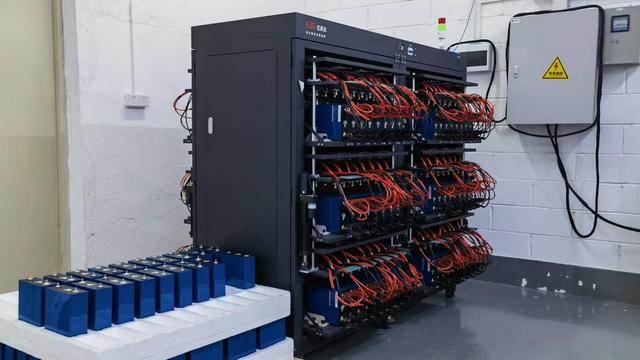
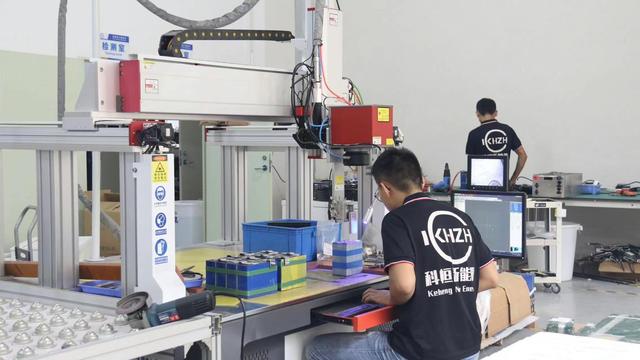
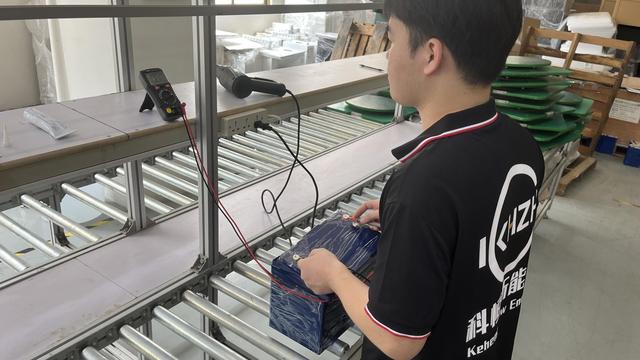
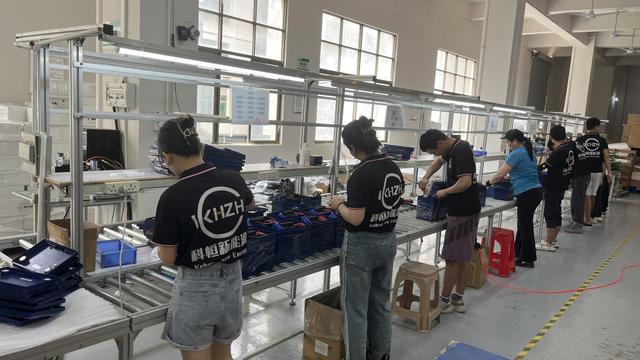
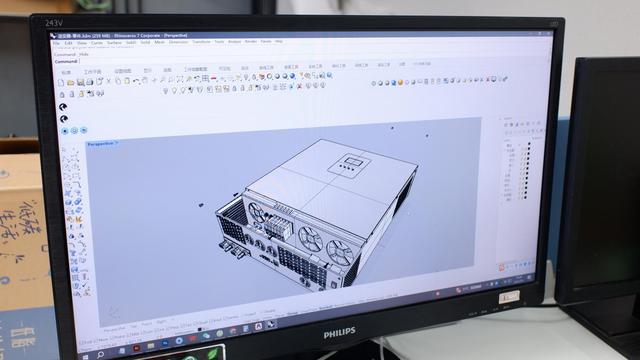
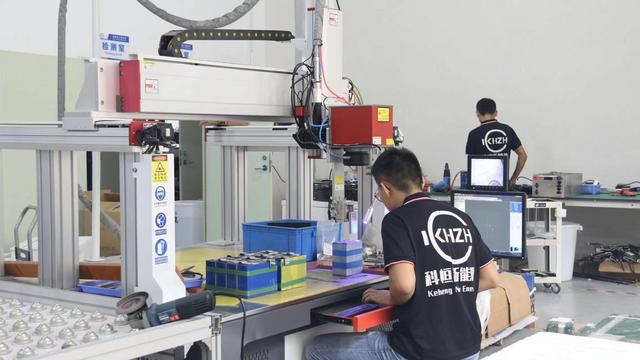
Based in Hangzhou, China, Hangzhou CCSC Energy Co., Ltd. utilizes the region’s advanced industrial base and clean energy supply chains. By sourcing high-quality raw materials, integrating state-of-the-art battery management system (BMS) logic, and utilizing advanced robotic assembly lines, we deliver reliable systems with excellent performance profiles. Our vertical integration enables rigorous quality control across every stage of development, from individual cell validation and thermal testing to final factory acceptance trials (FAT).
Below is a view of our manufacturing facilities, assembly sectors, and research divisions in China, showcasing the quality controls that support our global installations:
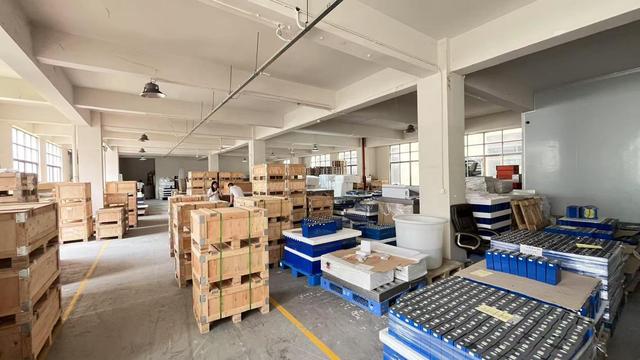
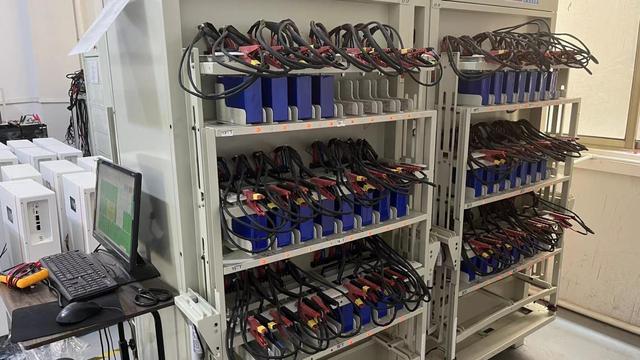
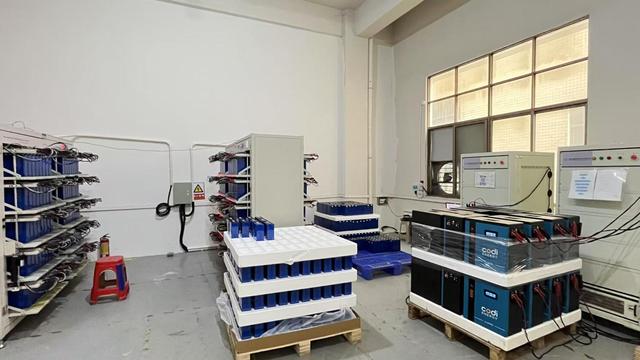
Successfully connecting utility-scale battery systems to Kuwait's high-voltage networks requires strict compliance with domestic engineering standards. CCSC Energy works closely with local engineering, procurement, and construction (EPC) partners to align with MEW regulations. We provide support for grid compliance studies, dynamic modeling, and local safety filings.
Our hybrid systems feature high-performance power conversion systems (PCS) that support key grid capabilities, including low-voltage ride-through (LVRT), rapid reactive power injection, and primary frequency control. These features help stabilize network voltage and maintain system balance during unexpected outages or sudden shifts in load demand.
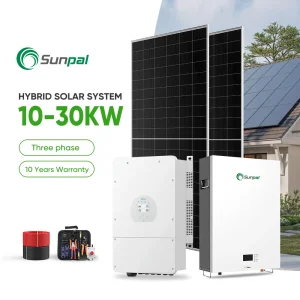
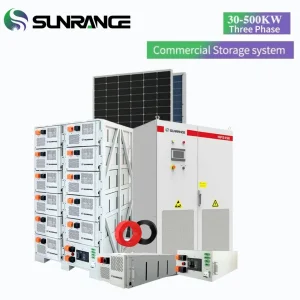
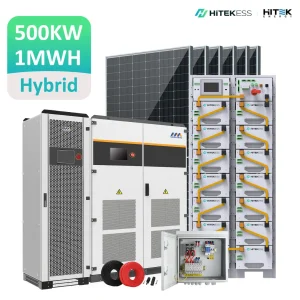
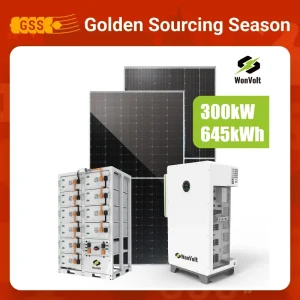
Scalable, safe, and easily integrated hybrid storage options for diverse deployment scenarios.
Expert technical insights regarding hybrid energy storage system design and operation in Kuwait.
Our containerized hybrid storage systems utilize active liquid thermal management. By using circulating glycol chillers, we maintain internal cell operating temperatures within the target range of 20°C to 30°C. This prevents thermal degradation and mitigates safety risks associated with extreme exterior desert heat.
Yes. Our systems are equipped with active grid-forming inverters capable of black-starting remote microgrids. They synchronize solar PV arrays, wind inputs, and legacy diesel generators, ensuring stable voltage and frequency regulation without relying on the public grid network.
Our systems are constructed in custom IP65 enclosures featuring double-sealed access doors and sand-trap ventilation louvers. These vents capture airborne particulates before they reach the interior. Differential pressure sensors also monitor filters and alert maintenance crews when cleaning is needed.
All products undergo rigorous testing and carry certifications including IEC 62619, IEC 62477, UN 38.3, and CE. For large-scale projects, our containerized platforms are designed in accordance with UL 9540A and NFPA 855 fire protection standards.
The Energy Management System (EMS) monitors load demand and solar generation curves. It adjusts the charge rates of the LFP battery and controls the diesel generators to run within their optimal fuel-efficiency window (typically 70%-80% loading). This minimizes diesel fuel consumption and reduces engine wear.
Deploy advanced, desert-tested hybrid energy storage configurations designed for the Middle East. Contact our technical engineering team in China today for customized proposals, system dimensioning, and commissioning support.
Send Inquiry Now CCSC Energy