Engineered for high-temperature durability, peak demand shaving, and commercial solar integration in the Brazilian industrial zones.
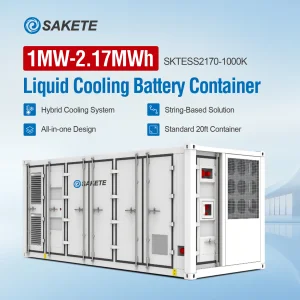
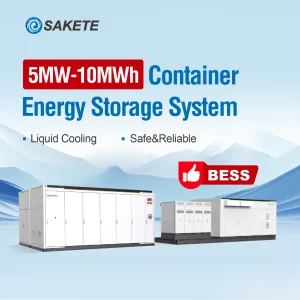
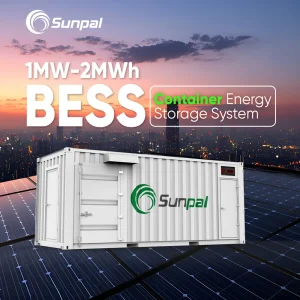
The Brazilian energy matrix is undergoing a monumental transition. Historically reliant on massive hydroelectric facilities, Brazil is shifting towards decentralized solar (Geração Distribuída) and wind farms. As a result, the national grid (SIN - Sistema Interligado Nacional) faces serious challenges with voltage fluctuations and transmission congestion. To manage this intermittency, Containerized Battery Energy Storage Systems (BESS) are quickly becoming the bedrock of Brazil’s modern utility infrastructure and commercial-industrial (C&I) sectors.
With the implementation of new regulatory frameworks by ANEEL (Agência Nacional de Energia Elétrica), industrial consumers—particularly those categorized as Group A (high-voltage)—are actively deploying containerized energy storage systems. BESS allows these enterprises to engage in peak shaving (arbitragem tarifária) by storing energy when tariffs are low and discharging it during expensive peak hours (Horário de Ponta). This minimizes peak demand charges (demanda contratada) and yields substantial operational savings.
Globally, the utility-scale energy storage market has decisively standardized on Lithium Iron Phosphate (LiFePO4) cell chemistry. Highly valued for its exceptional thermal stability, long cycle life (often exceeding 6,000 to 8,000 cycles at 80% DoD), and safety under extreme conditions, LiFePO4 has outpaced alternative chemistries. In tropical climates like Brazil's, where temperatures regularly exceed 35°C, thermal management is key. Large scale manufacturers are integrating advanced liquid cooling circuits directly into 20ft and 40ft container systems. This maintains cell temperature differentials below 3°C, extending battery life and mitigating the risk of thermal runaway.
China is the global leader in the lithium-ion supply chain, accounting for over 75% of global cell manufacturing capacity. For Brazilian developers, procurement from top-tier Chinese manufacturers like Hangzhou CCSC Energy Co., Ltd. offers unmatched advantages:
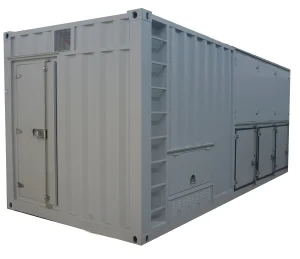
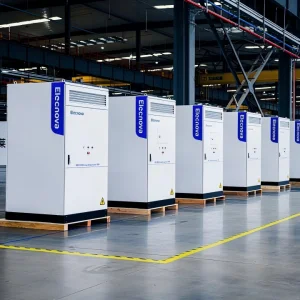
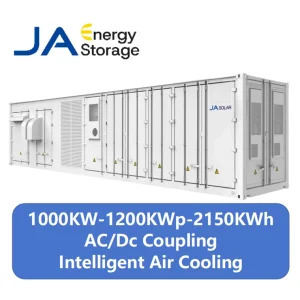
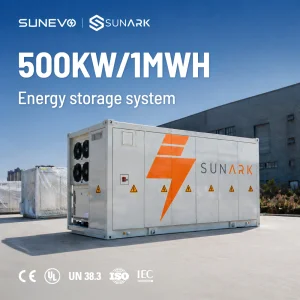
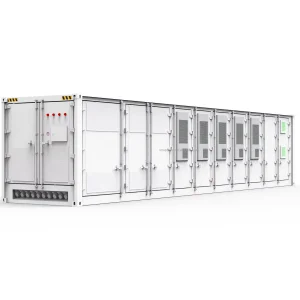
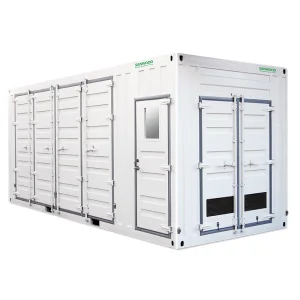
Custom container configurations designed to meet specific capacity, discharge duration, and footprint requirements.
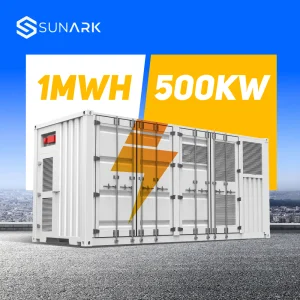
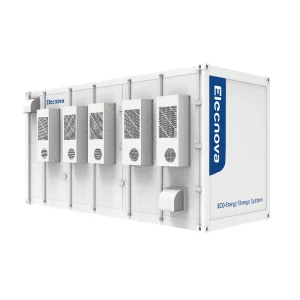
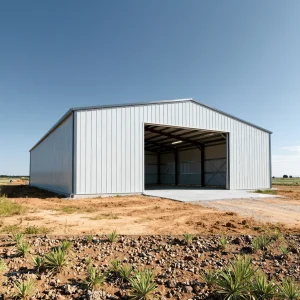
Custom-engineered configurations solving distinct grid stability, remote access, and peak demand challenges.
Peak electricity charges in Brazil's industrial south are high. CCSC's containerized BESS stores energy during off-peak hours and discharges it during peak periods (17:00 to 20:00). This helps factories manage peak demand, lower contract demand charges, and achieve a fast ROI.
Massive solar installations in states like Bahia and Piauí generate intermittent power. Our utility-grade liquid-cooled containers offer primary frequency response and power ramp-rate control, ensuring seamless grid integration and preventing grid connection bottlenecks.
For large grain storage facilities and agribusiness hubs in remote regions, grid outages can lead to crop spoilage. Our containerized systems operate off-grid (forming microgrids) to keep critical operations running during blackouts.
A technical breakdown of Hangzhou CCSC Energy's system components, built for performance and durability.
Our containerized BESS relies on high-energy-density 314Ah Lithium Iron Phosphate (LiFePO4) cells. Using larger capacity cells reduces the number of electrical connections in the pack, minimizing potential fail points. This cell architecture delivers over 8,000 cycles at 80% Depth of Discharge, maintaining capacity retention throughout the system’s lifespan.
In parts of Brazil like Rio de Janeiro and Goiania, high ambient temperatures can accelerate battery degradation. Air cooling is often insufficient for high-C-rate C&I or utility usage. Our liquid-cooled containers use a closed-loop glycol-water chiller to cool each module evenly, keeping cell temperature variations within 3°C to prevent thermal degradation.
Our battery management system operates at the module level (BMU), rack level (CBMS), and container level (GBMS). It monitors voltage, temperature, internal resistance, and state-of-charge (SoC). The system integrates with external SCADA systems via Modbus/TCP or DNP3, enabling remote tracking for operators in Brazil.
Safety is a primary design consideration. Each container is built with multi-point gas and smoke detectors, clean-agent fire suppression (FK-5-1-12 / Novec 1230), and dry-pipe water sprinkler connections. This layout satisfies local fire department requirements and conforms to NFPA 855 regulations.
Take a virtual look inside our factory. Every container is manufactured, integrated, and fully tested before dispatch to Brazilian ports.
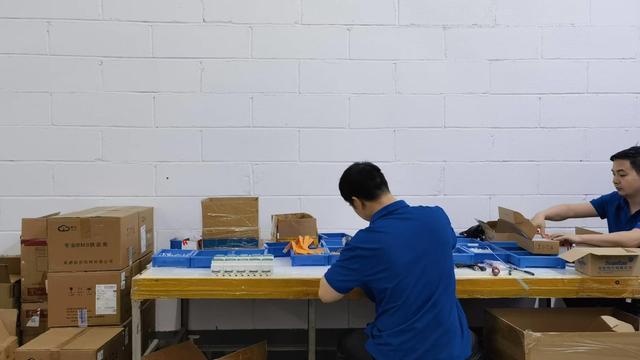
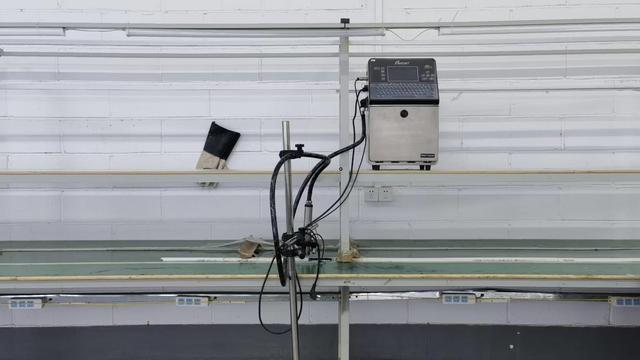
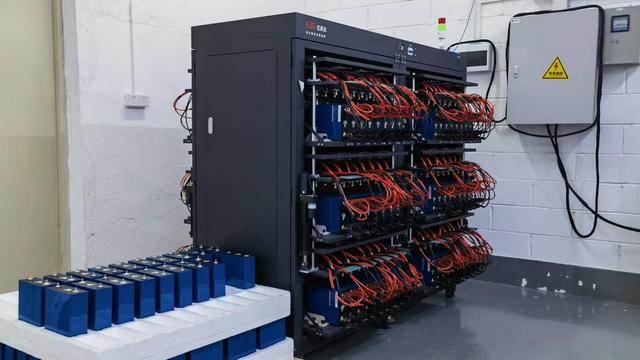
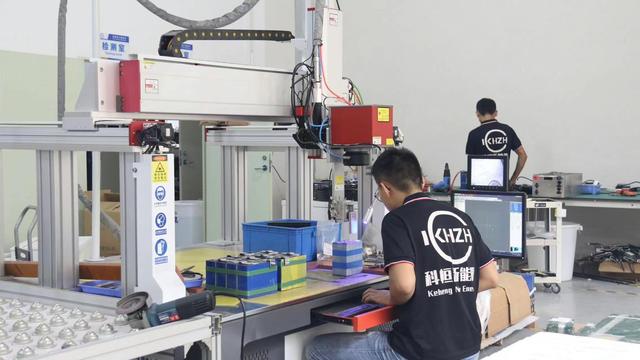
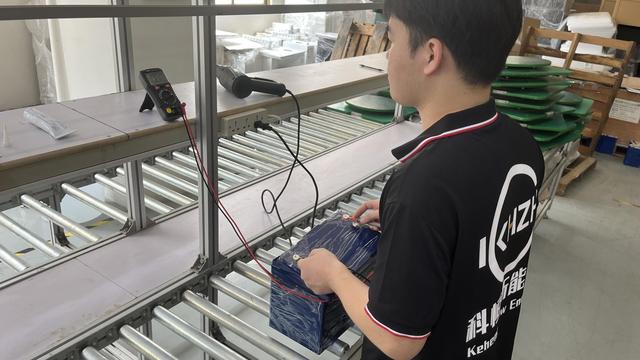
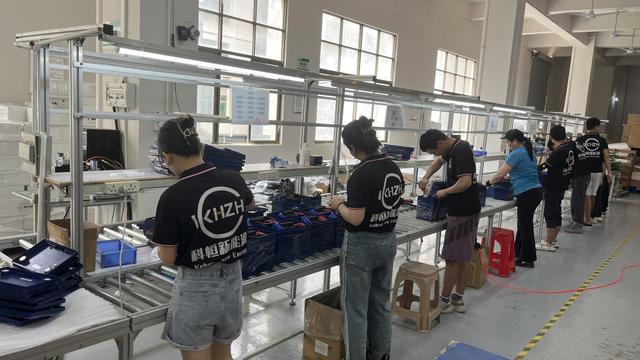
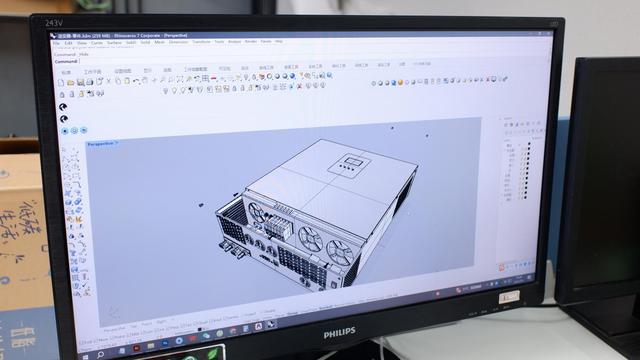
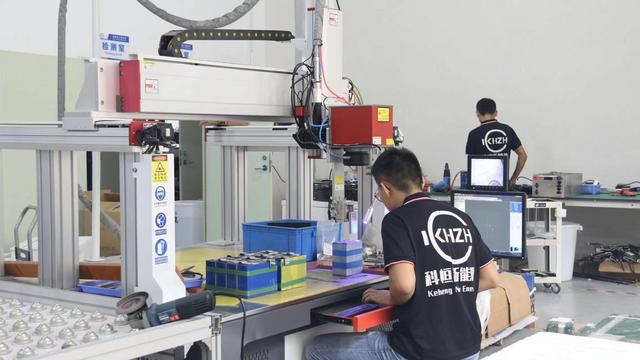
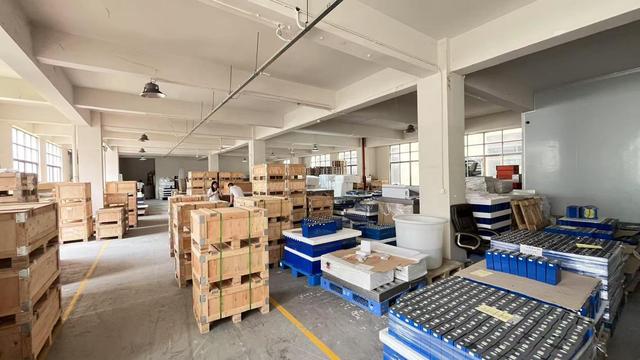
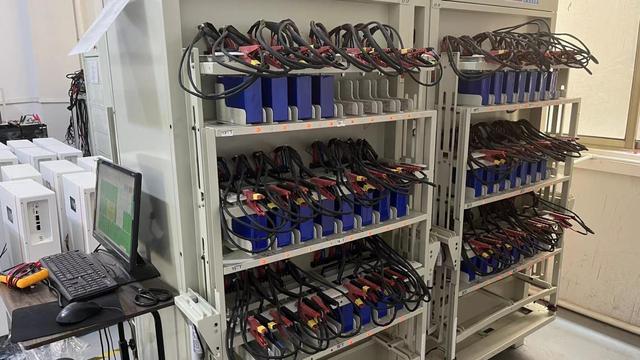
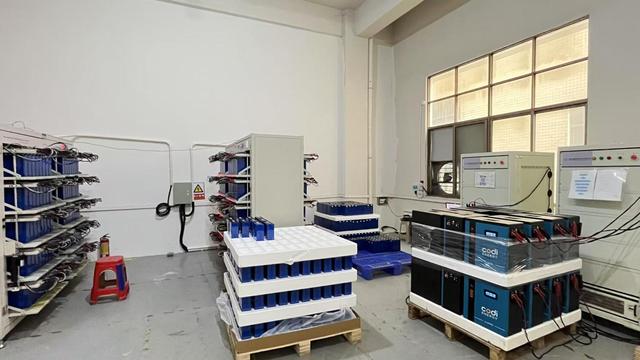
Over 38,000㎡ of modern production space with ISO 9001, ISO 14001, and ISO 45001 certification. High throughput guarantees reliable delivery timelines.
Get Project Quote →Explore our full range of residential back-up systems, containerized C&I cabinets, and high-capacity utility sub-stations.
Technical guidance for EPCs, developers, and project engineers importing BESS systems to Brazil.
Our systems offer options for both liquid and forced air cooling. For hot locations in northern Brazil, we recommend our liquid-cooled systems. They use glycol-water loops directly on the cells to maintain an even temperature (variance <3°C). The container walls feature high-grade thermal insulation and are rated IP54/IP55 to prevent dust, salt, and humidity ingress.
All BESS equipment imported to Brazil must comply with ANEEL and local distribution grid standards. Our modules hold IEC 62619, UL 9540A, and UN38.3 certifications, which are recognized during import clearance. We assist Brazilian buyers by providing complete technical documentation, packing lists, and custom declarations to help expedite import procedures at ports like Santos and Paranaguá.
Yes, our BESS containers can be configured for both on-grid and off-grid setups. In off-grid mode, the Power Conversion System (PCS) operates in voltage-source mode (grid-forming), serving as the voltage reference for solar inverters and local loads. This is ideal for isolated agricultural or mining operations in Mato Grosso or the Amazon basin.
The master controller in our BESS container communicates via Modbus/RTU, Modbus/TCP, or DNP3 protocols. This allows developers to integrate battery status, temperature, and alarm metrics into their existing local or cloud-based SCADA or Energy Management System (EMS).
Using grade-A 314Ah LiFePO4 cells, our systems are rated for 8,000 cycles at 80% Depth of Discharge (DoD) under standard temperatures (25°C). We offer standard 5-year warranties, with options for extensions up to 10 years based on project operational parameters.
 CCSC Energy