Optimized configurations targeting Bulgaria's utility infrastructure, solar power plants, and transmission grid bottlenecks.
Analyzing grid integration bottlenecks, National Recovery and Resilience Plan (NRRP) mandates, and the shift towards containerized BESS.
The Bulgarian energy landscape is undergoing an unprecedented structural transition. Due to Southern Bulgaria's massive solar irradiation (particularly within the Maritsa basin and Northern regions), utility-scale solar photovoltaic (PV) generation has surged. However, this solar gold rush has severely strained the Electric System Operator (ESO EAD) transmission grid. Peak solar generation at mid-day regularly causes grid congestion, voltage fluctuations, and occasionally results in negative wholesale market pricing.
To combat this, the Bulgarian government, supported by the European Union’s National Recovery and Resilience Plan (NRRP), has initiated substantial subsidy frameworks targeting localized utility-scale battery energy storage systems (BESS). Installing Containerized Energy Storage Systems has transitioned from a future-looking option to a mandatory commercial asset. BESS projects are now the primary tool to absorb excess energy production, resolve peak curtailments, and secure grid compliance protocols.
Bulgarian industrial operators—ranging from metallurgy plants in Plovdiv to manufacturing hubs in Ruse and Sofia—face high peak demand tariffs and strict carbon reduction guidelines. Companies are increasingly integrating microgrid storage configurations behind-the-meter (BTM) to achieve energy self-sufficiency and maximize peak-shaving savings.
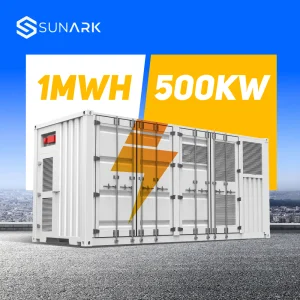
By implementing 1MWh to 5MWh containerized solutions, industrial consumers can mitigate peak power limits enforced by regional distribution companies (such as Electrohold, EVN, and Energo-Pro). This safeguards delicate manufacturing machinery against voltage sags and guarantees reliable, uninterruptible power during localized system failures.
A professional global manufacturer and integration specialist delivering utility-grade energy storage solutions.
Hangzhou CCSC Energy Co., Ltd. is a professional Energy Storage System Manufacturer specializing in battery energy storage, renewable power integration, and smart energy solutions for residential, commercial, industrial, and utility-scale applications. Based in Hangzhou, China, the company focuses on developing advanced energy storage technologies that help customers improve energy efficiency, enhance power reliability, and support the transition toward sustainable energy systems.
With expertise in energy storage engineering and system integration, CCSC Energy provides comprehensive solutions covering battery energy storage systems (BESS), renewable energy storage integration, commercial and industrial energy storage, backup power systems, microgrid applications, distributed energy infrastructure, and intelligent energy management platforms. Our solutions are designed to support a wide range of applications, including solar energy utilization, peak demand management, grid stabilization, emergency power supply, and energy cost optimization.
The company is committed to delivering safe, efficient, and scalable energy storage solutions tailored to the needs of modern energy users. Our engineering team works closely with customers, project developers, EPC contractors, and energy service providers to design systems that align with specific operational requirements, performance objectives, and regulatory standards. From project planning and system design to manufacturing and technical support, CCSC Energy offers comprehensive services throughout the project lifecycle.
Equipped with advanced manufacturing facilities and stringent quality management processes, the company emphasizes product reliability, operational safety, and long-term performance. Continuous investment in research and development enables CCSC Energy to integrate intelligent monitoring technologies, advanced battery management systems (BMS), and smart energy control platforms into its solutions.
Serving customers across Asia, Europe, North America, South America, the Middle East, and other global markets, Hangzhou CCSC Energy Co., Ltd. is dedicated to providing innovative energy storage solutions that support renewable energy adoption, strengthen power resilience, and contribute to a more efficient and sustainable energy future.
Exploring the architecture that enables long-term system durability and safety under demanding European operation profiles.
We leverage cutting-edge 314Ah Lithium Iron Phosphate (LiFePO4) cell configurations, delivering significantly higher volumetric energy density than older 280Ah variants. LFP chemistry offers inherent safety against thermal runaway, ensuring no oxygen generation during failure events. Our cell systems are rated for up to 8,000 charge-discharge cycles at 80% Depth of Discharge (DoD), translating to over 15 years of uninterrupted system life under typical daily double-cycling operation.
Thermal management dictates battery lifespan. While forced-air cooling remains cost-effective for smaller commercial systems, our liquid cooling configurations are recommended for large-scale projects. Liquid cooling restricts cell-to-cell temperature variations to within 2.5°C, compared to the 6.8°C common in air systems. This minimal temperature gradient prevents premature single-cell degradation, lowering total auxiliary power consumption by up to 30%.
Our Battery Management System (BMS) employs a highly reliable three-tier architecture:
| System Architecture Metric | Air-Cooled 1.0MWh Container | Liquid-Cooled 2.17MWh - 5.0MWh Container |
|---|---|---|
| Cell Chemistry / Type | LiFePO4 (LFP) 280Ah / 314Ah Cells | LiFePO4 (LFP) 314Ah / 628Ah Cells |
| Thermal Management System | HVAC Air-Conditioning & Internal Ducting | Direct Liquid Cold-Plate & Chillers |
| Auxiliary Load Consumption | ~6.5% of total system discharge capacity | ~4.2% optimized for high efficiency |
| Fire Safety Suppression | Aerosol/Heptafluoropropane (FM200) | Dual-medium Aerosol + Water spray mitigation |
| Enclosure Protection Class | IP54 / NEMA 3R Steel Structure | IP55 Corrosive Resistant Containerized Shell |
Navigating European Standards, EN Codes, and Grid Operators (ESO EAD) Connection Requirements.
Installing high-voltage battery storage containers within the European Union, specifically Bulgaria, demands compliance with strict safety directives. Our systems are designed, constructed, and certified to meet all major international safety standards, ensuring smooth site inspections and fast utility permits.
To successfully grid-tie energy storage arrays in Bulgaria, developers must undergo active compliance audits with the Electricity System Operator (ESO EAD). Critical technical parameters include grid frequency containment reserves (FCR), active/reactive power injection control, and automatic frequency restoration reserves (aFRR).
CCSC Energy's integrated Power Conversion Systems (PCS) and Power Management Controllers are configured to handle active dynamic reactive power adjustments, low-voltage ride-through (LVRT) scenarios, and frequency fluctuation mitigation. This makes them fully prepared for the complex Bulgarian grid connection process.
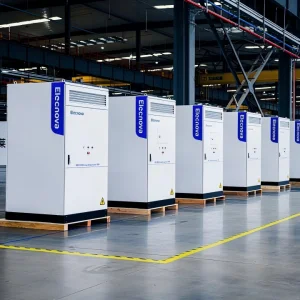
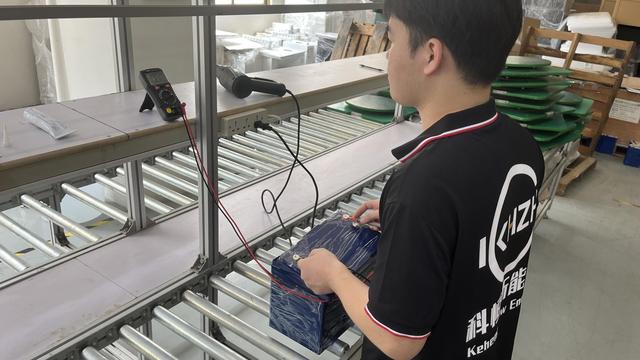
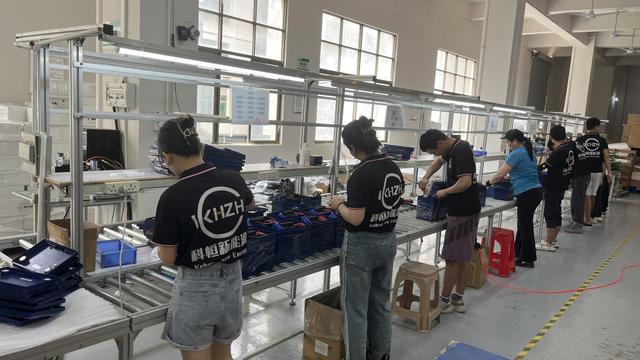
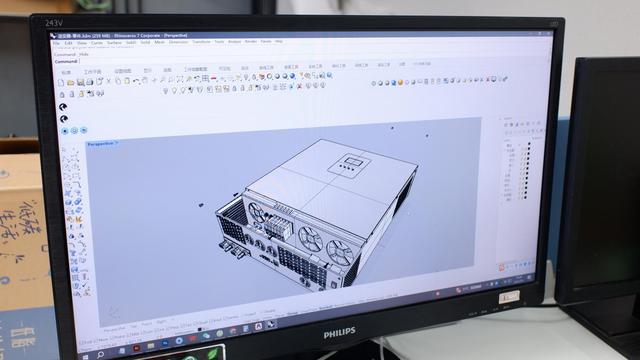
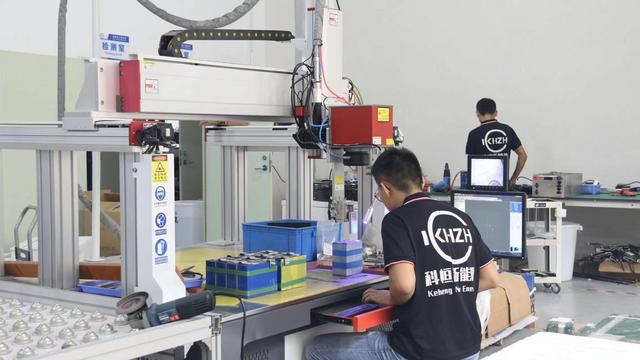
Inside the CCSC Energy industrial facility. Strict quality control, production integration, and stress testing.
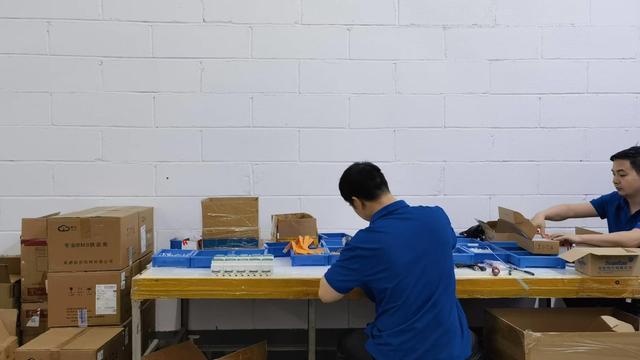
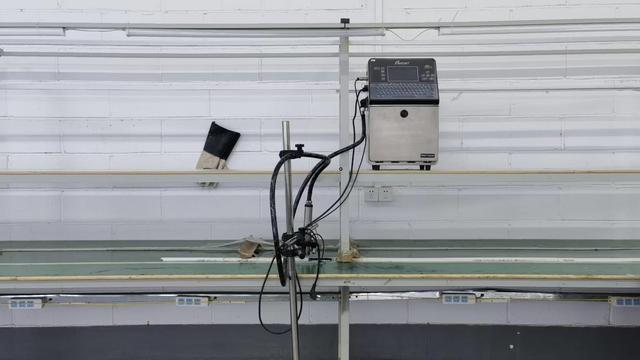
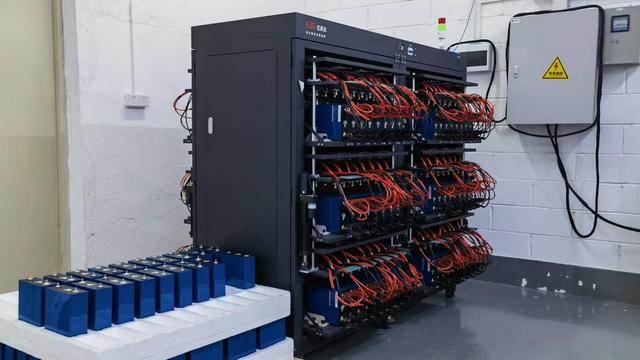
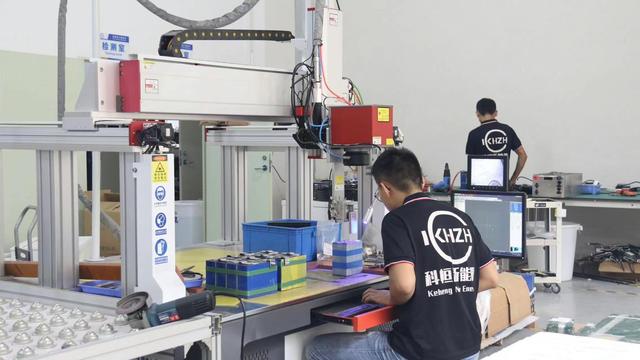
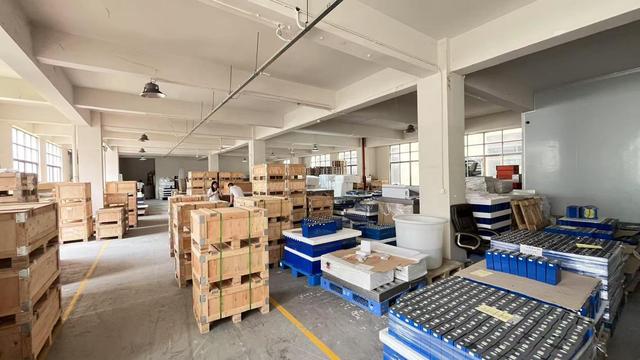
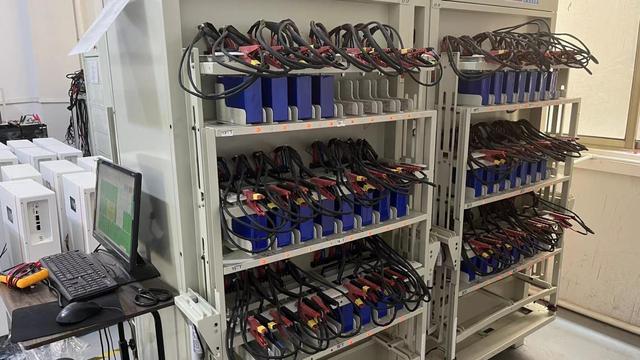
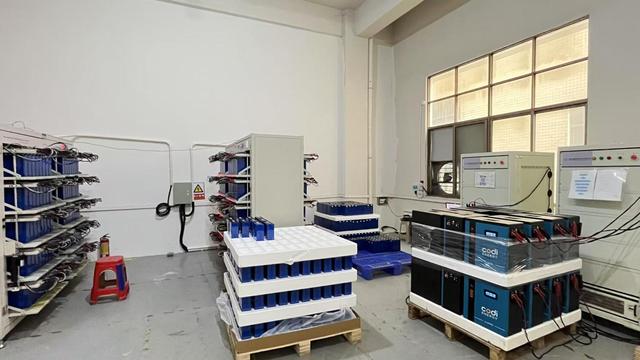
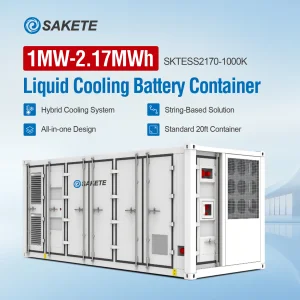
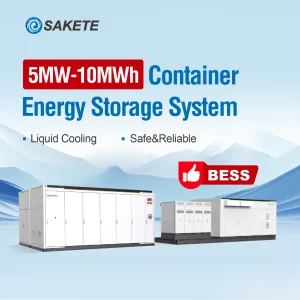
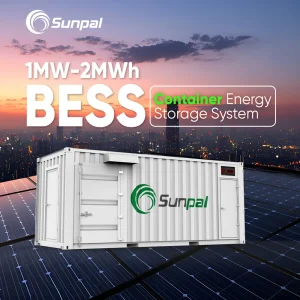
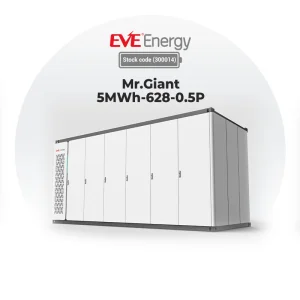
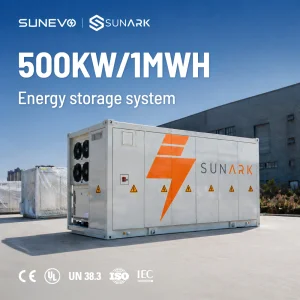
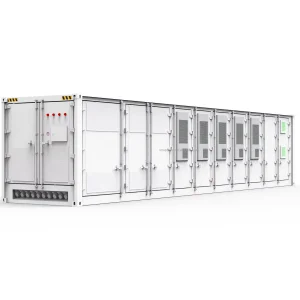
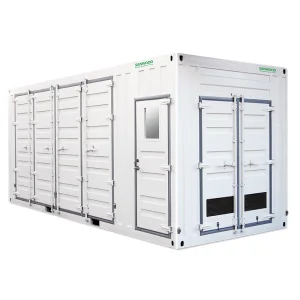
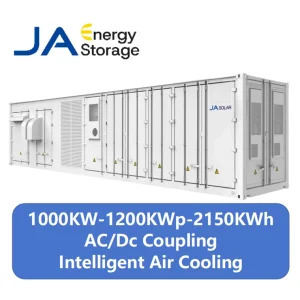
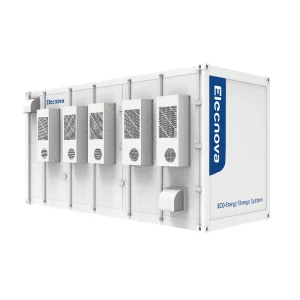
Diverse capacity options and technical footprints configured for the Bulgarian renewable grid structure.
Logistics, Incoterms, and Project Milestones from China Factory to Bulgarian Site Locations.
Transporting high-capacity lithium container systems requires expert compliance with international dangerous goods shipping protocols (Class 9 Dangerous Goods, UN3480). For Bulgarian solar parks, our logistics department arranges delivery through major ocean ports: Port of Burgas or Port of Varna.
We offer flexible Incoterms including CIF, FOB, and DDP. In DDP transactions, we manage import clearance, customs duties, local VAT, and deliver the cargo directly to your inland destination (e.g., Stara Zagora, Haskovo, Sofia) using specialized flatbed chassis.
Before shipping, all containerized systems undergo Factory Acceptance Testing (FAT) at our production plant in Hangzhou. This testing process ensures compliance with standard operational requirements and minimizes commissioning time on site:
Technical answers regarding local operations, grid-connection compliance, and LFP safety protocols.
Get in touch with our engineering team to receive customized CAD layouts, dynamic system simulations, and a detailed commercial proposal.
 CCSC Energy