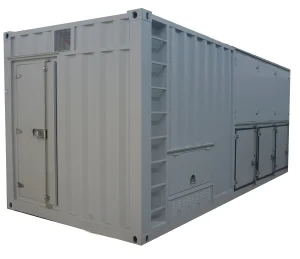
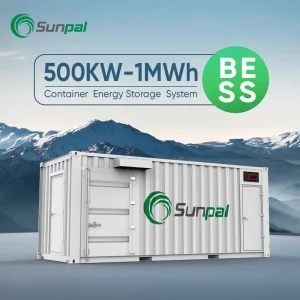
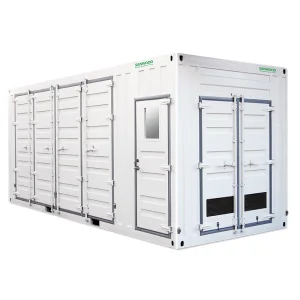
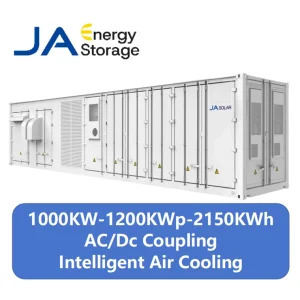
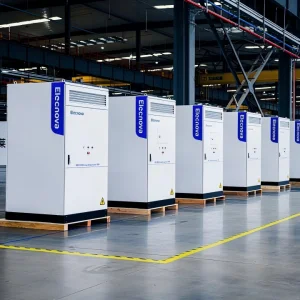
Deployable systems optimized for the Kazakhstan national grid (KEGOC) and extreme high-altitude/low-temperature mining environments.
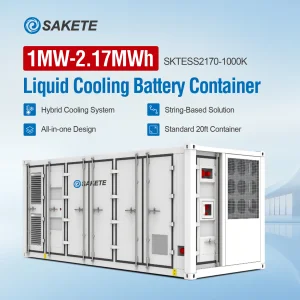
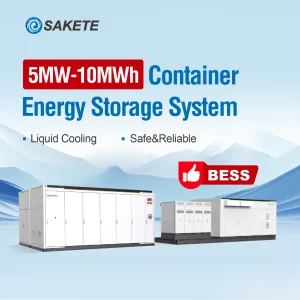
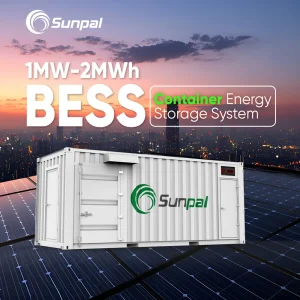
Kazakhstan stands at a critical juncture in its energy evolution. The national power grid, managed by KEGOC, is characterized by vast transmission distances separating the major generation hubs in the coal-dense Northern region from the energy-hungry Southern provinces. This geographic disparity leads to transmission line losses, voltage instability, and critical congestion issues. Furthermore, as the nation aggressively targets its COP26 commitments to achieve net-zero carbon emissions by 2060, the integration of volatile wind and solar resources in southern locations like Zhambyl and Turkestan is escalating grid frequency fluctuations.
In this context, Containerized Battery Energy Storage Systems (BESS) serve as the ultimate stabilization infrastructure. Deploying utility-scale containerized systems offers primary frequency response, load-following reserves, and dynamic reactive power support. This ensures that peak load demands in urban centers like Almaty and Astana are met without relying on aging, carbon-intensive coal plants or expensive cross-border power balancing imports.
The Kazakhstan Ministry of Energy has implemented auction mechanisms for flexible power capacity. Under these frameworks, containerized BESS installations providing automatic frequency restoration reserves (aFRR) receive preferential grid connection and capacity tariffs, significantly accelerating ROI for private power producers and mining concessions.
The defining technical challenge of exporting energy storage to Kazakhstan is the extreme continental climate. Systems installed in the northern steppes of Karaganda or Akmola must function flawlessly through winter lows of -40°C and summer highs exceeding +40°C. At sub-zero temperatures, standard Lithium Iron Phosphate (LiFePO4) chemistries face rapid capacity degradation, elevated internal resistance, and the severe risk of lithium plating during charge cycles.
Our engineered containerized solutions mitigate these environmental risks through state-of-the-art thermal envelope design:
One of the primary competitive advantages of sourcing BESS from Hangzhou CCSC Energy Co., Ltd. is our geographical and logistical proximity to the Kazakh border. Shipping massive utility-grade containers from East Coast factories in North America or Western Europe to Central Asia involves complex, multi-modal maritime-land routes that can take upward of 60 days and incur astronomical freight costs.
Our factory utilizes the New Silk Road Rail Corridor. Containers are loaded directly at our manufacturing facility in China, dispatched via the Long-Hai Railway, and clear customs at the Khorgos Dry Port or Alashankou/Dostyk rail terminals. This direct rail link reduces transit times to Almaty to just 12 to 15 days, with direct rail delivery to industrial sidings in Karaganda, Pavlodar, and Atyrau, vastly reducing transportation risks and project schedule slippage.
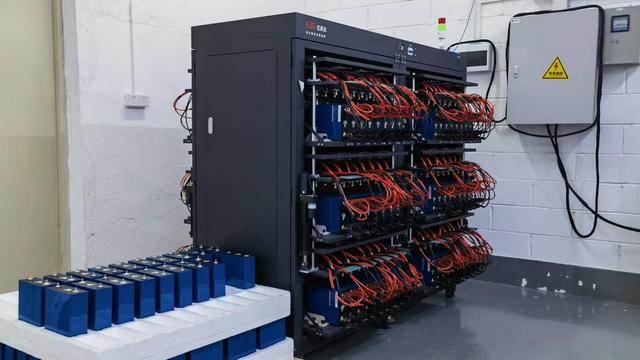
CCSC Energy harnesses China's dominant battery supply chain, enabling us to integrate premium Tier-1 components at unparalleled capital expenditure (CAPEX) efficiencies. Our containerized systems feature high-capacity 314Ah LiFePO4 cells from industry leaders (such as EVE and CATL), offering higher volumetric energy density compared to traditional 280Ah cells. This means more megawatt-hours per square meter, reducing footprint, concrete foundation requirements, and onsite installation costs in Kazakhstan's remote industrial sites.
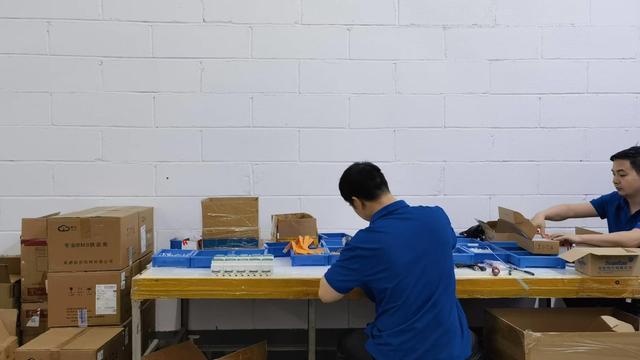
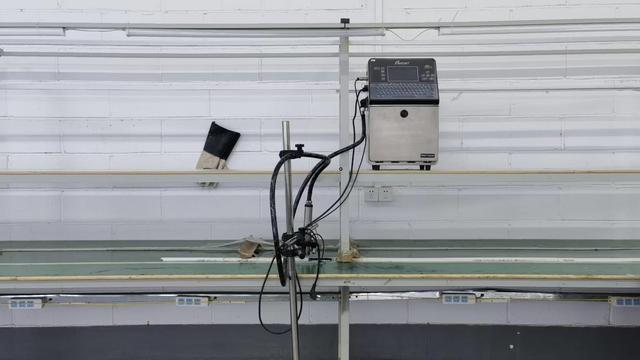
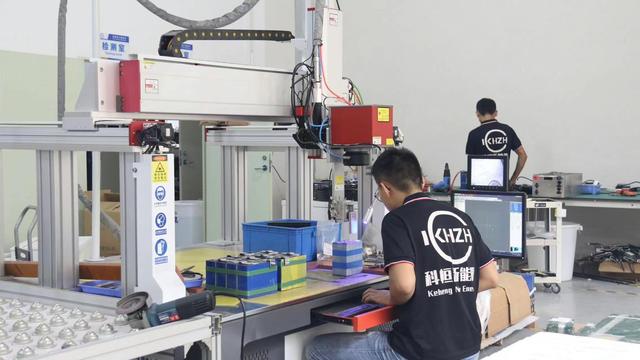
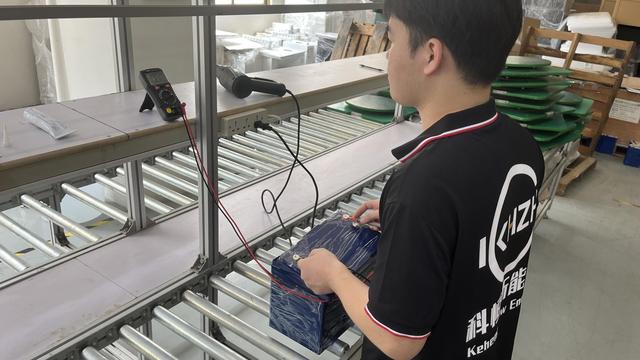
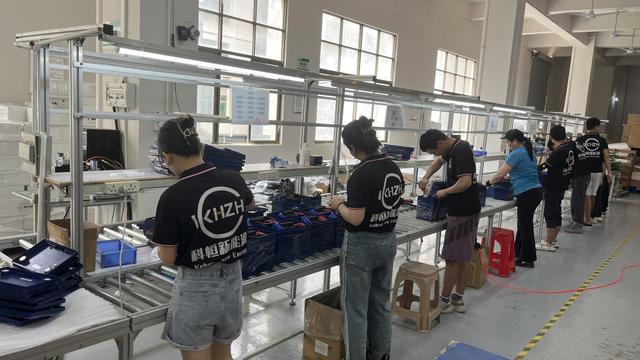
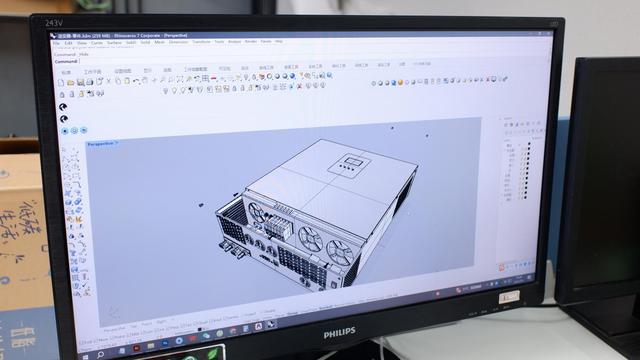
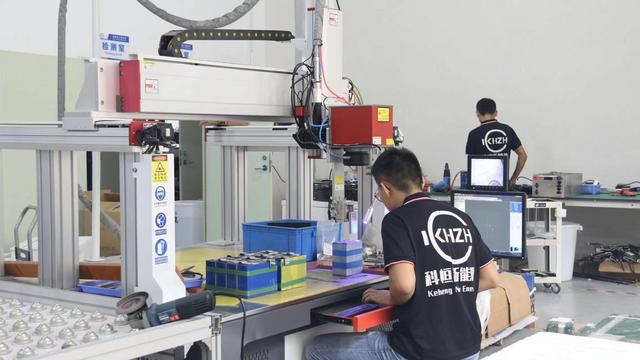
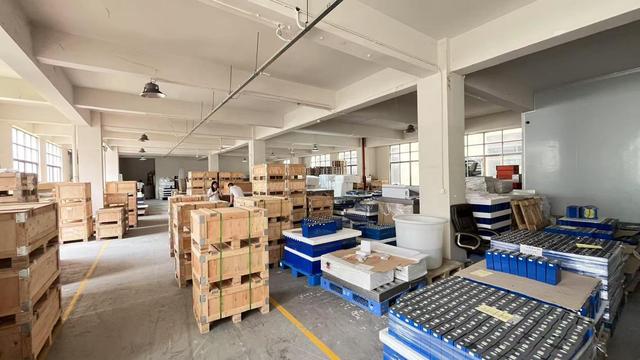
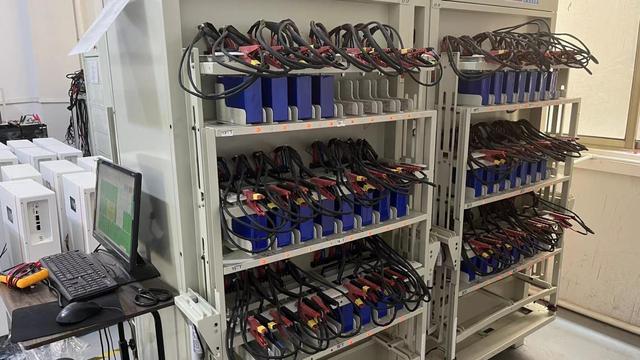
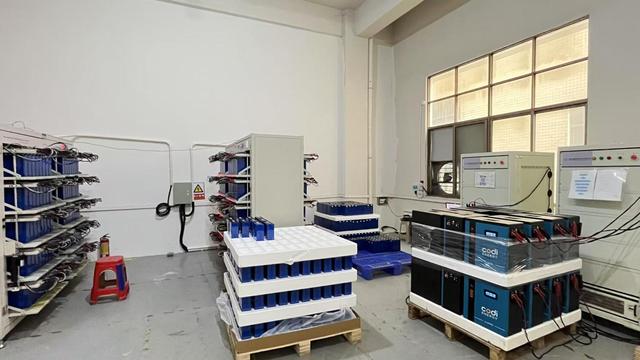
By controlling everything from structural sheet metal fabrication to advanced Battery Management System (BMS) programming and thermal loop validation in our Hangzhou facility, we ensure that every system exported is ready to withstand the rigors of heavy industrial workloads.
Navigating the regulatory landscape of the Eurasian Economic Union (EAEU) is critical for project success. CCSC Energy ensures that all containerized BESS exported to Kazakhstan comply with the relevant regional and national directives. Our engineering processes are aligned with GOST-K standards, and all sub-systems carry the EAC (Eurasian Conformity) mark. Safety certifications cover:
Every BESS container is shipped with comprehensive technical passports in both Russian and Kazakh languages, simplifying customs documentation and accelerating commissioning times with regional power distribution companies (RECs).
Mitigate voltage sags and grid disruptions at heavy mining concessions in Karaganda and East Kazakhstan. BESS offsets high peak power tariffs and supports microgrid operation during main grid outages.
Store surplus power during low-demand hours and dispatch during peak periods, preventing overloading of local distribution infrastructure in fast-growing cities like Shymkent and Astana.
Colocate with large wind farms in the Kapchagay and Ereymentau regions. Smooth power ramps and satisfy strict KEGOC requirements regarding solar/wind grid injection profiles.
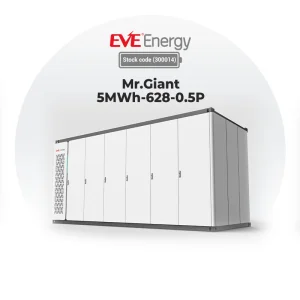
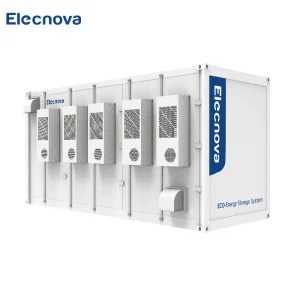
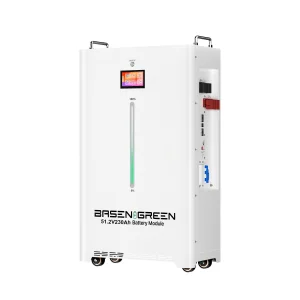
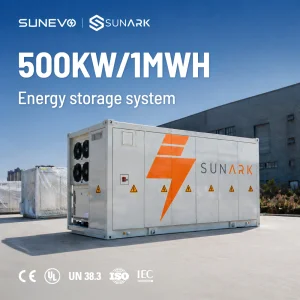
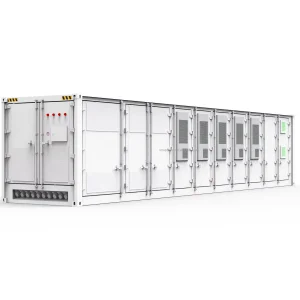
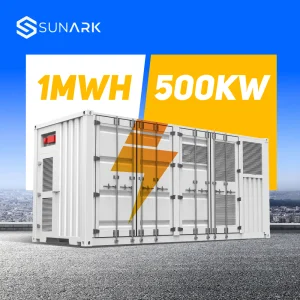
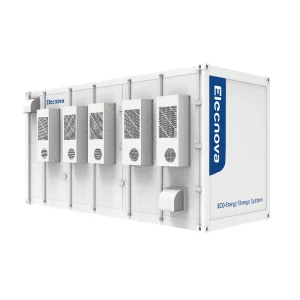
Select from our extensive range of high-performance containerized systems and sub-components designed for commercial, industrial, and off-grid projects.
Hangzhou CCSC Energy Co., Ltd. is a professional Energy Storage System Manufacturer specializing in battery energy storage, renewable power integration, and smart energy solutions for residential, commercial, industrial, and utility-scale applications. Based in Hangzhou, China, the company focuses on developing advanced energy storage technologies that help customers improve energy efficiency, enhance power reliability, and support the transition toward sustainable energy systems.
With expertise in energy storage engineering and system integration, CCSC Energy provides comprehensive solutions covering battery energy storage systems (BESS), renewable energy storage integration, commercial and industrial energy storage, backup power systems, microgrid applications, distributed energy infrastructure, and intelligent energy management platforms. Its solutions are designed to support a wide range of applications, including solar energy utilization, peak demand management, grid stabilization, emergency power supply, and energy cost optimization.
The company is committed to delivering safe, efficient, and scalable energy storage solutions tailored to the needs of modern energy users. Our engineering team works closely with customers, project developers, EPC contractors, and energy service providers to design systems that align with specific operational requirements, performance objectives, and regulatory standards. From project planning and system design to manufacturing and technical support, CCSC Energy offers comprehensive services throughout the project lifecycle.
Equipped with advanced manufacturing facilities and stringent quality management processes, the company emphasizes product reliability, operational safety, and long-term performance. Continuous investment in research and development enables CCSC Energy to integrate intelligent monitoring technologies, advanced battery management systems (BMS), and smart energy control platforms into its solutions.
Serving customers across Asia, Europe, North America, South America, the Middle East, and other global markets, Hangzhou CCSC Energy Co., Ltd. is dedicated to providing innovative energy storage solutions that support renewable energy adoption, strengthen power resilience, and contribute to a more efficient and sustainable energy future.
Technical answers regarding the deployment of CCSC Containerized BESS solutions in the Central Asian region.
 CCSC Energy