Explore our top-tier manufacturing systems, tier-1 lithium storage configurations, and robust grid integration equipment engineered for the global energy transition.
Hangzhou CCSC Energy Co., Ltd. is a professional Energy Storage System Manufacturer specializing in battery energy storage, renewable power integration, and smart energy solutions for residential, commercial, industrial, and utility-scale applications. Based in Hangzhou, China, the company focuses on developing advanced energy storage technologies that help customers improve energy efficiency, enhance power reliability, and support the transition toward sustainable energy systems.
With expertise in energy storage engineering and system integration, CCSC Energy provides comprehensive solutions covering battery energy storage systems (BESS), renewable energy storage integration, commercial and industrial energy storage, backup power systems, microgrid applications, distributed energy infrastructure, and intelligent energy management platforms. Its solutions are designed to support a wide range of applications, including solar energy utilization, peak demand management, grid stabilization, emergency power supply, and energy cost optimization.
The company is committed to delivering safe, efficient, and scalable energy storage solutions tailored to the needs of modern energy users. Its engineering team works closely with customers, project developers, EPC contractors, and energy service providers to design systems that align with specific operational requirements, performance objectives, and regulatory standards. From project planning and system design to manufacturing and technical support, CCSC Energy offers comprehensive services throughout the project lifecycle.
Equipped with advanced manufacturing facilities and stringent quality management processes, the company emphasizes product reliability, operational safety, and long-term performance. Continuous investment in research and development enables CCSC Energy to integrate intelligent monitoring technologies, advanced battery management systems, and smart energy control platforms into its solutions.
Serving customers across Asia, Europe, North America, South America, the Middle East, and other global markets, Hangzhou CCSC Energy Co., Ltd. is dedicated to providing innovative energy storage solutions that support renewable energy adoption, strengthen power resilience, and contribute to a more efficient and sustainable energy future.
The global transition from centralized, fossil-fueled generation to decentralized, weather-dependent renewable energy sources has made smart power management an absolute necessity. At the epicenter of this shift is China's manufacturing ecosystem. Leading Chinese smart power management factories have moved far beyond basic OEM assembly; they now represent the global standard for R&D integration, automated high-throughput manufacturing, and sophisticated Energy Management Software (EMS).
China commands over 75% of the global lithium-ion battery manufacturing capacity. This complete dominance across the upstream raw materials (lithium, cobalt, nickel refinement), midstream battery cell production (using high-safety LiFePO4 chemistry), and downstream system integration allows Chinese manufacturers to offer unmatched Levelized Cost of Storage (LCOS). This integration reduces shipping delays, ensures rigid component matching, and speeds up product validation cycles.
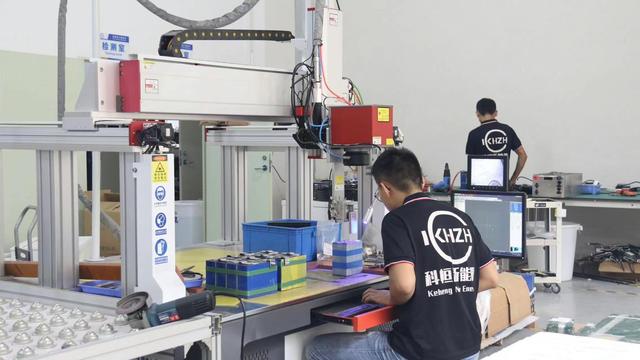
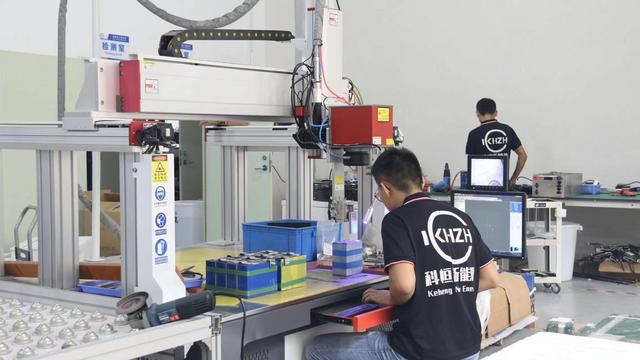
Top-tier Chinese BESS factories utilize fully automated production lines equipped with laser welding, automated optical inspection (AOI), and environmental chamber pre-testing. This level of automation ensures consistent cell-to-cell thermal properties, internal resistance balancing, and overall safety compliance under international guidelines like UL 9540, IEC 62619, and CE.
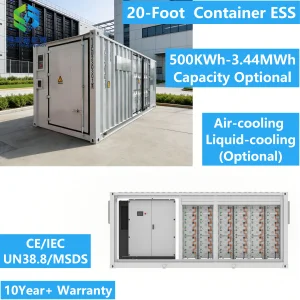
Unlike rigid western manufacturing setups, Chinese exporters specialize in collaborative engineering. Whether a customer requires custom modular sizing, liquid-cooled containerized configurations, or specific EMS communications protocols (e.g., Modbus TCP, CANbus, IEC 61850), Chinese engineers can prototype, certify, and scale production at a fraction of the time.
The integration of software intelligence and hardware robustness defines the next phase of the energy transition.
Transitioning from 48V low-voltage architectures to 800V and 1500V high-voltage systems. High-voltage structures reduce transmission line losses, maximize round-trip efficiency (RTE), and significantly lower cable and installation costs.
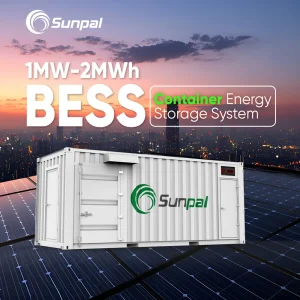
Moving beyond passive or simple forced-air cooling. Modern megawatt-scale containers utilize precise liquid cooling plates that maintain internal temperature variations within ±2°C, doubling battery cycle life to over 6,000 cycles.
Integrating machine learning models into Energy Management Systems (EMS). Cloud-connected algorithms analyze historical weather patterns, grid tariffs, and real-time load behaviors to dynamically schedule peak-shaving and virtual power plant (VPP) integration.
Implementing a robust smart power infrastructure requires a deep understanding of localized parameters. Whether deployed in harsh remote microgrids or highly regulated grid-scale installations in Western Europe, the requirements for BESS units vary drastically.
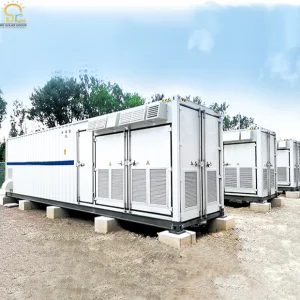
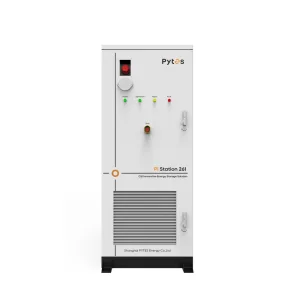
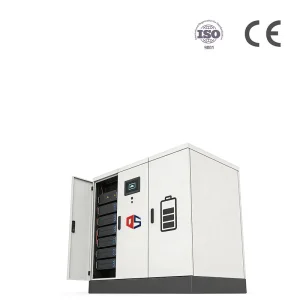
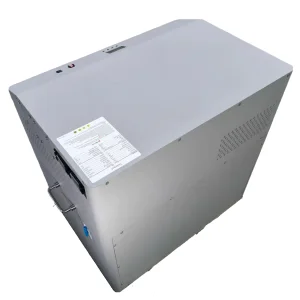
For manufacturing plants in regions with high peak-tariff premiums (such as Germany, California, or Japan), electricity demand charges can account for up to 40% of total utility bills. By deploying local containerized systems (e.g., Pytes 261KWh BESS or the 1MWH Utility Scale Storage Cabinet), factories can draw energy from the grid during low-rate nighttime slots and discharge during peak daylight operational hours. This peak-shaving application mitigates steep demand curves, prevents transformer overload, and yields high return-on-investment metrics.
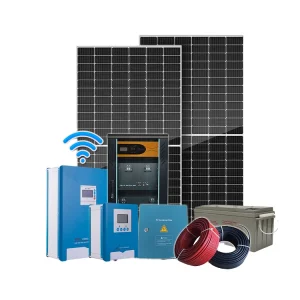
For remote islands, mining outposts, and agricultural operations off the main grid, smart power management systems integrate PV generation with diesel generator backups. The battery management system dynamically throttles the diesel generator, running it only when solar irradiance drops below critical thresholds and the battery state-of-charge (SOC) is depleted. This microgrid optimization typically decreases diesel consumption by 60-80%, dramatically reducing operational costs and lowering environmental risk.
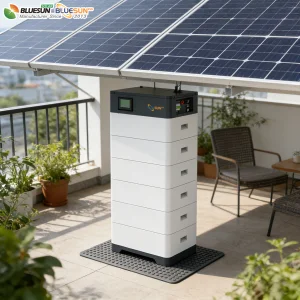
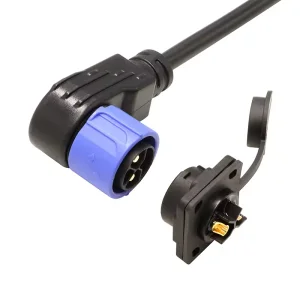
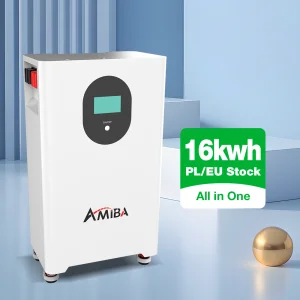
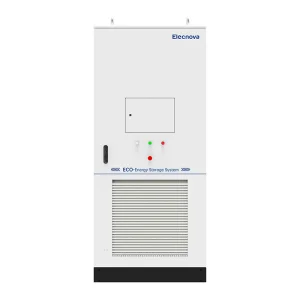
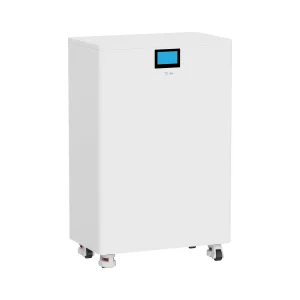
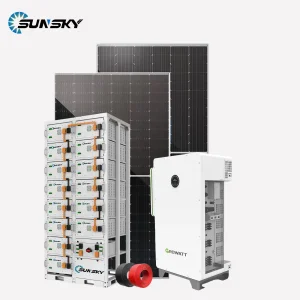
Modern high-end residential spaces are increasingly adopting high-voltage all-in-one solar and storage systems. Combined with EV chargers using specialized interfaces like the Quick-Lock M25 Waterproof Terminals, homes can function completely off-grid. When solar output spikes, energy is prioritized for home use, with the surplus routed to the EV battery and the home's high-voltage energy storage. This intelligent grid interaction maximizes solar self-consumption.
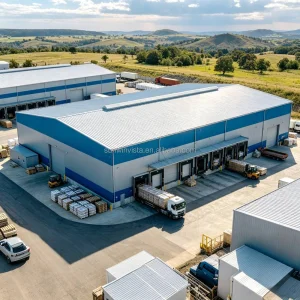
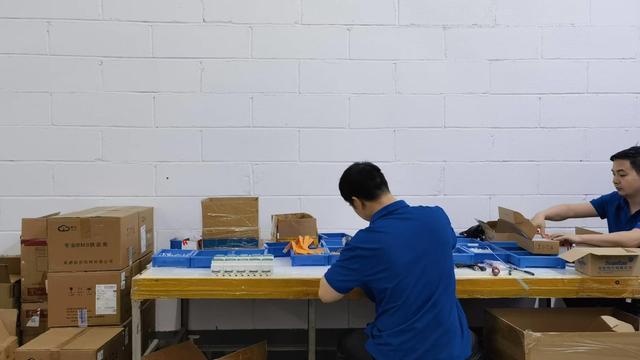
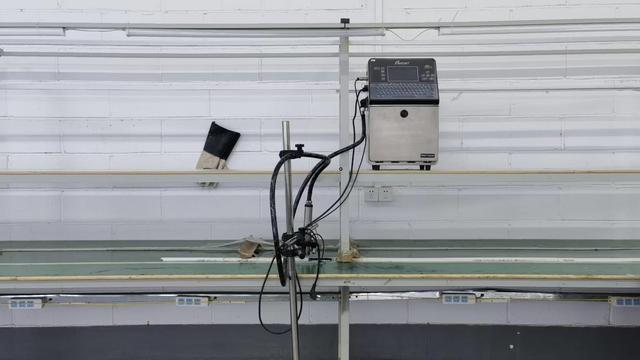
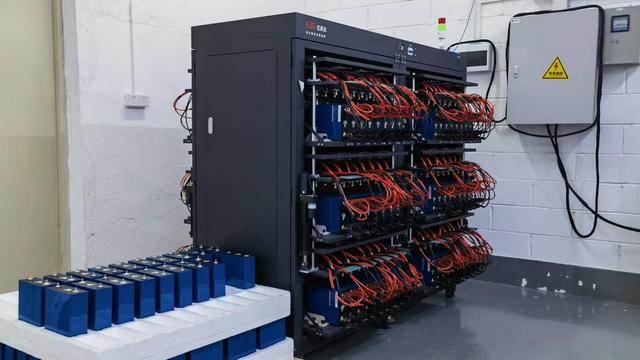
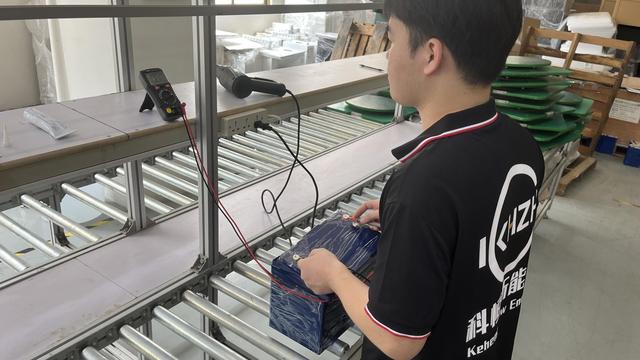
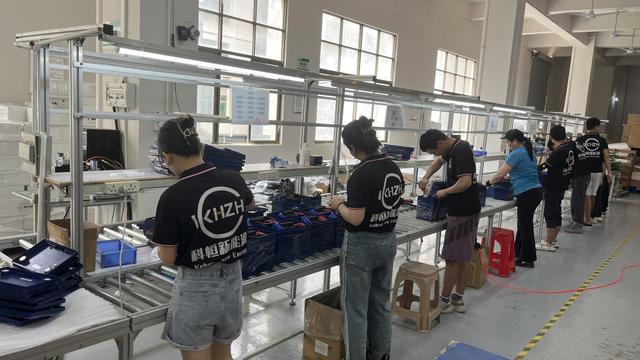
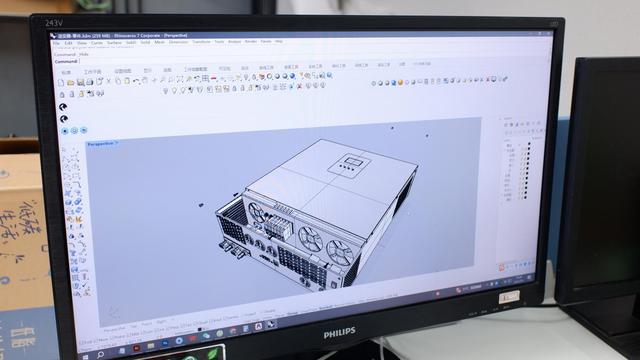
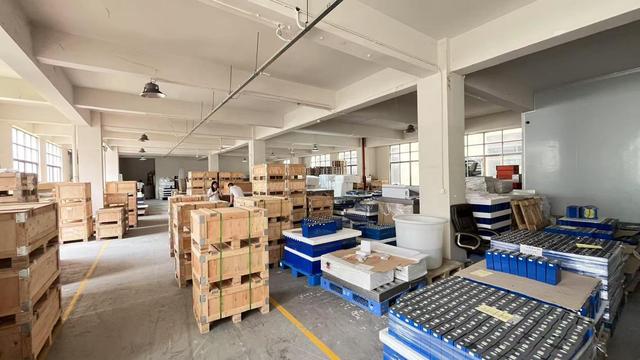
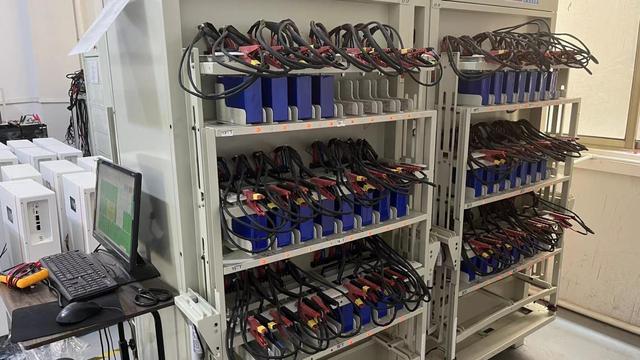
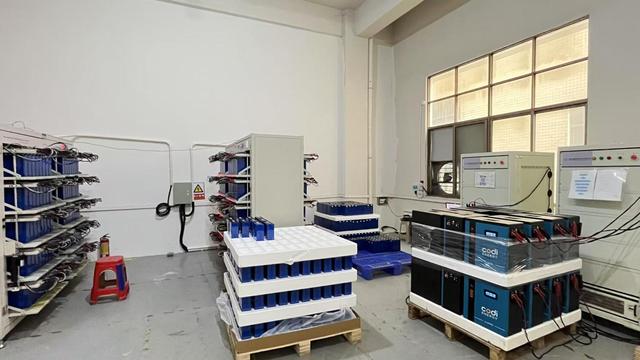
Take a look inside our cleanroom production spaces, cell grading assembly plants, and robust testing workshops.
BESS systems are complex, multi-decade assets. Global engineering, procurement, and construction (EPC) companies must evaluate smart power management partners using strict operational and technical metrics:
Common questions answered by our engineering and system integration specialists.
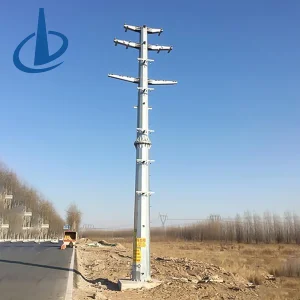
High-power modular storage containers, long-span structural frameworks, and grid distribution components optimized for international deployments.
 CCSC Energy