Top 10 Sustainable Energy Infrastructure Manufacturers & Developer Guide

Evaluating Tier-1 Battery Energy Storage Systems (BESS), Grid Integration Specialists, and Industrial Decarbonization OEM/ODM Engineering Leaders

The Infrastructure Transition: Decarbonization at Scale

As grid architectures modernize and volatile renewable generation increases, utility and commercial buyers require ruggedized energy storage and power conversion infrastructure to guarantee dispatchability.

Global decarbonization mandates have changed the requirements for utility grids and industrial power networks. The transition from predictable fossil fuel baseload plants to volatile renewable energy profiles demands robust, responsive, and smart hardware configurations. Major utility entities, engineering procurement and construction (EPC) contractors, and independent power producers (IPPs) look to sustainable energy infrastructure manufacturers to fill critical hardware and software gaps.

Contemporary Battery Energy Storage Systems (BESS), high-voltage transformers, power conversion systems (PCS), and smart home energy managers form the core of this transition. Modern architectures focus on thermal optimization, safety, high energy density, and advanced control algorithms to maximize capital expenditure ROI and manage grid frequency fluctuations.

500+ MWh
Global Capacity Deployed
6000+
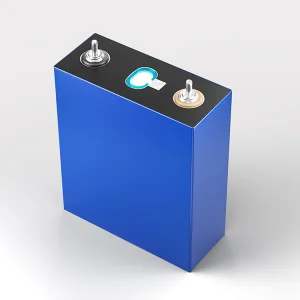
Prismatic Cell Cycle Life
0.5 C / 1 C
Flexible Charge Rates
Smart EMS
Cloud Integrations
Evaluating the Top 10 Sustainable Energy Infrastructure Manufacturers

An analytical breakdown of the market leaders defining the technology roadmaps and supplying global utility-scale and C&I energy systems.

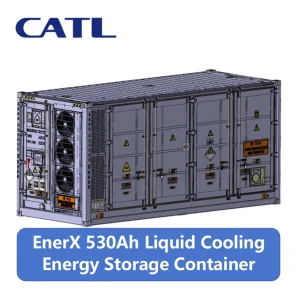
CATL (BESS Division)
Pioneering containerized battery solutions like the EnerX series. Famous for long-cycle LFP cells, advanced thermal management, and industry-leading volumetric energy densities.
Tesla Energy (Megapack)
Dominating utility-scale power integration with vertically integrated software (Autobidder) and pre-assembled high-capacity battery architectures.
CCSC Energy Co., Ltd.
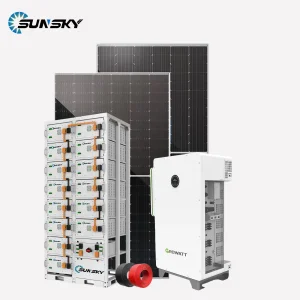
A specialized manufacturer providing high-customization C&I liquid/air cooling battery storage containers, residential systems, and smart EMS integration platforms.
BYD Energy
Leveraging in-house LFP cell manufacturing to deploy safety-oriented grid-level storage platforms. Strong market presence in APAC and Europe.
Fluence Energy
A joint venture of Siemens and AES, providing robust battery storage technology and cloud-based energy management software for grid networks.
Sungrow Power Supply
Globally recognized for PV inverters and turnkey energy storage system integration, specializing in liquid-cooled containerized configurations.
Huawei Smart PV & ESS
Pioneering smart string energy storage systems that optimize battery management at the pack level, reducing mismatch losses and maximizing yield.
Wärtsilä Energy
Leading developer of flexible balancing power plants and energy storage integrations. Noted for their GEMS software, which coordinates hybrid systems.
Powin Energy
Providing scalable modular utility storage platforms. Focuses on advanced battery management systems and multi-chemistry hardware configurations.

Hangzhou CCSC Energy Co., Ltd.: Engineering Future-Proof Battery Energy Storage

Hangzhou CCSC Energy Co., Ltd. is a professional Energy Storage System Manufacturer specializing in battery energy storage, renewable power integration, and smart energy solutions for residential, commercial, industrial, and utility-scale applications. Based in Hangzhou, China, the company focuses on developing advanced energy storage technologies that help customers improve energy efficiency, enhance power reliability, and support the transition toward sustainable energy systems.

With expertise in energy storage engineering and system integration, CCSC Energy provides comprehensive solutions covering battery energy storage systems (BESS), renewable energy storage integration, commercial and industrial energy storage, backup power systems, microgrid applications, distributed energy infrastructure, and intelligent energy management platforms. Its solutions are designed to support a wide range of applications, including solar energy utilization, peak demand management, grid stabilization, emergency power supply, and energy cost optimization.

The company is committed to delivering safe, efficient, and scalable energy storage solutions tailored to the needs of modern energy users. Its engineering team works closely with customers, project developers, EPC contractors, and energy service providers to design systems that align with specific operational requirements, performance objectives, and regulatory standards. From project planning and system design to manufacturing and technical support, CCSC Energy offers comprehensive services throughout the project lifecycle.

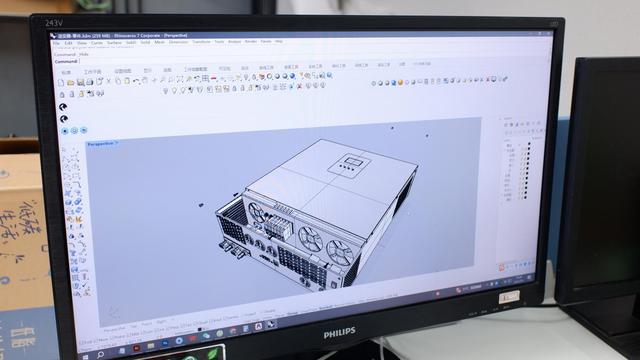
Equipped with advanced manufacturing facilities and stringent quality management processes, the company emphasizes product reliability, operational safety, and long-term performance. Continuous investment in research and development enables CCSC Energy to integrate intelligent monitoring technologies, advanced battery management systems, and smart energy control platforms into its solutions.

Serving customers across Asia, Europe, North America, South America, the Middle East, and other global markets, Hangzhou CCSC Energy Co., Ltd. is dedicated to providing innovative energy storage solutions that support renewable energy adoption, strengthen power resilience, and contribute to a more efficient and sustainable energy future.

Sustainable Energy Technical Roadmap & Future Outlook

The energy storage industry is undergoing rapid technical updates. As grid requirements become more demanding, equipment manufacturers must advance their technology stack. The primary technical trends shaping research and development in sustainable energy infrastructure include:

1. Liquid Cooling vs. Air Cooling Systems

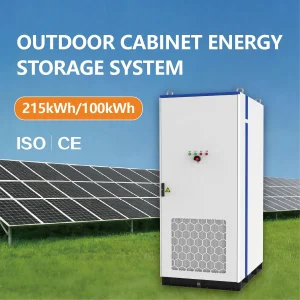
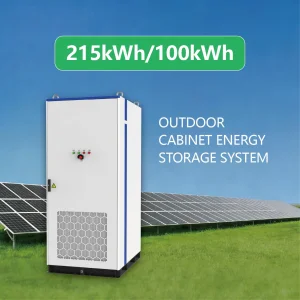
Liquid cooling has become the preferred standard for high-capacity systems (200kWh+ cabinets and multi-megawatt containers). While traditional air-cooling systems are reliable and cost-effective for small-scale operations, they struggle with heat distribution in high-density packs. Liquid cooling provides uniform temperature regulation (with differences maintained within 2-3°C across cells), extending battery lifecycle by up to 20% and reducing internal energy consumption.

2. The Evolution of Chemistry: LFP, Sodium-Ion, and Solid-State

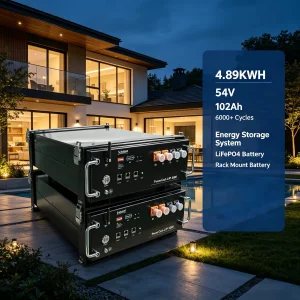
  • Lithium Iron Phosphate (LFP): Remains the industry standard due to its thermal stability and long lifecycle (6,000+ cycles at 80% Depth of Discharge).
  • Sodium-ion (Na-ion): Emerging as a viable alternative for stationary storage in cold climates due to its excellent low-temperature performance and low material costs.
  • Solid-State Battery: The ultimate goal for energy density and safety, expected to enter commercial stationary grids within the decade.

3. AI-Driven Smart EMS & Cloud Monitoring

Hardware is only as good as the software managing it. Modern BESS installations integrate artificial intelligence within the Energy Management System (EMS). By analyzing grid pricing fluctuations, weather forecasts, and historical consumption data, the AI-driven EMS dynamically switches between peak-shaving, self-consumption, and frequency response modes to optimize ROI.

Macro Industry Solutions: Diverse Deployment Scenarios

How utility developers and factory operators utilize energy storage systems to solve real-world grid connection and power quality issues.

Utility-Scale Grid Support
Deploying 20ft and 40ft modular BESS containers to offer primary and secondary frequency control, congestion management, and black-start capabilities to grid operators.
Commercial & Industrial (C&I)
Mitigating expensive peak demand charges via automated load shifting. Integrated systems enable uninterrupted factory operations during local grid drops.
Microgrids & Remote Power
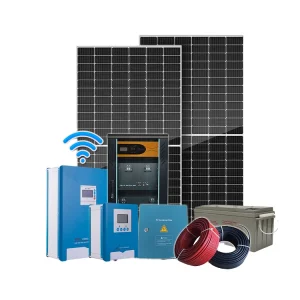
Combining PV solar arrays, diesel generators, and battery storage to power island networks, mining sites, and agricultural areas with stabilized green power.

China Factory 4.0: Supply Chain Resilience & Efficiency Advantages

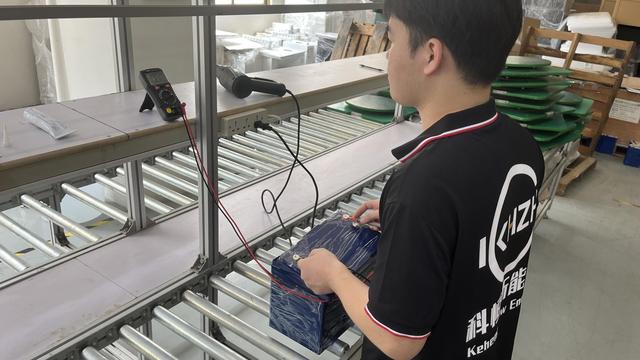
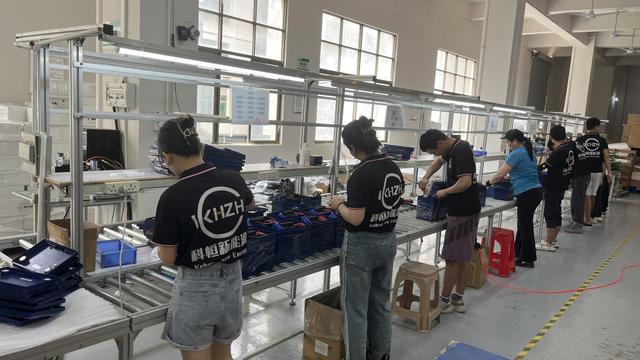
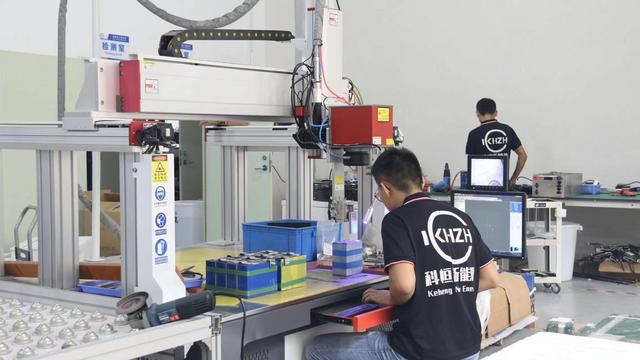
Modern energy storage manufacturing requires high quality and precision. Chinese manufacturing centers leverage advanced automation and integration to lead the global supply chain. In our manufacturing facilities, Industry 4.0 principles are applied to ensure structural safety, cell consistency, and reliable operations.

The manufacturing process is structured to deliver reliable energy storage equipment through:

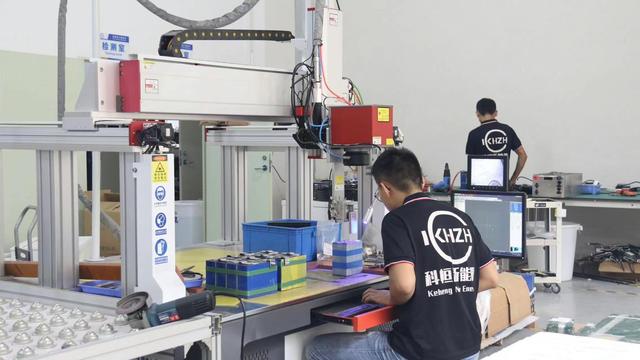
  • Automated Laser Welding & Module Assembly: Minimizes human error and maintains contact resistance below micro-ohm thresholds, preventing localized heating.
  • Cell Balancing & Sorting: Utilizing automated testing systems to sort cells by internal resistance and voltage profiles, ensuring uniform degradation across the pack.
  • Integrated BMS Verification: Running automated hardware-in-the-loop (HIL) testing to verify overcharge, over-discharge, and thermal runaway protocols.

Our integrated manufacturing approach controls everything from raw material processing to final cabinet assembly, reducing lead times and ensuring consistent quality.

Localization Support, Regulatory Compliance, and Standards

Navigating global grid codes requires compliance with international standards. To ensure safety and simplify commissioning, our energy infrastructure equipment complies with key global certifications:

Certification Target Market Regulatory Focus Compliance Level
UL 9540 / UL 9540A North America Thermal runaway fire propagation test for BESS systems Fully Certified (Pack & System Level)
CE / IEC 62619 Europe / International Safety requirements for secondary lithium cells and batteries Fully Certified
UN 38.3 Global Transportation Safety testing for the transport of lithium-ion batteries Fully Compliant
IEEE 1547 / G99 US / UK Grid Interconnection requirements for distributed energy resources Inverter & EMS Compliant

In addition to regulatory certification, our local support networks provide EPC contractors and project managers with site planning, remote commissioning support, and rapid component replacement, helping minimize project downtime.

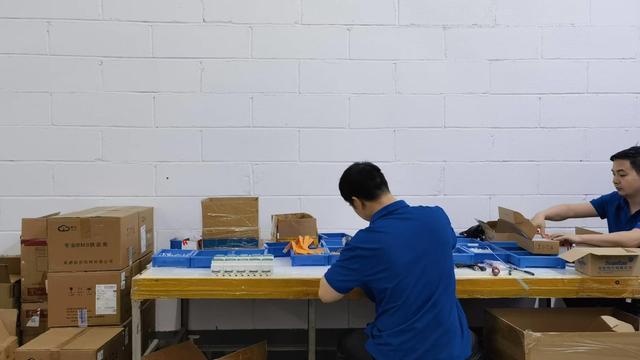
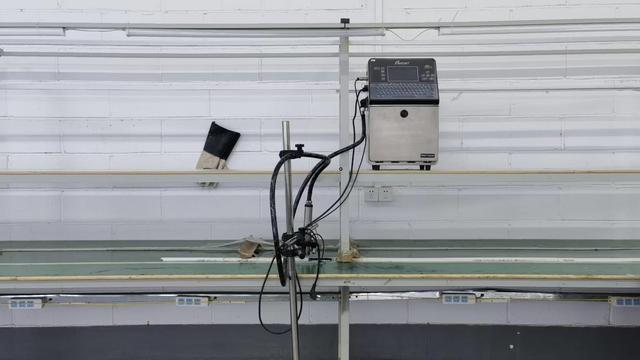
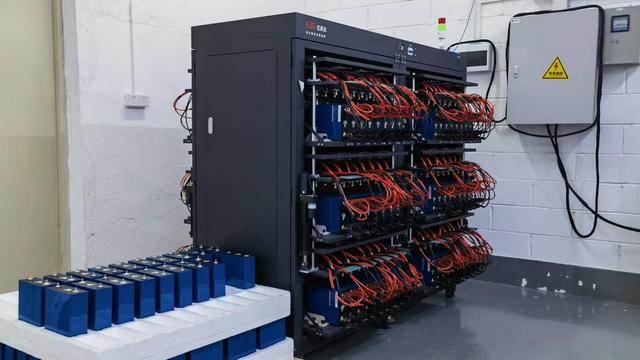
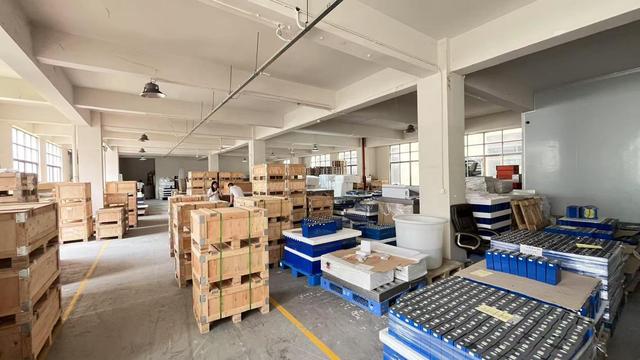
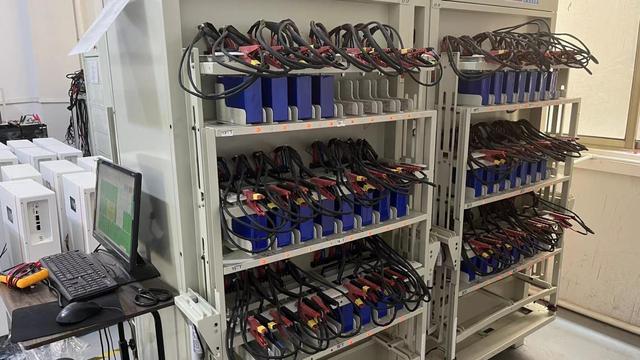
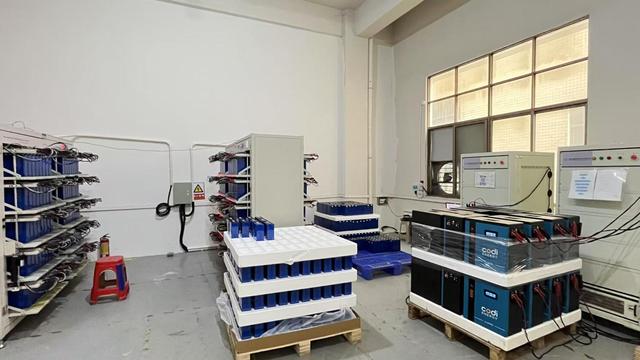
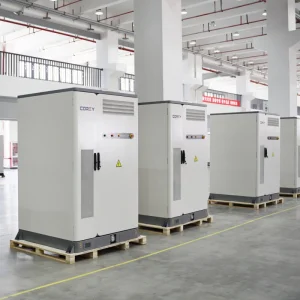
CCSC Energy Production Base & Quality Control Systems

A look inside our advanced manufacturing lines, quality control testing bays, and warehouse logistics operations.

Technical FAQ: Key Inquiries from Utility & C&I Procurement Teams

Answers to technical, regulatory, and mechanical questions about deploying and operating large-scale energy storage systems.

What is the expected operating lifespan and cycle performance of LFP energy storage systems?
Modern stationary LFP (Lithium Iron Phosphate) cells typically achieve 6,000 complete charge/discharge cycles at 80% Depth of Discharge (DOD) before capacity degrades to 70% of its initial rating. Under stable temperature controls (maintained via liquid cooling systems at 20-25°C), this yields a service life of 12 to 15 years in daily cycling applications.
How do liquid-cooled systems compare to air-cooled systems regarding auxiliary power draw?
Liquid cooling systems require pumps and chillers, which can draw slightly more auxiliary power during low-load periods compared to basic fans. However, under high C-rate operation, liquid cooling is more efficient. By preventing localized hotspots, it maintains consistent cell temperatures with less overall cooling energy, resulting in a lower net parasitic load.
What fire suppression technologies are integrated into containerized BESS installations?
Multi-level fire suppression is standard. At the cell level, materials prevent thermal propagation. At the enclosure level, systems feature gas detection (identifying off-gassing before temperatures rise), aerosol fire extinguishing agents (such as Stat-X or Novec 1230), and dry pipe sprinkler connections as a final backup.
How does the EMS manage peak shaving and dynamic frequency response?
The Energy Management System (EMS) monitors grid frequency and site demand continuously. For peak shaving, the system discharges stored energy when consumption reaches a preset threshold, lowering demand charges. For frequency response, it monitors grid deviation and responds within milliseconds by charging or discharging to help stabilize the network.