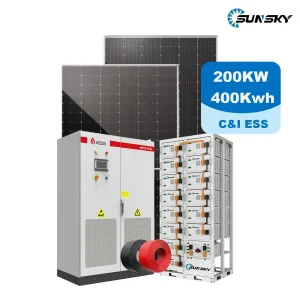
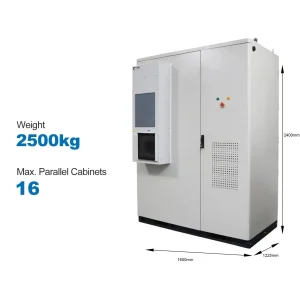
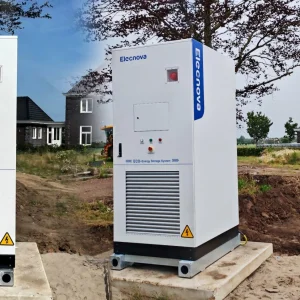
Explore our top-performing battery modules, integrated solar configurations, and commercial powerpack containers deployed globally.
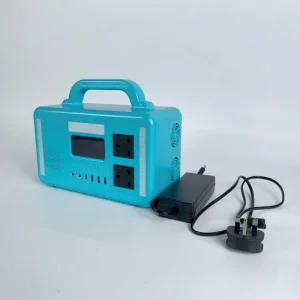
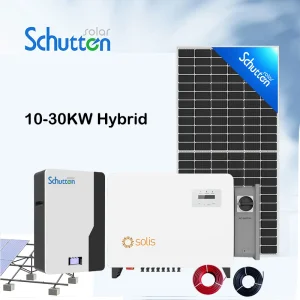
Evaluating technical architectures, round-trip efficiency (RTE), and global deployment potentials.
LiFePO4 remains the absolute industry gold standard for stationary energy storage due to its exceptional thermal runaway limit (approx. 270°C) and robust cycle lifetime of up to 6000-8000 cycles at 80% Depth of Discharge (DoD). Unlike Nickel Manganese Cobalt (NMC), LFP chemistry carries no risk of oxygen release during thermal stress, offering a reliable backbone for commercial, industrial, and residential applications requiring decade-long lifetimes.
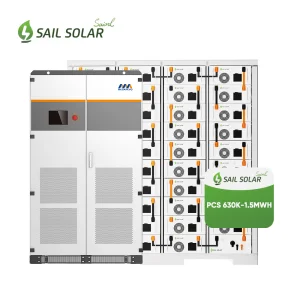
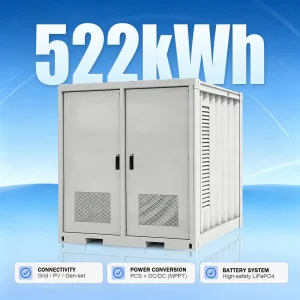
Liquid cooling technology uses a circulating water-glycol coolant matrix directly adjacent to battery cells, maintaining a cell-to-cell temperature differential (Delta T) below 2°C. In comparison with traditional air cooling, liquid-cooled systems reduce parasitic power draw by up to 30% and improve energy density per square meter by 40%, making them highly suitable for multi-megawatt utility installations in challenging climates.
A Power Conversion System (PCS) operates as the dynamic brain of hybrid microgrids. Using bidirectional IGBT modules, these systems convert DC power from PV arrays and battery banks to grid-compliant AC. Advanced grid-forming algorithms enable seamless transitions (less than 10 milliseconds) between grid-tied and islanded modes, preventing downtime for critical commercial operations during primary grid failure.
Sodium-ion represents the next-generation alternative to lithium resource constraints. While Na-ion batteries present slightly lower energy densities (140-160 Wh/kg), they offer outstanding performance down to -30°C and utilize abundant, low-cost sodium precursors. This technology is quickly moving from pilot setups to commercial configurations for microgrids and base station backups.
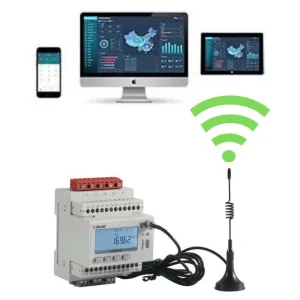
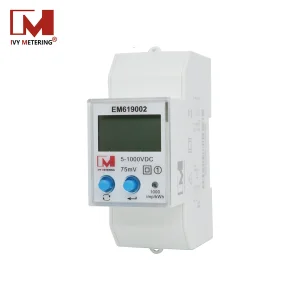
Modern EMS platforms integrate remote telemetry hardware (such as Acrel ADW300 series three-phase meters) with cloud dashboards via Modbus, 4G, or LoRaWAN protocols. This allows facilities to track energy flows in real time, auto-dispatch battery reserves to offset peak tariffs, and run automated health diagnostics (State of Health - SoH, State of Charge - SoC) on cell arrays.
Vanadium redox flow systems separate capacity (determined by electrolyte tank volume) from output power (determined by the stack size). They are perfect for long-duration energy storage (LDES) requiring 8 to 24 hours of sustained discharge. VRFB exhibits zero calendar degradation and can operate for over 25 years with minimal stack maintenance, though they demand a larger initial physical footprint.
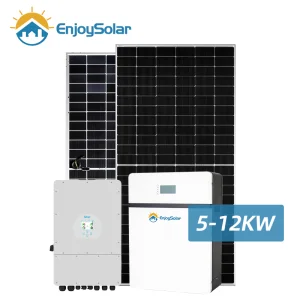
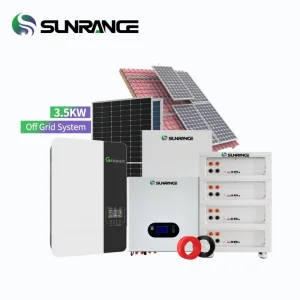
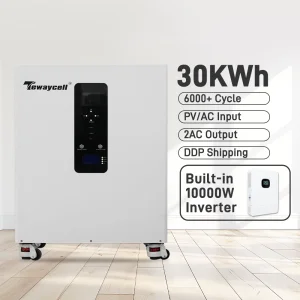
Unlike traditional low-voltage (48V) systems, modern residential units use stackable high-voltage (200V-400V+) modules connected in series. This reduces DC current transmission losses, allows the use of thinner and more affordable wiring, and yields system-level round-trip conversion efficiencies of over 95% when integrated with high-efficiency hybrid string inverters.
By pairing lithium-ion cell matrices with high-power supercapacitors, hybrid systems can easily handle ultra-fast, high-current peaks (such as starting heavy industrial motor drives) without stressing the primary chemical cells. This prevents localized micro-heating in the lithium layers, extending the overall life of the battery pack by up to 25%.
Solid-state technology replaces liquid electrolytes with solid ceramic or polymer layers, eliminating the risk of leakage and thermal runaway. Offering energy densities exceeding 400 Wh/kg, solid-state configurations represent the next major evolution for safety-critical indoor installations and compact containerized utility systems.
Flywheels store energy kinetically in high-speed rotating rotors suspended inside vacuum chambers by magnetic bearings. Although their energy density is low, flywheels provide instantaneous power response and infinite cycling capabilities, making them highly effective for localized frequency regulation and transient grid support.
How integrated manufacturing networks and raw material dominance drive performance and cost efficiency.
China processes over 70% of the world's lithium, cobalt, and graphite. Direct access to high-purity precursors guarantees that factories like CCSC Energy can maintain consistent material quality and secure supply channels even during market fluctuations.
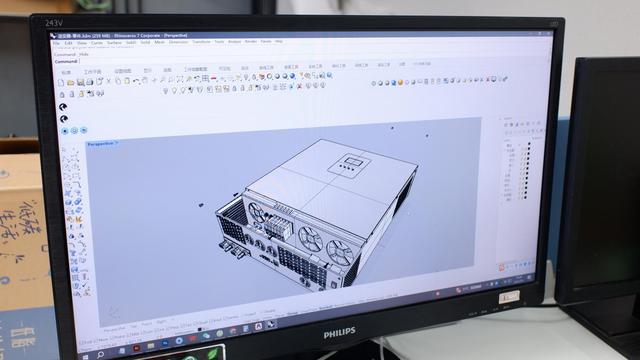
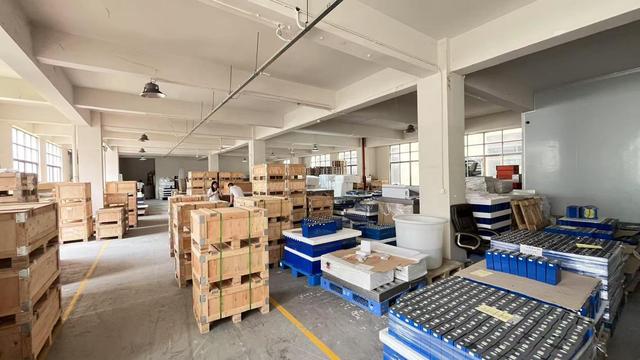
From cell fabrication and smart BMS coding to custom sheet metal enclosures, all steps are completed within regional industrial clusters. This cuts out international component transport times, ensures strict design tolerances, and speeds up time-to-market.
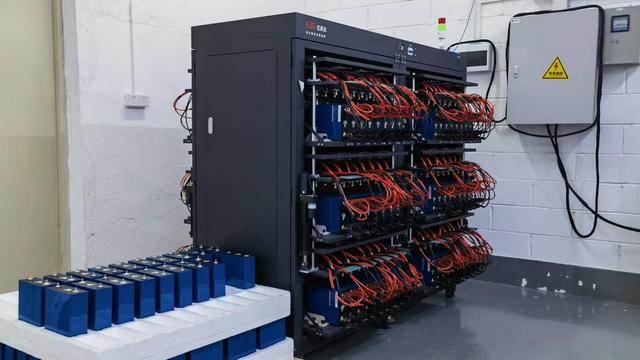
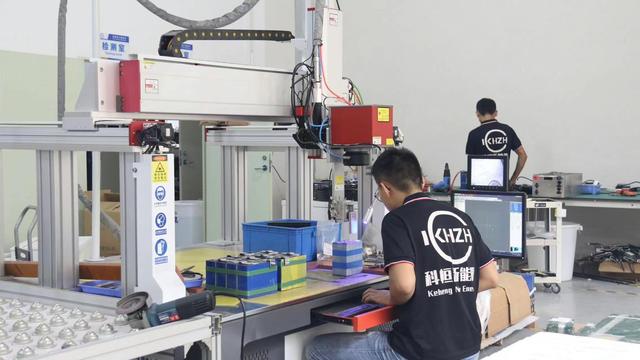
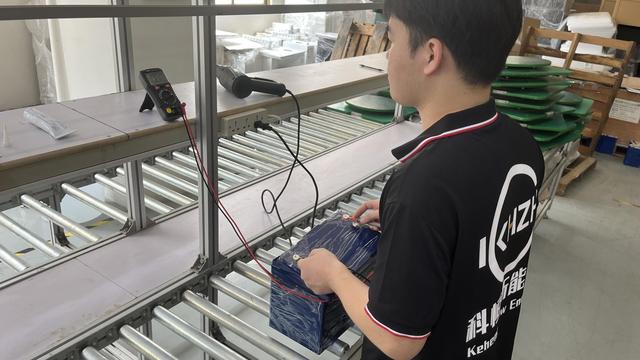
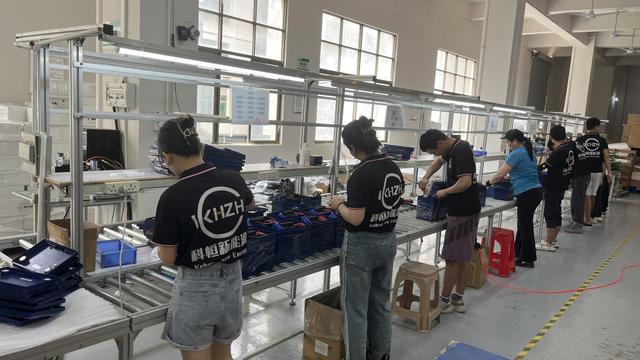
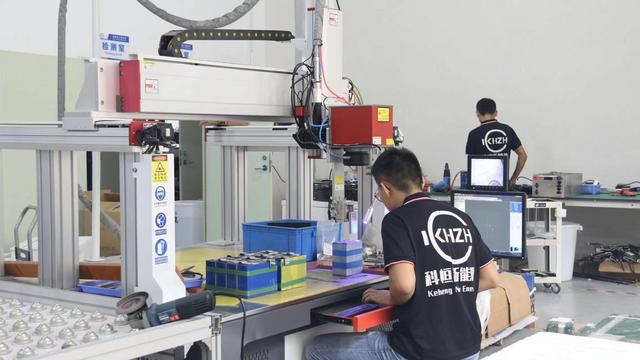
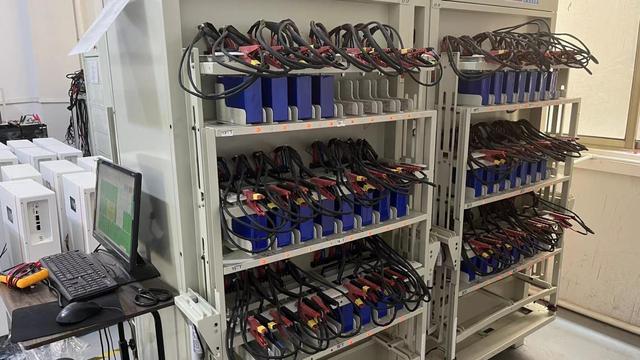
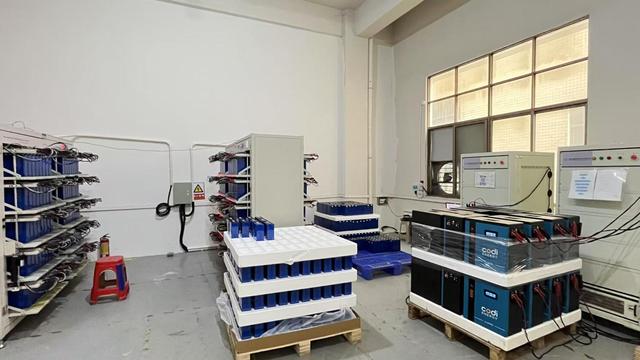
Automated assembly lines feature robotic sorting to ensure cell voltage deviations stay under 2mV and internal resistance stays within 0.2mΩ. This high level of precision maximizes battery pack cycle life and safety profiles.
CCSC Energy Production Advantage: Operating from Hangzhou, China's e-commerce and high-tech center, CCSC Energy combines advanced manufacturing practices with a streamlined logistics network. This makes it possible to quickly deliver custom-configured containerized BESS and residential systems to key ports worldwide.
Meeting strict international regulatory standards and providing on-the-ground support for smooth system authorization.
Deploying energy storage systems globally requires adhering to strict safety and grid compliance standards. At CCSC Energy, our products are engineered to satisfy and exceed regional requirements:
To minimize downtime, we provide dual-layer support services:
Key metrics for utility developers, EPC contractors, and industrial procurement managers.
When reviewing technical submissions for large BESS installations, procurement leads must prioritize the following metrics to ensure system reliability and project bankability:
LCOS measures the cost per MWh of delivered energy over the system lifetime. It accounts for upfront CAPEX, O&M costs, round-trip efficiency, and system degradation rates.
BESS enclosures must feature multi-level protection, including automatic gas detection, clean agent fire suppression (such as Novec 1230 or Aerosol), and physical venting to prevent pressure build-up.
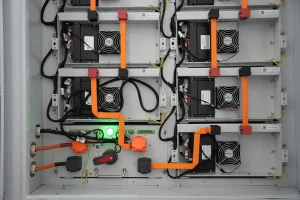
A high-quality three-tier BMS manages balance, voltage limits, and thermal parameters at the cell, module, and system rack levels, preventing localized overcharging issues.
Your Partner in Advanced Grid Integration, Battery Safety, and Smart Energy Management.
Hangzhou CCSC Energy Co., Ltd. is a professional Energy Storage System Manufacturer specializing in battery energy storage, renewable power integration, and smart energy solutions for residential, commercial, industrial, and utility-scale applications. Based in Hangzhou, China, the company focuses on developing advanced energy storage technologies that help customers improve energy efficiency, enhance power reliability, and support the transition toward sustainable energy systems.
With expertise in energy storage engineering and system integration, CCSC Energy provides comprehensive solutions covering battery energy storage systems (BESS), renewable energy storage integration, commercial and industrial energy storage, backup power systems, microgrid applications, distributed energy infrastructure, and intelligent energy management platforms. Its solutions are designed to support a wide range of applications, including solar energy utilization, peak demand management, grid stabilization, emergency power supply, and energy cost optimization.
The company is committed to delivering safe, efficient, and scalable energy storage solutions tailored to the needs of modern energy users. Its engineering team works closely with customers, project developers, EPC contractors, and energy service providers to design systems that align with specific operational requirements, performance objectives, and regulatory standards. From project planning and system design to manufacturing and technical support, CCSC Energy offers comprehensive services throughout the project lifecycle.
Equipped with advanced manufacturing facilities and stringent quality management processes, the company emphasizes product reliability, operational safety, and long-term performance. Continuous investment in research and development enables CCSC Energy to integrate intelligent monitoring technologies, advanced battery management systems, and smart energy control platforms into its solutions.
Serving customers across Asia, Europe, North America, South America, the Middle East, and other global markets, Hangzhou CCSC Energy Co., Ltd. is dedicated to providing innovative energy storage solutions that support renewable energy adoption, strengthen power resilience, and contribute to a more efficient and sustainable energy future.
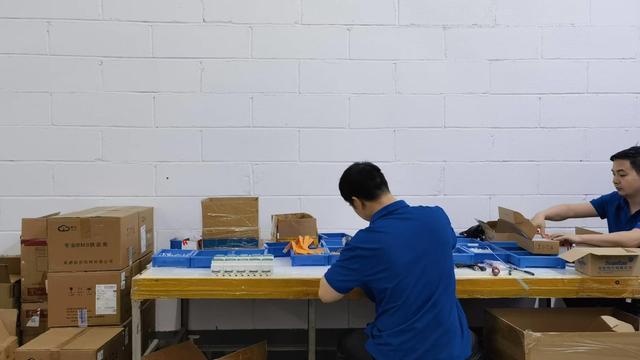
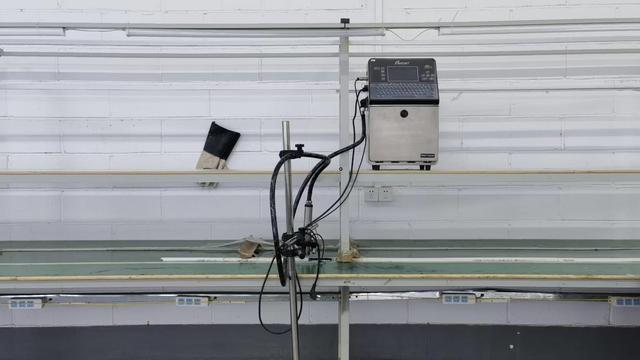
Common integration, operation, and safety questions answered by our system engineering team.
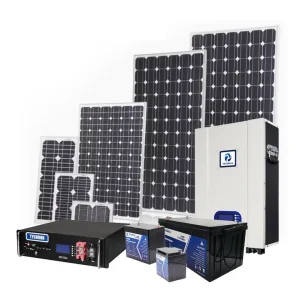
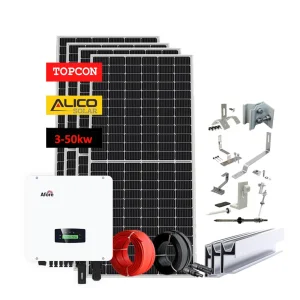
Discover our technical components, high-voltage battery cabinets, and advanced monitoring meters.
 CCSC Energy