CCSC Energy
1 / 5
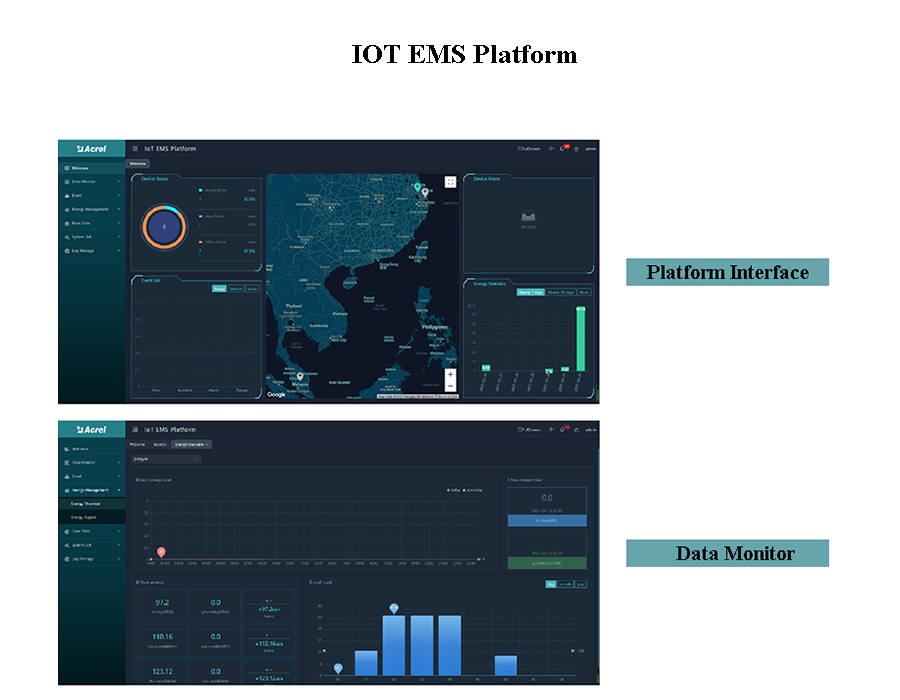
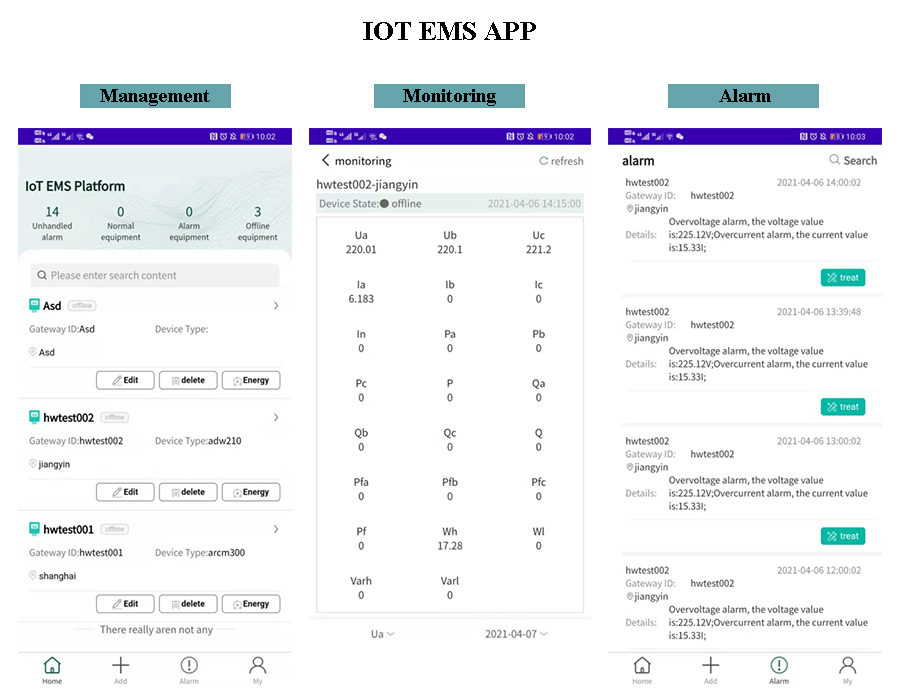
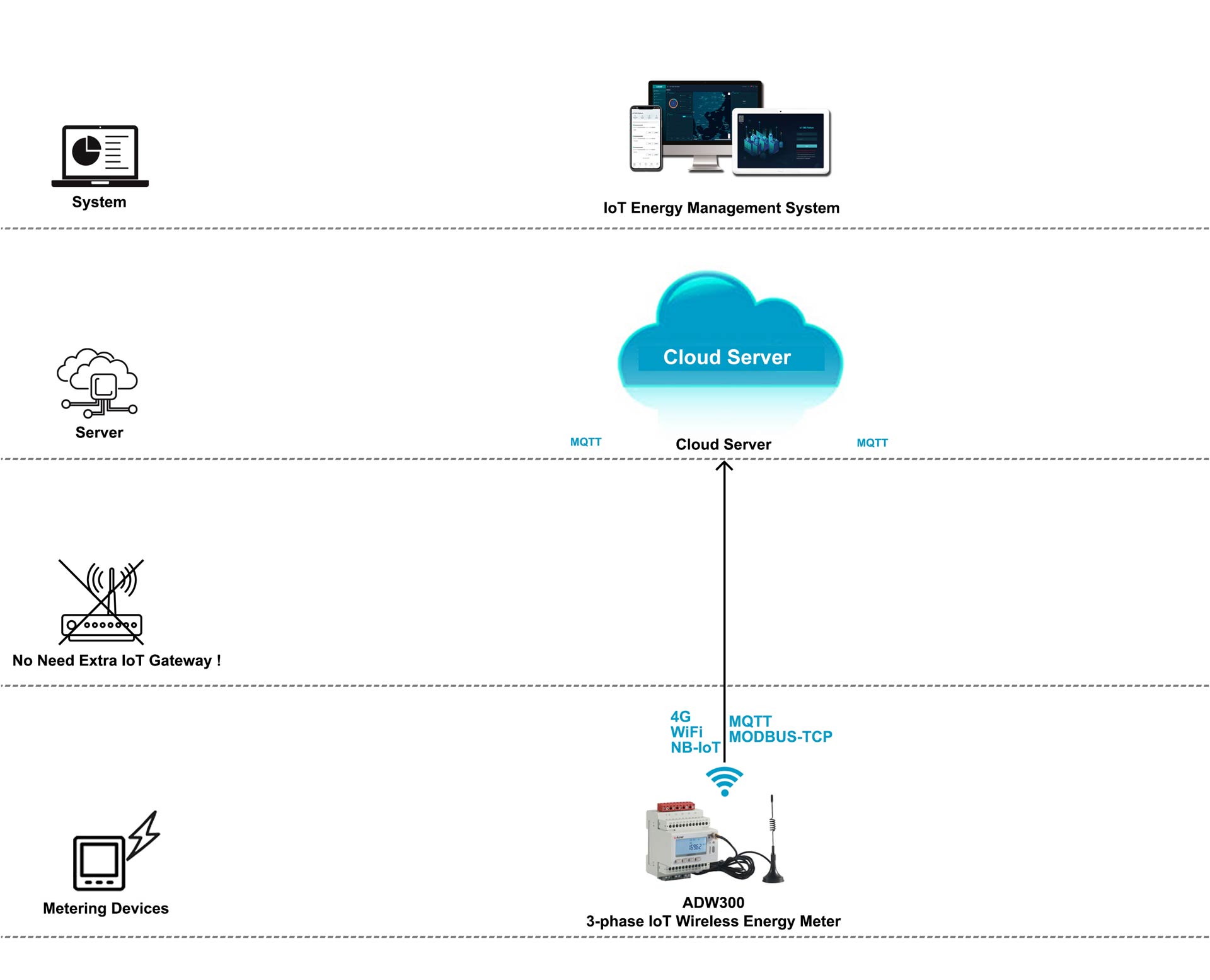
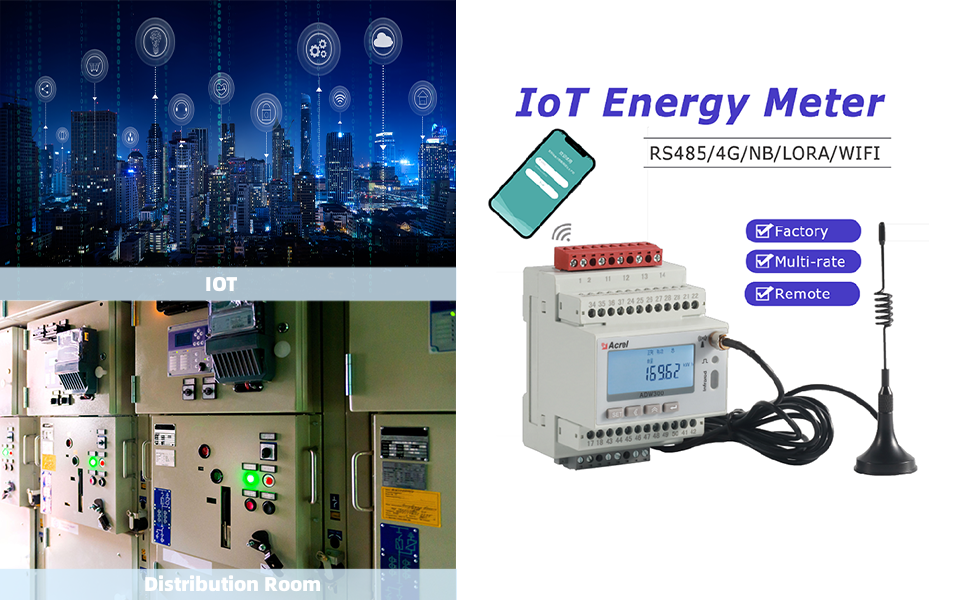
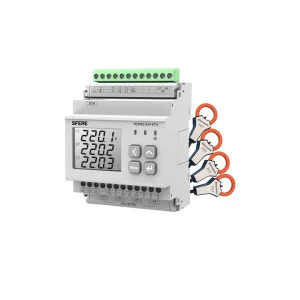
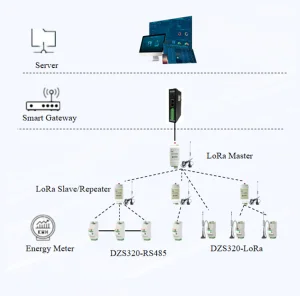
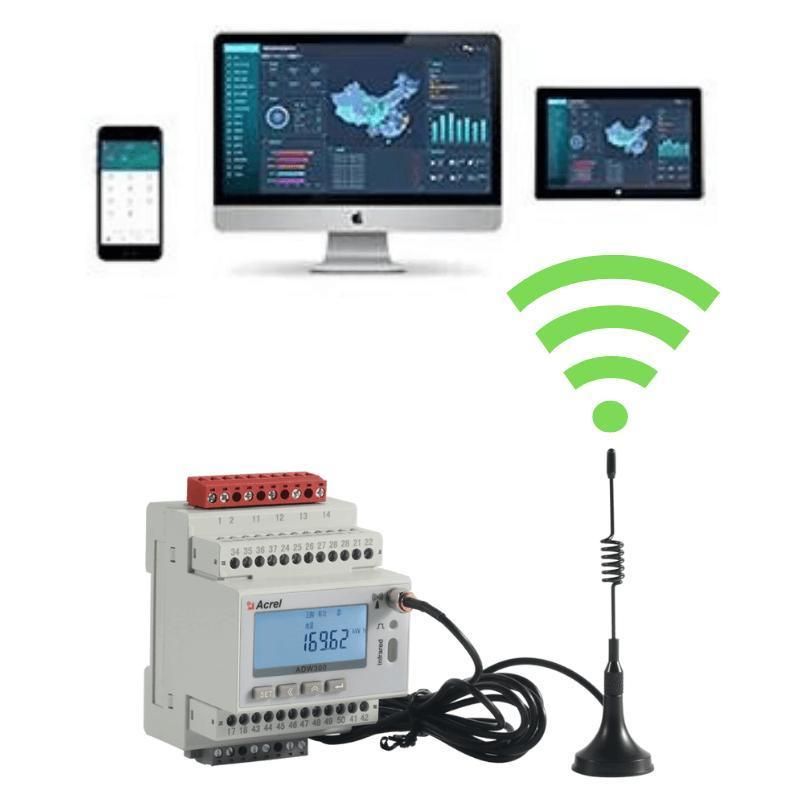
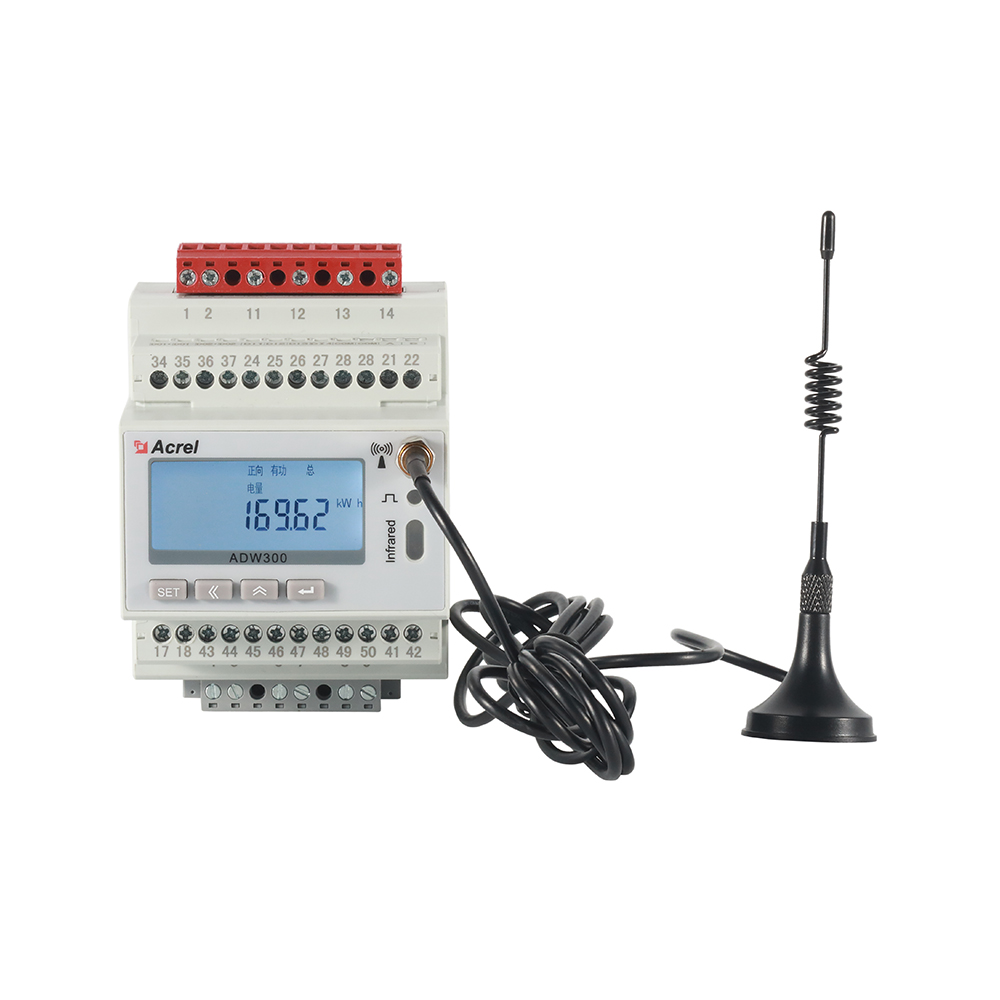
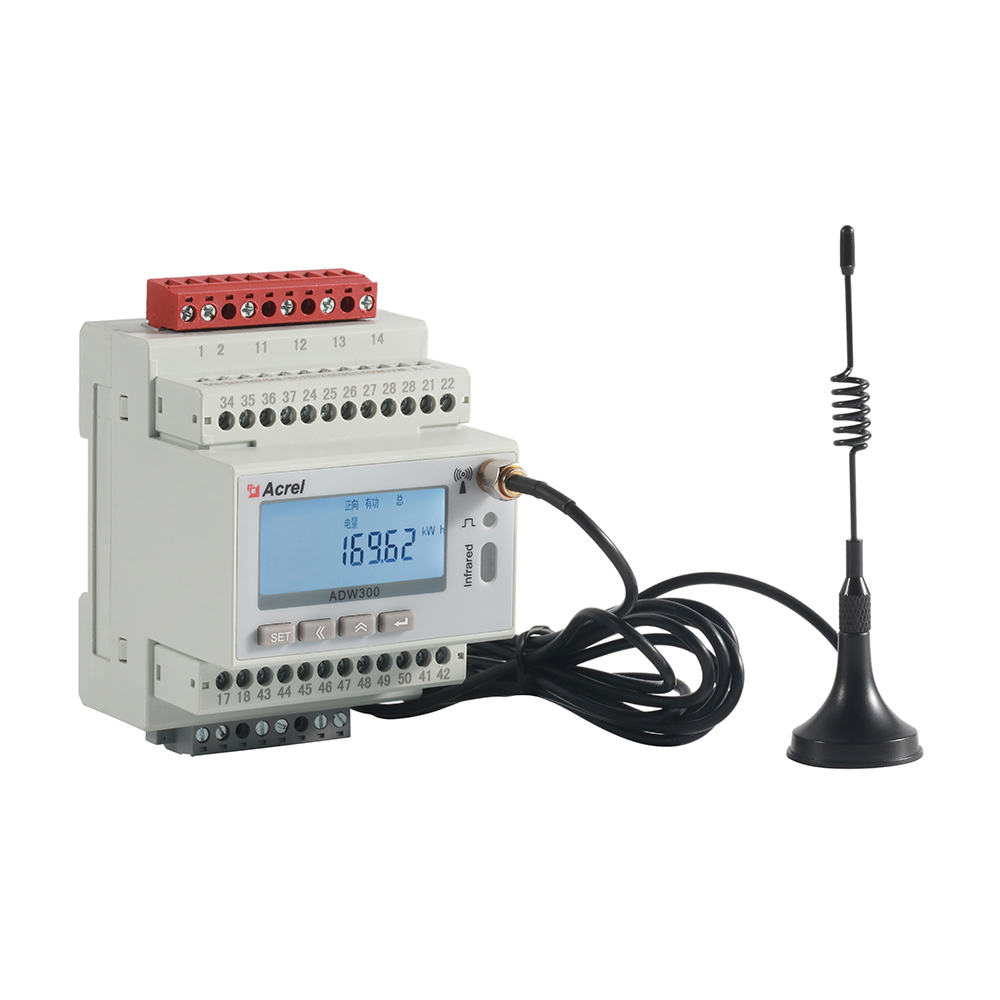
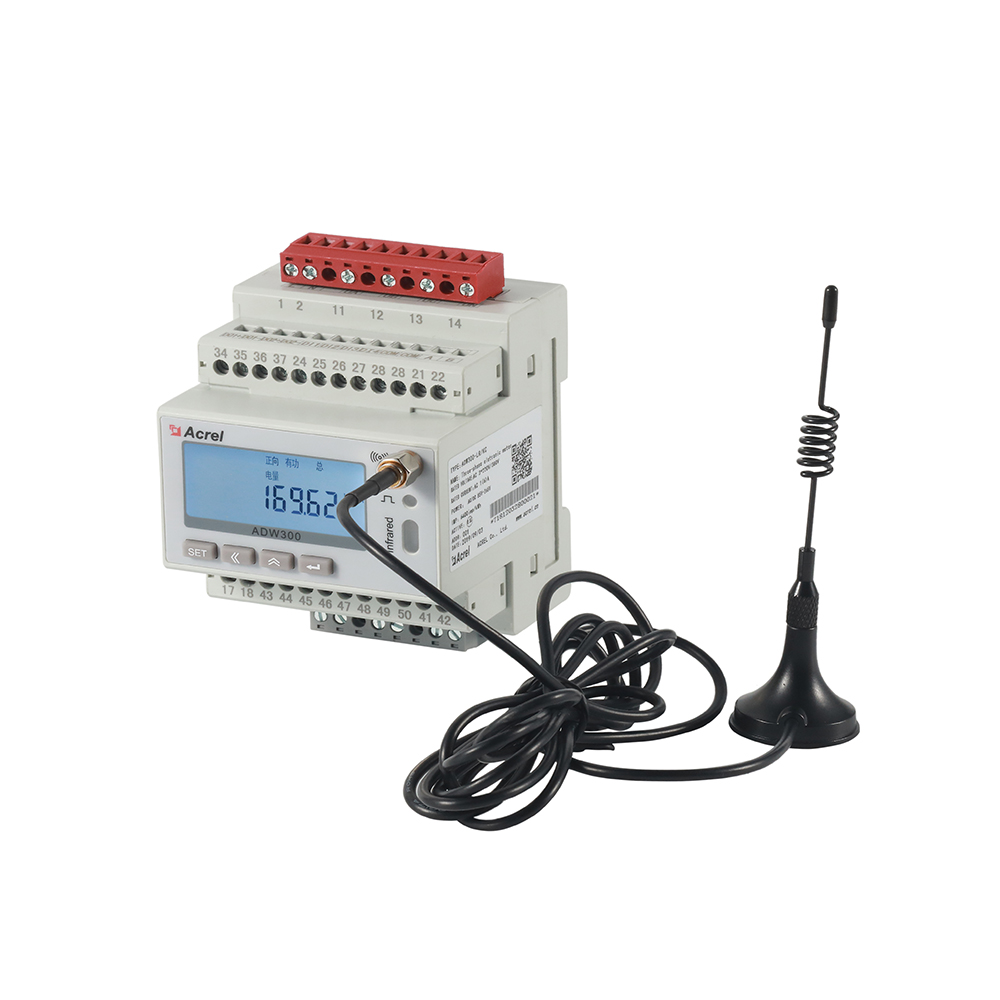
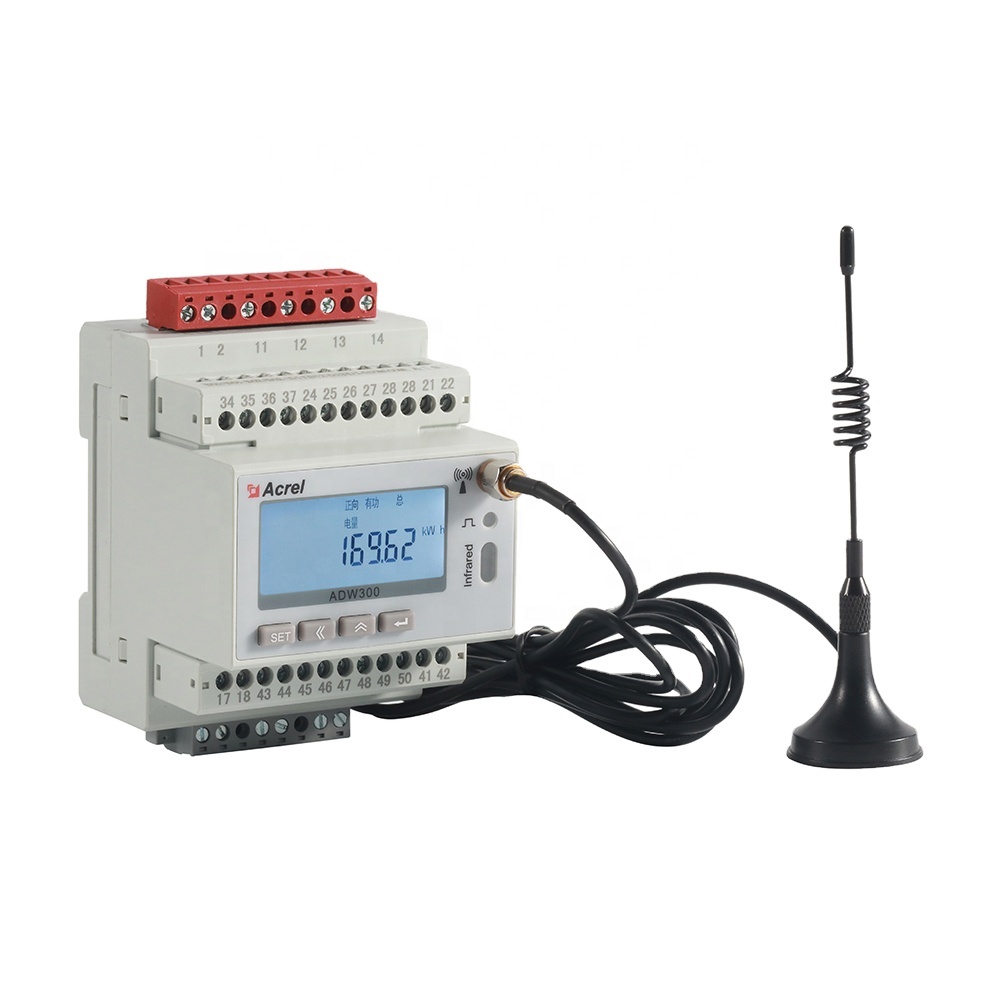
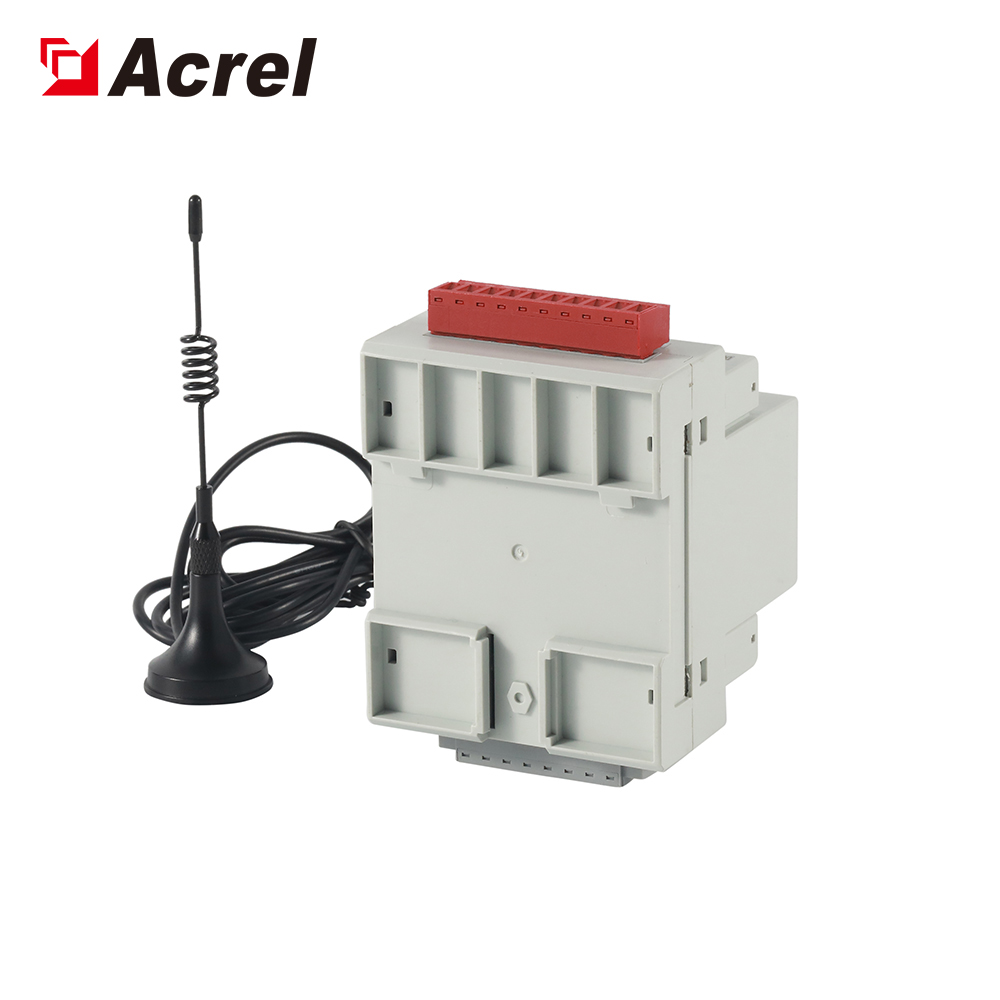
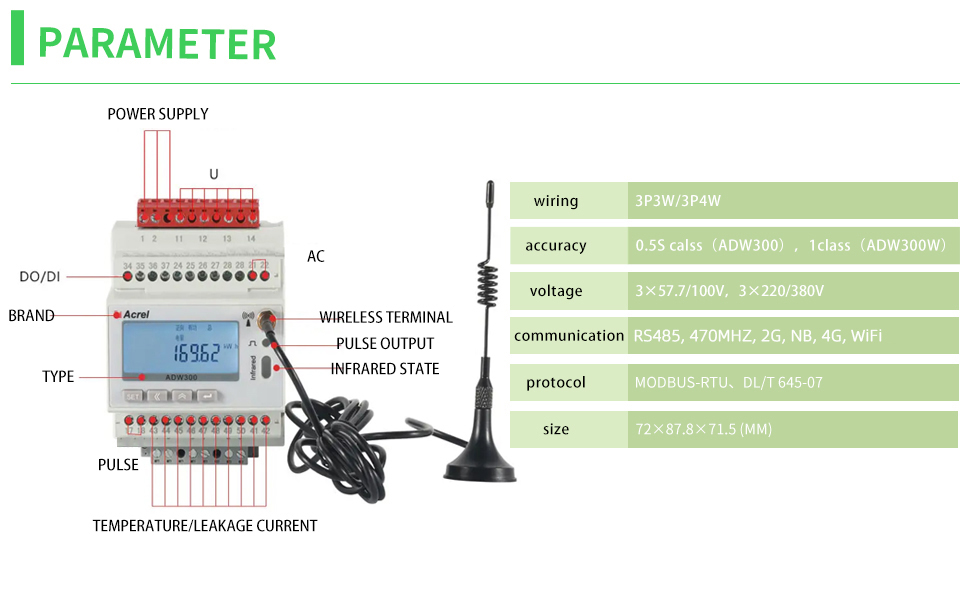
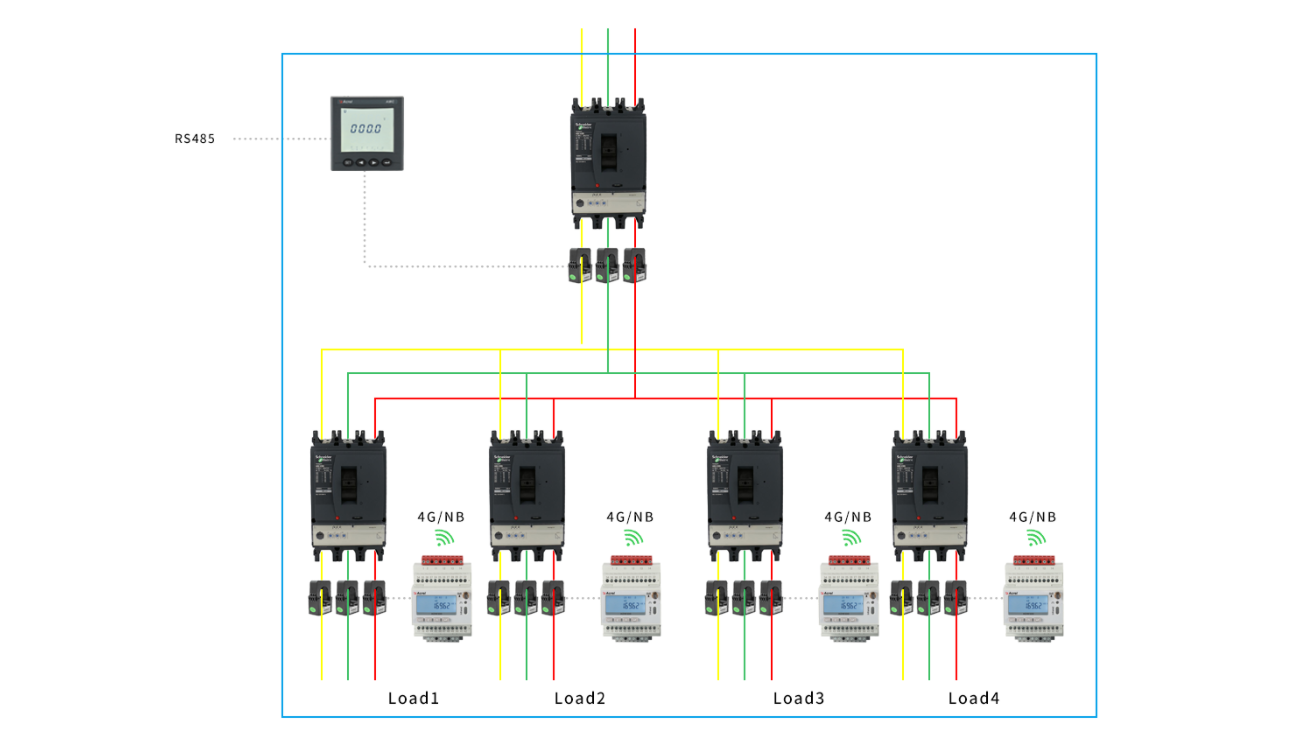
ADW300 wireless meter is mainly used to measure three-phase active power in low-voltage network. It has the functions of RS485 communication and 470MHz wireless communication. It is convenient for users to monitor, collect and manage electricity. It can be flexibly installed in the distribution box to realize the measurement, statistics and analysis of individual electric energy in different regions and loads.
| Parameter Item | Detailed Specifications | |||
|---|---|---|---|---|
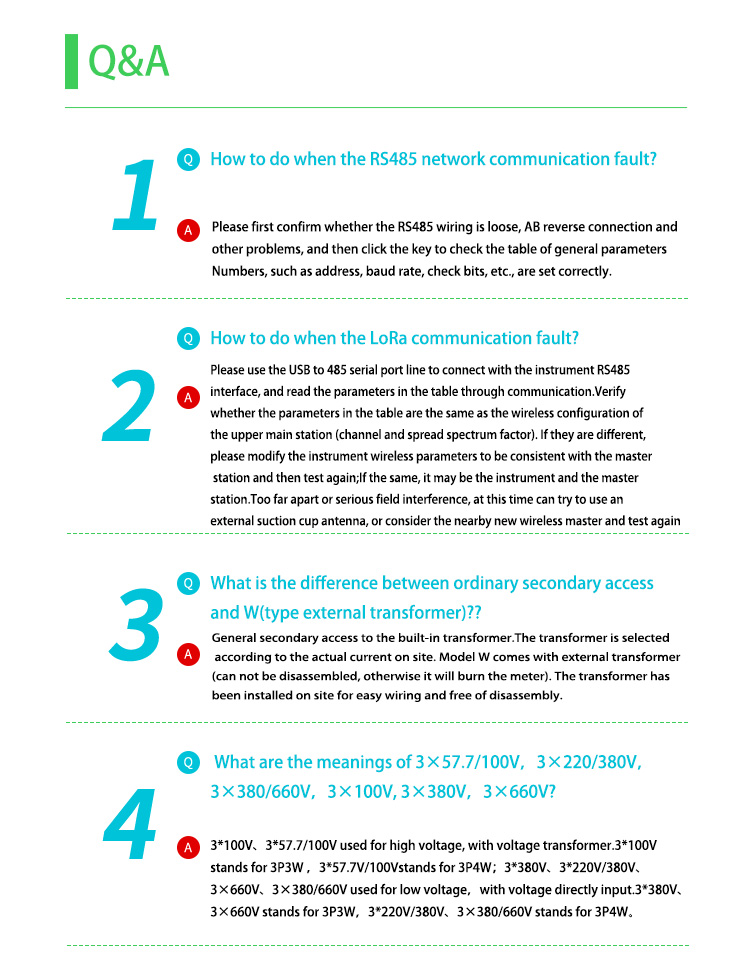
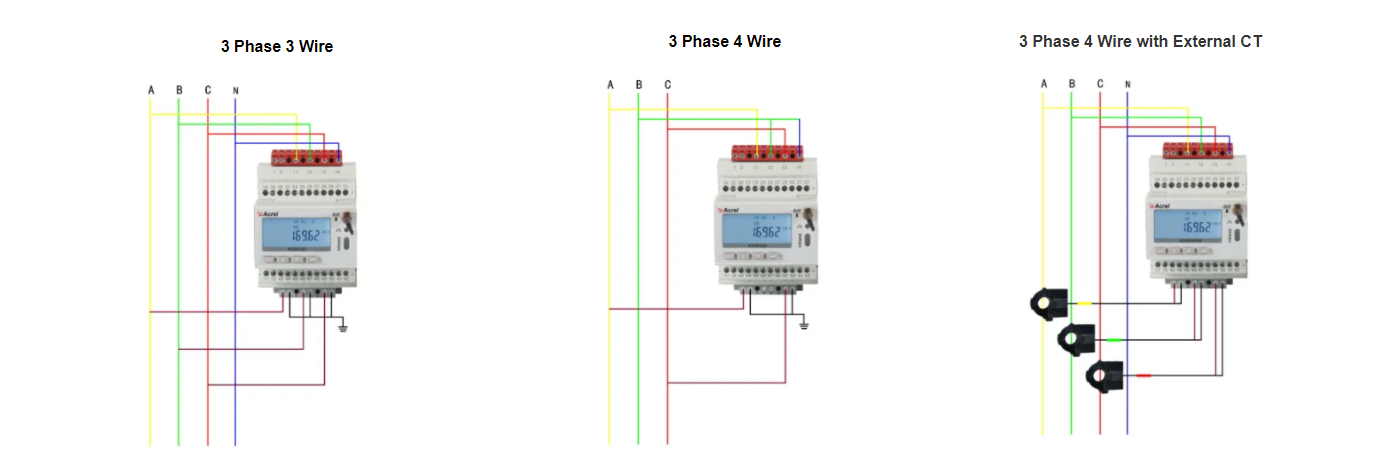
| Voltage input | Rated voltage | 3×57.7/100V, 3×220/380V, 3×380/660V, 3×100V, 3×380V, 3×660V | ||
| Reference frequency | 50Hz | |||
| Power consumption | Each phase <0.5VA | |||
| Current input | Input current | 3×1(6)A, 3×1(6)A (ADW300W), 3×20(100)A (ADW300W) | ||
| Starting current | 1‰ Ib (Class 0.5S), 4‰ Ib (Class 1) | |||
| Power consumption | Each phase <1VA | |||
| Auxiliary power supply | Power supply | AC 85~265V | ||
| Power consumption | <2W | |||
| Measurement performance | Standard | GB/T17215.322-2008, GB/T17215.321-2008 | ||
| Active power accuracy | Class 0.5S (ADW300), Class 1 (ADW300W) | |||
| Temperature accuracy | ±2°C | |||
| Pulse | Pulse length | 80±20ms | ||
| Pulse constant | 6400imp/kWh, 400imp/kWh | |||
| Communication | Wireless | 470MHz wireless transmission, open space distance: 1km, 2G, NB | ||
| Infrared communication | Fixed baud rate 1200 | |||
| Interface | RS485 (A, B) | |||
| Medium | STP | |||
| Protocol | MODBUS-RTU, DL/T 645-07 | |||
| Temperature range | Work temperature | -25°C ~ 55°C | ||
| Storage temperature | -40°C ~ 70°C | |||
| Humidity | ≤95% (no condensation) | |||
| Altitude | <2000m | |||
| Function | Function Declaration |
|---|---|
| Display | LCD (Digital) |
| Electricity metering | Active power metering (positive and reverse), four-quadrant reactive power |
| Electrical measurement | U, I, PF, F, P, Q, S |
| Harmonic function | Total harmonic content and times harmonic content (2 ~ 31st) |
| Pulse output | Active pulse output |
| Three-phase imbalance | Voltage and current imbalance |
| Temperature measurement function | A, B, C, N four channel Temperature Measurement (Optional T) |
| DI/DO | 4DI, 2DO (Optional K) |
| Residual current | 1 residual current measurement (Optional L) |
| LED indicator | Pulse indicator |
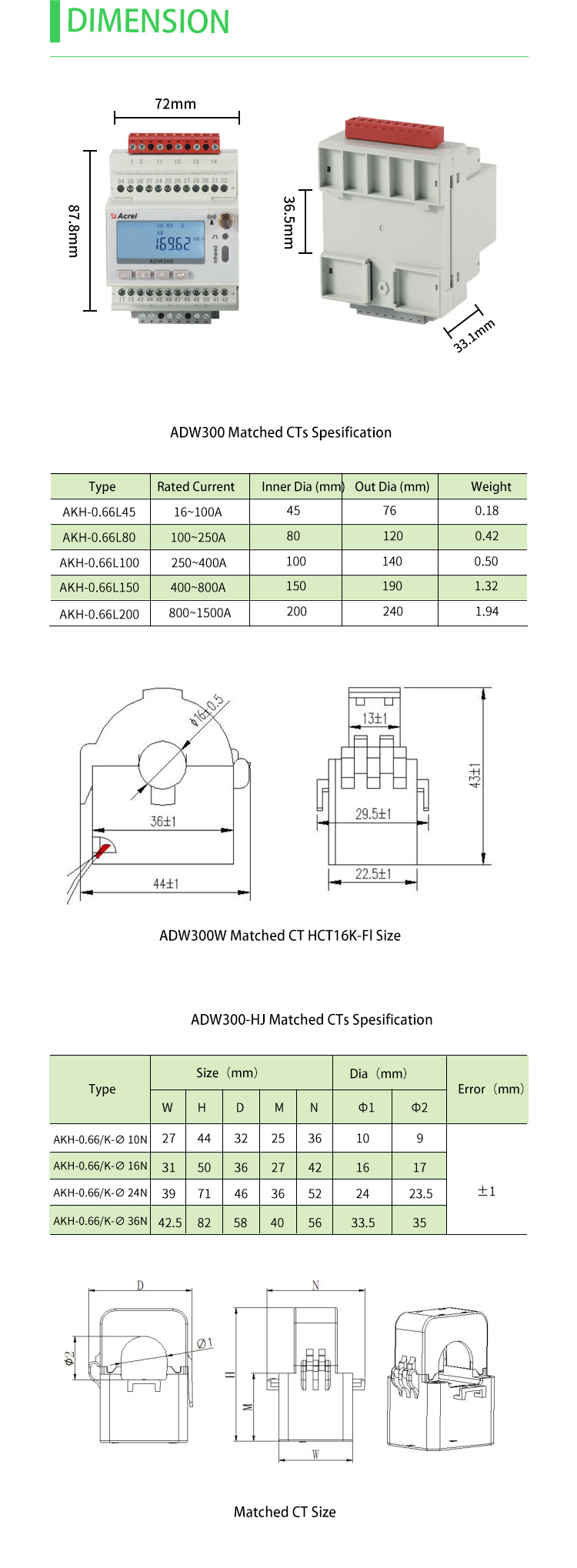
| External transformer | External split core transformer (optional W) |
| Electric reference alarm | undervoltage, overvoltage, undercurrent, underload, etc. |
| Communication | Infrared communication |
| RS485 Interface (Optional C) | |
| 470MHz Wireless transform (Optional LR) | |
| GPRS Wireless communication (Optional 2G) | |
| NB-IOT Wireless communication (Optional NB) | |
| 4G Wireless communication (Optional 4G) |


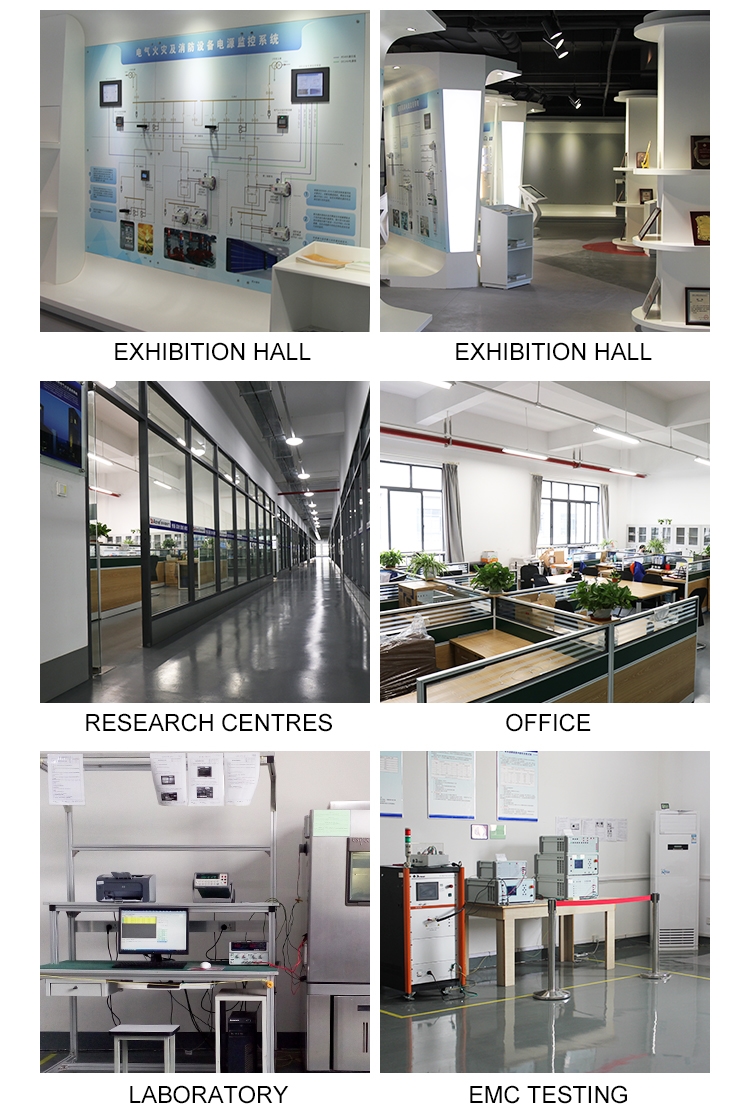
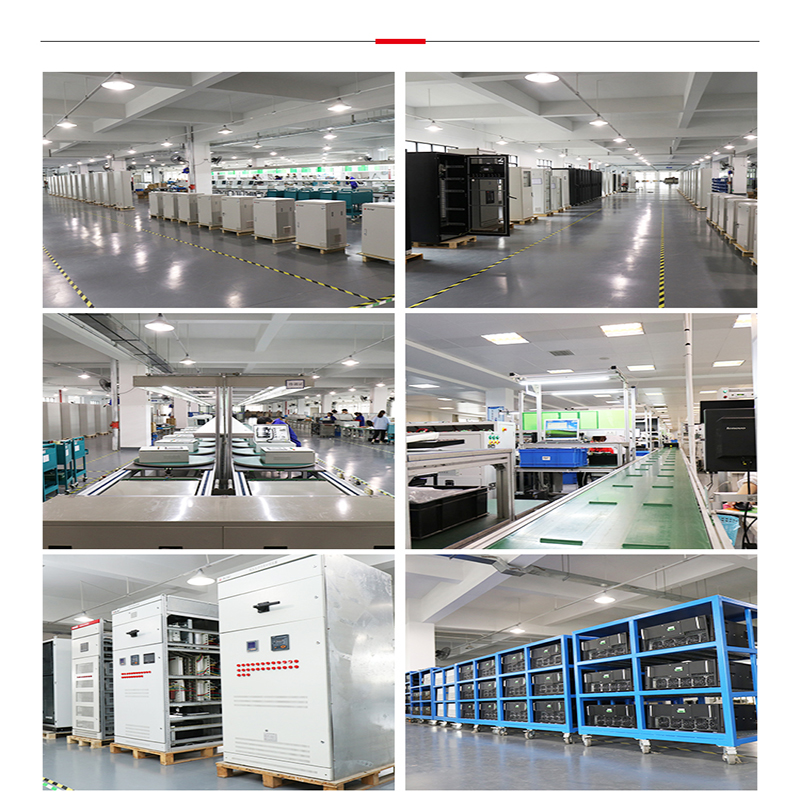
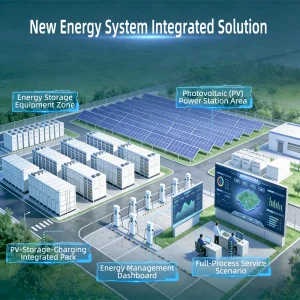
The manufacturer is a high-tech enterprise integrating R&D, production, sales, and service, committed to providing users with comprehensive energy efficiency management and power security system solutions. The production facility features a complete production line spanning from cloud platform software to precision sensors. Currently, thousands of customized solutions are operational globally, enabling clear visual monitoring of energy consumption, analytical energy data services, and reliable safety maintenance.
The standard energy efficiency management architecture includes substation operations and maintenance systems, electrical safety monitoring, environmental device consumption management, prepaid cloud platforms, smart distribution systems, power quality control, building energy administration, and smart EV charging infrastructures.