Explore our premium wholesale catalog of state-of-the-art battery storage cabinets, off-grid kits, and high-voltage energy systems engineered to strict global safety protocols.
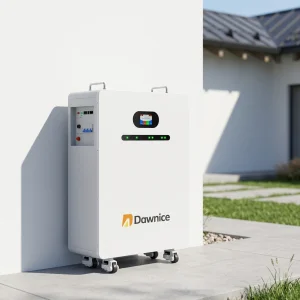
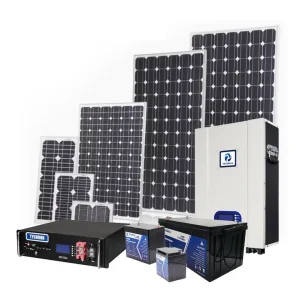
Analysing the intersection of international grid demands, commercial operational pressures, and the role of specialized Chinese engineering in securing robust clean-energy supply chains.
The global energy paradigm is experiencing a fundamental structural shift. Industrial and commercial enterprises are transitionally pivoting away from traditional dispatchable coal-and-gas electricity structures towards decentralized, sustainable power grids. In this context, sustainable power supplies—most notably Battery Energy Storage Systems (BESS) and smart power control networks—no longer serve merely as auxiliary emergency reserves. They are now foundational assets driving operational continuity, grid stabilization, dynamic load management, and Levelized Cost of Energy (LCOE) optimization.
Under international ESG directives and intensifying national decarbonization policies, commercial centers, heavy industries, utility corporations, and municipal grids require highly resilient, long-lifecycle power infrastructures. Historically, global supply chains suffered from disjointed supply ecosystems, where system engineering, component integration, and software controllers were split among disjointed developers. China's emergence as the premier global manufacturer of sustainable power units directly addresses this inefficiency. By co-locating battery chemistry innovation, structural engineering, precision liquid thermal systems, and microgrid software architectures, Chinese industrial hubs offer unprecedented cost efficiencies, technical cohesiveness, and speed-to-market.
From the cold storage centers of Northern Europe to remote microgrids in South America, sustainable power supplies are being integrated to mitigate rising demand charges and power quality volatility. The introduction of heavy-load EV charging networks, industrial automation, and sensitive smart agriculture facilities demands power supply topologies that can instantaneously absorb transient surges and deliver clean, high-precision sine waves without relying on diesel backup generators.
Providing essential ancillary services including frequency response, voltage support, and synthetic inertia during heavy industrial operations and high renewable penetration periods.
Charging storage units during off-peak windows when utility tariffs are low, and discharging during peak periods to dramatically reduce demand charges.
Equipping critical facilities with self-contained energy units to re-energize localized systems immediately after a primary utility grid failure.
An in-depth look at cell chemistry standards, thermal management strategies, and intelligent system designs driving modern energy storage.
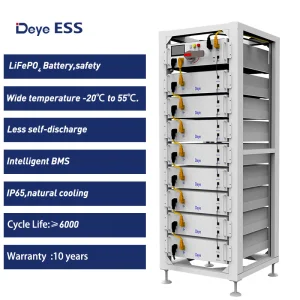
To design a sustainable power system that performs reliably for 15+ years, engineering teams must evaluate three core pillars: cell chemistry longevity, structural thermal management, and algorithmic safety control. The industry has decisively moved toward Lithium Iron Phosphate (LiFePO4) as the standard chemistry for stationary applications. This preference is driven by LiFePO4's high thermal runaway threshold (approx. 270°C compared to NMC's ~210°C) and its ability to achieve over 6,000 charge-discharge cycles at 80% Depth of Discharge (DoD).
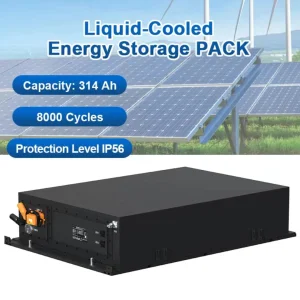
Thermal management remains the primary differentiator in energy storage safety. High-power systems generate substantial heat during fast C-rate charging and discharging phases. Traditional forced-air cooling designs often struggle with uneven temperature distribution within large battery packs, creating localized "hot spots" that accelerate cell degradation. Advanced systems now utilize closed-loop liquid cooling networks. By routing specialized dielectric coolants directly past individual cell faces, liquid-cooled cabinets maintain internal temperature variations within ±2°C. This level of thermal control can extend system operational life by up to 20% while reducing internal auxiliary power usage.
Complementing these mechanical innovations is the integration of smart Battery Management Systems (BMS) and Energy Management Systems (EMS). High-voltage configurations rely on multi-tier BMS architectures to monitor cell voltage, internal resistance, state of charge (SoC), and state of health (SoH) in real time. Dynamic balancing circuits actively redistribute charge between cells during cycles, preventing localized overcharging and balancing capacity across the array. Additionally, modern EMS platforms leverage machine learning models to forecast solar generation, evaluate historical factory load profiles, and optimize energy dispatch dynamically.
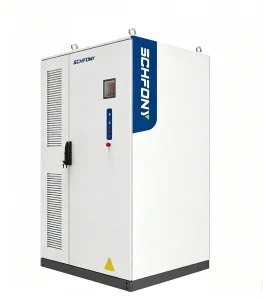
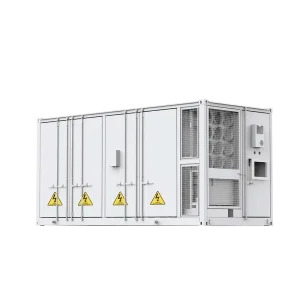
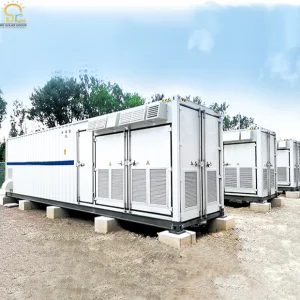
Best suited for high-density, multi-megawatt configurations with continuous power cycles.
Ideal for standard commercial sites, off-grid systems, and modular setups.
A global leader in smart energy storage systems, custom commercial architectures, and advanced technical manufacturing integration.
Hangzhou CCSC Energy Co., Ltd. is a professional Energy Storage System Manufacturer specializing in battery energy storage, renewable power integration, and smart energy solutions for residential, commercial, industrial, and utility-scale applications. Based in Hangzhou, China, the company focuses on developing advanced energy storage technologies that help customers improve energy efficiency, enhance power reliability, and support the transition toward sustainable energy systems.
With expertise in energy storage engineering and system integration, CCSC Energy provides comprehensive solutions covering battery energy storage systems (BESS), renewable energy storage integration, commercial and industrial energy storage, backup power systems, microgrid applications, distributed energy infrastructure, and intelligent energy management platforms. Its solutions are designed to support a wide range of applications, including solar energy utilization, peak demand management, grid stabilization, emergency power supply, and energy cost optimization.
The company is committed to delivering safe, efficient, and scalable energy storage solutions tailored to the needs of modern energy users. Its engineering team works closely with customers, project developers, EPC contractors, and energy service providers to design systems that align with specific operational requirements, performance objectives, and regulatory standards. From project planning and system design to manufacturing and technical support, CCSC Energy offers comprehensive services throughout the project lifecycle.
Equipped with advanced manufacturing facilities and stringent quality management processes, the company emphasizes product reliability, operational safety, and long-term performance. Continuous investment in research and development enables CCSC Energy to integrate intelligent monitoring technologies, advanced battery management systems, and smart energy control platforms into its solutions.
Serving customers across Asia, Europe, North America, South America, the Middle East, and other global markets, Hangzhou CCSC Energy Co., Ltd. is dedicated to providing innovative energy storage solutions that support renewable energy adoption, strengthen power resilience, and contribute to a more efficient and sustainable energy future.
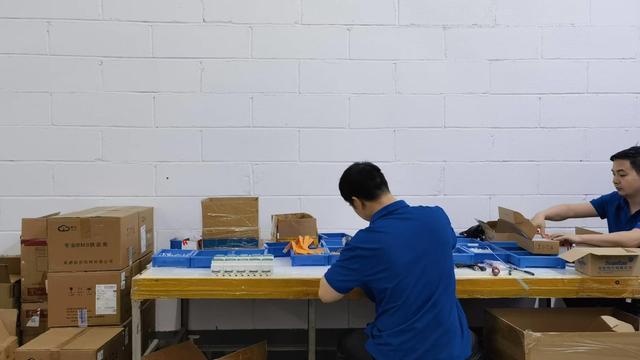
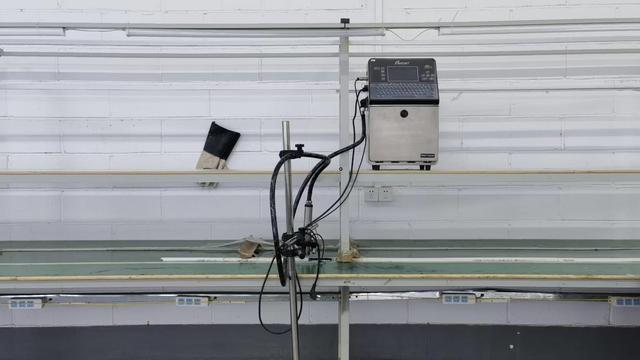
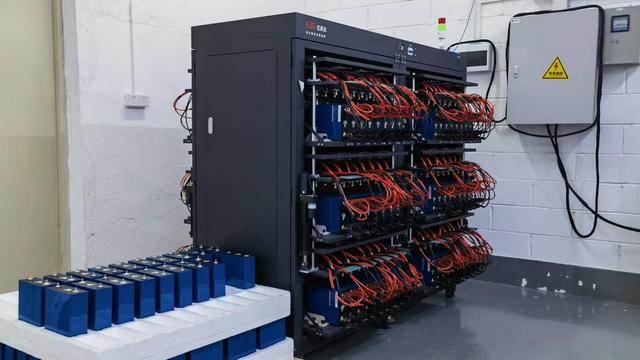
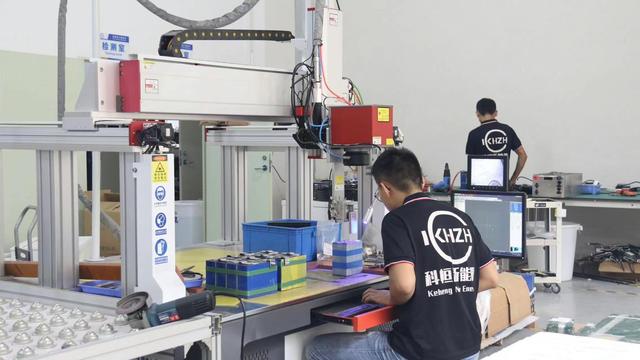
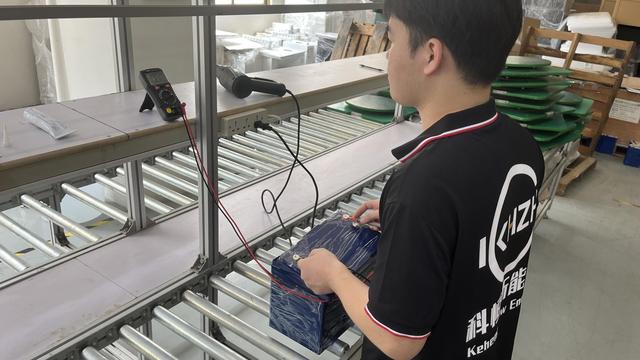
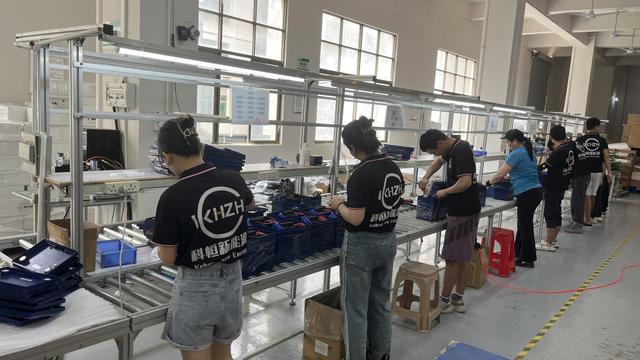
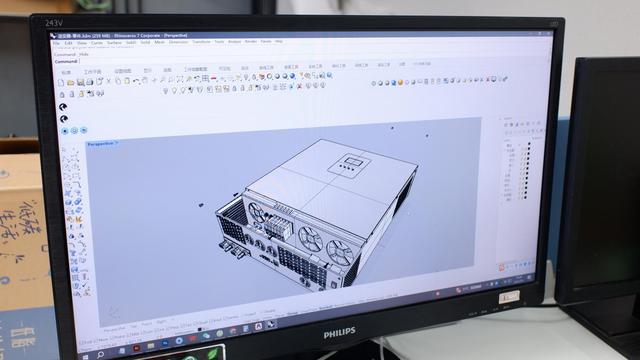
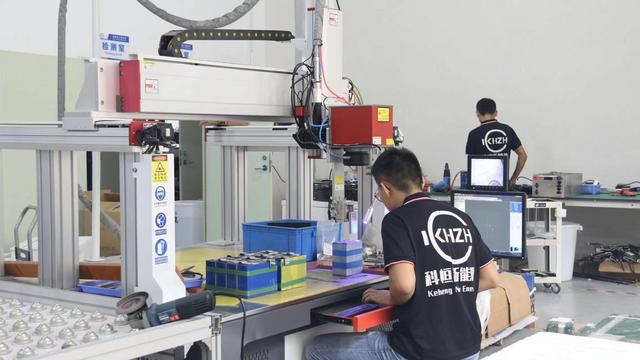
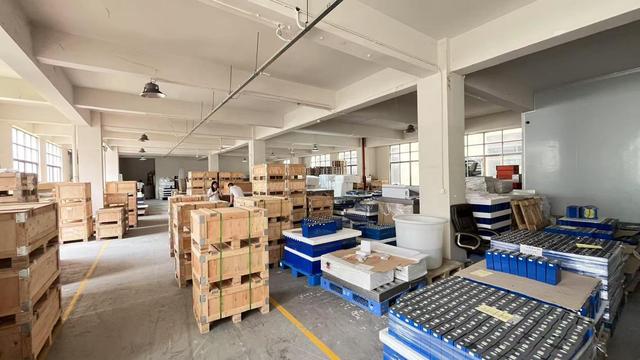
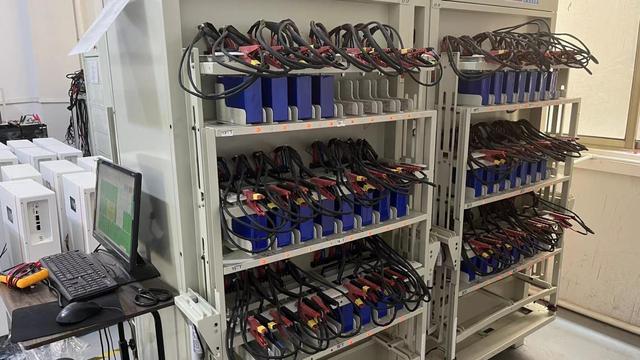
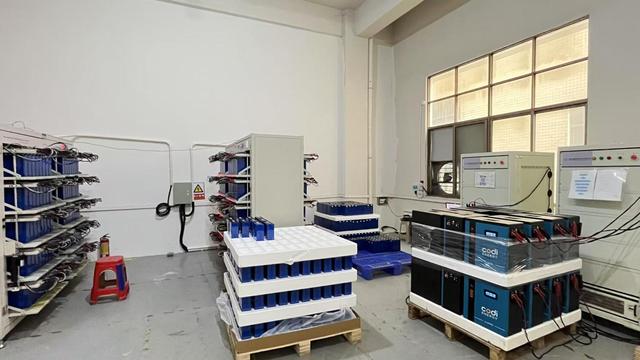
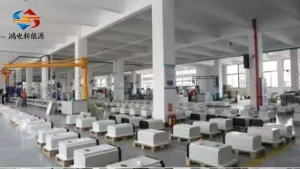
Inside our state-of-the-art production floors, where automated cell sorting, precision thermal testing, and systemic quality assurance procedures occur.
Aligning structural storage capabilities with real-world infrastructure deployments across diverse sectors.
Modern sustainable power systems must adapt to varying operational requirements across different sectors. Industrial setups, remote agricultural projects, and urban EV charging networks present unique energy demands that standard power grids often cannot support alone.
For large factories and manufacturing hubs, utility outages can lead to substantial financial losses. Implementing a localized hybrid system, such as a 100kW to 500kW battery cabinet paired with existing photovoltaic installations, helps secure critical operations. These setups run on intelligent EMS platforms that monitor incoming power feeds. If grid voltage drops below nominal limits, the system isolates the facility within milliseconds, switching to internal battery power to maintain manufacturing uptime.
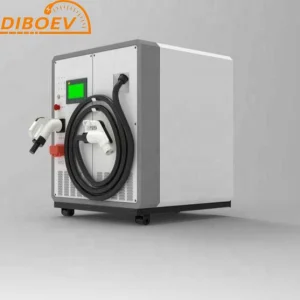
The rapid growth of electric vehicle fleets is placing new demands on municipal power grids. A multi-dispenser 32A/40kW charging facility can experience significant demand spikes that lead to high utility fees. By integrating local energy storage, operators can implement "buffer charging." In this configuration, the battery system charges during lower-demand periods and discharges to support high-power EV charging events, helping to manage load profiles and stabilize localized grids.
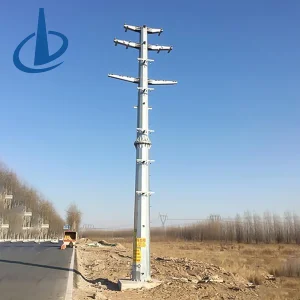
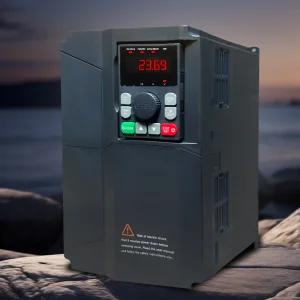
In remote farming and off-grid mining operations, installing traditional power line poles is often cost-prohibitive. For these locations, isolated solar arrays paired with off-grid vector-control pump inverters and high-capacity battery units provide a reliable alternative. These systems support water management, automated irrigation, and site utilities without the need for diesel fuel logistics, helping to lower long-term operating costs.
Provides peak shaving and high-precision backup power to maintain operations during localized outages or grid fluctuations.
Mitigates demand spikes from fast chargers, helping operators manage peak utility fees and stabilize local infrastructure.
Powers irrigation pumps, off-grid enclosures, and field operations reliably without requiring utility line extensions.
How Hangzhou CCSC Energy secures international safety certifications to guarantee long-term system reliability.
Industrial battery systems require rigorous safety compliance to manage the risks associated with high-voltage, high-capacity energy storage. System developers must meet strict international standards before deploying energy solutions to global markets.
Our engineering processes prioritize compliance with international safety protocols:
By conducting rigorous testing on battery systems and mechanical enclosures, Hangzhou CCSC Energy ensures that every system from our facilities is built for reliable, safe operation throughout its functional life.
Addressing common engineering questions, thermal management concerns, and installation options for commercial projects.
Explore our high-voltage battery cabinets, grid-matching hardware, and modular infrastructure solutions designed for demanding installations.
 CCSC Energy