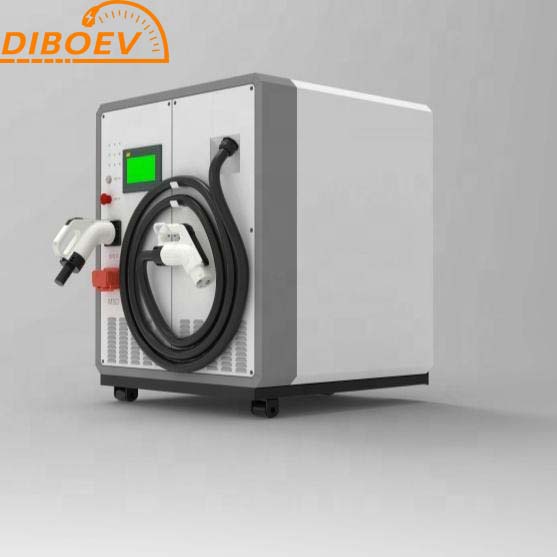
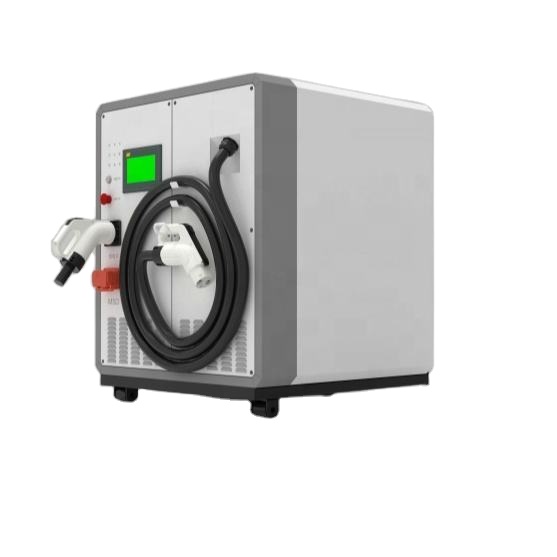
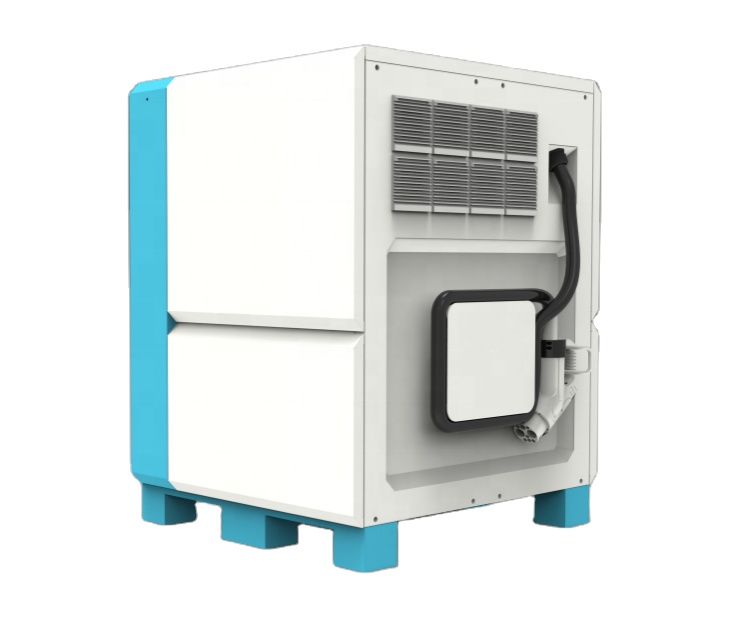
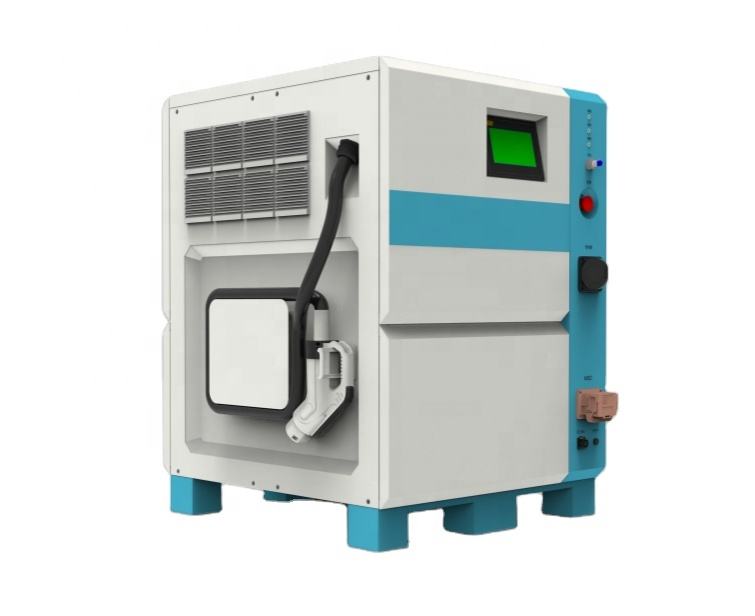
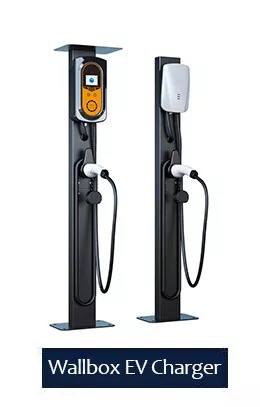
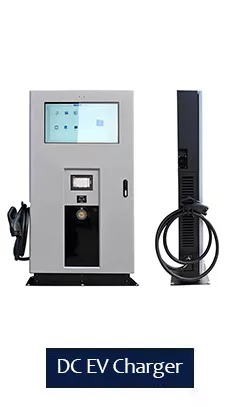
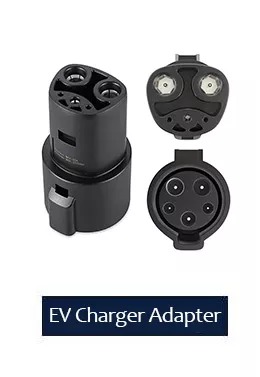
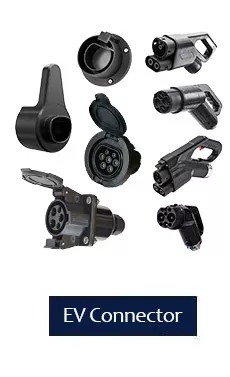
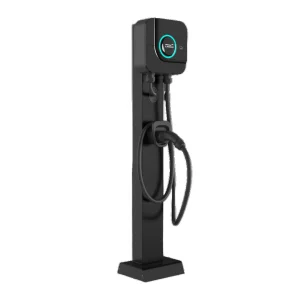
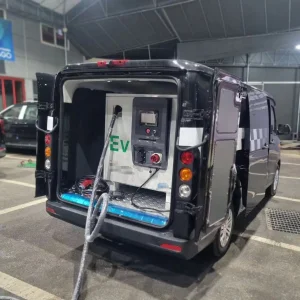
Speed: Charging speed differs based on an EV charger’s amperage and voltage. For example, 32 amps electrical car chargers add about 25 miles of Range Per Hour of charging. To avoid unnecessary upgrade in the future, it is also a good idea to choose EV charging stations with a higher amperage.
Supply: An electrical circuit is normally required to be rated for at least 25% greater amperage than your charger’s output. For example, if you are going to purchase a 40-amp Level 2 charger, you will need a circuit breaker that’s rated for 50 amps and above.
Location: It is recommended to install an EV home charger near your electrical panel, otherwise a lot of conduit will be costly. A waterproof EV charger wallbox suitable for outdoor use provides the flexibility to install indoors or outdoor.
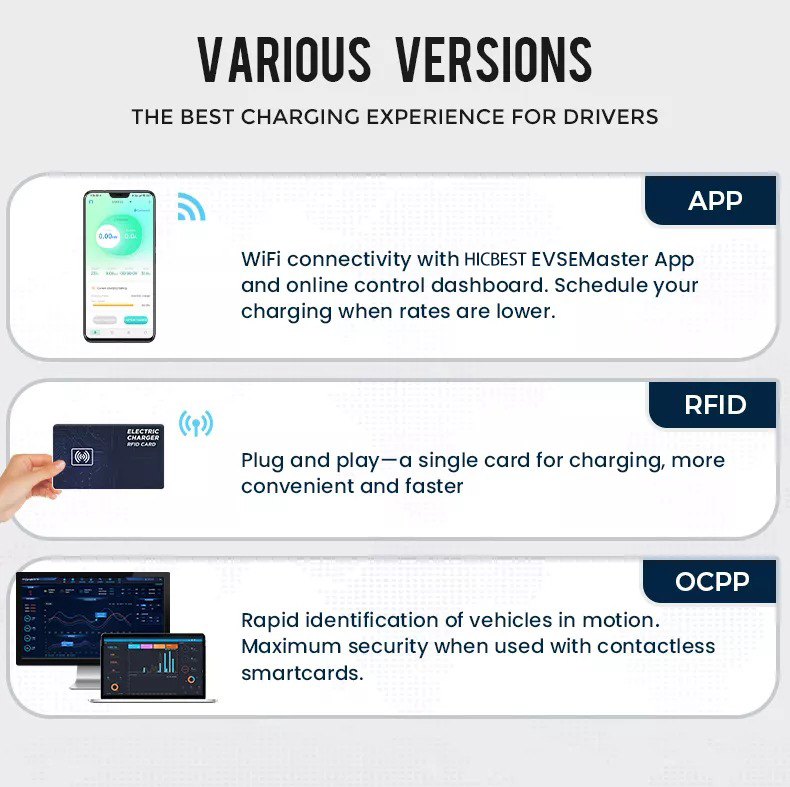
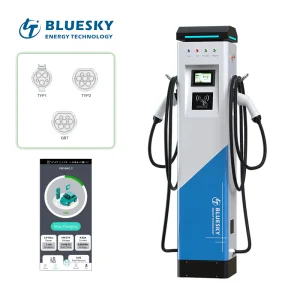
Smart Features: Some EV charger stations comes with an app to manage charging, set a schedule, track charging costs and miles driven, etc.
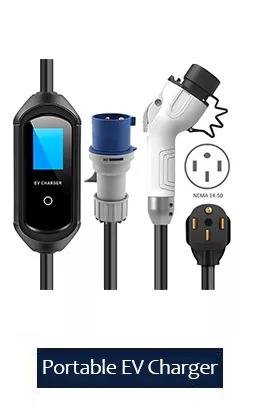
Plug-in or Hardwired: Electric car chargers are available in plug-in or hardwired options. Plug-in EV charger wallbox can be easily relocated, while Hardwired car EV chargers are affixed to the wall permanently.
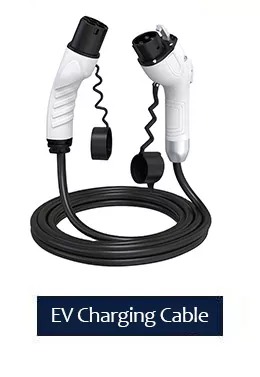
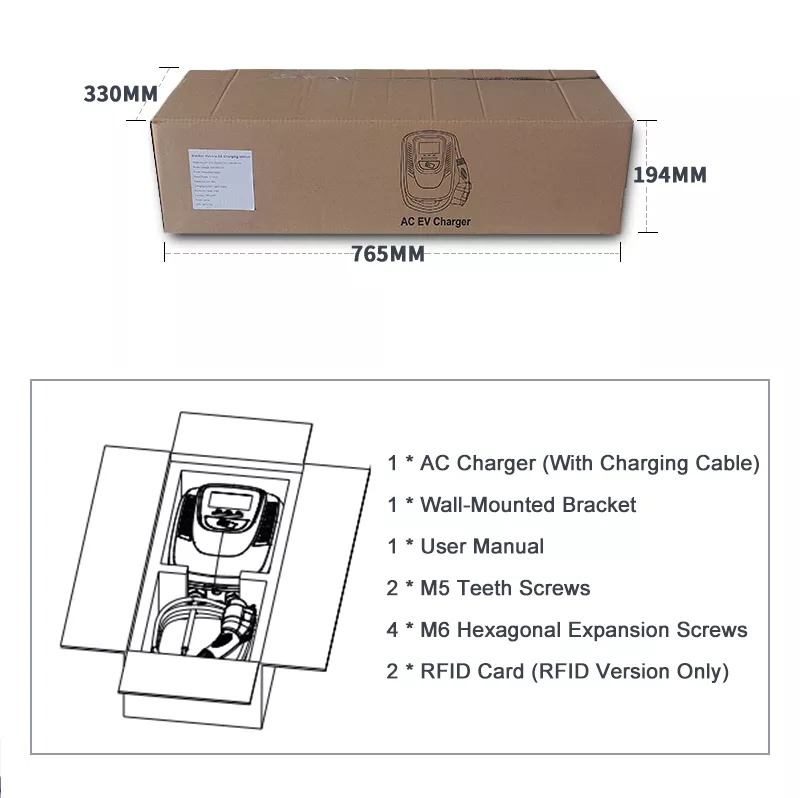
Cable Length: An EV charger box comes with cables of various lengths, be sure to choose an EV charging cable that is long enough to reach the charge port of your car.
 CCSC Energy