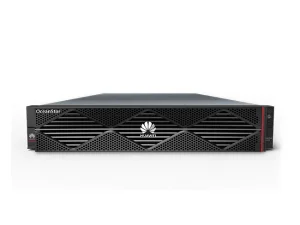
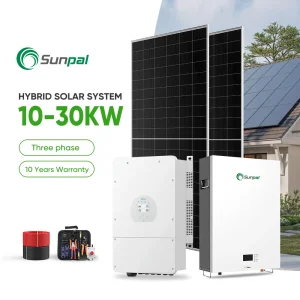
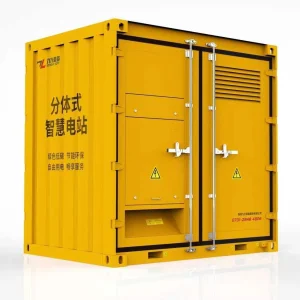
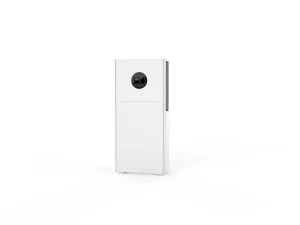
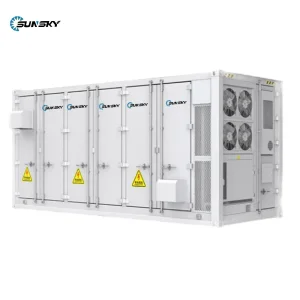
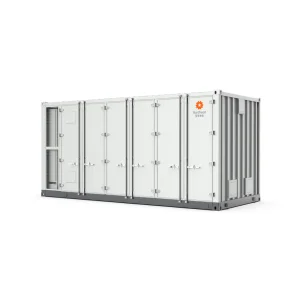
Discover our core integration products, ranging from compact residential hybrid kits to utility-scale high-voltage BESS containerized systems engineered for grid stabilization.
In the contemporary energy landscape, decentralized off-grid energy management has evolved from an emergency backup redundancy to a fundamental pillar of grid independence and operational resilience. Global utility networks are under unprecedented strain due to volatile pricing, extreme weather anomalies, and escalating baseline demands. Simultaneously, commercial enterprises, remote mining complexes, and regional agricultural zones are demanding highly dependable, clean, and self-sufficient energy solutions. The global market is rapidly transition from simple grid-tied photovoltaic setups to highly interactive, smart Battery Energy Storage Systems (BESS) capable of managing complex dispatch scenarios autonomously.
Modern microgrids integrate diverse energy generation assets, such as photovoltaic (PV) arrays, wind turbines, and diesel generators, paired directly with advanced lithium energy storage. Off-grid energy management controllers coordinate these resources dynamically, ensuring system stability. Utilizing AI-based forecasting and high-speed edge computing, microgrids minimize diesel fuel consumption while maximizing clean solar self-consumption, achieving a level of levelized cost of storage (LCOS) that makes off-grid operations financially superior to traditional grid extensions in remote industrial environments.
For large-scale industrial facilities, peak demand charges can represent more than 50% of the monthly utility expenditure. By integrating dynamic high-voltage energy storage systems, manufacturers utilize peak shaving strategies—storing low-cost energy off-peak and discharging during periods of maximum demand. Intelligent thermal management systems and modern battery management systems (BMS) guarantee that these systems safely cycling for years, buffering grid inputs and smoothing transient spikes to protect sensitive industrial manufacturing equipment.
Hangzhou CCSC Energy Co., Ltd. is a professional Energy Storage System Manufacturer specializing in battery energy storage, renewable power integration, and smart energy solutions for residential, commercial, industrial, and utility-scale applications. Based in Hangzhou, China, the company focuses on developing advanced energy storage technologies that help customers improve energy efficiency, enhance power reliability, and support the transition toward sustainable energy systems.
With expertise in energy storage engineering and system integration, CCSC Energy provides comprehensive solutions covering battery energy storage systems (BESS), renewable energy storage integration, commercial and industrial energy storage, backup power systems, microgrid applications, distributed energy infrastructure, and intelligent energy management platforms. Its solutions are designed to support a wide range of applications, including solar energy utilization, peak demand management, grid stabilization, emergency power supply, and energy cost optimization.
The company is committed to delivering safe, efficient, and scalable energy storage solutions tailored to the needs of modern energy users. Its engineering team works closely with customers, project developers, EPC contractors, and energy service providers to design systems that align with specific operational requirements, performance objectives, and regulatory standards. From project planning and system design to manufacturing and technical support, CCSC Energy offers comprehensive services throughout the project lifecycle.
Active Markets Served:
Asia, Europe, North America, South America, Middle East, and globally.
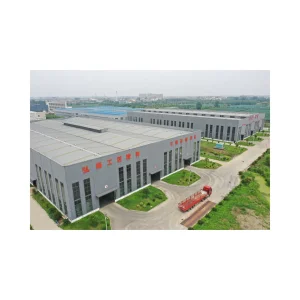
Equipped with advanced manufacturing facilities and stringent quality management processes, CCSC Energy emphasizes product reliability, operational safety, and long-term performance. Continuous investment in research and development enables CCSC Energy to integrate intelligent monitoring technologies, advanced battery management systems (BMS), and smart energy control platforms into its global offerings.
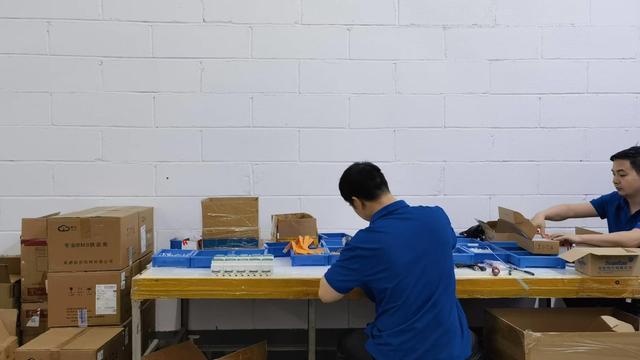
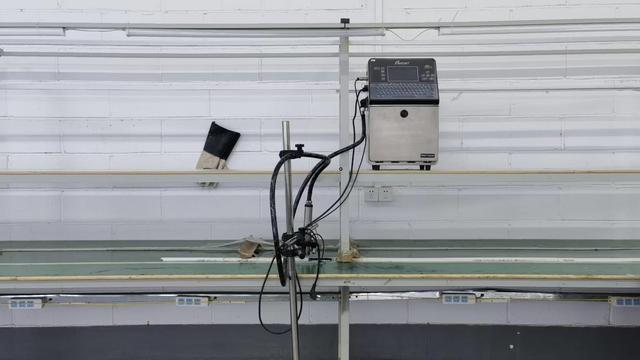
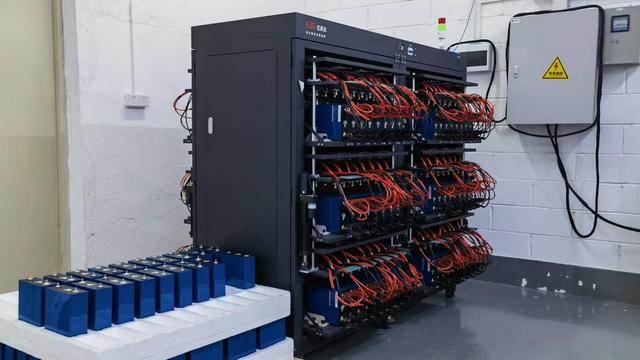
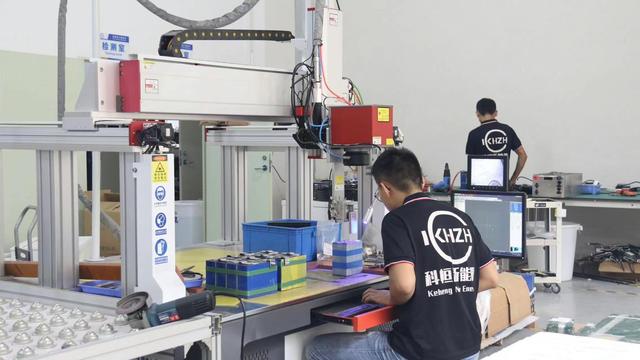
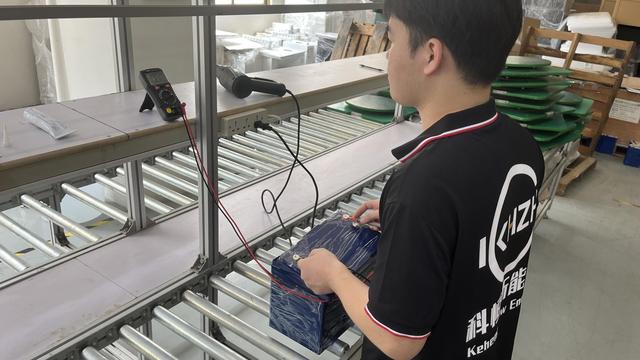
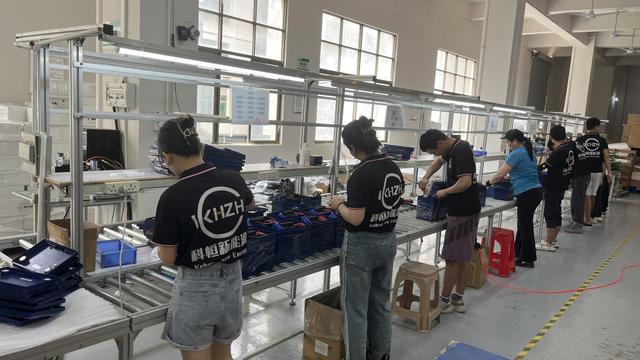
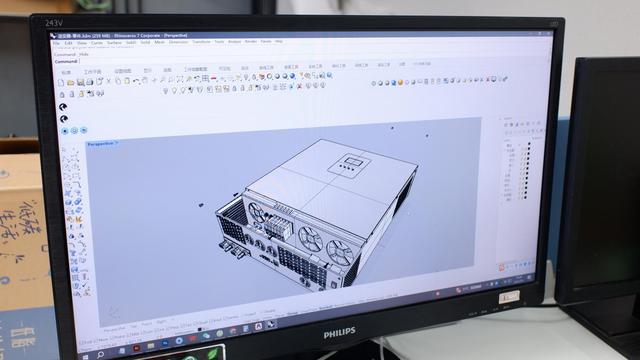
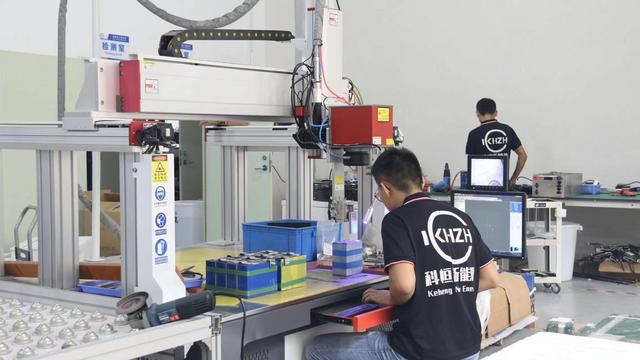
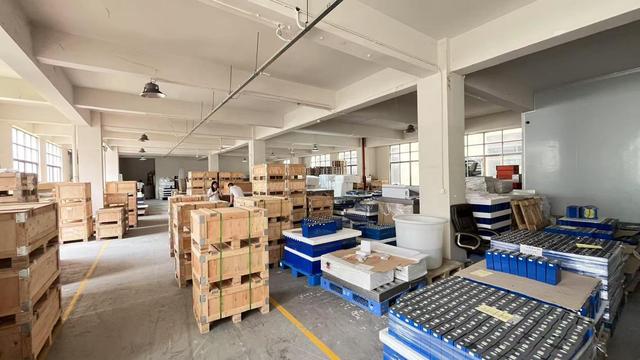
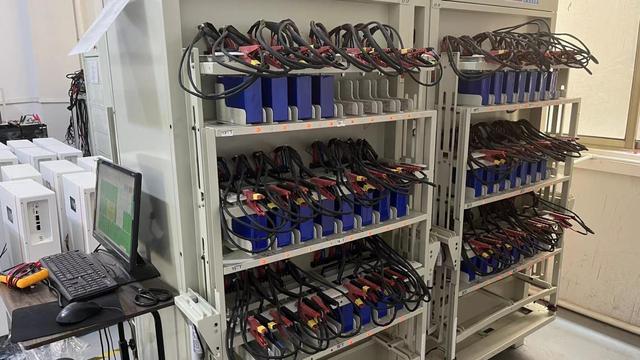
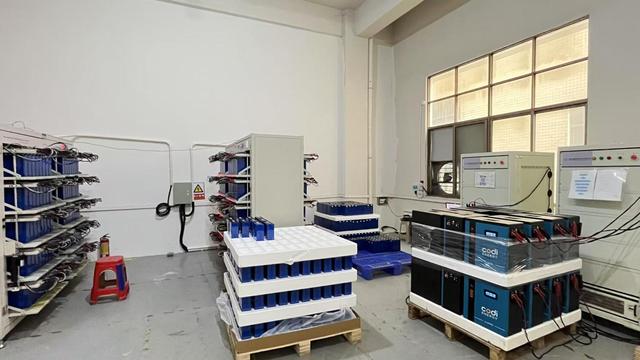
Leveraging massive raw material supply chains, elite engineering universities, and rapid testing infrastructure to deliver unmatched levelized cost of storage.
Our off-grid energy storage hardware and EMS configurations are customized for distinct, demanding environments globally.
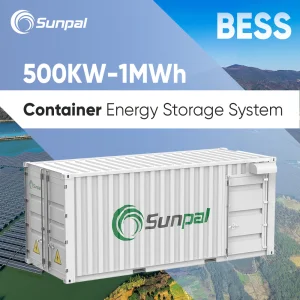
In remote islands, high-altitude military posts, and deep wilderness mining camps, grid connection is cost-prohibitive. Hangzhou CCSC implements high-voltage Containerized BESS with diesel-hybrid integration systems. These units balance solar PV fluctuations, store excess yield, and signal diesel generators to fire up only when SOC (State of Charge) drops below 20%, reducing fuel usage by up to 60%.
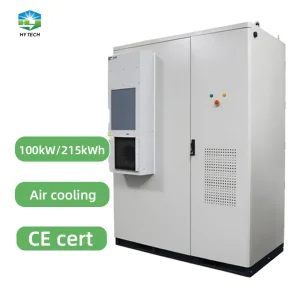
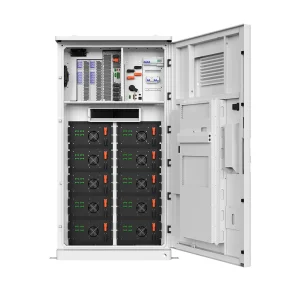
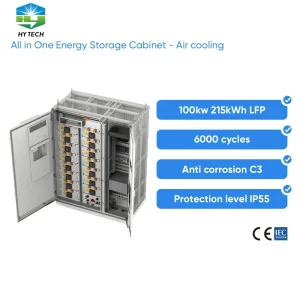
Hospitals, cold-storage warehouses, data centers, and manufacturing plants require constant power quality. Implementing our 215kWh cabinet systems allows developers to achieve dual targets: absolute protection against power quality events (flicker, sags) and automatic execution of peak-demand optimization strategies based on time-of-use (ToU) tariffs.
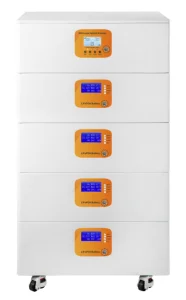
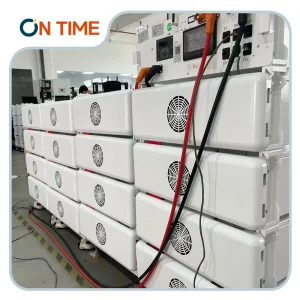
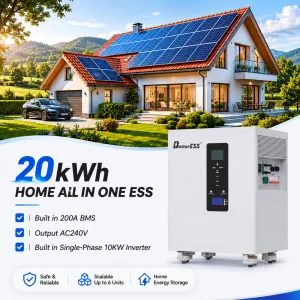
Homeowners globally require simple, robust solutions. Stacked horizontal batteries and high-voltage all-in-one solar energy systems provide complete energy independence. These compact systems house the inverter, charger controller, and LFP storage arrays in a modular, IP65-rated outdoor cabinet, supporting rapid installation and plug-and-play operation.
To remain competitive, global buyers must align procurement programs with the next generation of energy storage topologies.
Transitioning from basic HVAC forced-air cooling to AI-driven active liquid thermal management. By analyzing atmospheric heat profiles, charge rate patterns, and cell health data, liquid cooling keeps overall cell variance under 3°C, extending functional BESS lifespan to over 6000 cycles at 90% DoD.
Even completely off-grid clusters must remain ready for localized energy sharing. By integrating API-driven EMS software, separate storage nodes link into virtual power networks, allowing dynamic peer-to-peer distribution of surplus power across regional grids during low-yield seasons.
Traditional off-grid inverters rely on basic voltage signals. Modern systems implement grid-forming control algorithms that simulate virtual synchronous machine physics, directly enhancing system inertia, maintaining voltage stability, and allowing high penetration rates of intermittent wind and solar.
Procuring off-grid systems from China requires meticulous analysis of compliance, cell sourcing, and engineering expertise. Industrial projects depend on continuous operation, so finding the correct partner is vital to avoiding project failures.
Ensure that any Chinese wholesale manufacturer provides testing certificates under international safety standards, including UL 1973 (for battery packs), UL 9540A (thermal runaway propagation testing), IEC 62619 (industrial storage safety), and CE marking for the complete integration cabinets.
The hardware is only as capable as its management software. The BMS must allow cell-level balancing, offer multi-tier overcurrent protection, and support standard industrial communications protocols such as Modbus TCP/IP, CAN, and RS485 for remote control integration.
Answering deep technical integration and procurement questions for grid engineers and operations managers.
Review our full commercial catalog, offering modular high-voltage batteries, off-grid enclosures, and advanced hybrid arrays.
 CCSC Energy