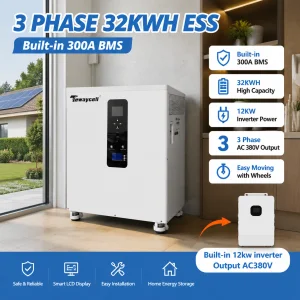
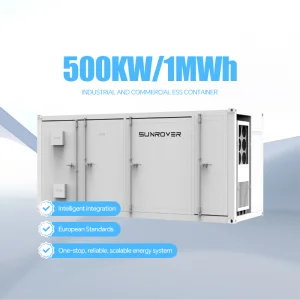
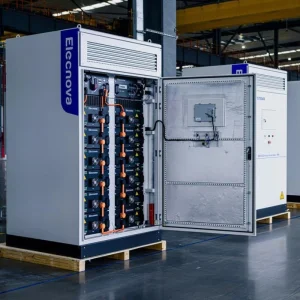
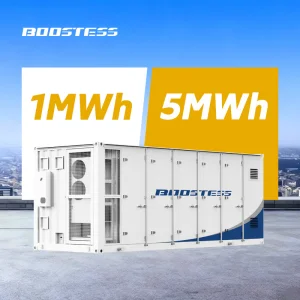
Engineered for dynamic commercial, industrial, and high-capacity residential applications.
An executive summary of integrated battery structures and smart power distribution.
The global energy landscape is undergoing an unprecedented structural transition. Volatile fuel pricing, stringent decarbonization mandates, and the rising penetration of intermittent renewable resources demand a shift from fragmented electrical equipment to Holistic Energy Systems. A holistic energy system comprises hardware, intelligent power management, safety architectures, and grid-synchronization capabilities designed to function as a unified organism. Rather than treating battery containers, thermal units, and power conversion systems (PCS) as isolated nodes, modern industrial and grid operators require integrated ecosystems that optimize power generation, storage, and consumption simultaneously.
As a pioneering force based in Hangzhou, China, Hangzhou CCSC Energy Co., Ltd. stands as a premier Energy Storage System Manufacturer and exporter. The company specializes in the development and global export of advanced battery energy storage systems (BESS), smart energy management platforms, and distributed microgrid architectures. CCSC Energy bridges the gap between raw electrochemical potential and grid-scale reliability. By utilizing tier-one cell technologies, advanced thermal management (such as next-generation liquid cooling systems), and custom-tailored Energy Management Systems (EMS), CCSC Energy delivers wholesale systems that meet the rigorous financial and physical operating criteria of international grid codes.
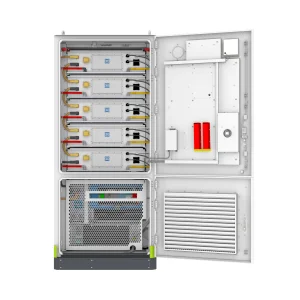
We combine high-density LiFePO4 chemistry, bi-directional PCS, liquid/air cooling thermal units, and advanced fire suppression into single-point-of-contact structural assemblies.
Integrated EMS platforms dynamically compute optimal charging times, manage local load peaks, control voltage drops, and respond directly to utility frequency signals.
Multi-layered safety architecture ranging from cell-level gas detection to full containerized aerosol suppression systems compliant with UL9540A and NFPA 855.
An engineering review of thermal dynamics in C&I and Utility-scale energy storage containers.
The single greatest factor affecting the lifespan, safety, and efficiency of a LiFePO4 battery storage system is thermal uniformity. When battery cells experience temperature variations of more than 5°C, their aging speeds diverge. This leads to early capacity loss, cell impedance imbalances, and potential localized thermal runaway risks. As a global exporter, Hangzhou CCSC Energy Co., Ltd. manufactures two primary classes of thermal management layouts: Liquid Cooling (e.g., the YF-233 233kWh system) and Forced Air Cooling (e.g., containerized BESS up to 5MWh).
| Performance Vector | Liquid Cooling Systems (e.g., YF-233 / WS-L4300) | Air Cooling Systems (e.g., 5MWh Containers) |
|---|---|---|
| Thermal Uniformity | Excellent (< 3°C difference across all cells) | Moderate (< 5°C difference under standard loads) |
| Energy Density | Very High (up to 300kWh per standard cabinet foot) | Standard (optimized for spacious layouts) |
| Parasitic Power Consumption | Low (optimized variable speed pump cycles) | Medium to High (constant high-volume air blowers) |
| Lifespan Extension | Extends battery cycle-life by up to 20-30% | Baseline cycle-life under ambient operation |
| Best Applications | High C-rate cycling, heavy peak shaving, confined spaces | Microgrids, utility buffer storage, steady load shifting |
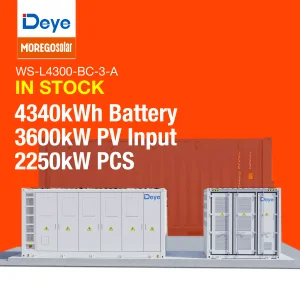
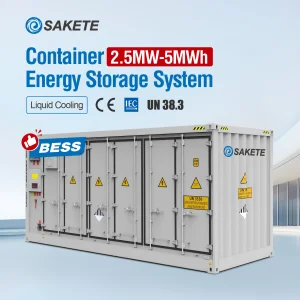
Liquid cooling utilizes water-glycol mixtures flowing through cold plates positioned directly against cell clusters. This configuration features a heat transfer coefficient up to three times higher than air cooling. For utility-scale applications, such as the Deye WS-L4300 4.34MWh Container, liquid cooling guarantees structural stability and long-term operating profit. In contrast, our air-cooling platforms remain cost-effective and simple to maintain. This makes them ideal for microgrids in remote regions or standard commercial installations with steady load profiles.
Why sourcing wholesale energy systems from Hangzhou CCSC Energy delivers unmatched cost-to-performance ratio.
The global energy storage procurement cycle is highly complex, involving cell sourcing, battery management system (BMS) coding, enclosure engineering, certification, and heavy logistics. Hangzhou CCSC Energy Co., Ltd. benefits from its location in Hangzhou, China. The region features the world's most mature electrochemical supply chain ecosystem, offering significant structural advantages:
Additionally, CCSC Energy is close to deep-water ports like Ningbo and Shanghai. This allows for fast, cost-efficient, and secure shipping of heavy containerized cargo, matching strict delivery timelines for global infrastructure projects.
How global commercial, industrial, and residential operators deploy CCSC holistic systems.
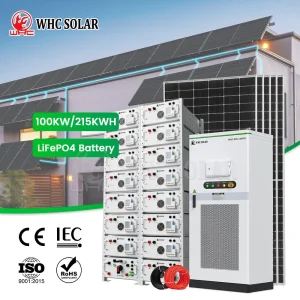
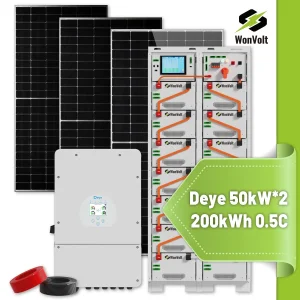
C&I facilities experience high demand charges based on peak grid consumption. Deploying a 100kW or 233kWh liquid-cooled storage cabinet allows facilities to charge batteries during low-tariff hours and discharge them during peak demand periods. This lowers utility bills and reduces local transformer stress.
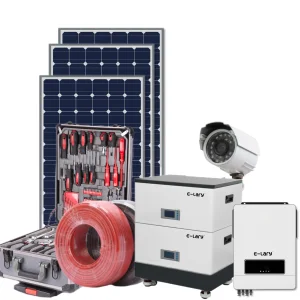
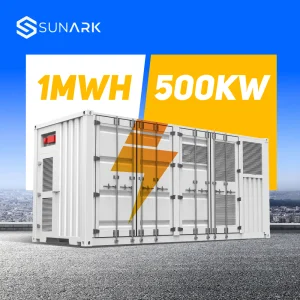
For remote areas without grid access, our BESS containers (from 500kW up to 5MWh) serve as microgrid anchors. By combining solar PV arrays with BESS, our systems manage voltage control, maintain frequency, and provide backup power, reducing reliance on diesel generators.
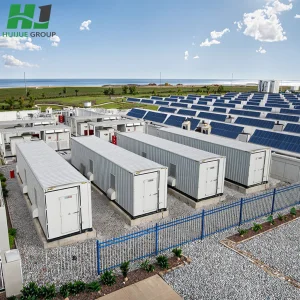
Large utility operators face grid instabilities from solar and wind farms. Systems like the Deye WS-L4300 4.34MWh containerized ESS offer key services: ramp-rate control, frequency regulation, and black-start capabilities. These ensure transmission grid safety during unexpected outages.
CCSC Energy's strategic focus on safety, integration, and high-density storage solutions.
The energy storage sector is moving toward larger capacities and enhanced smart grid integration. Our technical roadmap focuses on three main priorities:
With these innovations, Hangzhou CCSC Energy Co., Ltd. continues to deliver high-performance, cost-effective wholesale energy storage systems that meet evolving international grid connection standards.
Ensuring safe operation and quick system integration in all target markets.
Deploying energy storage systems requires navigating complex regional regulations. As an established global exporter, CCSC Energy design teams ensure systems are certified to meet international safety and connection standards:
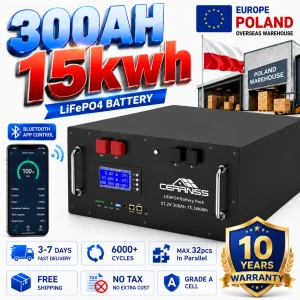
Our battery packs carry UN38.3, UL1973, and CE certifications, allowing for safe international transport and installation.
Our systems comply with UL1741, IEEE1547, and European CE-LVD / CE-EMC standards for reliable on-grid and hybrid operation.
Enclosures feature clean-agent fire suppression, gas monitoring, and structural boundaries designed to meet NFPA 855 and UL9540A guidelines.
CCSC Energy works closely with regional EPC contractors, developers, and distributors. We provide comprehensive documentation, structural drawings, electrical schematics, and remote commissioning support. This simplifies the permit process, installation, and final utility grid approval.
Answering technical, commercial, and logical questions for global energy project developers.
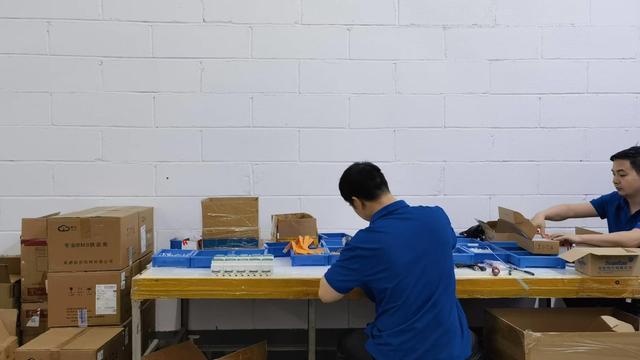
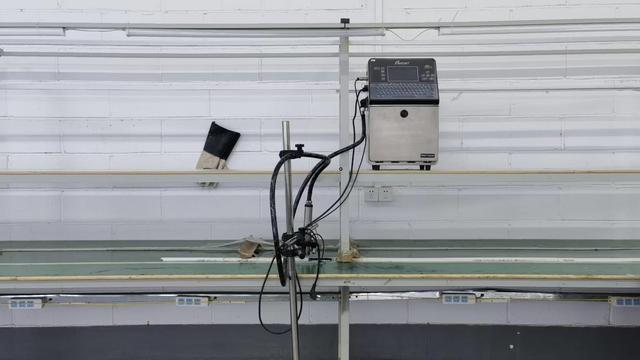
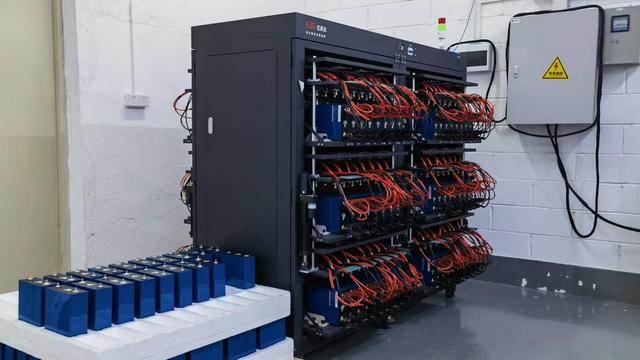
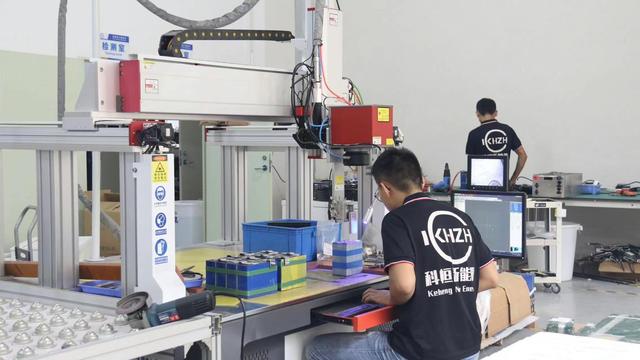
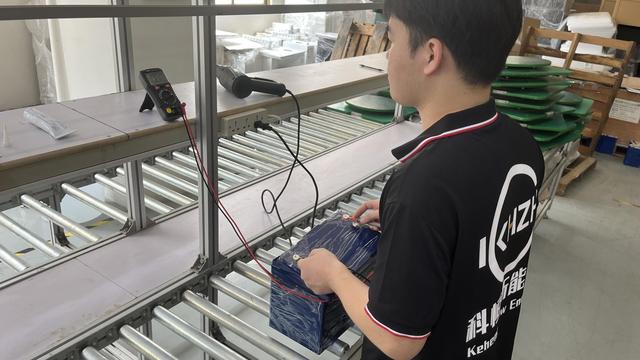
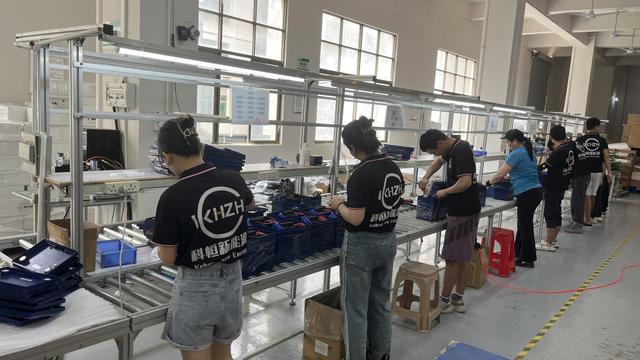
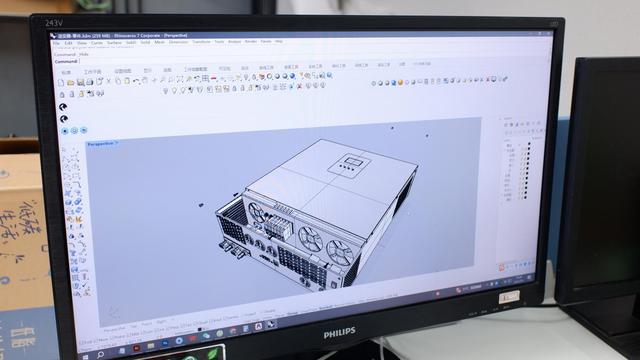
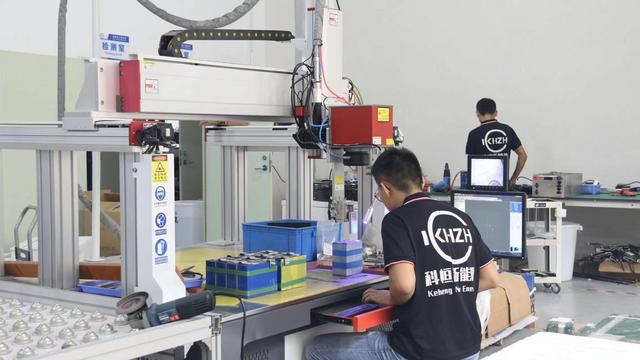
CCSC Energy's manufacturing plants and quality assurance testing lines in Hangzhou, China.
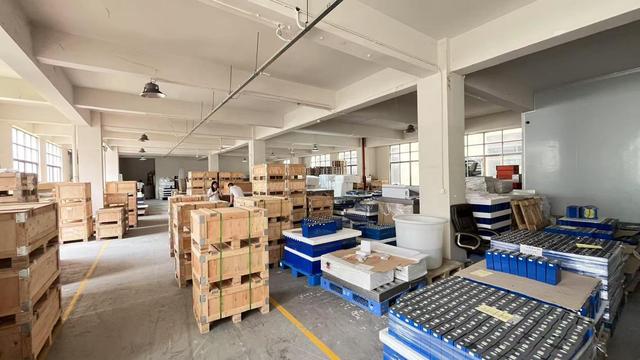
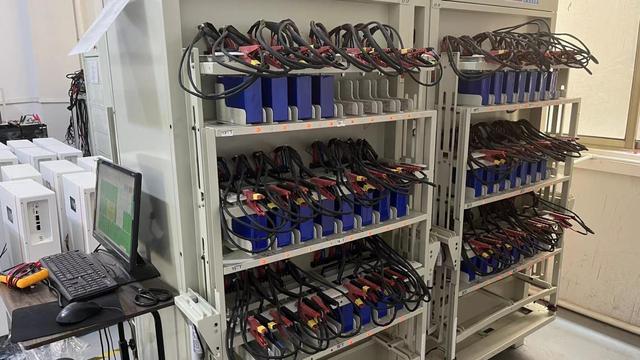
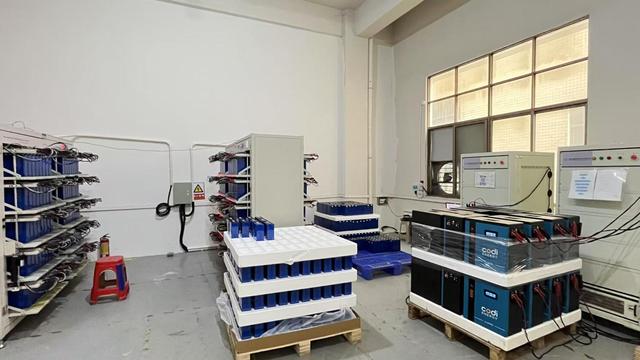
High-capacity energy storage equipment for commercial grids and utility services.
 CCSC Energy