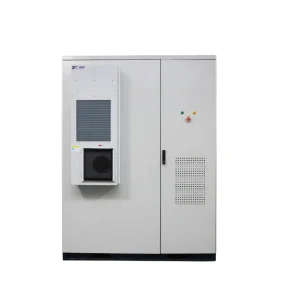
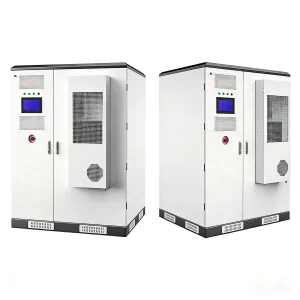
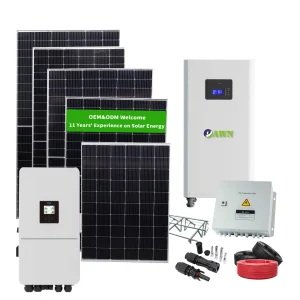
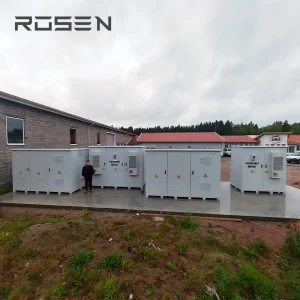
Explore our top-tier CE-certified utility, commercial, industrial, and residential intelligent battery storage configurations designed for modern grid environments.
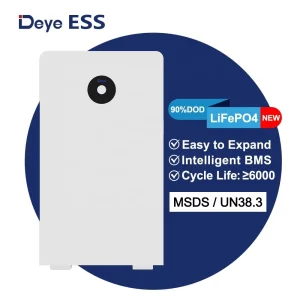
As the global energy matrix undergoes an unprecedented transition from centralized fossil-fuel combustion to distributed renewable resource generation, the inherent intermittency of wind and solar assets presents severe challenges to transmission and distribution grid operators. Variations in solar irradiance and localized wind velocity profiles impose critical demands on power quality, voltage stability, and grid frequency control. To mitigate these dynamics, Hybrid Storage Solutions have transitioned from optional secondary assets to essential, core infrastructure elements.
Hangzhou CCSC Energy Co., Ltd. stands at the forefront of this sector as a tier-one manufacturer of CE-certified battery energy storage systems (BESS). By combining advanced Lithium Iron Phosphate (LiFePO4) cell chemistries, multi-tiered active battery management systems (BMS), and state-of-the-art liquid thermal management, CCSC Energy delivers robust, scalable, and high-efficiency hybrid solutions tailored for commercial, industrial, and utility scale installations. Our systems ensure high round-trip efficiency (RTE) and support primary and secondary frequency response, local peak shaving, reactive power management, and black-start capabilities.
Full compliance with European safety standards (EN 62619, IEC 62619, IEC 63056, UN38.3, UL 9540A) for risk mitigation.
High-capacity LiFePO4 cells engineered for deep discharge cycles with minimal capacity degradation over time.
Advanced thermal management maintaining cell temperature variations within 2.5°C to maximize system lifespan.
The demand for grid-scale energy storage systems (BESS) is expanding worldwide, driven by legislative mandates, decarbonization goals, and economic factors. In Europe, the strict regulatory environment under the European Green Deal and REPowerEU has accelerated the adoption of co-located and standalone hybrid storage systems. Procurement managers, engineering firms (EPCs), and utility operators prioritize compliance with strict European standards—specifically CE marking—to ensure compliance with local electrical safety, grid code integration (such as VDE-AR-N 4110/4105), and electromagnetic compatibility.
In North and South America, utility-scale developments focus on capacity firming and mitigation of transmission bottlenecks. Buyers look for modular systems with long cycle life, low levelized cost of storage (LCOS), and reliable performance. In resource-heavy markets across APAC and the Middle East, remote microgrids rely on hybrid systems to reduce dependence on diesel generators. CCSC Energy meets these diverse global requirements by offering configurable platforms that seamlessly integrate with photovoltaic arrays, wind turbines, and utility grids.
Modern procurement strategies prioritize long-term system reliability over upfront capital costs. Key evaluation criteria include thermal stability profiles, cell balancing systems, standard communication interfaces (CAN, Modbus TCP/IP, Profinet), and comprehensive manufacturer guarantees backed by certified testing. CCSC Energy addresses these factors by providing fully documented systems designed for demanding operating environments.
At the core of Hangzhou CCSC Energy's product line is a focus on system safety and thermal stability. Our battery energy storage configurations use high-energy-density Lithium Iron Phosphate (LiFePO4) chemistry. LFP is chosen for its chemical stability, minimal risk of oxygen release during thermal stress, and resistance to thermal runaway compared to NMC (Nickel Manganese Cobalt) alternatives.
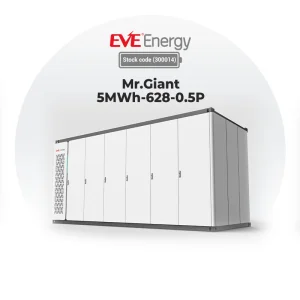
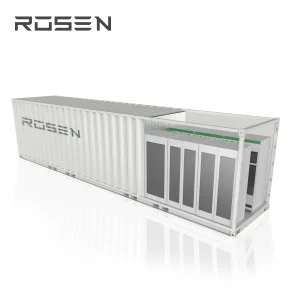
For grid-scale and heavy industrial installations, such as our 5MWh containerized solutions, we employ liquid cooling systems rather than standard forced-air systems. Liquid cooling uses cooling plates and a glycol-water mixture to transfer heat away from the cells. This reduces the energy required for cooling and prevents localized hot spots within the battery racks. Precise thermal management reduces cell degradation rates, ensuring uniform aging across the system and maintaining optimal performance over thousands of operational cycles.
Operational safety is supported by a three-tiered BMS architecture designed by CCSC Energy:
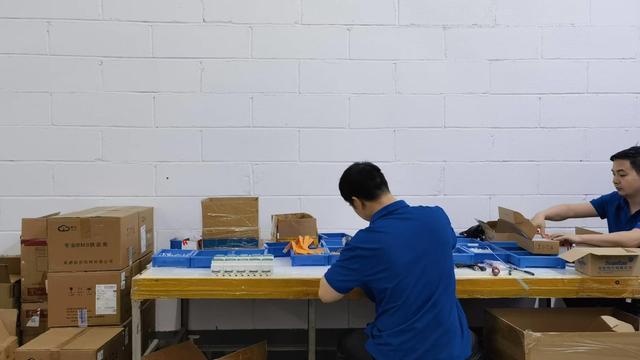
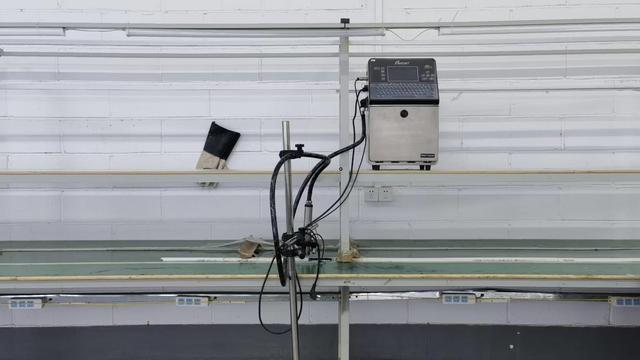
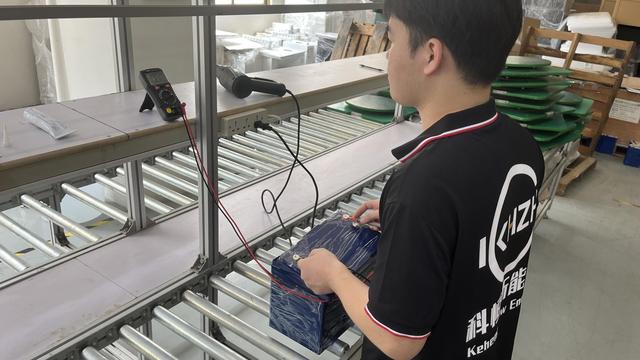
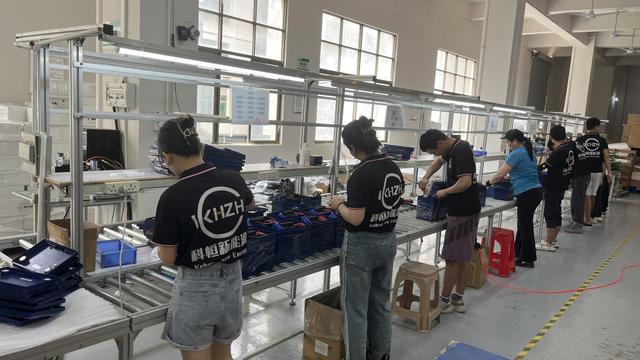
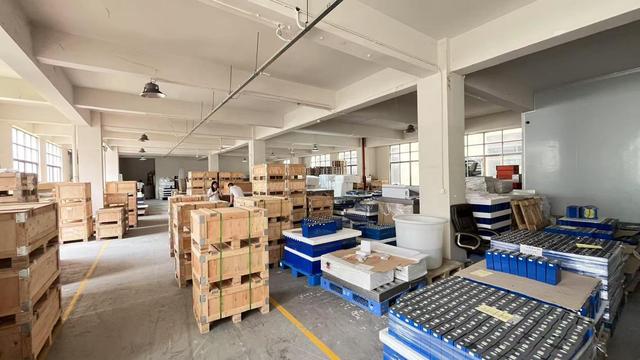
CCSC Energy's manufacturing facility in Hangzhou, China, operates on Factory 4.0 standards. By integrating automation, Internet of Things (IoT) monitoring, and strict quality control protocols, we ensure consistent production across our entire line of hybrid energy storage products.
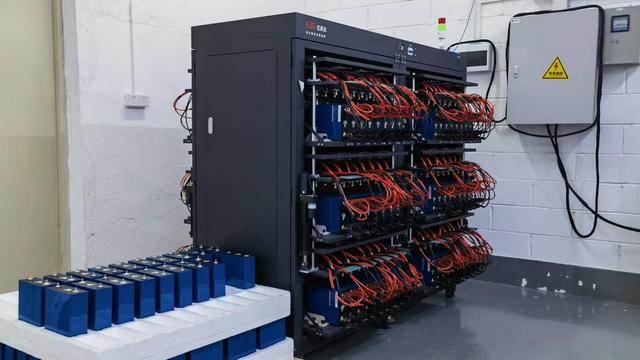
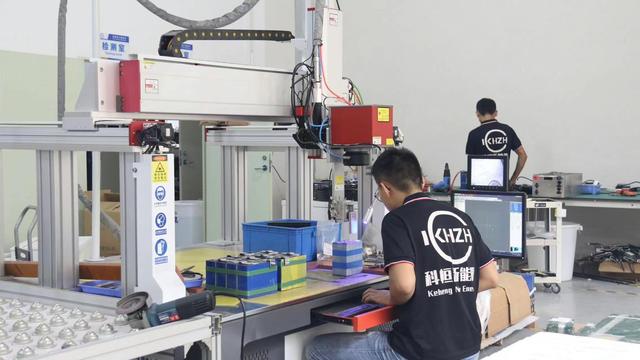
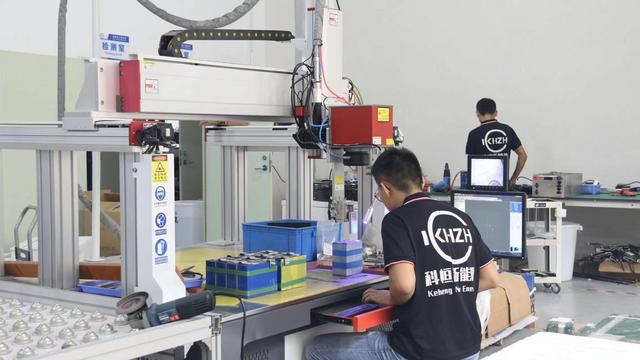
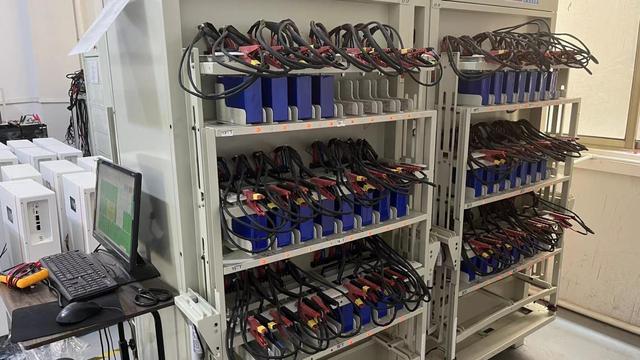
Our manufacturing process begins with automated incoming inspection of LFP cells. Each cell undergoes high-precision testing for capacity, internal resistance, and open-circuit voltage to ensure uniform pack construction. Robotic assembly systems build the cell modules, applying precise compression forces and automated laser-welding of busbars. This minimizes contact resistance and prevents connection degradation under vibrational stress.
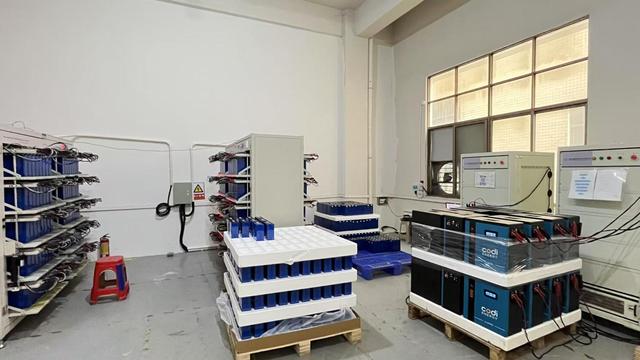
Environmental chambers simulate extreme operating conditions (ranging from -20°C to +55°C) to verify the thermal management system under full load. Every system undergoes factory acceptance testing (FAT) before shipment. This process checks insulation resistance, high-voltage safety interlocks, fire suppression functionality, and PCS communications, ensuring fast commissioning upon arrival at the project site.
CCSC Energy's systems are designed to operate across diverse global applications, each configured to address specific grid and climate challenges:
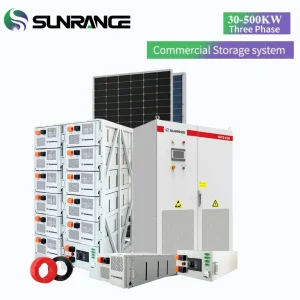
Designed for manufacturing plants and commercial buildings. The intelligent EMS monitors power consumption and discharges stored energy during peak tariff periods, lowering demand charges and peak-use rates.
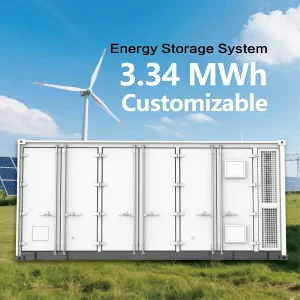
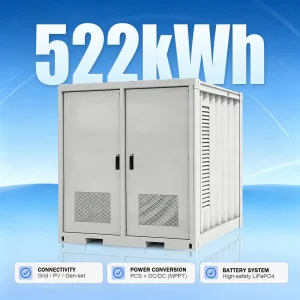
For transmission operators requiring fast frequency response (FFR). Liquid-cooled utility BESS units respond to frequency variations within milliseconds, stabilizing the grid and generating revenue from ancillary services.
Used to power remote communities, mining sites, and agricultural facilities. By buffering intermittent solar and wind outputs, our systems provide continuous power and reduce reliance on diesel backup.
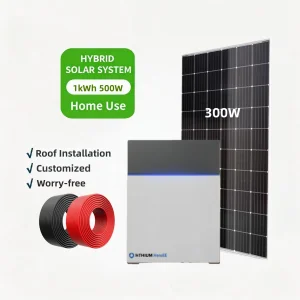
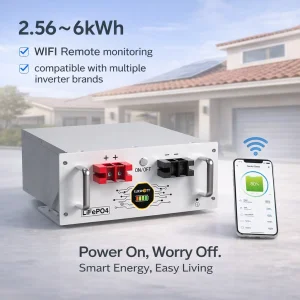
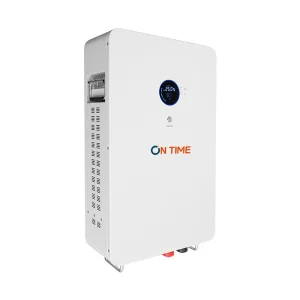
Engineered for residential properties. These integrated battery solutions connect with home solar arrays to store daytime energy surplus, providing backup power during blackouts and lowering household utility bills.
Engineering grid-tied or off-grid storage systems requires adherence to strict safety standards. Hangzhou CCSC Energy Co., Ltd. builds systems that comply with global compliance frameworks, focusing on:
By maintaining rigorous testing and quality documentation, we provide project developers, EPCs, and investors with the technical confidence needed to secure financing, insurance, and grid connection approvals for their energy projects.
Explore our commercial, residential, and custom high-voltage container solutions for integration with local networks.
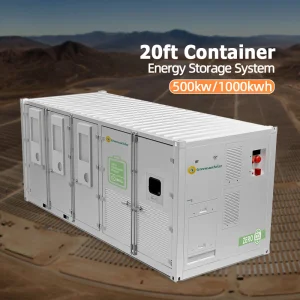
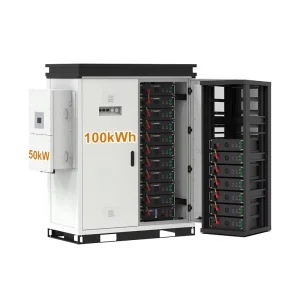
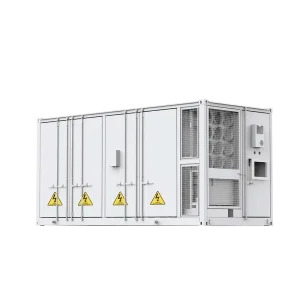
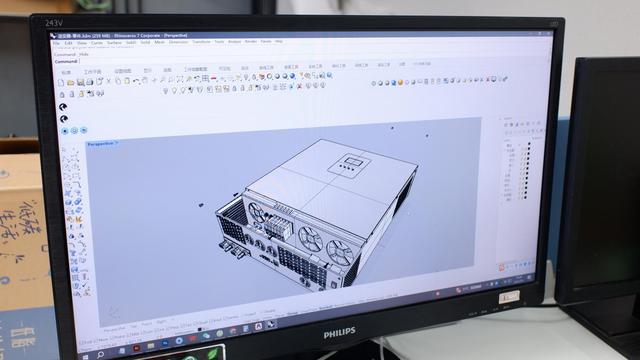
A look inside our automated production lines, testing laboratories, and assembly operations in Hangzhou, China.
 CCSC Energy