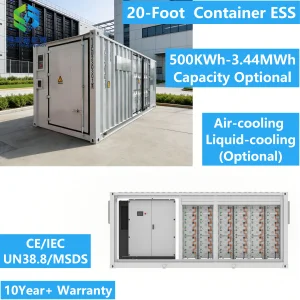
In the rapidly evolving landscape of global energy transition, **CE Certification** is not merely a label; it is the cornerstone of market access, safety assurance, and technical reliability. For global procurement officers and project developers, sourcing from a manufacturer that rigorously adheres to CE standards—covering Low Voltage Directive (LVD), Electromagnetic Compatibility (EMC), and relevant battery safety directives—is paramount.
Hangzhou CCSC Energy Co., Ltd. stands at the intersection of innovation and compliance. As a premier energy storage system manufacturer, we integrate comprehensive safety protocols into our design lifecycle. From the initial cell selection to the final rack-level commissioning, our systems undergo stringent testing to meet European and international standards. This commitment ensures that our clients in Europe, North America, and beyond receive systems that are not only high-performing but also fully compliant with local regulatory frameworks, significantly reducing the risks of project delays or regulatory non-compliance.
China has solidified its position as the global hub for Lithium-ion battery manufacturing and BESS integration. The competitive advantage of partnering with a Hangzhou-based manufacturer like CCSC Energy lies in our vertical integration capabilities and supply chain efficiency. We leverage the mature ecosystem of raw materials, high-density cells, and smart power electronics.
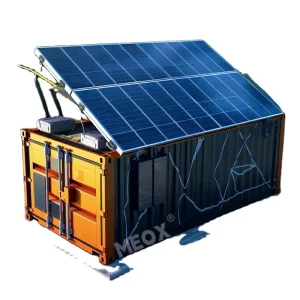
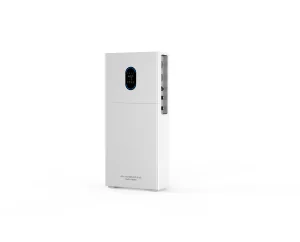
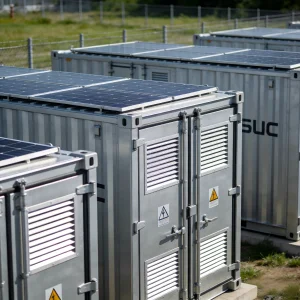
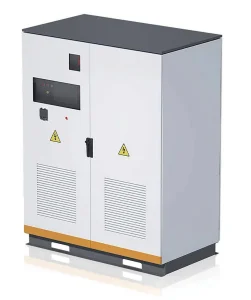
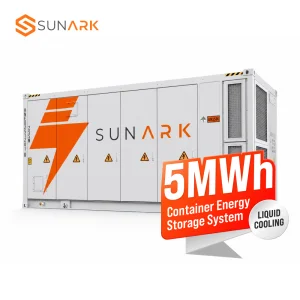
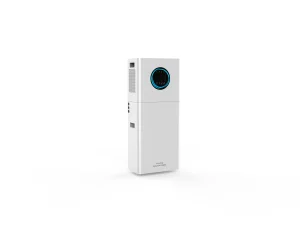
Our facility is equipped with automated production lines that ensure high-precision assembly and consistent quality across large-scale orders. By optimizing the supply chain, we not only drive down the Levelized Cost of Energy (LCOE) for our customers but also ensure rapid deployment timelines. Whether it is a 1MWh utility-scale container or a distributed 10kWh residential hybrid system, our manufacturing process emphasizes scalability without compromising the E-E-A-T (Experience, Expertise, Authoritativeness, and Trustworthiness) standards required by international tier-one project stakeholders.
The global demand for energy storage is shifting from simple capacity-building to intelligent, hybrid grid solutions. Modern procurement needs are no longer focused solely on hardware specs; they encompass software, predictive maintenance, and ease of integration.
Key Application Scenarios:
Q: Why is CE certification critical for BESS procurement?
A: CE certification verifies that the product meets high safety, health, and environmental protection requirements within the European Economic Area. For global projects, it acts as a baseline guarantee of quality and interoperability.
Q: How does CCSC Energy ensure long-term product reliability?
A: We utilize tiered quality management, integrating advanced Battery Management Systems (BMS) with real-time monitoring. Our R&D team continuously performs thermal stability testing and cycle life analysis to ensure operational longevity.
Q: Can you support localized technical standards?
A: Yes. Beyond CE, we adapt our engineering to comply with local certifications such as UN38.3, IEC62619, and region-specific grid code requirements, ensuring our equipment integrates smoothly into local grids.
 CCSC Energy