Browse our top tier, CE-certified energy storage cabinets, containers, and intelligent hardware components.
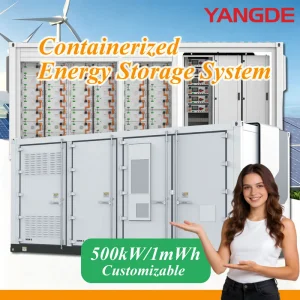
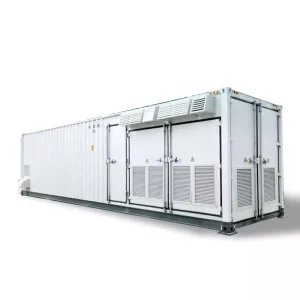
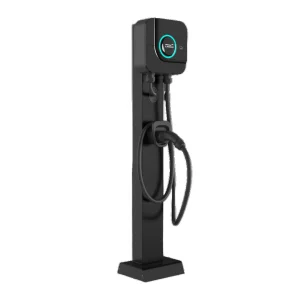
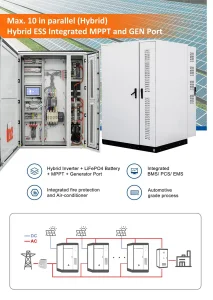
Establishing Next-Generation Power Infrastructure Globally with Integrity, Research, and Uncompromising Standards.
Hangzhou CCSC Energy Co., Ltd. is a professional, vertically-integrated Energy Storage System Manufacturer specializing in lithium-ion battery technology, smart grid interface networks, and comprehensive energy management systems. Headquartered in the technological hub of Hangzhou, China, our company stands at the vanguard of research, engineering, and manufacturing of solutions designed to optimize power reliability, reduce operational costs, and accelerate global decarbonization.
Our core engineering competency revolves around designing high-efficiency, multi-megawatt battery energy storage systems (BESS). By maintaining an expert-level technical team and executing rigorous quality-assurance workflows, we ensure that every system deployed complies with the most stringent global standards, including the European Union CE Directives (LVD, EMC, RED), UL listings, and local utility grid-connection codes. We provide end-to-end services, supporting developers, engineering companies, and project owners from initial feasibility analysis to installation commissioning.
With continuous capital investments directed toward battery chemistry exploration, high-precision thermal simulation, and AI-driven control logic, CCSC Energy integrates intelligent monitoring platforms with multi-layer Battery Management Systems (BMS). Our technical solutions address the complete project lifecycle, unlocking maximum system profitability through smart dispatching, peak demand mitigation, microgrid autonomy, and dynamic grid support services.
An industrial-grade deep dive into the thermal dynamics, safety systems, and management topology of modern energy storage.
To meet the reliability targets demanded by global institutional procurers, CCSC Energy approaches utility-scale and commercial energy storage through a rigorous multi-disciplinary framework. Our battery cells employ advanced Lithium Iron Phosphate (LiFePO4) chemistry, chosen specifically for its high thermal runaway threshold (exceeding 270°C), long cycle life (typically over 6,000 cycles at 80% Depth of Discharge), and environmental safety profile compared to cobalt-based alternatives.
A primary differentiator of CCSC Energy systems is our transition to Liquid Cooling Thermal Management. Conventional air-cooled systems often experience cell-to-cell temperature variations exceeding 5°C during rapid charge-discharge cycles, accelerating localized battery degradation. Our state-of-the-art liquid cooling technology circulates a water-glycol mixture directly through cold plates embedded in the battery modules. This keeps the internal temperature differential across the entire containerized solution within 3°C, extending battery lifespan by up to 20% and preventing localized thermal hotspots.
From a control perspective, our battery racks are governed by a three-level Battery Management System (BMS):
This comprehensive control chain allows CCSC Energy systems to execute complex power control strategies, such as sub-second frequency regulation, dynamic VAR injection, and black-start protocols, facilitating seamless integration with volatile renewable sources like solar PV and wind.
Leveraging China's world-leading battery manufacturing ecosystem to deliver superior quality and optimized capital expenditure.
Based in the industrial manufacturing zone of Hangzhou, Zhejiang Province, CCSC Energy is strategically located at the center of the world's most mature lithium battery supply chain. This physical proximity to key raw materials, cell production hubs, structural container fabricators, and advanced semiconductor manufacturers allows us to shorten research-to-market cycles and mitigate global procurement delays.
Our manufacturing facilities operate under strict ISO 9001, ISO 14001, and ISO 45001 certifications. Each assembly step, from electrode cell screening and automated pack welding to high-voltage dielectric testing and complete containerized thermal stress testing, is tracked via a localized Manufacturing Execution System (MES). This end-to-end tracing ensures that each battery module's history can be audited down to the specific cell batch, supporting our long-term warranty structures and satisfying the risk assessments of commercial banks and insurance companies.
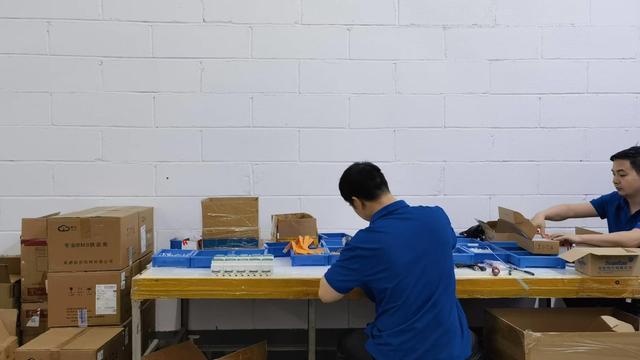
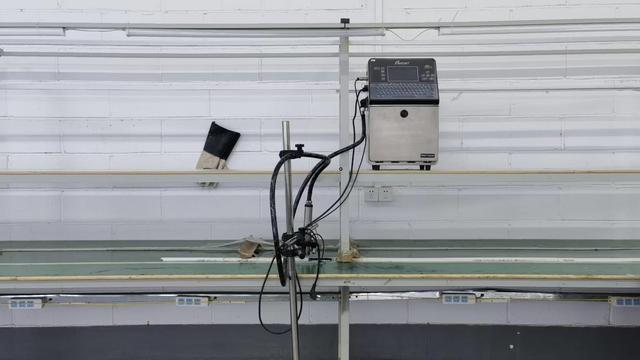
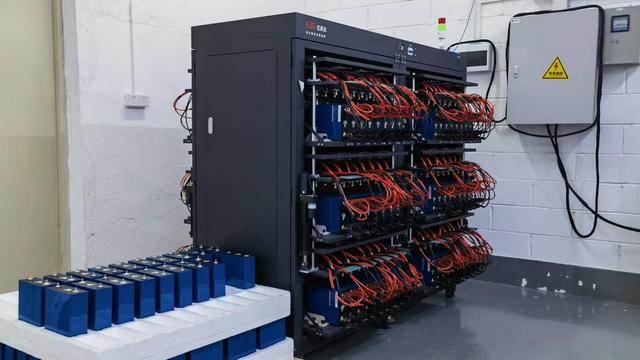
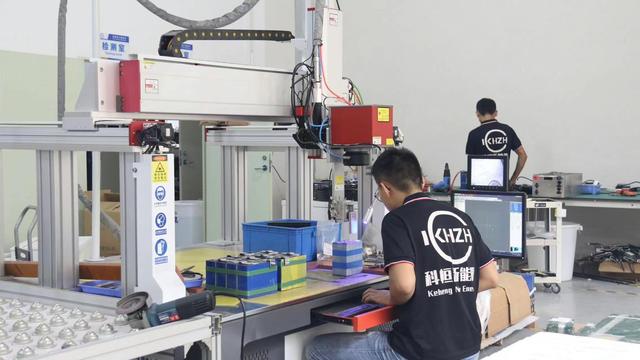
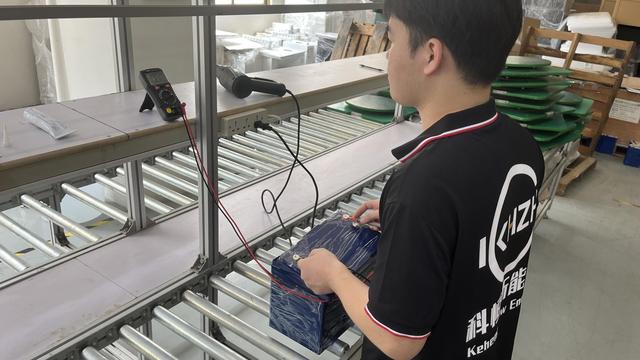
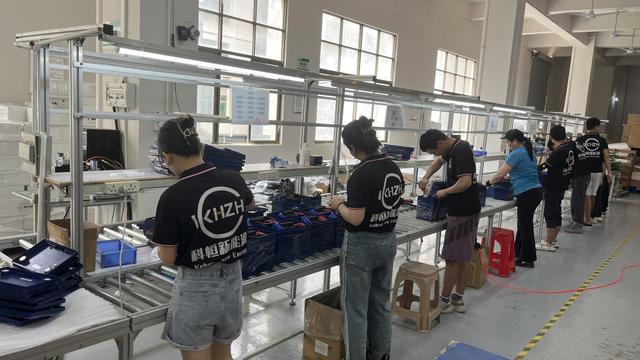
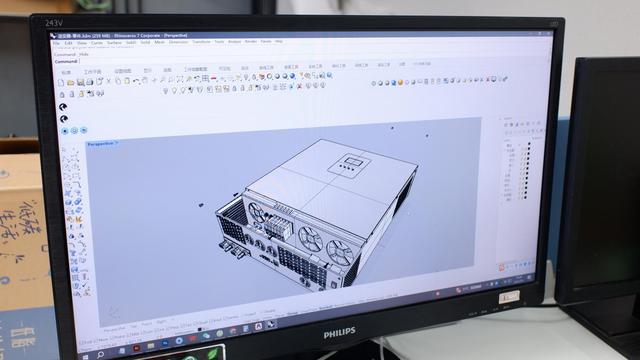
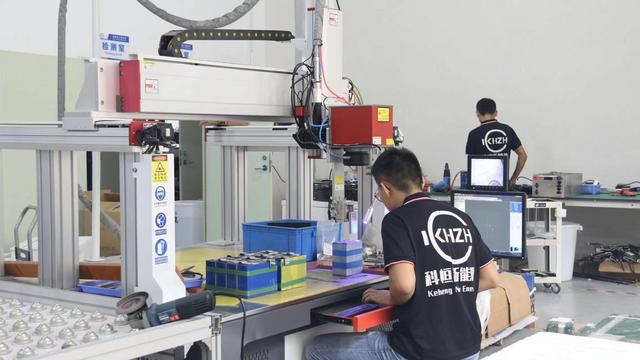
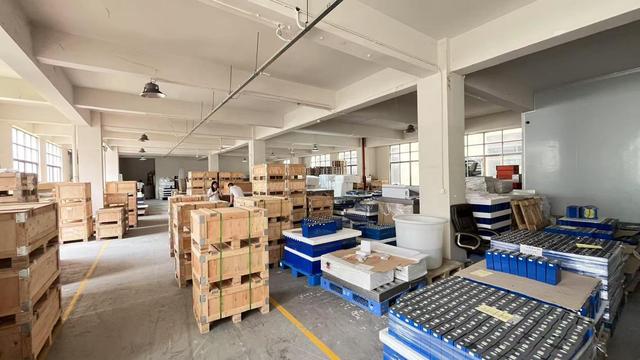
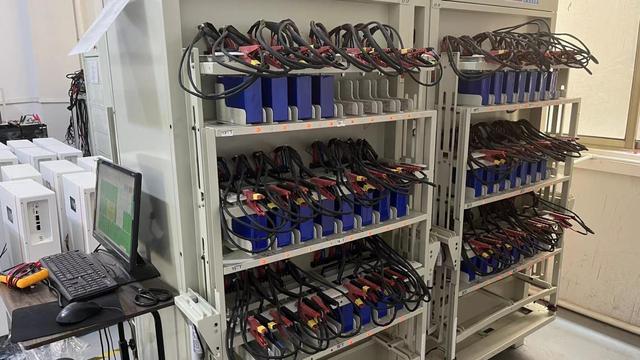
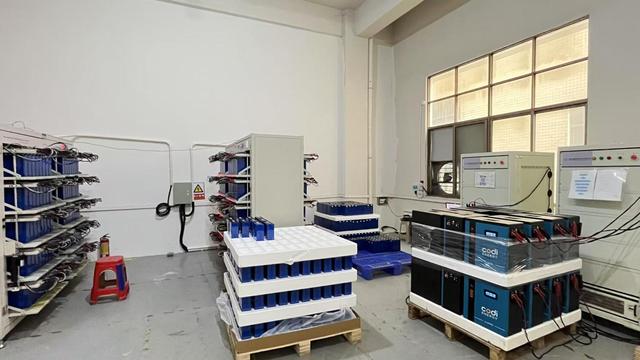
Furthermore, the proximity to the deepwater ports of Shanghai and Ningbo-Zhoushan facilitates highly secure, containerized logistics. Our team handles complete export documentation, hazardous material packing declarations (UN 3480 Lithium-Ion Battery classification), and maritime customs clearances, assuring project developers that their systems will arrive safely, on time, and intact.
Navigating global electrical codes and proving system reliability with recognized safety certifications.
Integrating storage systems into local utility grids requires compliance with a complex web of electrical standards and grid codes. As a global manufacturer, CCSC Energy prioritizes compliance early in the design phase, avoiding costly field modifications during commissioning.
Our core systems carry CE Certification confirming compliance with the Low Voltage Directive (LVD 2014/35/EU), Electromagnetic Compatibility Directive (EMC 2014/30/EU), and Radio Equipment Directive (RED 2014/53/EU). Furthermore, our core lithium chemistry modules are certified under IEC 62619 (safety requirements for large industrial batteries), UL 1973 (batteries for use in stationary applications), and UL 9540A (evaluating thermal runaway fire propagation). These certifications assure project developers, underwriters, and local fire authorities of the system's structural integrity.
Beyond factory-floor compliance, CCSC Energy is building a localized engineering network in key regions, including Europe, North America, and the Middle East. Our regional engineers assist with:
Adjusting the PCS control parameters to satisfy localized Grid Codes, such as VDE-AR-N 4110 in Germany, G99 in the United Kingdom, or IEEE 1547 in North America.
Executing scheduled thermal audits, loop testing, fire-extinguishing fluid inspection, and firmware updates to maintain optimal round-trip efficiency (RTE).
Providing direct channels to technical experts, with remote diagnostic support and critical spare parts dispatch within 24–48 hours, reducing system downtime.
Understanding the regulatory shifts, economic models, and technical advancements shaping energy storage.
The modern energy landscape is undergoing a structural transition driven by the integration of intermittent renewable energy and the electrification of industrial processes. Organizations are deploying advanced energy storage systems to solve real-world grid integration challenges and capture new economic opportunities.
A key driver is the rising volatility in electricity pricing. As solar and wind generation increases, grid systems face extreme price differentials between peak production and peak demand hours. By implementing Peak Shaving & Load Shifting protocols, commercial operations can charge BESS units when prices are lowest (or during solar production peaks) and discharge them during peak demand periods, directly reducing high demand charges.
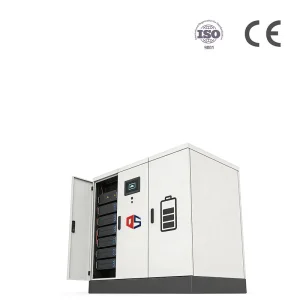
Furthermore, the growth of high-power EV fast-charging networks presents new challenges for distribution grids. Installing multiple 150kW+ DC fast chargers can exceed local substation limits, requiring expensive grid upgrades. Co-locating a CE-certified BESS container, such as our 1MWh or 5MWh container systems, acts as a power buffer. This buffer supplies high peak power during charging sessions and recharges slowly from the grid during off-peak times, keeping infrastructure costs manageable.
How CCSC Energy solutions are deployed to solve specific energy challenges across different sectors.
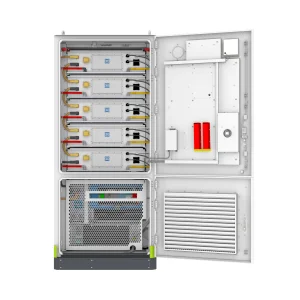
Leveraging liquid-cooled battery cabinets to reduce monthly peak demand charges. By integrating our EMS with local meters, systems automatically shave demand spikes, lowering energy bills and providing critical backup power during grid failures.
Enabling regional grid operators to balance supply and demand with quick-response systems. CCSC systems offer response times under 50 milliseconds, supporting primary frequency control, voltage regulation, and synthetic inertia injections.
Replacing or optimizing diesel generation in remote communities and mining sites. Integrating solar PV with BESS allows diesel generators to run at optimal fuel efficiency or turn off completely, reducing fuel and transport costs.
Answers to common technical, design, and regulatory questions from energy engineers and project procurement specialists.
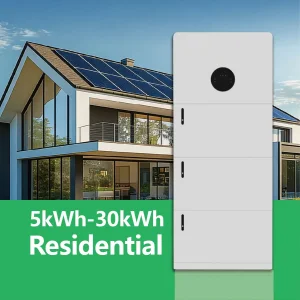
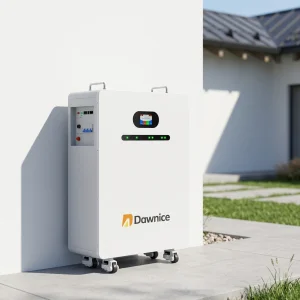
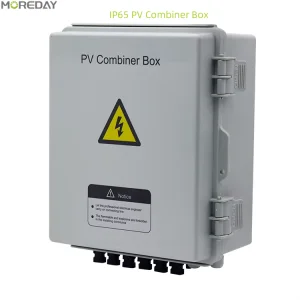
Discover our high-durability residential battery systems, split-hybrid components, and supporting hardware.
 CCSC Energy