CCSC Energy
1 / 5
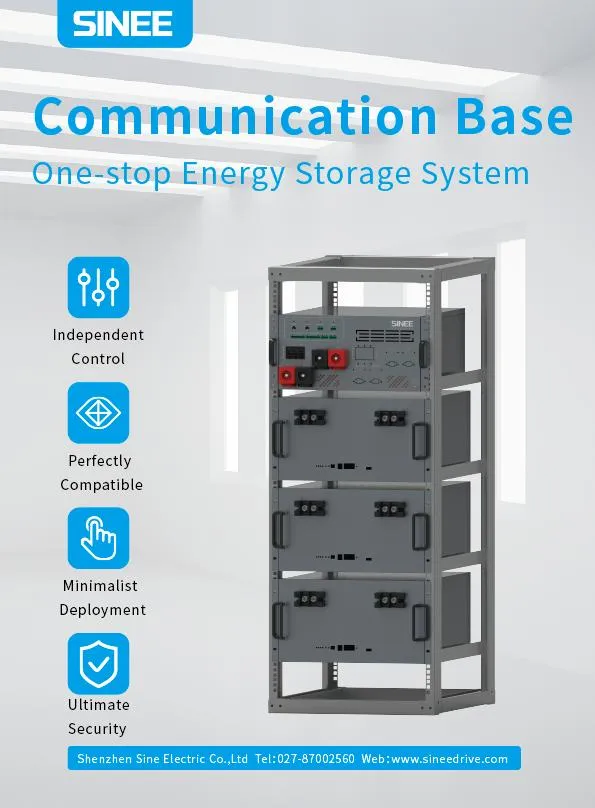
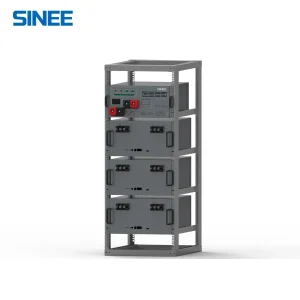
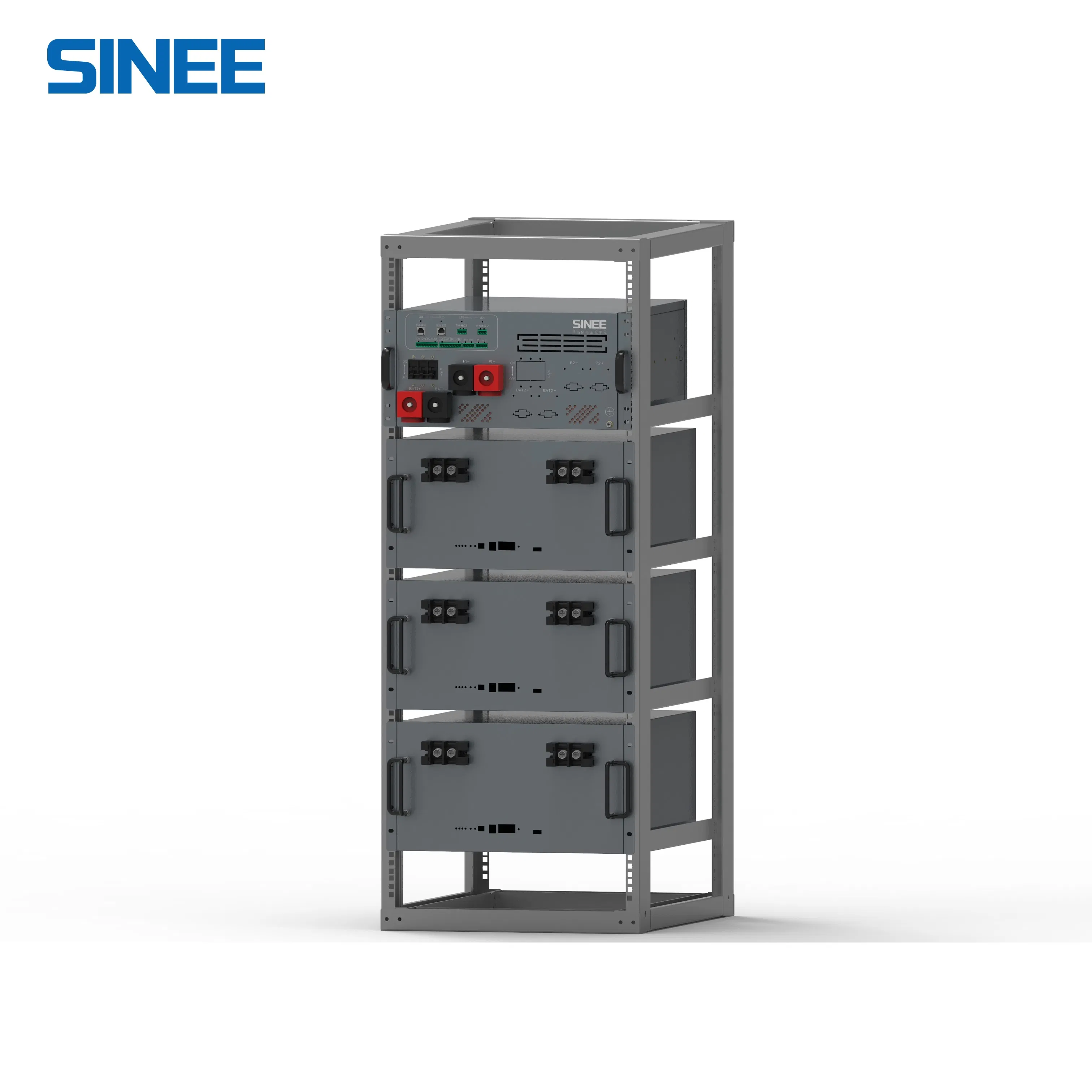
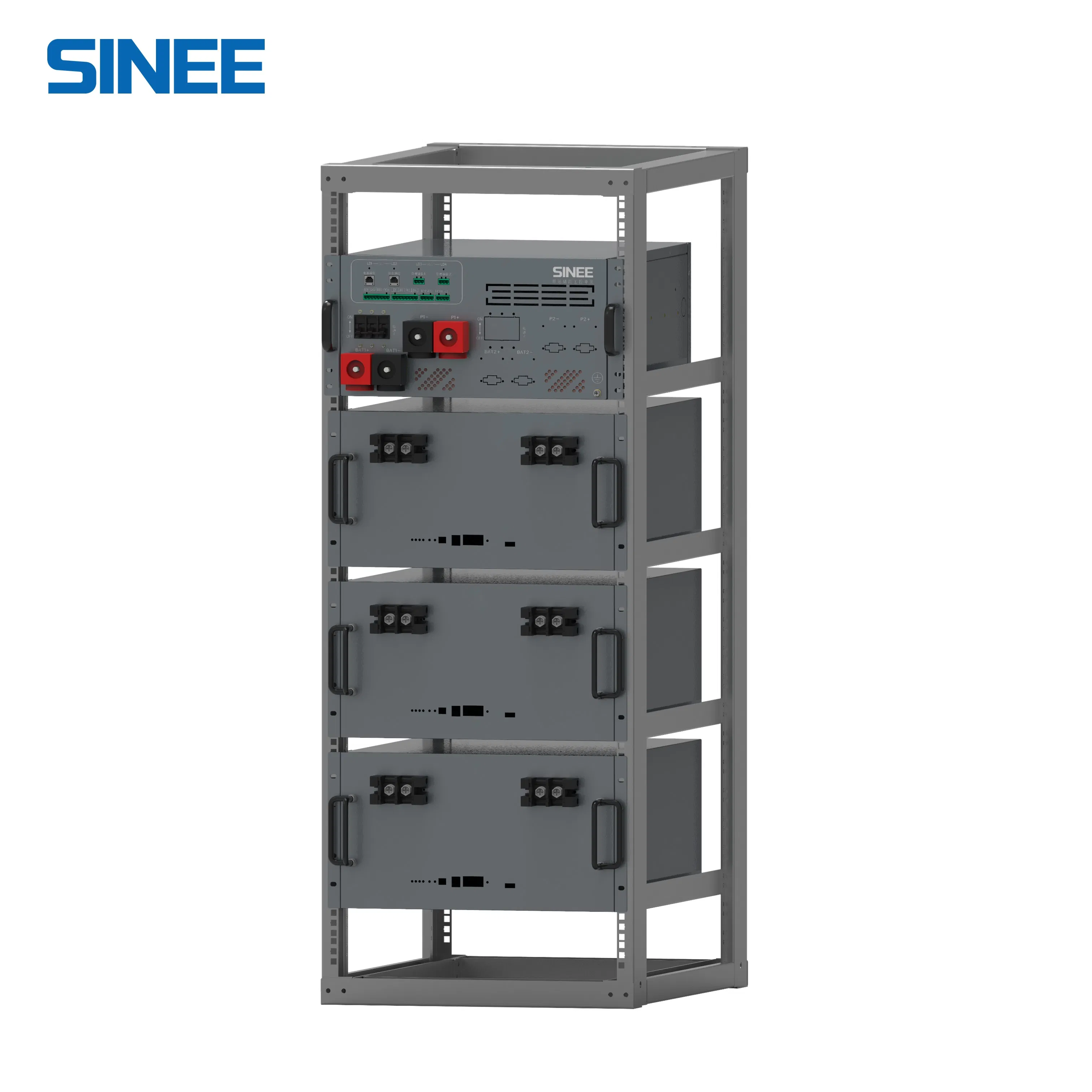
The one-stop energy storage system for communication base stations is specially designed for base station energy storage. Users can use the energy storage system to discharge during load peak periods and charge from the grid during low load periods, reducing peak load demand and saving electricity costs, thus achieving the purpose of improving load characteristics and participating in system peak regulation, while saving electricity costs and maximizing arbitrage.
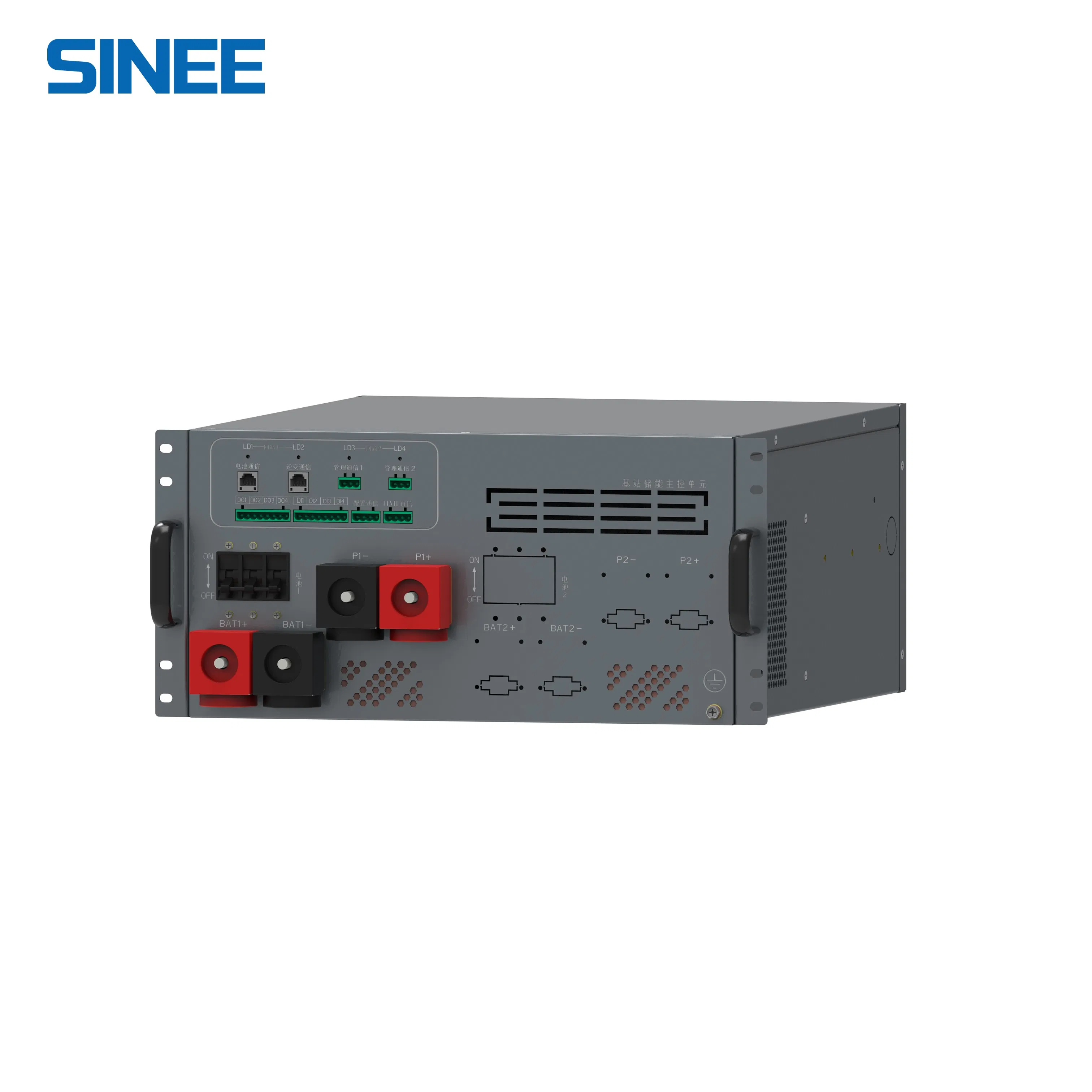
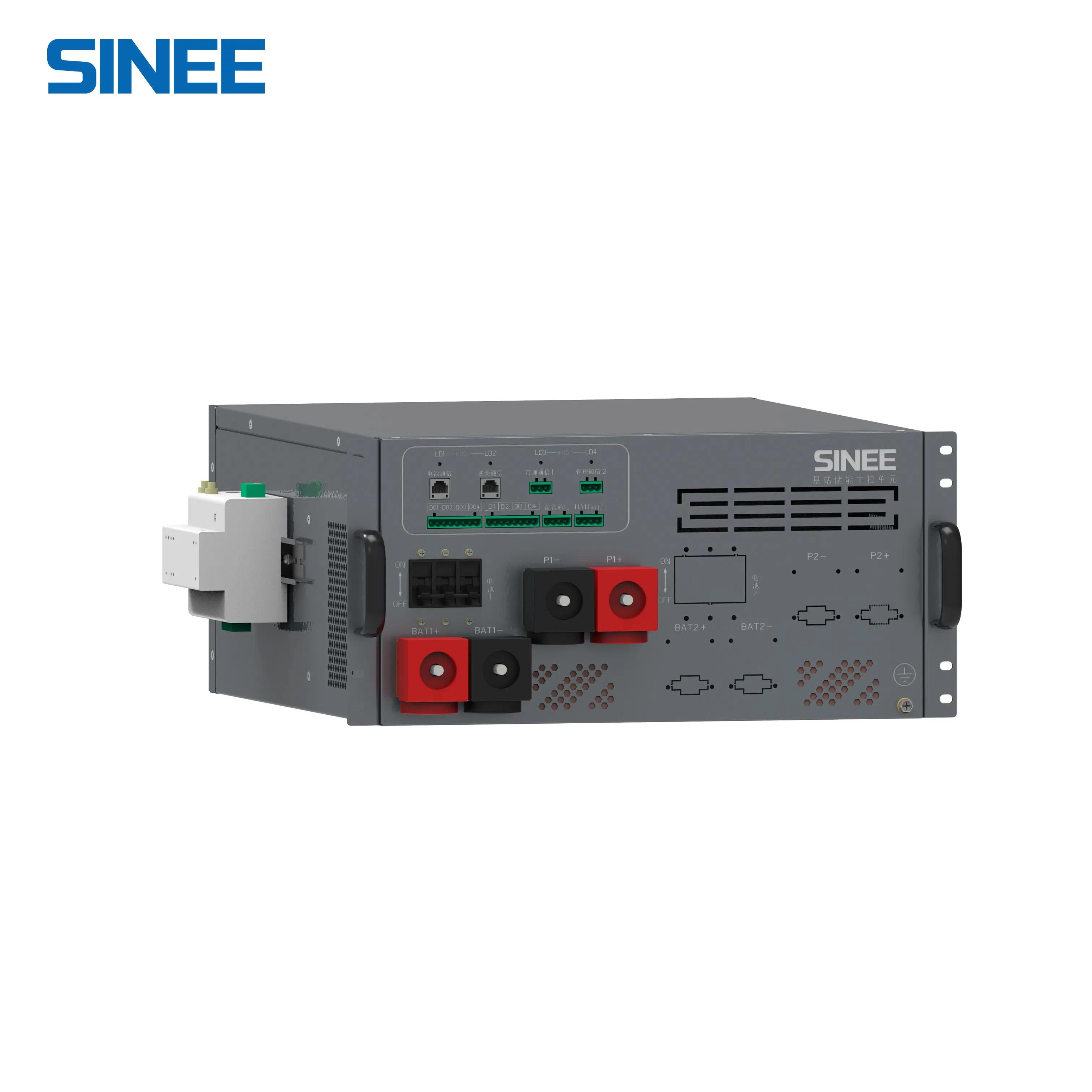
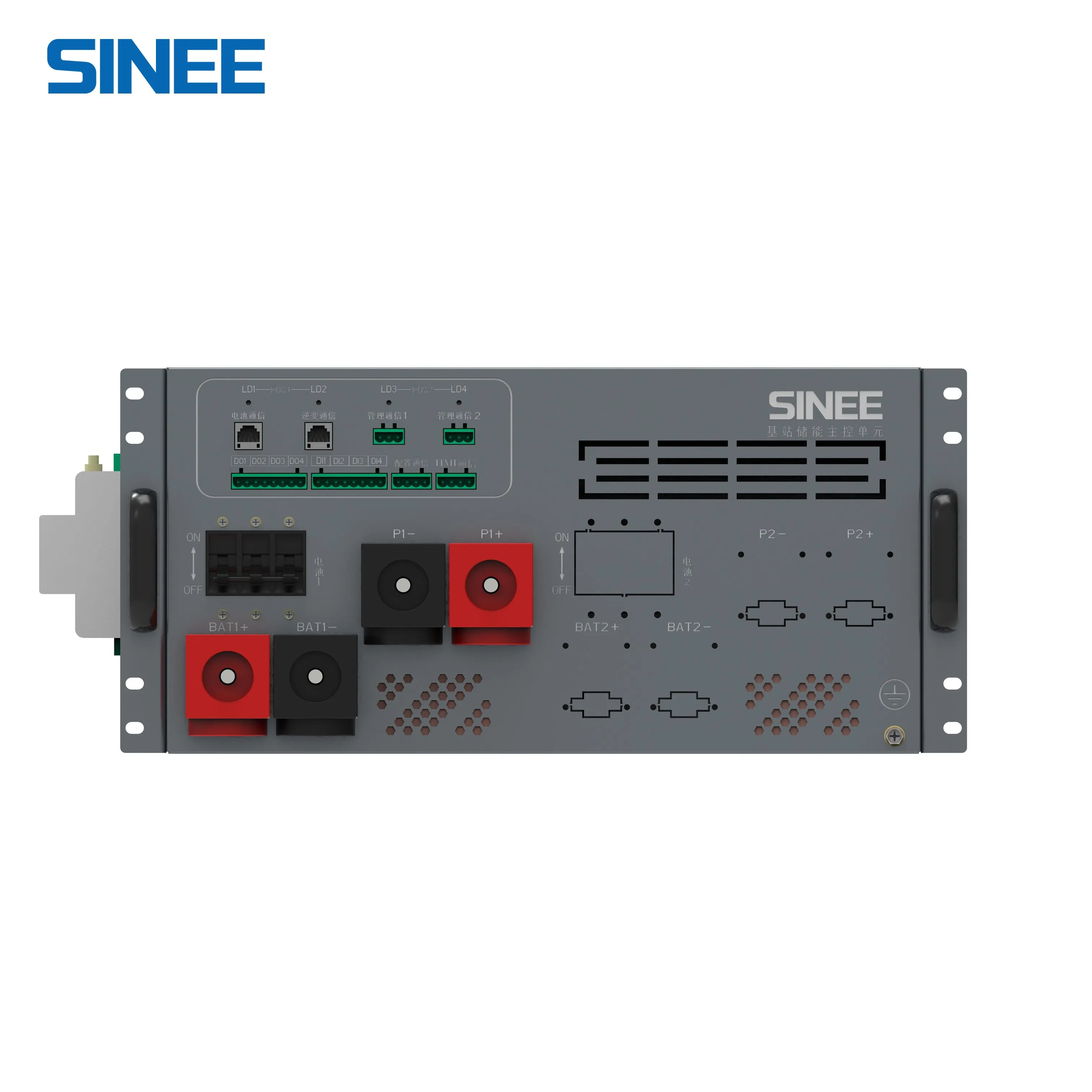
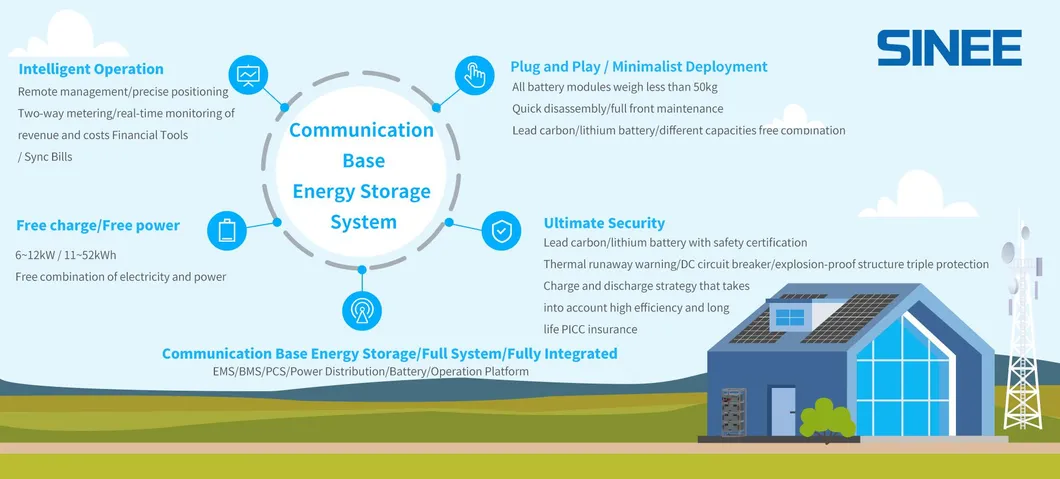
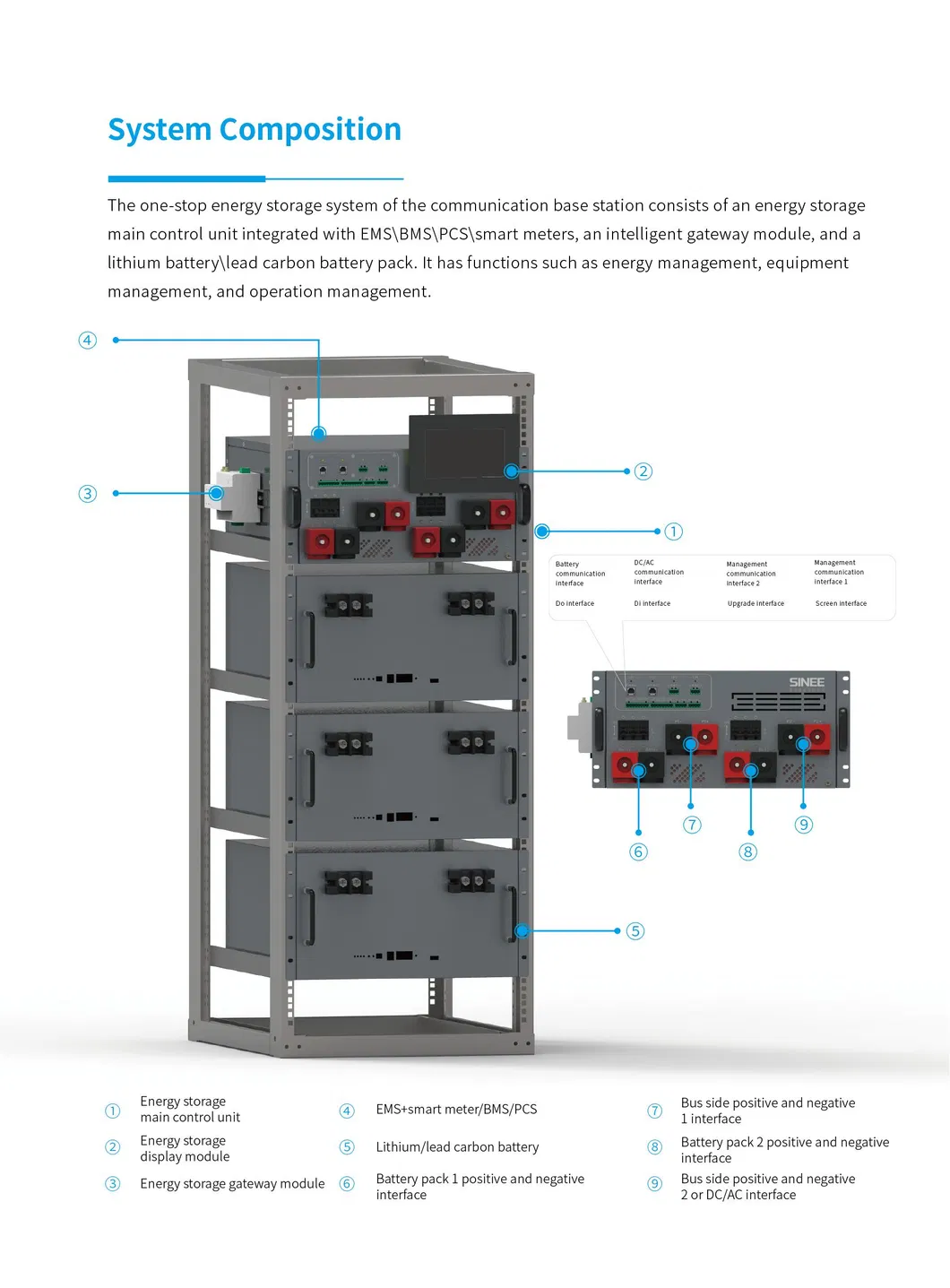
Integrate EMS / BMS / PCS / power distribution / battery / operation platform to provide one-stop system solutions
Each group of batteries is independently controlled, without risk of circulation
Compatible with mainstream batteries on the market, allowing batteries of different types, capacities and batches to be used in parallel
Thermal runaway warning / DC circuit breaker / explosion-proof structure triple protection design
Modular design enables quick disassembly and assembly, and it only takes 15 minutes to complete the installation of a base station
No need to reserve maintenance channels, supports full frontal maintenance, and frees up base station space
Thousands of stations are interconnected to accurately calculate energy storage revenue, remotely monitor equipment status, and achieve efficient operation and maintenance
| Specification Items | Lead Carbon System | Lithium Battery System | |
|---|---|---|---|
| Mechanical Properties | Specification | Rack mount | Rack mount |
| Weight | 860kg (2V500Ah 22 pieces/group system) Modular capacity can be increased according to needs |
370kg (3.2V230Ah 15 pieces/group system, 3 groups) can be modularly expanded according to needs | |
| Size(L*W*H) | 1040mm*540mm*1485mm | 680mm*489.5mm*1528mm | |
| Cooling Method | Air Cooling | Air Cooling | |
| Electrical Characteristics | Power Capacity | 22kWh | 33.12KWh |
| Voltage Range | DC bus side: 42VDC~58VDC | DC bus side: 42VDC~58VDC | |
| Energy storage battery pack: 38.5VDC~53.9VDC | Energy storage battery pack: 38.5VDC~53.9VDC | ||
| Current | Charging: 1A~109A, discharging: 0A~95A | Charging: 1A~109A, discharging: 0A~95A | |
| Voltage stabilization accuracy | ≤1% | ≤1% | |
| Overcurrent protection | Max: 150A | Max: 150A | |
| Power Configs | 6kW, 12kW, 18kW, 24kW, optional configurations | 6kW, 12kW, 18kW, 24kW, optional configurations | |
| Efficiency | ≥95% | ≥95% | |
| Output ripple peak to peak | Ripple peak-to-peak value ≤200mV (YD/T 731) | Ripple peak-to-peak value ≤200mV (YD/T 731) | |
| MTBF | >100000 Hours (25ºC) | >100000 Hours (25ºC) | |
| Northbound communication interface | Communication method: Isolated RS485*1 | Communication method: Isolated RS485*1 | |
| Support protocol content: support modbus protocol format | Support protocol content: support modbus protocol format | ||
| Southbound communication interface | Communication method: Isolated RS485*1 | Communication method: Isolated RS485*1 | |
| Usage Environment | Ambient Temperature | -20-50ºC (working around 25ºC) | -20-50ºC (working around 25ºC) |
| Relative humidity | ≤95% | ≤95% | |
| Atmospheric Pressure | 61kPa~113kPa | 61kPa~113kPa | |
| Installation Environment | Indoor | Indoor | |
| Protection Level | IP21 | IP21 | |
| EMC Standards | Electrostatic discharge immunity | GB/T 17626.2-2018 Level 4 requirements | GB/T 17626.2-2018 Level 4 requirements |
| Conducted disturbance limits | GB 9254-2008 CLASS A | GB 9254-2008 CLASS A | |
| Radiation disturbance limits | GB 9254-2008 CLASS B | GB 9254-2008 CLASS B | |
| Surge anti-interference | GB/T 17626.5-2019 | GB/T 17626.5-2019 | |
| Lightning protection | YD5098-2005 | YD5098-2005 | |
The system allows base stations to store energy during low-load periods when electricity rates are lower, and discharge the stored energy during peak-load periods. This peak-shaving capability reduces grid electricity demand during expensive peak pricing, leading to significant cost savings.
Yes, the system is perfectly compatible with mainstream batteries on the market. Due to its advanced independent control features, you can parallel batteries of different types, capacities, and production batches without the risk of circulating currents.
The system utilizes a triple protection design including thermal runaway warning systems, DC circuit breakers, and an explosion-proof physical structure to ensure the highest safety and stability levels.
Thanks to its modular design, the system supports quick disassembly and assembly. A full base station installation can be completed in only 15 minutes.
The Lead Carbon system offers a 22kWh capacity and weighs 860kg, while the Lithium Battery system provides a higher capacity of 33.12kWh in a lighter package weighing 370kg. Both systems utilize rack-mount formats and air cooling.