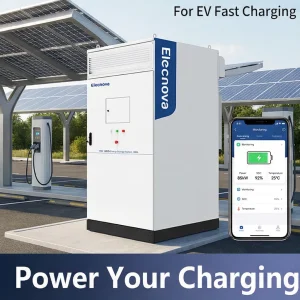
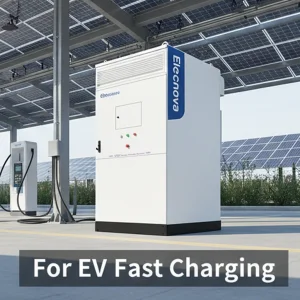
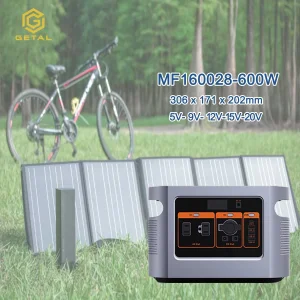
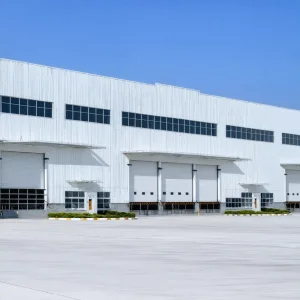
High-capacity infrastructure systems custom-configured to withstand tropical climates, coastal humidity, and critical load demands across Jakarta's industrial clusters.
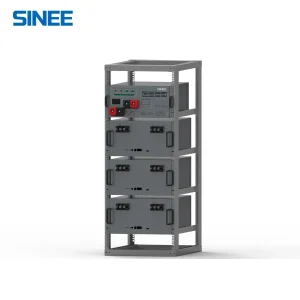
As the economic engine of Indonesia, the Special Capital Region of Jakarta and its surrounding industrial satellites (including MM2100, Jababeka, and Karawang Industrial Estates) are undergoing an unprecedented structural transition. The national mandate to hit Net-Zero Emissions (NZE) by 2060, coupled with PT PLN (Persero)'s RUPTL decarbonization targets, has accelerated the deployment of distributed renewable systems. However, integrating massive solar photovoltaic arrays and wind farms into the existing grid without energy storage creates critical challenges: voltage fluctuation, grid frequency degradation, and power curtailment.
Sustainable Power Storage Infrastructure is no longer a luxury but an operational imperative. Large manufacturing centers and hyperscale data centers in Jakarta require highly robust Battery Energy Storage Systems (BESS) to buffer load, manage peak demand (Peak Shaving), and provide uninterrupted backup power. With high ambient temperatures and severe coastal humidity, these systems must utilize advanced thermal management, high chemical stability, and smart battery management technologies to survive and run efficiently.
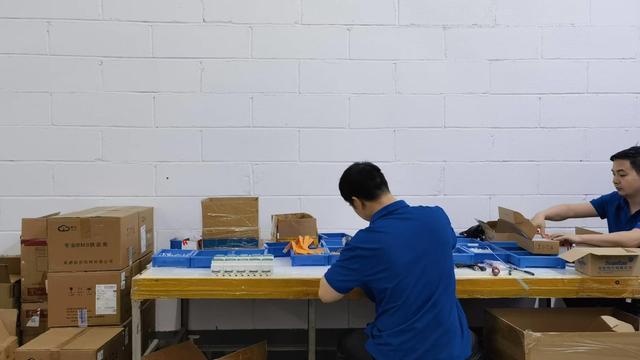
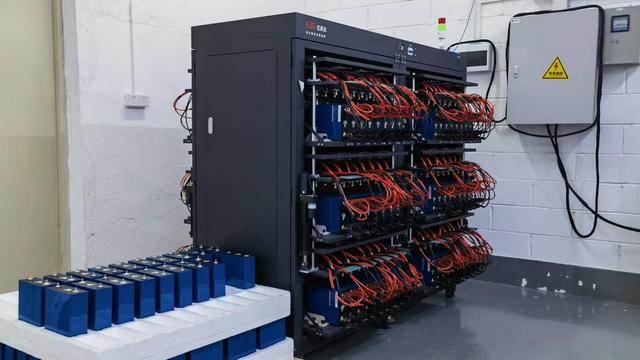
The engineering blueprint of a reliable BESS is built upon a tier-one component topology. We leverage Lithium Iron Phosphate (LiFePO4) chemistry due to its inherently high thermal runaway threshold (up to 270°C) and long cycle life of over 6,000 cycles at 80% Depth of Discharge (DoD). This makes it vastly superior to ternary lithium-ion chemistries under tropical environmental conditions.
An active liquid-cooling loop keeps thermal gradients between cells to less than 2°C, which minimizes degradation mismatch and prevents localized hot spots. This thermal system is paired with a three-tier Battery Management System (BMS) that monitors cell voltage, state-of-charge (SoC), and state-of-health (SoH). It integrates seamlessly with external Modbus TCP/IP, CAN, and IEC 61850 industrial network protocols to communicate directly with corporate SCADA and power monitoring servers.
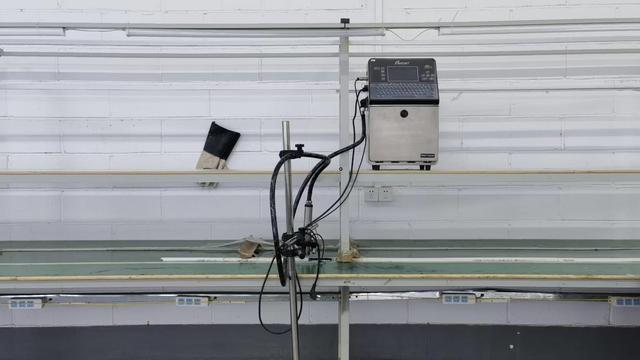
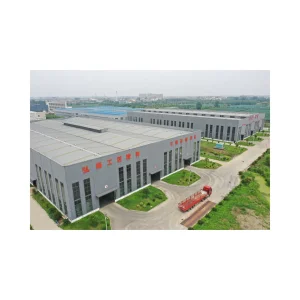
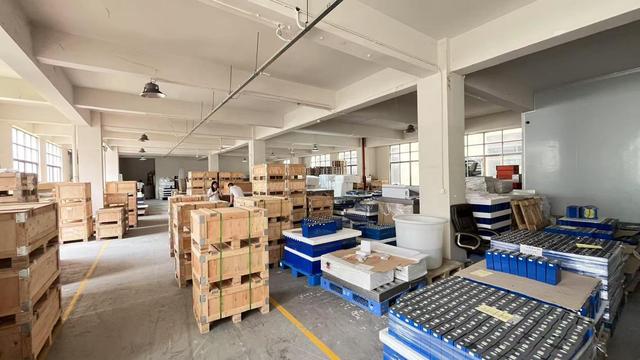
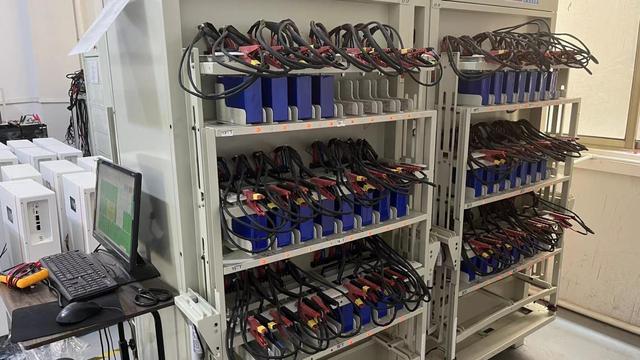
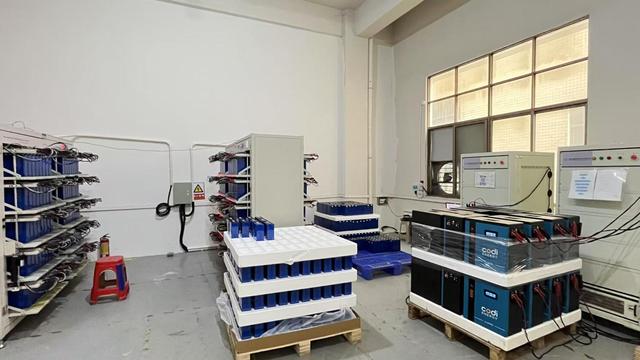
As a global pioneer in BESS system integration, Hangzhou CCSC Energy Co., Ltd. plays a vital role in providing high-reliability, cost-optimized energy infrastructure to the Indonesian market. By maintaining deep strategic partnerships with tier-one battery cell manufacturers and utilizing our advanced, automated manufacturing base in Hangzhou, China, we ensure complete supply-chain control, exceptional quality checks, and cost advantages.
Our export operations are highly optimized for direct shipping routes to Tanjung Priok Port, Jakarta, minimizing transit times to under 12 days. This reliable pipeline ensures that large-scale utility infrastructure and microgrid developers in Indonesia can meet tight construction schedules without worrying about component delays or quality variations.
From dense urban data hubs to remote island microgrids, our storage architectures are built to perform across diverse local conditions.
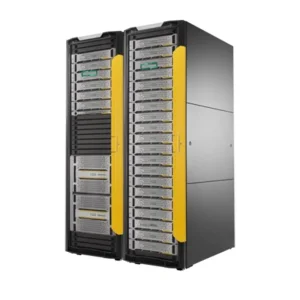
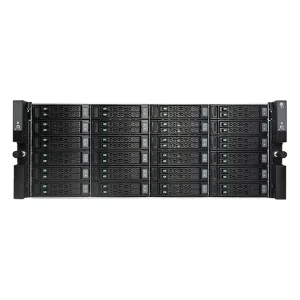
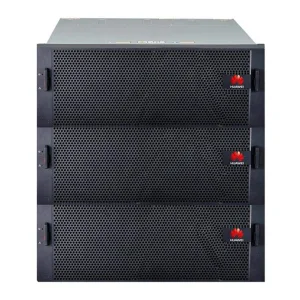
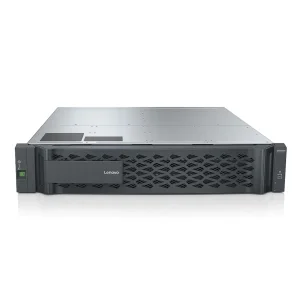
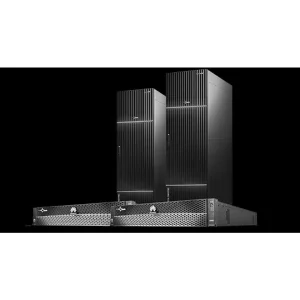
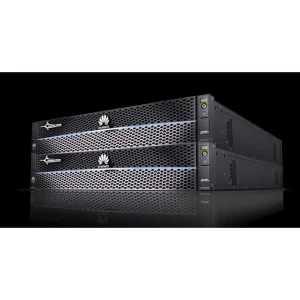
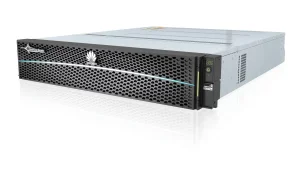
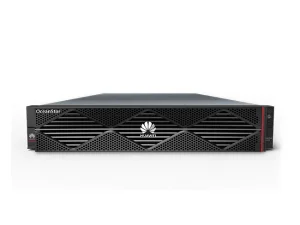
Hyperscale and edge data centers in the Greater Jakarta area require clean, continuous backup power to run 24/7. Integrating high-performance BESS with our Huawei-based high-end intelligent flash storage arrays guarantees uninterrupted power, immediate backup response, and smooth generator-start transitions.
Offgrid areas, remote tourist resorts, and outer islands in Kepulauan Seribu require independent microgrid solutions. Our Eco-E101wx systems combine solar, wind, and battery storage to replace costly, high-emission diesel generators, providing clean power and lowering fuel transit risks.
Jakarta's fishing and maritime industry depends heavily on cold-chain infrastructure. Our solar-powered refrigeration units and containerized cold storages preserve freshness and prevent food waste by keeping cooling systems running continuously during grid brownouts.
Navigating the regulatory landscape in Indonesia requires a partner who understands local standards. Setting up commercial BESS projects involves working closely with ESDM (Ministry of Energy and Mineral Resources) and PLN grid connection regulations. We assist our customers and local EPC partners in obtaining necessary certifications, conducting grid impact studies, and meeting the local content requirements (TKDN - Tingkat Komponen Dalam Negeri) through local assembly partnerships.
Our systems conform to international safety regulations including IEC 62619 (cell safety), IEC 63056 (safety of battery energy storage systems), and UN 38.3 (transportation safety), which ensures smooth shipping, customs clearance, and system approvals.
Browse our selection of advanced high-capacity energy storage batteries, hybrid controller units, structural prefabricated cold storage facilities, and high-performance network data systems.
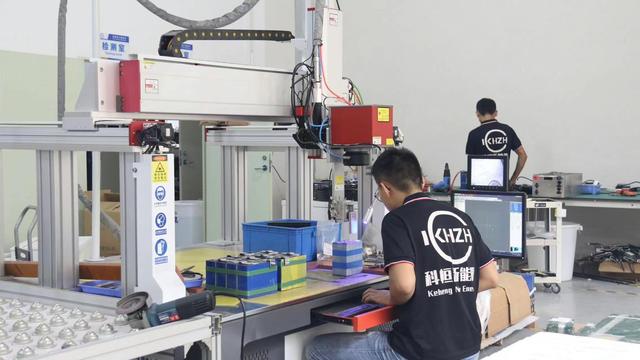
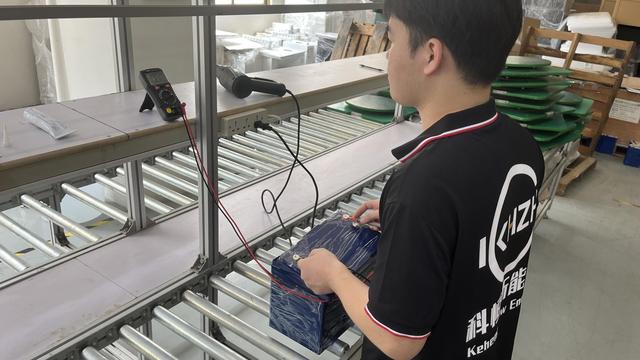
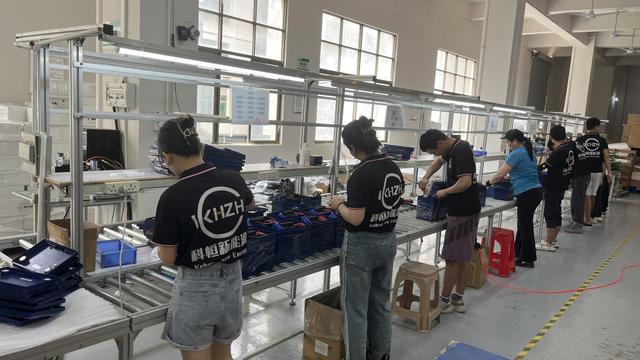
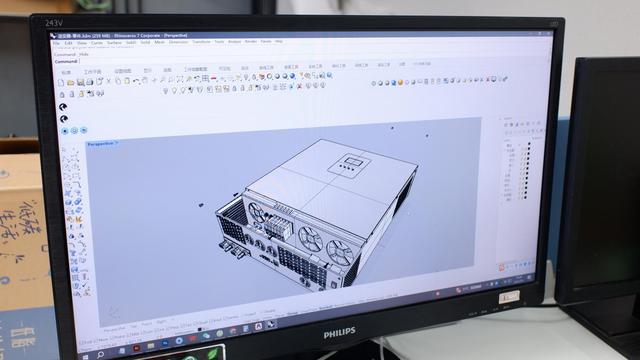
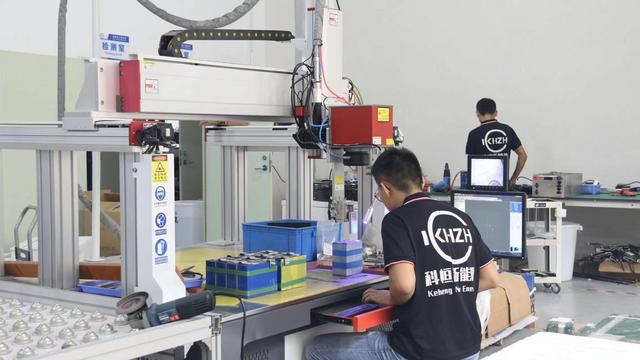
Explore our manufacturing, assembly, and quality verification facilities in Hangzhou, where systems undergo rigorous thermal cycle testing and capacity calibration.
Addressing regulatory compliance, local operational performance, environmental endurance, and technical specifications.
Get in touch with our applications engineering team to configure a battery energy storage system, schedule a technical design review, or request detailed pricing for project delivery in Jakarta.
Send Inquiry Now CCSC Energy