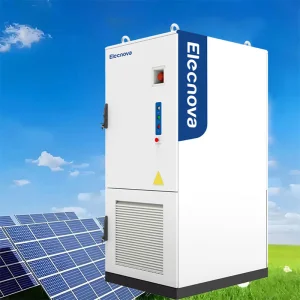
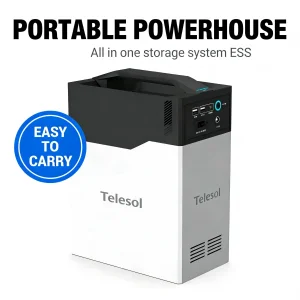
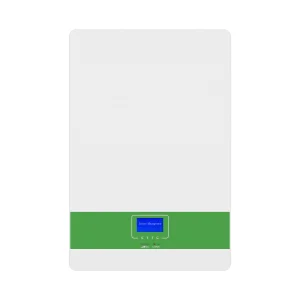
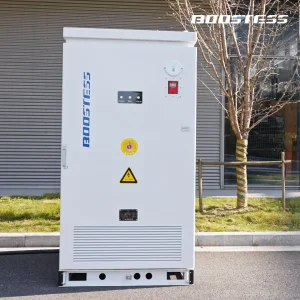
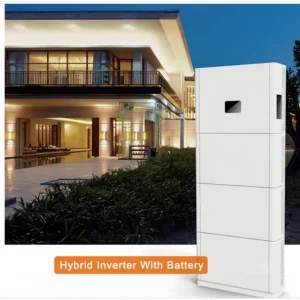
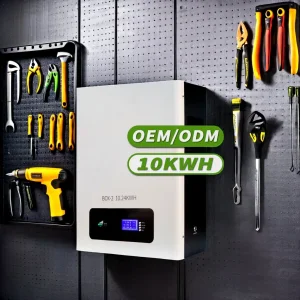
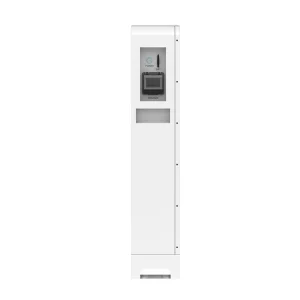
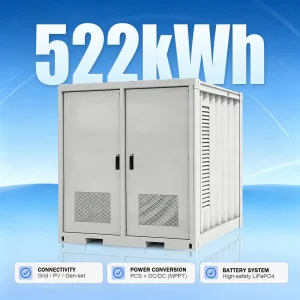
Tailored utility and industrial energy designs delivering off-grid stability and high thermal thresholds.
Cameroon's energy architecture presents a unique blend of massive hydropower potential and acute distribution bottlenecks. While the national generation relies heavily on hydro assets like the Song Loulou, Lagdo, and Lom Pangar reservoirs, dry seasonal flows trigger severe load-shedding across major industrial hubs, including Douala, Yaoundé, and Bafoussam. Local enterprises and manufacturing plants face severe power reliability challenges, marked by voltage fluctuations, transient surges, and extended outages that disrupt production lines and damage capital-intensive machinery.
Historically, commercial and industrial (C&I) operations in Cameroon have relied on large-scale diesel gensets to bridge these grid deficits. However, with fuel tariffs rising, the Levelized Cost of Energy (LCOE) from diesel generation is becoming financially unsustainable. Solar Energy Storage Integration offers a viable path toward energy independence. By coupling localized photovoltaic (PV) systems with high-density Battery Energy Storage Systems (BESS), Cameroonian factories, mining operations, agricultural processing zones, and logistics centers can transition to self-sustained microgrids. This shifts their operational profiles from diesel-first to solar-first, offering substantial environmental and economic benefits.
Active mitigation of voltage sags and frequency deviations common in the local utility transmission networks, ensuring seamless operations for sensitive industrial loads.
Integrated hybrid controls dynamically throttle diesel gensets during peak solar irradiation, achieving fuel reduction margins of up to 60-70% depending on storage configuration.
Micro-second scale automated transfer switches (ATS) transition critical facility loads from utility grid connection to BESS-driven off-grid islanding mode.
International engineering, procurement, and construction (EPC) firms, along with local Cameroonian developers, require strict technical parameters when selecting a factory-integrated energy storage partner. Operating in hot, humid tropical climates requires highly specialized thermal management, electrical protection, and high-performance battery cells. Standards for procurement are defined by life-cycle cost efficiency, safety, and system integration capability.
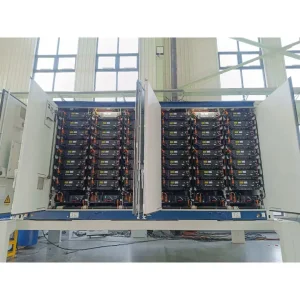
For Cameroon's developing commercial zones, modular scalability is also essential. Integrated containerized systems allow operators to start with a 1MW / 2MWh configuration and expand dynamically to 5MWh or more as demand increases. This phased approach helps reduce upfront capital expenditure (CAPEX) while future-proofing regional infrastructure.
Transitioning Cameroon’s primary production sectors (agricultural processing, wood mills, mining, and food packaging) to stable energy profiles requires customized macro solutions. CCSC Energy has developed a comprehensive roadmap designed to address these regional challenges:
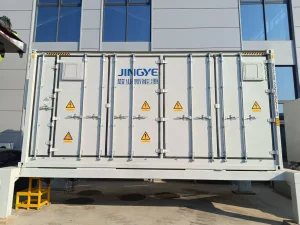
Deploying centralized containerized energy storage (up to 5MWh capacity per 20ft container) at key transmission nodes helps smooth out fluctuations in hydro generation. This helps prevent regional blackouts during periods of low water levels in hydro basins.
A smart Energy Management System (EMS) coordinates solar output, battery bank state of charge (SoC), and diesel generator dispatch. It limits generator operations to their peak efficiency range, preventing low-load carbon fouling and saving fuel.
For metropolitan areas under high demand tariffs, peak shaving systems discharge power during the utility's peak hours. This lowers peak demand charges and protects internal electrical networks from grid strain.
Hangzhou CCSC Energy Co., Ltd. is a professional Energy Storage System Manufacturer specializing in battery energy storage, renewable power integration, and smart energy solutions for residential, commercial, industrial, and utility-scale applications. Based in Hangzhou, China, the company focuses on developing advanced energy storage technologies that help customers improve energy efficiency, enhance power reliability, and support the transition toward sustainable energy systems.
With expertise in energy storage engineering and system integration, CCSC Energy provides comprehensive solutions covering battery energy storage systems (BESS), renewable energy storage integration, commercial and industrial energy storage, backup power systems, microgrid applications, distributed energy infrastructure, and intelligent energy management platforms. Its solutions are designed to support a wide range of applications, including solar energy utilization, peak demand management, grid stabilization, emergency power supply, and energy cost optimization.
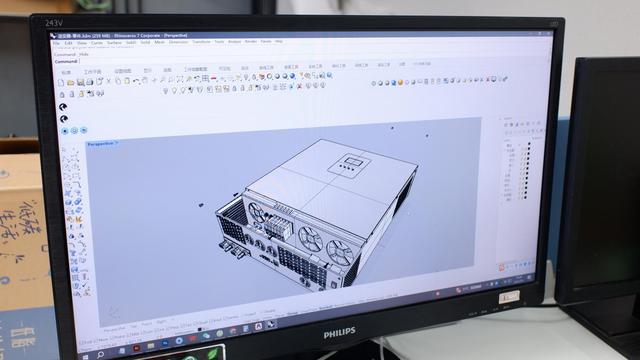
The company is committed to delivering safe, efficient, and scalable energy storage solutions tailored to the needs of modern energy users. Its engineering team works closely with customers, project developers, EPC contractors, and energy service providers to design systems that align with specific operational requirements, performance objectives, and regulatory standards. From project planning and system design to manufacturing and technical support, CCSC Energy offers comprehensive services throughout the project lifecycle.
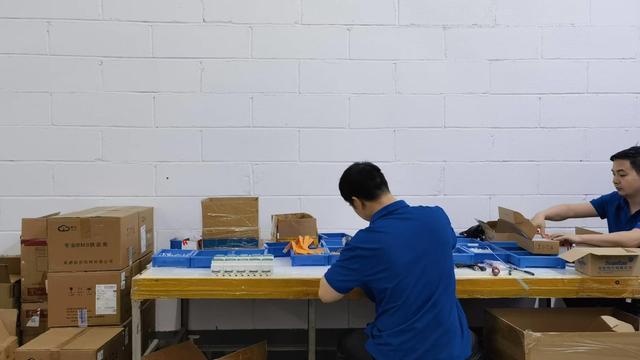
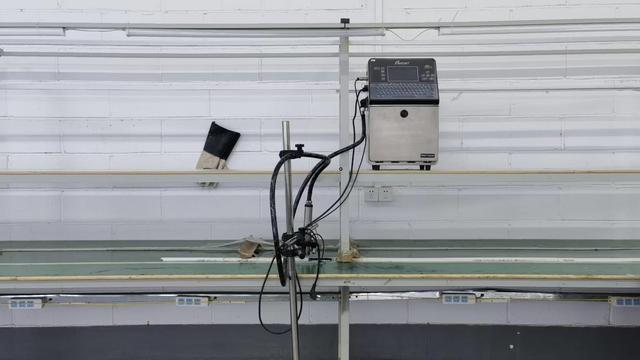
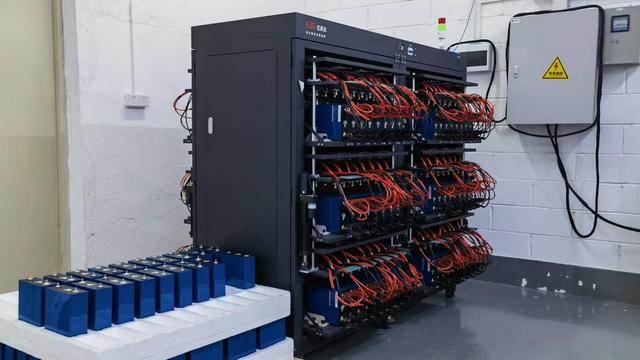
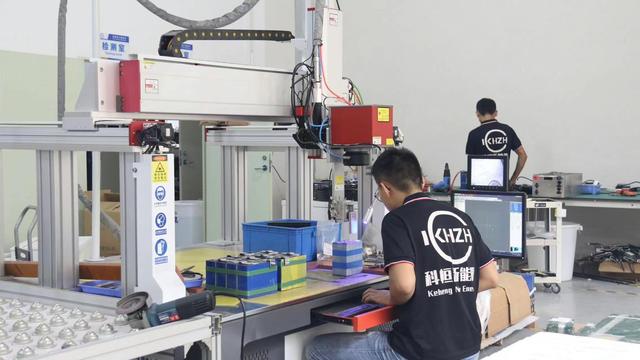
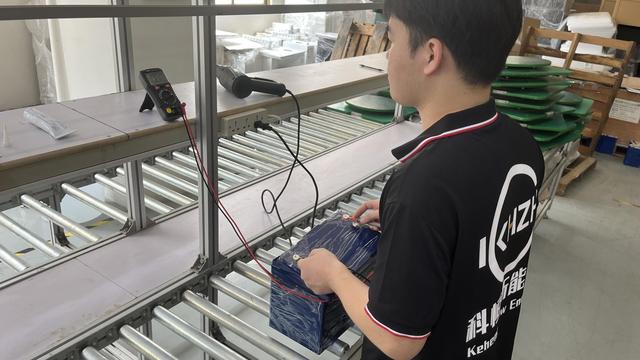
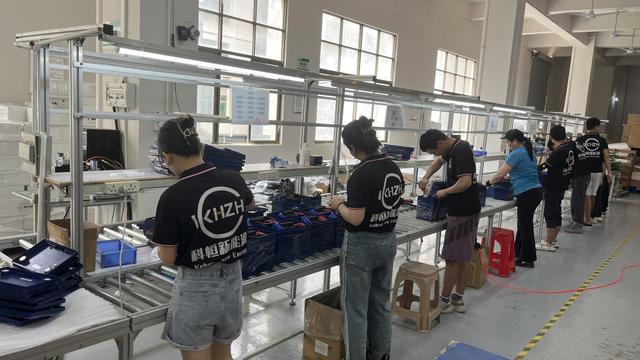
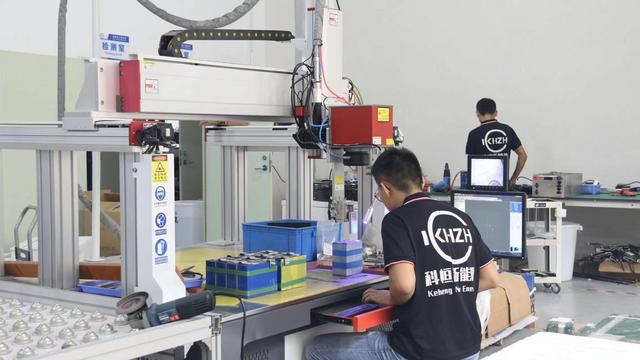
Equipped with advanced manufacturing facilities and stringent quality management processes, the company emphasizes product reliability, operational safety, and long-term performance. Continuous investment in research and development enables CCSC Energy to integrate intelligent monitoring technologies, advanced battery management systems, and smart energy control platforms into its solutions.
Serving customers across Asia, Europe, North America, South America, the Middle East, and other global markets, Hangzhou CCSC Energy Co., Ltd. is dedicated to providing innovative energy storage solutions that support renewable energy adoption, strengthen power resilience, and contribute to a more efficient and sustainable energy future.
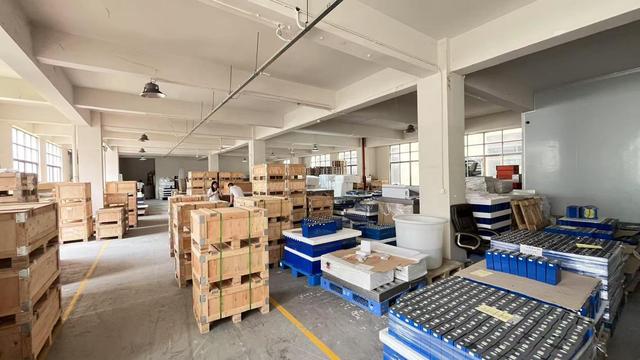
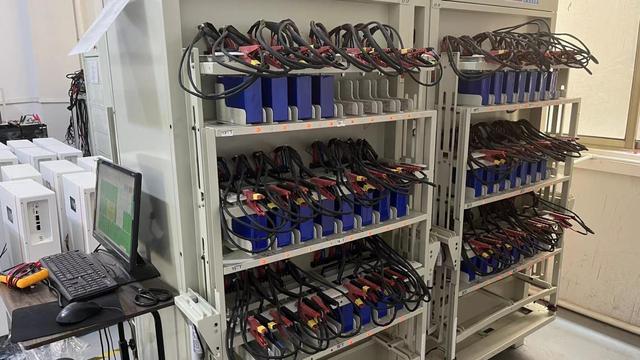
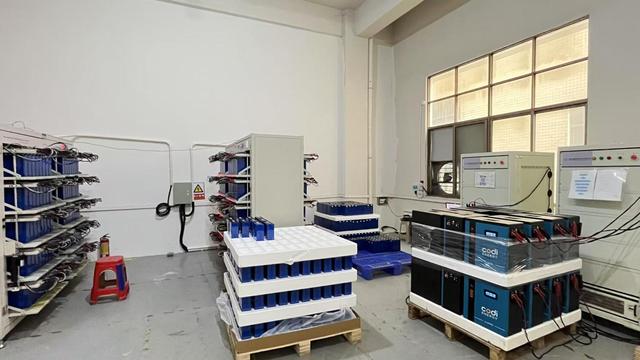
Deploying advanced industrial equipment in Sub-Saharan Africa requires strong logistical and compliance frameworks. CCSC Energy simplifies the procurement process for developers by providing direct, factory-to-project support:
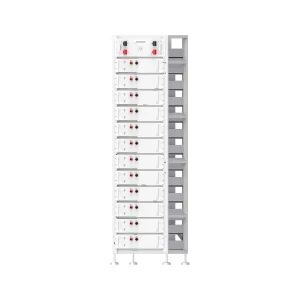
Fully integrated battery containers and modular energy solutions engineered to maximize solar efficiency and grid resilience.
 CCSC Energy