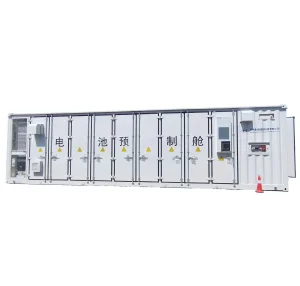
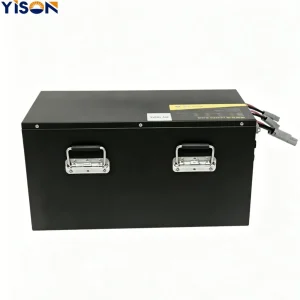
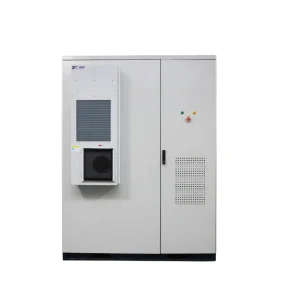
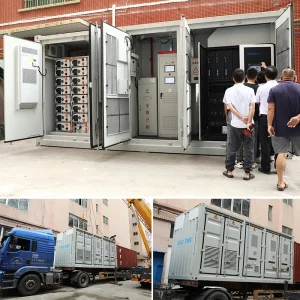
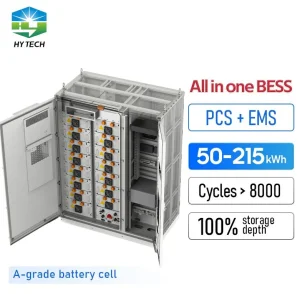
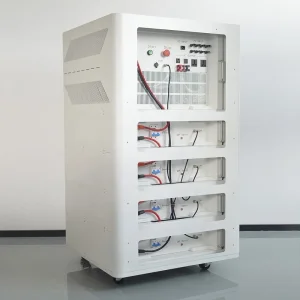
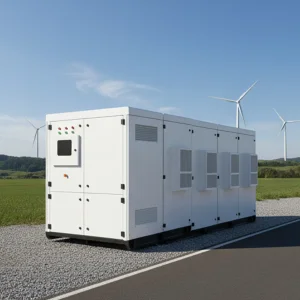
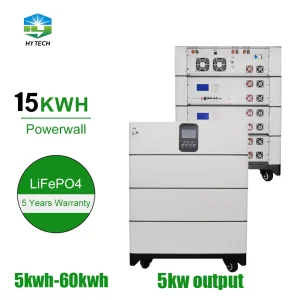
Engineered to address solar intermittency, grid instability, and commercial time-of-use tariffs. Browse our top four commercial and industrial solutions.
Thailand is undergoing one of the most rapid clean energy transformations in Southeast Asia. Under the national Alternative Energy Development Plan (AEDP) and the updated Power Development Plan (PDP 2018-2037), the country aims to source more than 30% of its total energy generation from renewable sources by 2037. The rapid expansion of utility-scale solar farms, rooftop photovoltaic installations in manufacturing districts, and wind installations in northeastern provinces has significantly greened the Thai national grid. However, this transition introduces substantial challenges to transmission system stability.
For industries located in Thailand's Eastern Economic Corridor (EEC)—including Chonburi, Rayong, and Chachoengsao—grid reliability is essential for maintaining precision manufacturing, automotive assembly, and chemical processing. Intermittent solar supply cannot support heavy inductive motor starting currents and continuous line operations without substantial buffer assets. This is where high-capacity Battery Energy Storage Systems (BESS) become critical, enabling industrial operations to manage fluctuations, bypass voltage sags, and optimize tariff expenditure.
Peak Demand Management: Heavy industries face significant peak tariff rates. Storage solutions allow facility managers to charge batteries during low-cost off-peak hours and discharge during premium tariff periods.
Power Quality Mitigation: Minimizes cost impacts from micro-interruptions and frequency drops which can disrupt automated robotic assemblies.
Lithium Iron Phosphate (LiFePO4) has become the global standard for stationary industrial storage. Known for its safety, thermal stability, and cycle life (often exceeding 6,000 cycles at 80% Depth of Discharge), LFP technology is highly suited to the high ambient operating temperatures of locations like Thailand.
Modern containerized configurations are shifting toward advanced liquid cooling systems. By maintaining cell-to-cell temperature variations within 2°C, thermal runaway risks are reduced while maximizing overall system round-trip efficiency (RTE).
Deploying AI-driven Energy Management Systems (EMS) allows facilities to execute automated arbitrage, monitor state-of-health (SoH) down to the cell level, and participate in grid frequency response networks.
From isolated island microgrids to urban commercial complexes in Bangkok, we provide tailored integration systems configured for high ambient humidity, heavy rains, and specific local regulatory grid codes (PEA, MEA, EGAT).
Manufacturing facilities utilizing high-capacity solar setups frequently lose excess production during weekends and peak solar hours due to strict grid feed-in limits. Implementing 215kWh to 6.7MWh modular storage setups allows plants to store clean energy locally. Captured energy is discharged during peak periods to lower operations costs and support carbon-neutrality targets.
Thailand's resort islands rely on diesel generators, which bring high shipping costs and noise pollution. Solar-plus-storage microgrids provide quiet, stable 24/7 power. They protect delicate local environments while lowering energy generation costs by up to 60%.
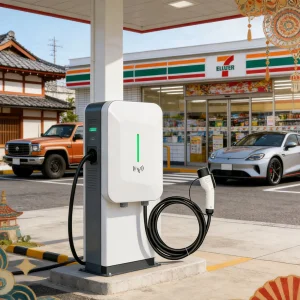
With the rapid adoption of electric vehicles in Thailand, urban shopping centers and highway transit hubs require ultra-fast chargers. Instantly pulling 150kW+ from local distribution grids can trigger voltage sag penalties. BESS units act as dynamic energy reservoirs, discharging to assist the grid during fast-charging sessions.
Thailand's large agricultural exports rely on uninterrupted cold chain systems. In rural agricultural regions, grid drops can lead to product spoilage. Integrating solar with dedicated containerized energy storage secures continuous cooling lines, protecting production yield and quality.
Hangzhou CCSC Energy Co., Ltd. is a professional Energy Storage System Manufacturer specializing in battery energy storage, renewable power integration, and smart energy solutions for residential, commercial, industrial, and utility-scale applications. Based in Hangzhou, China, the company focuses on developing advanced energy storage technologies that help customers improve energy efficiency, enhance power reliability, and support the transition toward sustainable energy systems.
With expertise in energy storage engineering and system integration, CCSC Energy provides comprehensive solutions covering battery energy storage systems (BESS), renewable energy storage integration, commercial and industrial energy storage, backup power systems, microgrid applications, distributed energy infrastructure, and intelligent energy management platforms. Its solutions are designed to support a wide range of applications, including solar energy utilization, peak demand management, grid stabilization, emergency power supply, and energy cost optimization.
The company is committed to delivering safe, efficient, and scalable energy storage solutions tailored to the needs of modern energy users. Its engineering team works closely with customers, project developers, EPC contractors, and energy service providers to design systems that align with specific operational requirements, performance objectives, and regulatory standards. From project planning and system design to manufacturing and technical support, CCSC Energy offers comprehensive services throughout the project lifecycle.
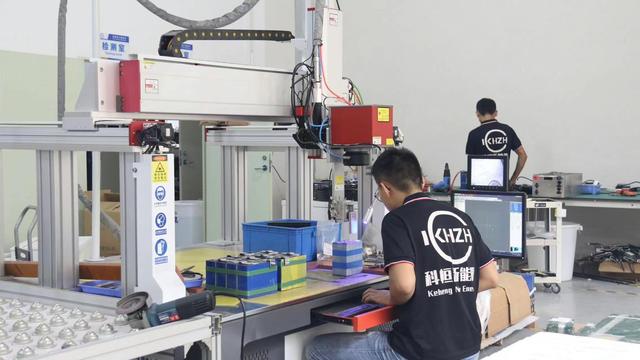
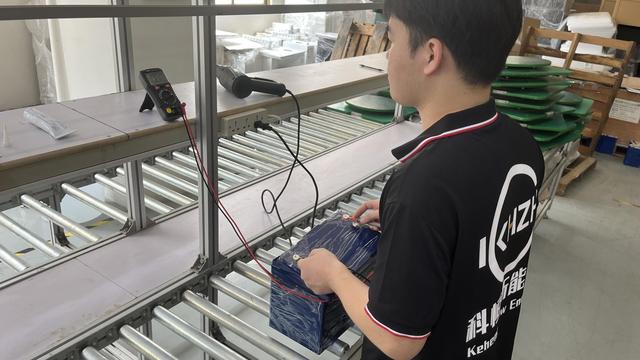
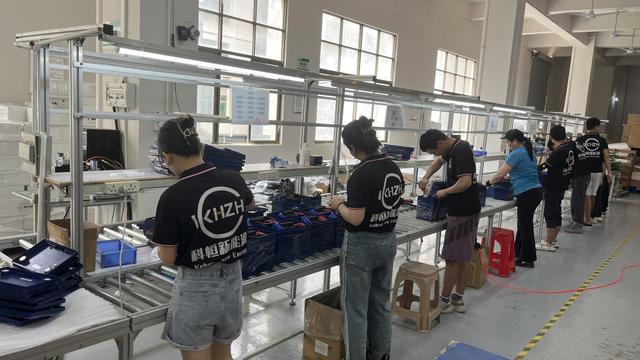
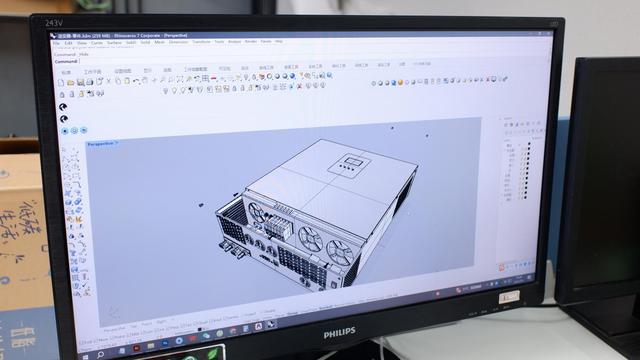
Equipped with advanced manufacturing facilities and stringent quality management processes, the company emphasizes product reliability, operational safety, and long-term performance. Continuous investment in research and development enables CCSC Energy to integrate intelligent monitoring technologies, advanced battery management systems, and smart energy control platforms into its solutions. Serving customers across Asia, Europe, North America, South America, the Middle East, and other global markets.
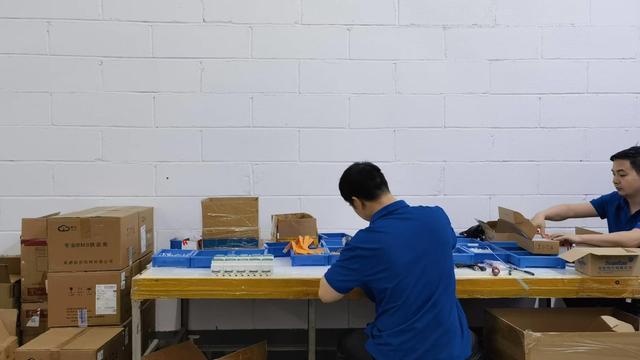
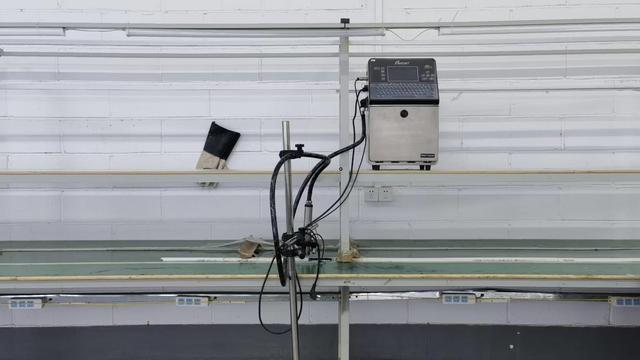
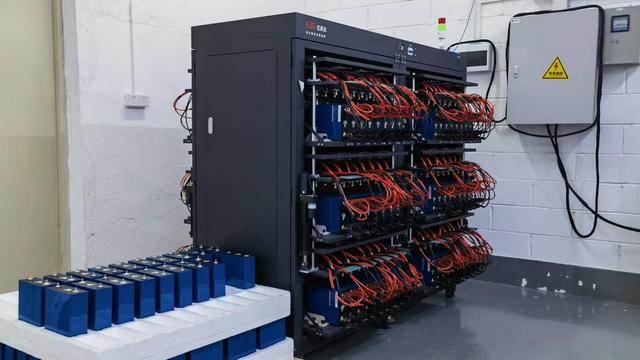
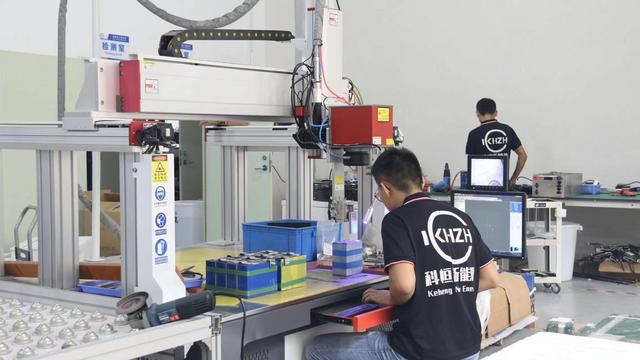
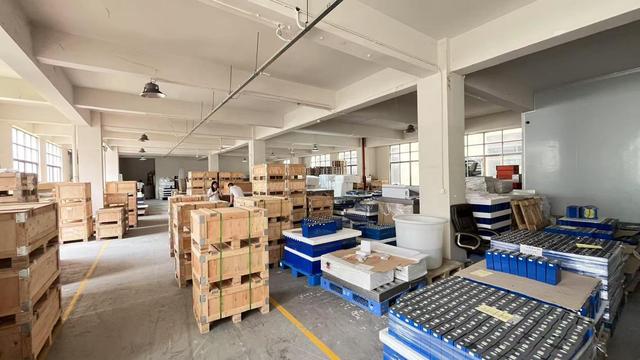
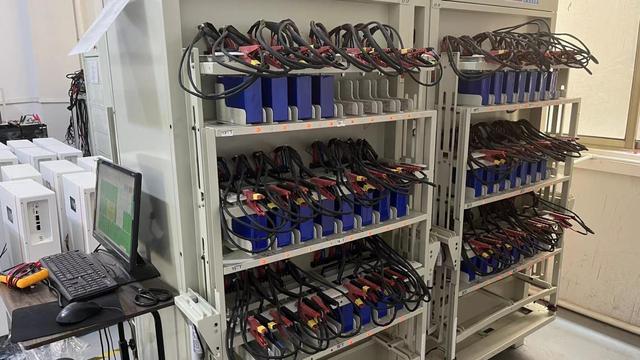
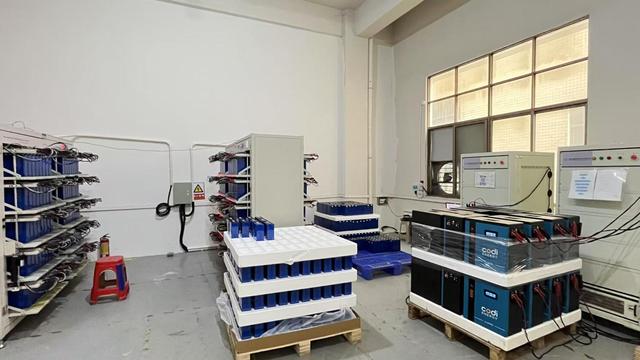
Our development framework is focused on safety, longevity, and high round-trip efficiency (RTE) to provide reliable energy storage options for the global market.
Utilizing high-capacity LFP prismatic cells to reduce total system footprint. Compact structural design enables space-constrained installations within existing urban sub-stations and factories.
Safety is integrated through three distinct monitoring levels: module-level sensors, localized gas detection, and automatically triggered fire suppression systems inside the containment structures.
Seamlessly interfaces with smart inverters, supporting smooth transitions between grid-tied and islanded modes for continuous protection during utility outages.
From residential solar support systems to high-capacity industrial systems, explore our full product range suited for diverse commercial applications in Thailand and globally.
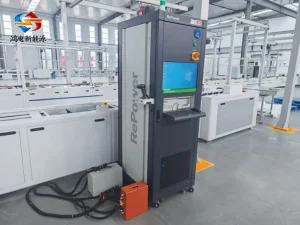
Modular configurations designed for residential applications, commercial offices, and microgrid integrations.
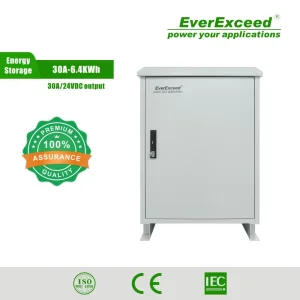
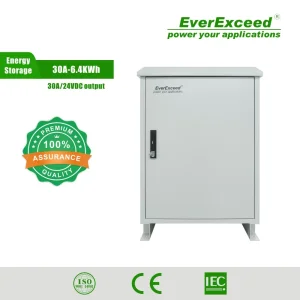
Get authoritative technical insights regarding implementation, compliance, and life-cycle returns for C&I installations in Thailand.
LiFePO4 (LFP) is preferred for its chemical stability at high operating temperatures. Unlike ternary (NMC) cells, LFP displays a significantly higher thermal runaway threshold (approx. 270°C vs 210°C). LFP cells do not release oxygen during thermal degradation, reducing combustion risks. This safety profile, combined with a cycle life of 6,000+ cycles, makes it highly suited for warm tropical environments.
Our systems are engineered in accordance with international grid integration safety codes, including IEC 62619, IEC 62477, and UL 9540A. We customize our system inverter interfaces and EMS parameters to satisfy local requirements set by the Provincial Electricity Authority (PEA) and Metropolitan Electricity Authority (MEA), ensuring smooth approval and grid-connection.
Depending on local utility Time-of-Use (TOU) tariff rates, typical payback periods for our industrial battery storage solutions range from 4 to 6 years. ROI can be optimized by pairing battery storage with solar PV systems, which allows facilities to capture excess solar power during weekends and discharge it during peak weekday production periods.
Liquid cooling systems use sealed coolant loops to manage heat, isolating components from humid, salt-heavy air. This design minimizes internal cell temperature variation to within 2°C, compared to 5-8°C variation in air-cooled configurations. This temperature uniformity extends battery life and reduces performance loss in coastal environments.
CCSC Energy provides support from initial planning and sizing calculations through to system deployment and commissioning. Our engineering team assists with on-site integration, safety verification, and EMS programming to ensure the system is configured to meet local operating requirements.
Connect with our technical engineering team to plan, size, and design your battery energy storage system. Get custom specifications tailored to your site requirements.
Send Inquiry Now CCSC Energy