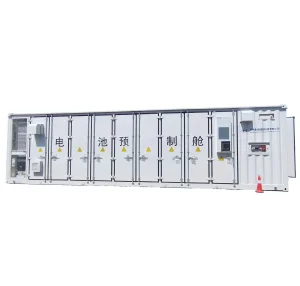
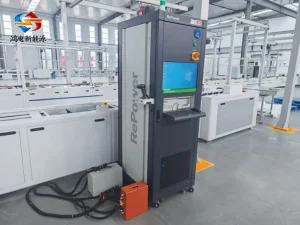
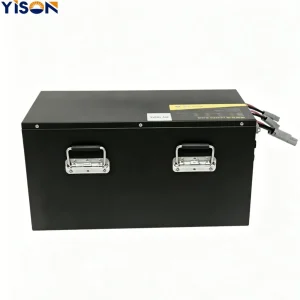
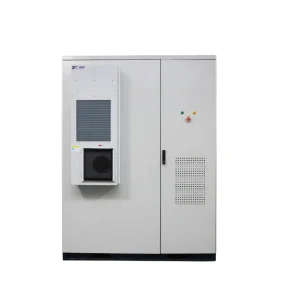
Advanced high-voltage BESS engineered for primary grid response, wind-farm integration, and massive commercial operations across Ireland.
Ireland is undergoing one of the most rapid transitions to renewable energy in the European Union. Under the Government's Climate Action Plan, Ireland aims to generate up to 80% of its electricity from renewable sources by 2030, primary through offshore and onshore wind, alongside a rapidly growing solar portfolio. However, integrating intermittent wind energy poses significant challenges to the Irish national grid operated by EirGrid and ESB Networks.
To prevent massive curtailment of clean energy and to maintain system stability, the deployment of grid-scale Battery Energy Storage Systems (BESS) has become a critical strategic priority. Commercial developers and industrial operators are increasingly seeking highly reliable BESS partners capable of delivering systems that comply with EirGrid's strict DS3 (Delivering a Secure Sustainable Power System) system services program. This framework demands ultra-fast response times (under 150 milliseconds) to stabilize grid frequency fluctuations.
At the same time, the massive influx of multinational data centers in the Greater Dublin Area and regional business parks has placed a heavy burden on local power infrastructure. Large-scale energy storage allows these corporate facilities to engage in peak-shaving, avoid high capacity charges, and secure uninterrupted backup power while supporting the decarbonization of the Irish grid.
Why Tier-1 engineering, advanced LFP chemistry, and strict compliance are non-negotiable for Irish and global buyers.
In modern industrial applications, safety, thermal stability, and cycle life are paramount. Lithium Iron Phosphate (LiFePO4) has emerged as the global standard for stationary BESS systems. Unlike Nickel Manganese Cobalt (NMC) chemistries, LFP offers a significantly higher thermal runaway temperature, eliminating the risk of catastrophic fires in high-density installations. Furthermore, LFP systems provide over 6,000 complete charge/discharge cycles at 80% Depth of Discharge (DoD), ensuring a project life exceeding 15-20 years. This long-term durability is vital to match the financial lifecycle of wind farms and solar plants across Ireland.
For European procurement managers, procurement decisions are driven by Levelized Cost of Storage. A low LCOS is achieved by minimizing initial system capital costs, optimizing round-trip efficiency (RTE), and reducing ongoing maintenance expenses. Hangzhou CCSC Energy's system integrations utilize high-voltage 1500V DC architectures. Compared to traditional 1000V systems, the 1500V design reduces cabling requirements, lowers balance-of-system (BOS) costs, and boosts inverter efficiency, maximizing energy throughput over the system's operational lifetime.
| Parameters | Traditional 1000V BESS | Advanced 1500V LFP BESS | Irish Market Advantages |
|---|---|---|---|
| Energy Density | Lower (~110 Wh/kg pack level) | High (~160+ Wh/kg pack level) | Saves valuable space near data centers & substations |
| Thermal Control | Forced Air Cooling | Liquid Cooling Systems | Maintains cell variance <2°C, extending life in harsh climates |
| System Efficiency | ~85% - 87% RTE | ≥ 90% Round-Trip Efficiency | Optimizes electricity arbitrage within the SEM market |
| Safety Certifications | Basic CE compliance | IEC 62619, IEC 63056, UN38.3, CE | Guarantees planning permission & insurance approvals in Ireland |
Exporting to the Irish market requires deep knowledge of EirGrid’s operational network codes. BESS units deployed for system services must support rapid active power response during transient frequency deviations (e.g., when a major interconnector drops offline). To qualify for DS3 revenue streams, BESS installations require intelligent Energy Management Systems (EMS) and Power Plant Controllers (PPC) capable of integrating seamlessly with local SCADA infrastructures. Systems must support Dynamic Reactive Power, Fast Frequency Response (FFR), and Primary, Secondary, and Tertiary Operating Reserve (POR, SOR, TOR1/TOR2).
Optimized units for commercial office structures, localized farming estates, and remote microgrid environments in Ireland.
As grid dynamics evolve, battery systems must be designed for both current and future operational paradigms. Key trends driving the development of modern energy storage include:
Support for algorithmic bidding in the Single Electricity Market (SEM) to capture maximum revenue through arbitrage and capacity contracts.
Ensures optimal operating conditions across every cell pack, preventing localized hot-spots and mitigating degradation risks under heavy usage patterns.
Incorporates aerosol gas suppression, early gas detection (off-gas monitoring), and structural fire barriers in compliance with NFPA 855 guidelines.
Importing large-scale energy systems into the EU requires rigorous validation of supply chain compliance. Ensure your exporter can support the following requirements:
Required Standards & Codes:
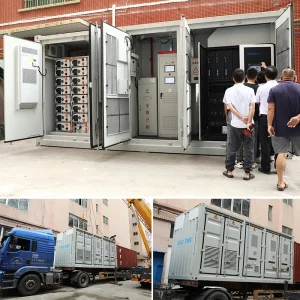
Hangzhou CCSC Energy manages the entire logistical workflow, ensuring that BESS containers are shipped securely from China, cleared through Irish customs (Dublin/Cork), and transported to the project site ready for structural positioning and grid integration.
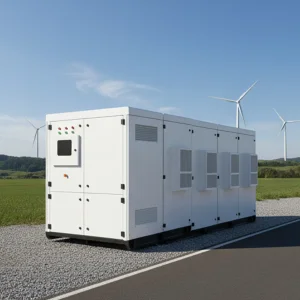
Comprehensive systems for utility grid injection, solar farm support, and heavy industrial load management.
Hangzhou CCSC Energy Co., Ltd. is a professional Energy Storage System Manufacturer specializing in battery energy storage, renewable power integration, and smart energy solutions for residential, commercial, industrial, and utility-scale applications. Based in Hangzhou, China, the company focuses on developing advanced energy storage technologies that help customers improve energy efficiency, enhance power reliability, and support the transition toward sustainable energy systems.
With expertise in energy storage engineering and system integration, CCSC Energy provides comprehensive solutions covering battery energy storage systems (BESS), renewable energy storage integration, commercial and industrial energy storage, backup power systems, microgrid applications, distributed energy infrastructure, and intelligent energy management platforms. Its solutions are designed to support a wide range of applications, including solar energy utilization, peak demand management, grid stabilization, emergency power supply, and energy cost optimization.
The company is committed to delivering safe, efficient, and scalable energy storage solutions tailored to the needs of modern energy users. Its engineering team works closely with customers, project developers, EPC contractors, and energy service providers to design systems that align with specific operational requirements, performance objectives, and regulatory standards. From project planning and system design to manufacturing and technical support, CCSC Energy offers comprehensive services throughout the project lifecycle.
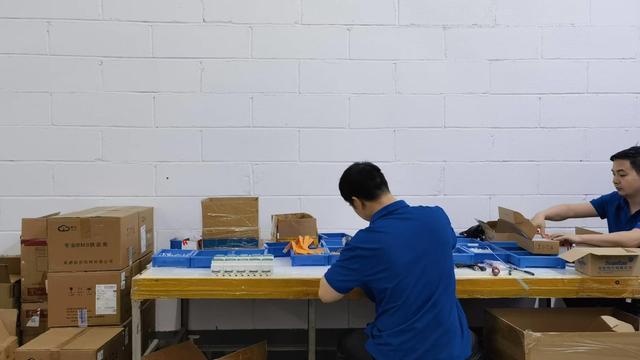
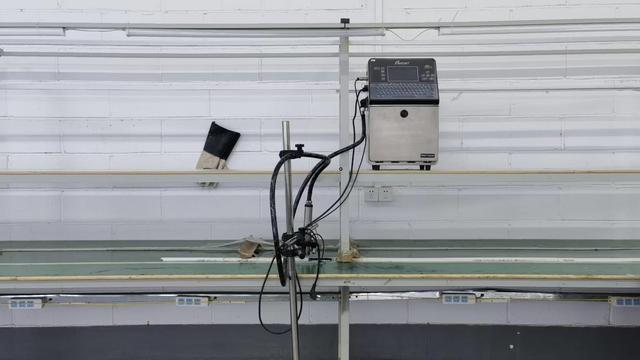
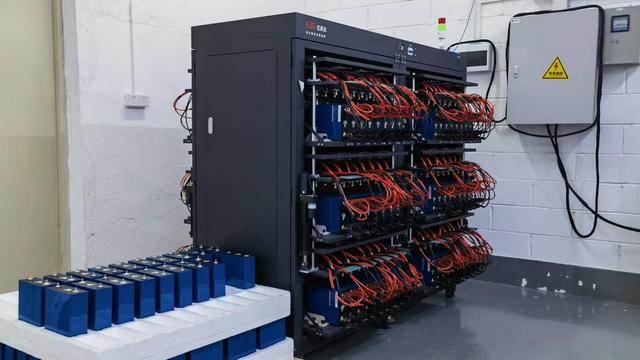
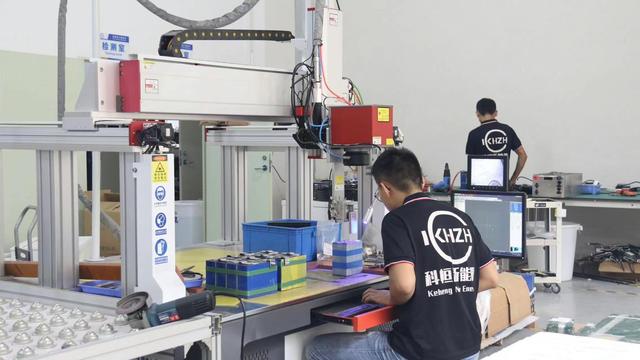
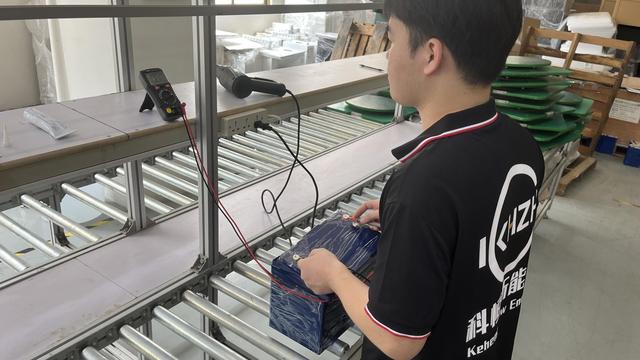
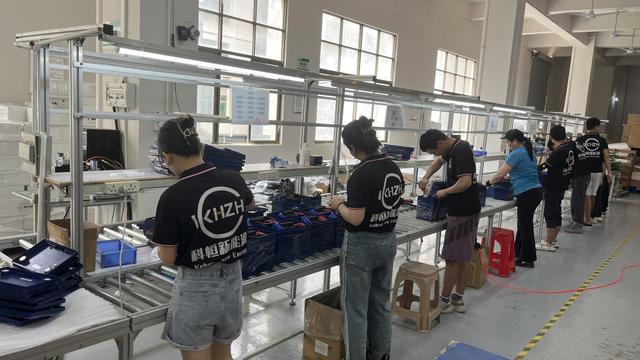
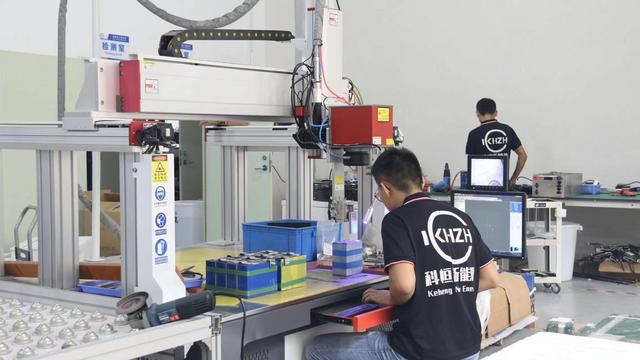
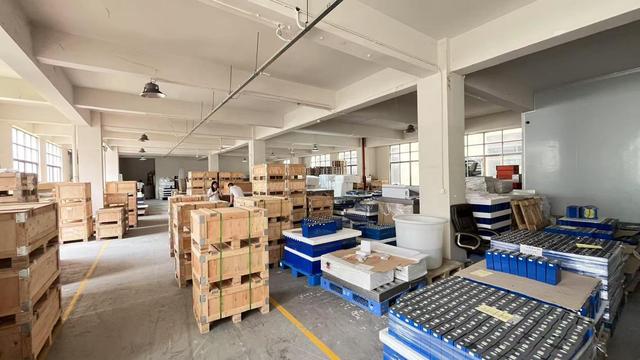
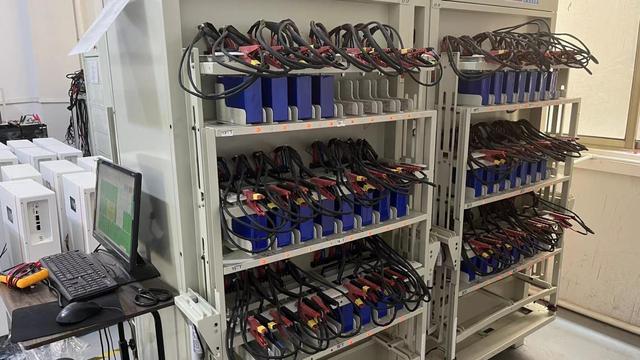
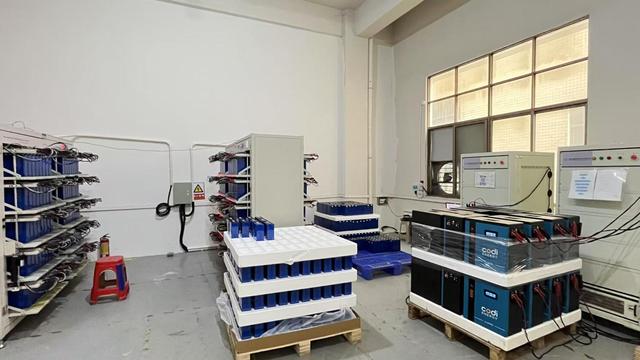
Equipped with advanced manufacturing facilities and stringent quality management processes, the company emphasizes product reliability, operational safety, and long-term performance. Continuous investment in research and development enables CCSC Energy to integrate intelligent monitoring technologies, advanced battery management systems, and smart energy control platforms into its solutions.
Serving customers across Asia, Europe, North America, South America, the Middle East, and other global markets, Hangzhou CCSC Energy Co., Ltd. is dedicated to providing innovative energy storage solutions that support renewable energy adoption, strengthen power resilience, and contribute to a more efficient and sustainable energy future.
In-depth insights into deploying, importing, and certifying CCSC Energy storage systems for Irish operations.
Our containerized and commercial systems are integrated with fast-response Power Plant Controllers (PPCs) and high-speed energy management systems (EMS). The fast active power response time (under 150 milliseconds) is engineered specifically to meet the frequency restoration criteria mandated by EirGrid. This allows project operators to actively participate in the Irish DS3 capacity market, generating reliable revenue while protecting grid integrity.
LFP (Lithium Iron Phosphate) offers significant safety and operational advantages for stationary energy storage. It features a thermal runaway temperature of around 270°C, compared to NMC's 210°C, and does not release oxygen during high-temperature events. This drastically reduces the risk of thermal propagation. Furthermore, LFP cells deliver 6,000+ full cycles (at 80% DoD), far exceeding the 2,500 to 3,000 cycle lifetime typical of NMC batteries.
Every shipment to Ireland and the broader European market is verified and certified according to harmonized standards. Our battery systems are tested under IEC 62619 (safety for industrial lithium batteries), IEC 63056 (safety requirements for grid-scale systems), and CE standards. Grid-tied inverters comply with EN 50549-1/2, ensuring seamless connection to distribution and transmission networks.
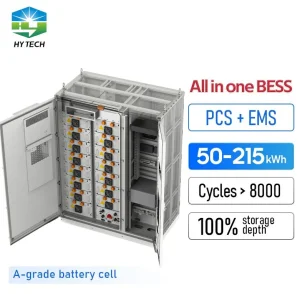
Yes, we provide modular outdoor container solutions (ranging from 215kWh units up to multi-megawatt systems) and space-optimized indoor systems. These systems are specifically designed for peak shaving, demand side response, and seamless backup power, helping businesses manage grid constraints and high electrical capacity charges.
Manufacturing, testing, and factory integration generally take 8 to 12 weeks, depending on system configuration and safety options. Logistics and shipping from our facility to the Port of Dublin or Port of Cork add approximately 5 to 6 weeks. We work closely with European EPC contractors to align production milestones with civil site-preparation timelines.
Partner with Hangzhou CCSC Energy Co., Ltd. to deploy high-voltage BESS engineered for the Irish grid and global commercial demands.
 CCSC Energy