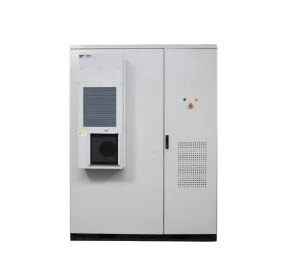
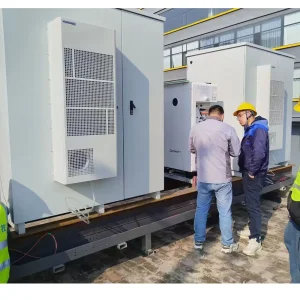
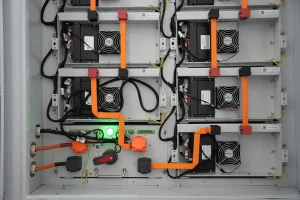
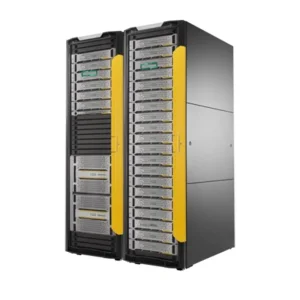
Explore our cutting-edge, certified battery systems and power distribution modules developed for modern grids and localized applications.
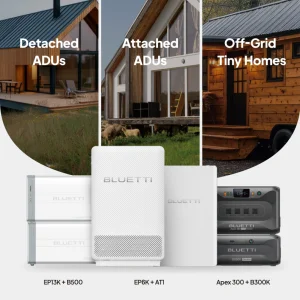
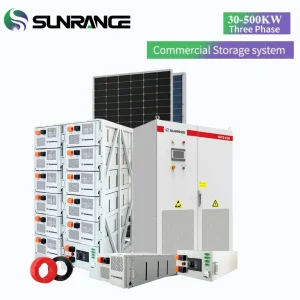
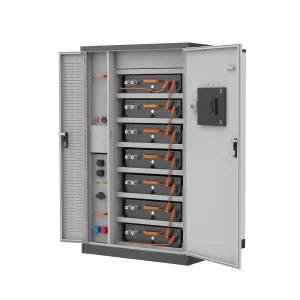
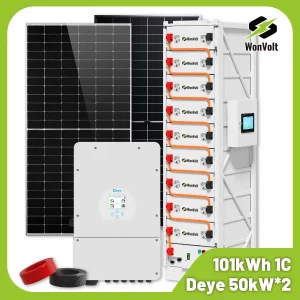
The global energy matrix is undergoing a paradigm shift. Rapid transition from centralized fossil-fuel generation to decentralized renewable sources has introduced structural volatility to distribution networks. Intermittent solar and wind outputs necessitate large-scale deployment of utility-grade and industrial Battery Energy Storage Systems (BESS). As a premier technological partner, Hangzhou CCSC Energy Co., Ltd. stands at the forefront of this market shift, designing next-generation systems optimized to solve grid congestion, manage peak demand tariffs, and supply critical UPS back-up infrastructure.
This paradigm shift goes beyond environmental sustainability; it is driven by complex economic dynamics. In commercial and industrial (C&I) sectors, electricity tariff structures increasingly feature heavy peak-demand charges. By integrating advanced energy storage innovations, businesses can actively perform peak shaving and load shifting—storing low-cost energy during off-peak windows and discharging it during peak demand intervals. This dynamic management drastically minimizes operational expenditures while stabilizing onsite microgrids.
How advanced thermal management, high-density LFP cells, and cloud-based EMS platforms are reshaping energy architectures.
Traditional air cooling systems face heat distribution issues in high-power settings. Modern utility projects utilize liquid cooling techniques, lowering internal thermal variance to ≤3°C, extending battery lifespans by up to 20% and reducing auxiliary consumption.
Integrating artificial intelligence into Energy Management Systems (EMS) enables predictive maintenance via real-time State of Health (SoH) diagnostics, anomaly detection, and algorithmic optimization for energy trading and dynamic peak shaving.
Lithium Iron Phosphate (LFP) has become the gold standard for C&I and residential storage. Chosen for its superior thermal stability, structural resilience, and long lifecycle, LFP eliminates thermal runaway concerns common with NMC chemistries.
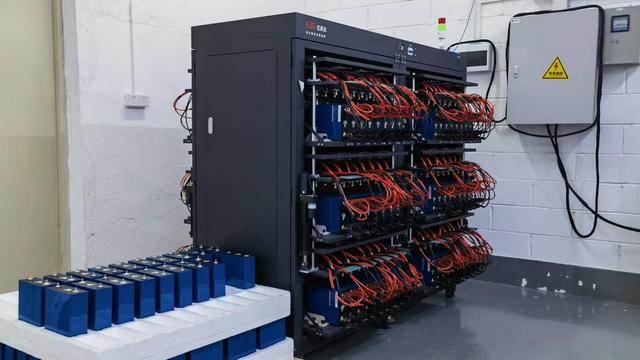
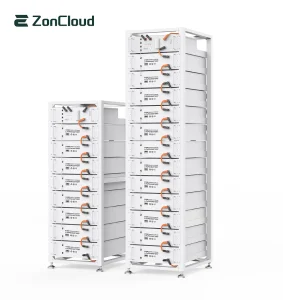
Additionally, modular architecture has redefined modern BESS installations. Rather than building monolithic, rigid energy storage centers, engineering teams utilize modular rack integrations. This permits seamless expansion capacity—enabling businesses to scale from a single 50kW unit up to multi-megawatt configurations as power requirements expand over time. High-capacity integration of Power Conversion Systems (PCS) further allows bidirectional energy flow, transforming storage units into active components of regional Virtual Power Plants (VPPs).
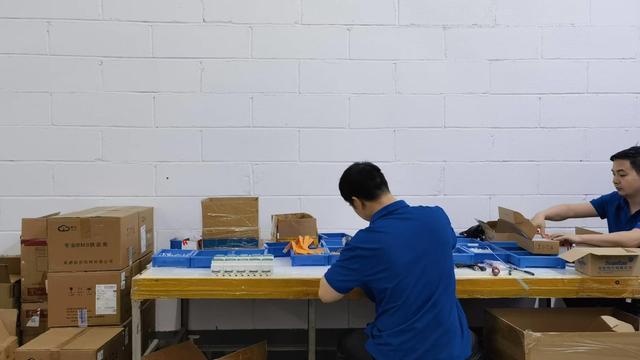
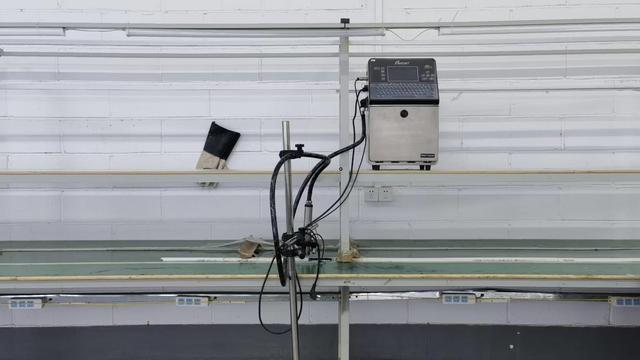
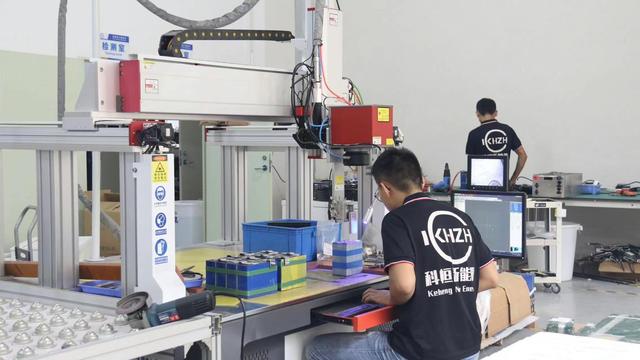
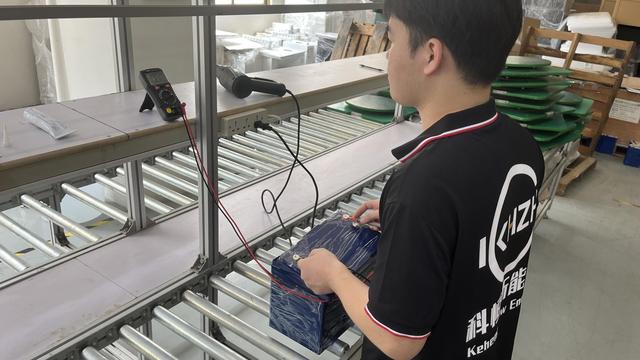
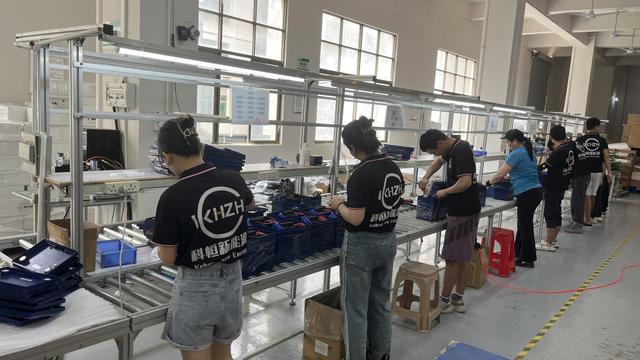
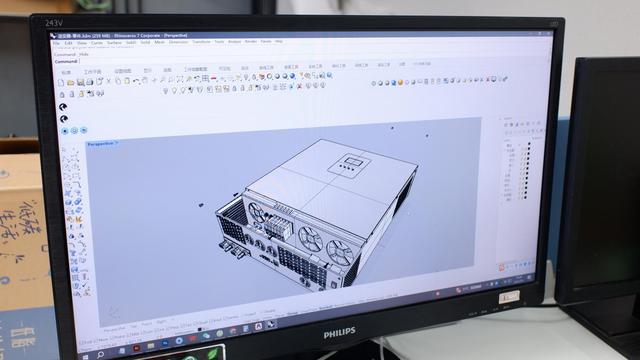
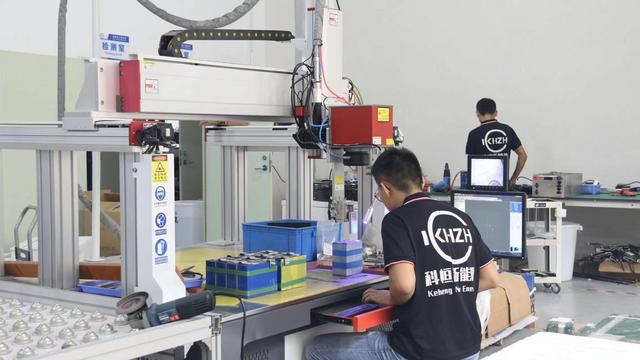
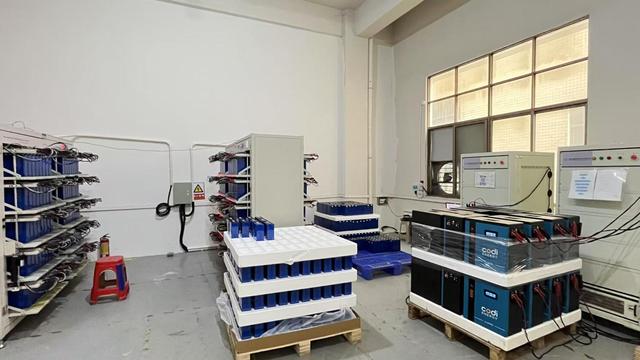
Hangzhou CCSC Energy Co., Ltd. builds its global success on a foundation of intelligent manufacturing. Our specialized China Factory 4.0 facility leverages automated assembly lines, strict quality controls, and advanced robotics to maintain top-tier production standards. By using end-to-end automated manufacturing processes, we minimize manual errors and deliver uniform cell matching—a critical factor for long-term multi-cell reliability.
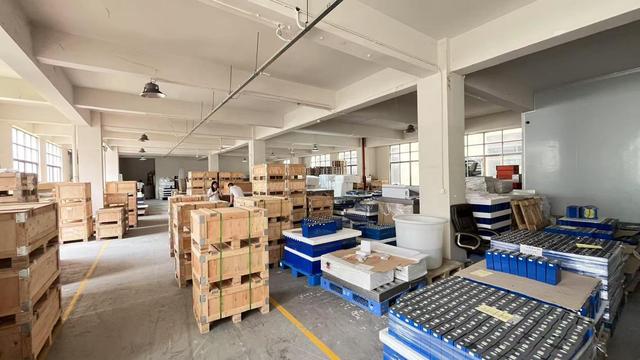
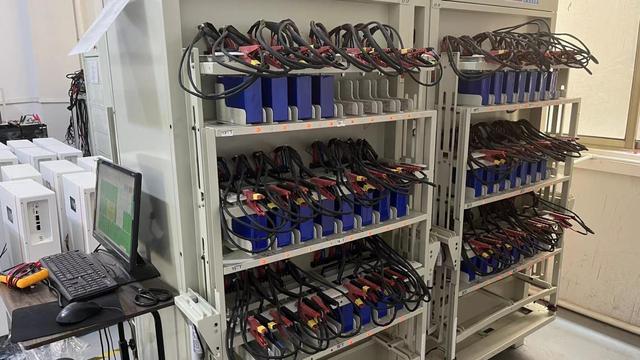
In today's complex international market, supply chain resilience is vital for EPC developers and energy coordinators. CCSC Energy maintains direct, long-term relationships with tier-1 raw material suppliers and key component manufacturers. This secure supply chain structure isolates our production schedules from sudden material shortages, guaranteeing reliable lead times and predictable cost management. Every component, from cell assembly to outer container chassis fabrication, undergoes thorough testing to meet international safety and environmental standards (including UL1973, CE, UN38.3, and IEC 62619).
BESS installations must adapt to localized environmental demands and grid codes. Different regions present distinct operating challenges:
For procurement managers, choosing an energy storage partner goes beyond initial product costs. It requires evaluating the Levelized Cost of Storage (LCOS). LCOS calculates the total lifetime cost per megawatt-hour delivered, factoring in depth of discharge, degradation speeds, auxiliary cooling costs, and system warranties. CCSC Energy designs products for low LCOS, combining thermal management systems with high-density cells to deliver maximum return on investment for project developers.
Detailed technical answers to common queries regarding enterprise energy storage system selection, safety, and integration.
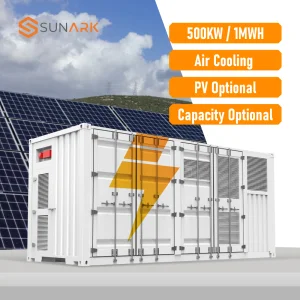
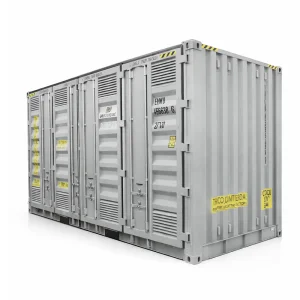
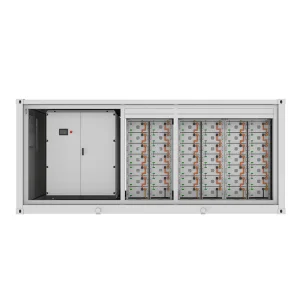
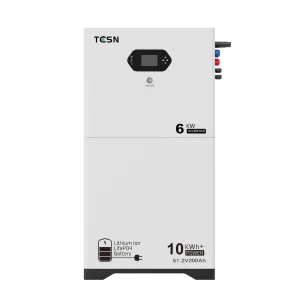
Discover our specialized heavy-industry containers, high-scalability battery racks, and residential power hubs.
 CCSC Energy