Modern electricity grids demand extreme resilience, dynamic frequency response, and peak shaving capabilities. The integration of high-density lithium iron phosphate (LiFePO4) chemistries combined with intelligent thermal management represents the absolute vanguard of next-generation energy solutions. As traditional grids face capacity limitations, decentralized storage infrastructure bridges the gap between clean generation and load demands.
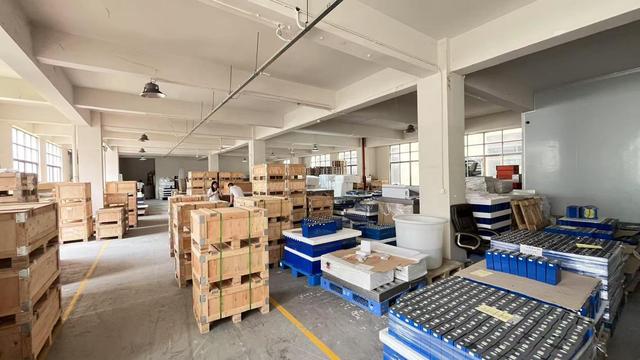
At the center of this transformation stands Hangzhou CCSC Energy Co., Ltd., a premium, technology-driven Battery Energy Storage System (BESS) manufacturer specializing in grid-scale, commercial, and industrial power solutions. Operating from Hangzhou, China—one of the world's most competitive technological corridors—CCSC Energy designs, engineers, and supplies advanced BESS architectures that redefine how modern businesses manage load shifting, energy arbitrage, power quality, and backup generators.
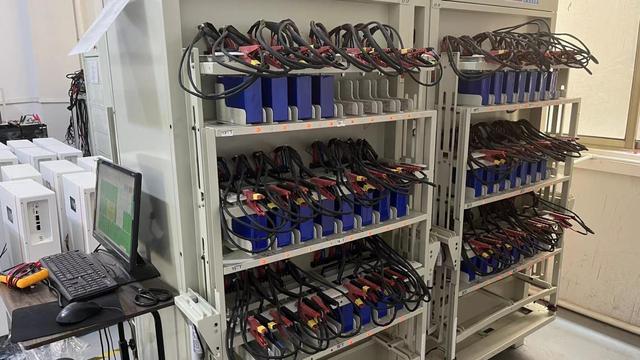
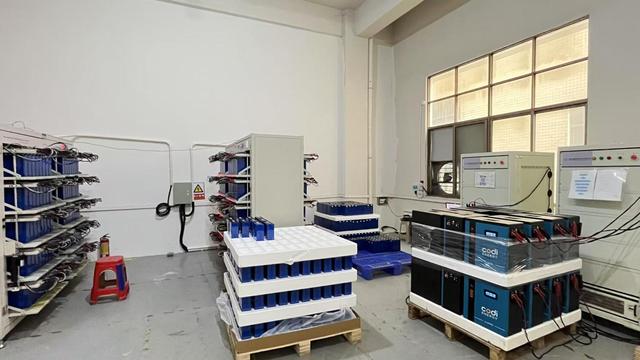
A true "Next-Gen Energy Solutions Factory" represents more than a assembly line; it integrates advanced chemical engineering, power electronics, automated thermal management, and cloud-integrated Energy Management Systems (EMS). By transitioning from passive battery packing to intelligent, liquid-cooled systems, CCSC Energy guarantees maximum round-trip efficiency (RTE) and unmatched structural longevity.
Commercial and industrial (C&I) facilities contribute over 40% of global electricity consumption. High demand charges, network constraints, and volatile spot markets force industrial operators to look past the centralized grid for reliability and financial optimization.
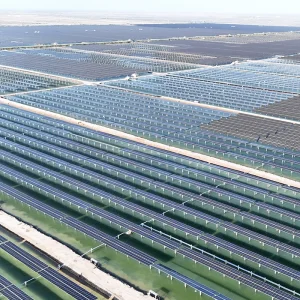
In mature markets like North America and Europe, carbon taxation and strict Environmental, Social, and Governance (ESG) mandates push enterprises to deploy onsite renewable energy sources such as solar photovoltaics (PV). However, due to the intermittent nature of solar and wind energy, local storage systems are essential to prevent grid anomalies and voltage sags. This is where high-capacity solutions, such as the Industrial and Commercial 233kwh Liquid Solar Energy Storage Power System and the 1Mwh Energy Storage Lithium Battery Container System, prove indispensable.
Furthermore, industrial facilities operate massive inductive loads (e.g., heavy machinery, motors, compressors) that draw massive peak currents, driving up peak-demand tariffs. By integrating smart BESS cabinets, companies can execute peak shaving—discharging the battery storage when utility rates are at their highest and when demand spikes, yielding massive operational savings.
| Thermal Technology | Cooling Efficiency | Cell Lifespan Optimization | Ideal Application Scale | System Complexity |
|---|---|---|---|---|
| Liquid Cooling | Excellent (ΔT < 2°C) | Extended (+20% Cycle Life) | High-Density C&I / Utility (500kWh+) | Higher (Closed loop pump, glycol) |
| Air Cooling | Moderate (ΔT ~ 5°C) | Standard Lifecycle | Small-to-Medium C&I (<250kWh) | Low (Forced fans, simpler maintenance) |
Over 75% of global lithium-ion battery manufacturing capacity is concentrated in China. This dominance is not merely a matter of lower labor costs; it is driven by a deep supply chain integration that spans raw material refinement, active material synthesis, cell manufacturing, and advanced power electronics assembly.
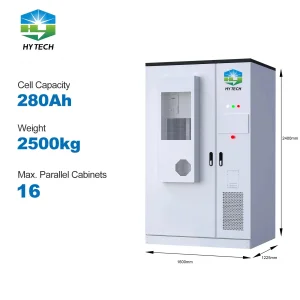
By operating from Hangzhou, China, Hangzhou CCSC Energy Co., Ltd. leverages direct access to the world's most advanced supply chain ecosystem. From sourcing ultra-pure Lithium Iron Phosphate (LiFePO4) chemistry to using specialized cell form factors (such as the high-capacity 280Ah and 314Ah cells), CCSC Energy ensures that every component is engineered to withstand long-term cyclical use.
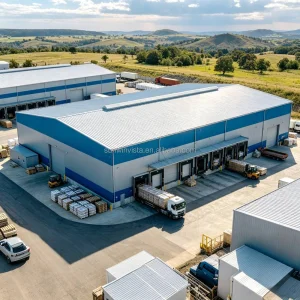
This integrated supply chain model reduces logistics delays, stabilizes manufacturing costs, and enables rapid technological changes. When a project demands customized containment solutions, such as pre-engineered steel structure warehouses and production workshops, our structural manufacturing partners deliver scalable, custom structures that accommodate battery weight requirements and meet local seismic loading and fire containment ratings.
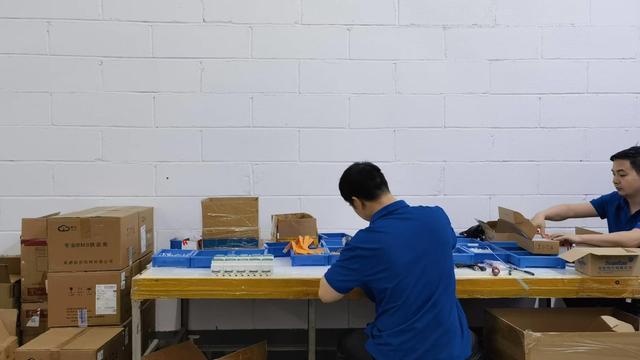
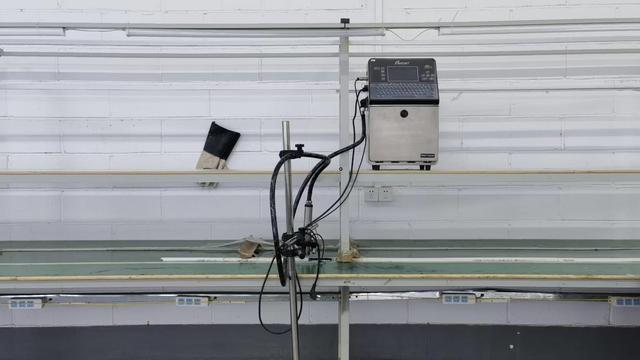
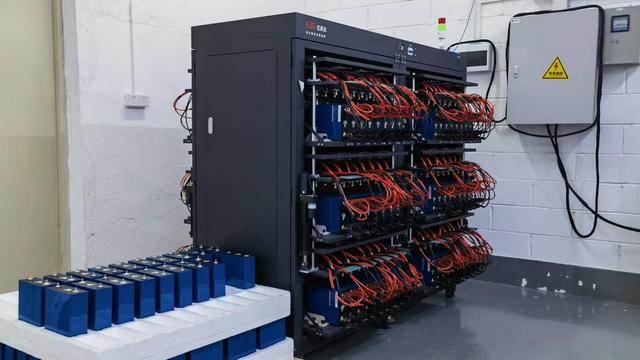
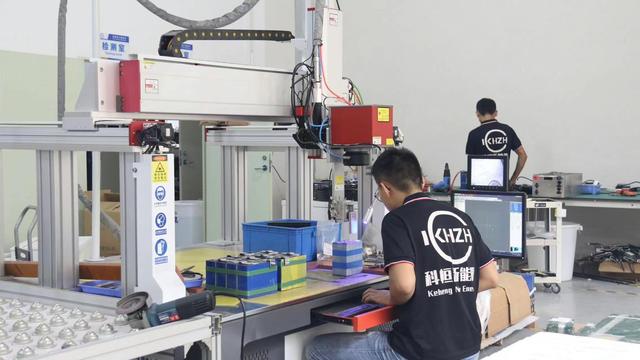
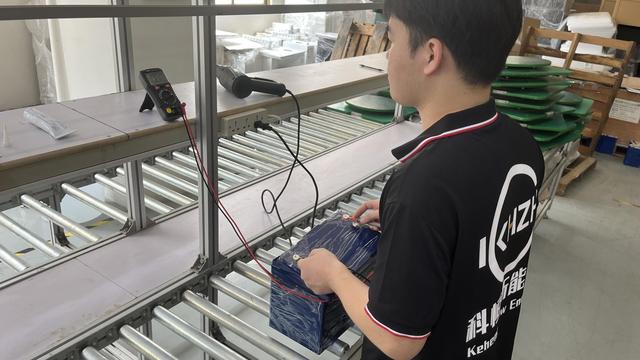
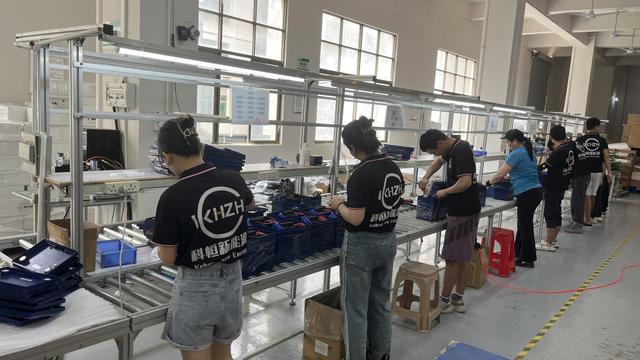
Developing state-of-the-art energy systems requires combining advanced electrochemistry with robust physical enclosures and intelligent communication controls. The standard architecture of a high-performance CCSC Energy BESS is built on three core pillars:
Provides cell-level diagnostics, dynamic active balancing, state of charge (SoC) calculations, and state of health (SoH) metrics to prevent over-voltage, thermal anomalies, and accelerated cell degradation.
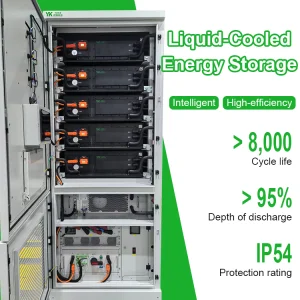
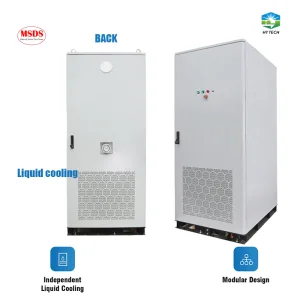
Maintains optimal cell core temperatures through specialized coolant distribution loops (liquid cooled systems) or low-resistance air channels, limiting thermal deviations across the entire system.
High-efficiency Power Conversion Systems (PCS) allow seamless bi-directional energy transfer, grid synchronization, islanding safety features, and rapid switching speeds to support uninterruptible backup needs.
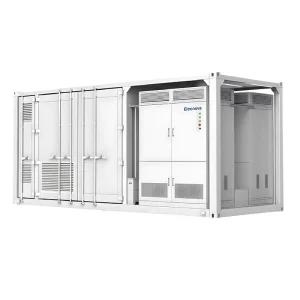
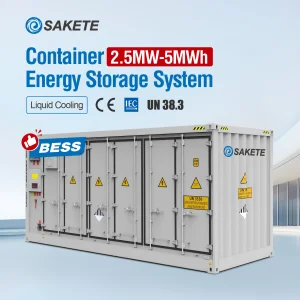
CCSC Energy's technology roadmap focuses on moving toward higher energy densities. By transitioning from 280Ah cells to the latest 314Ah chemistries, we pack 5MWh of usable energy into a standard 20ft shipping container. This minimizes the physical footprint of industrial installations, reducing civil engineering, foundation preparation, and onsite installation costs.
Looking toward the future, CCSC Energy is actively researching sodium-ion chemistries for cold-weather utility applications, along with solid-state electrolyte integration to improve fire safety and eliminate thermal runaway risks.
Energy solutions must adapt to local regulatory environments, climatic challenges, and energy infrastructure designs. CCSC Energy tailors its systems to meet these varied regional demands:
In regions like Western Australia or the high-altitude mining sectors of South America, connecting to the central grid is economically unfeasible. By integrating CCSC Energy's Hybrid Diesel Generator and Storage Integration Container System, mining operations can combine solar PV arrays, diesel generators, and heavy-duty battery banks. The storage system handles rapid load spikes from mining machinery, allowing generators to run at peak efficiency and reducing fuel consumption by up to 40%.
In European countries such as Germany and the Netherlands, logistics companies face grid capacity limits that prevent them from installing fast-charging infrastructure for electric trucks. Deploying a Peak Shaving Modular 125kW Liquid Cooled ESS Cabinet allows operators to draw power at a slow rate during low-demand hours, store it, and discharge it rapidly when heavy vehicles require high-capacity charging, avoiding expensive grid upgrades.
Data centers require continuous clean power. Sudden voltage drops or frequency shifts can lead to equipment failures. The IP65 Protection Battery Container acts as a dynamic UPS system, smoothing out power fluctuations and bridging the critical gap between grid outages and diesel generator startup sequences.
Deploying utility-scale batteries requires meeting strict safety standards, local building codes, and environmental regulations.
Hangzhou CCSC Energy Co., Ltd. builds all of its products to meet the most rigorous international standards. Our manufacturing processes and products are certified under UN38.3, CE, IEC 62619, UL 1973, and UL 9540A. These certifications guarantee that the batteries have undergone destructive testing (including thermal runaway propagation tests, short-circuit simulations, and impact tests) to ensure safe operation.
To provide comprehensive support, CCSC Energy partners with local EPC (Engineering, Procurement, and Construction) companies, system integrators, and electrical contractors across Asia, Europe, North America, South America, and the Middle East. From initial site feasibility analysis and system sizing to local permitting, commissioning, and remote operations management, CCSC Energy provides comprehensive support throughout the project lifecycle.
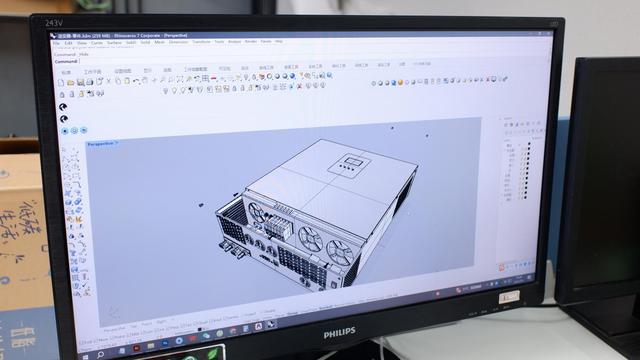
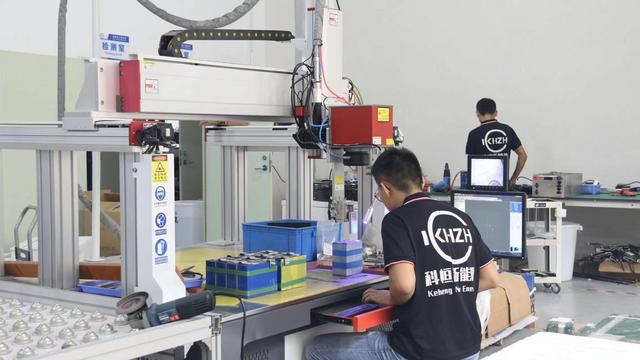
Key technical and commercial inquiries from developers, engineers, and purchasing officers.
 CCSC Energy